
Puerto Rico, a vibrant Caribbean island, is often a subject of curiosity, particularly regarding its linguistic landscape. Understanding the languages spoken on the island is crucial for any visitor seeking to immerse themselves in its rich culture and navigate daily life. This exploration delves into the official languages, the prevalent dialects, and the subtle nuances that make speaking and understanding in Puerto Rico a unique experience.
The Official Linguistic Status
Spanish: The Dominant Tongue
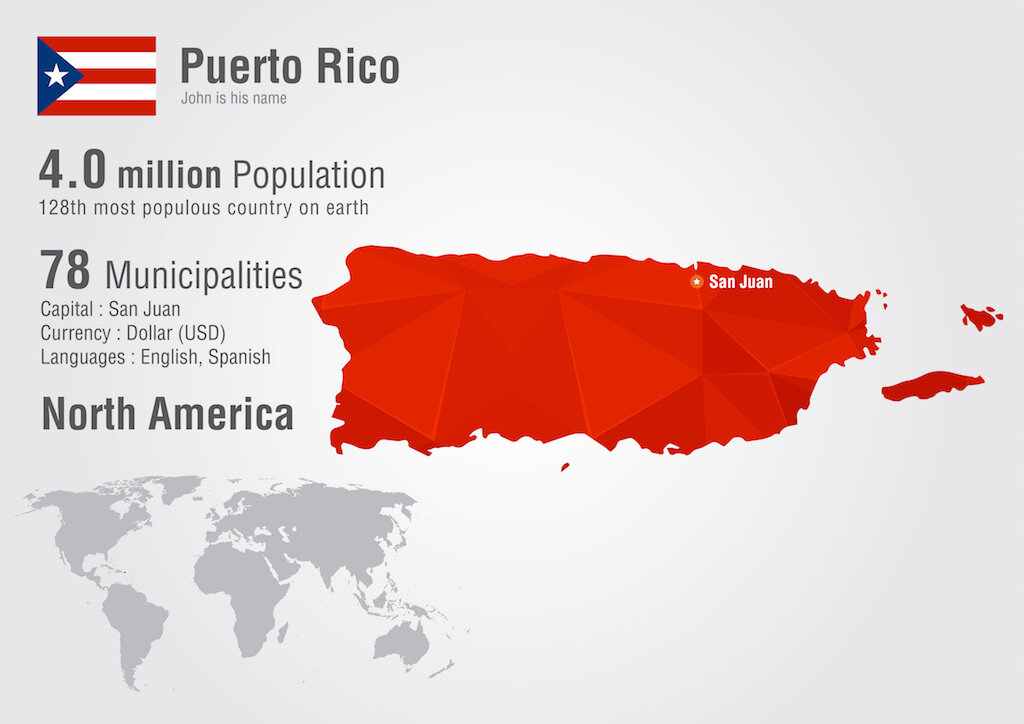
Spanish is undeniably the primary language of Puerto Rico. Its roots are deeply embedded in the island’s history, tracing back to the arrival of Spanish colonists in the late 15th century. For centuries, Spanish has been the language of government, education, and everyday communication. It is the language through which the island’s captivating history has been chronicled, its laws are written, and its vibrant culture is expressed. From the bustling streets of San Juan to the quiet hills of the interior, Spanish is the ubiquitous sound of daily life.
The Spanish spoken in Puerto Rico, while fundamentally the same as that spoken elsewhere, possesses its own distinct flavor. It is characterized by unique vocabulary, idiomatic expressions, and even phonetic variations that set it apart. This Boricua Spanish, as it is sometimes referred to, is a testament to the island’s isolation, its influences from indigenous Taíno languages, and later, its interactions with other cultures, including the United States. For visitors, even a basic grasp of Spanish can significantly enhance their travel experience, opening doors to more authentic interactions and a deeper understanding of the local way of life. Many visitors find that learning a few key phrases can lead to warmer receptions and more meaningful connections with the island’s residents.
English: A Secondary Official Language
Alongside Spanish, English holds the status of an official language in Puerto Rico. This duality stems from the island’s political relationship with the United States, which began in 1898. While Spanish remains the dominant and most widely spoken language, English plays a significant role, particularly in commerce, education, and government, especially in official capacities where federal regulations are concerned.
In urban centers and tourist areas, such as Old San Juan and major resorts like the Caribe Hilton, English is frequently understood and spoken, especially by those working in the tourism industry. Many educational institutions also offer bilingual programs, and a segment of the population, particularly those with higher education or extensive international exposure, are fluent in English. However, it is important for travelers to recognize that English proficiency can vary considerably across different demographics and geographical locations. While you can certainly get by with English in many tourist-focused environments, venturing off the beaten path may require more reliance on Spanish.
The Cultural Tapestry of Language
Taíno Influences

The indigenous Taíno people, the original inhabitants of Puerto Rico, left an indelible mark on the island’s language, primarily through the Spanish dialect spoken today. While the Taíno language itself is largely extinct, numerous words and place names have been absorbed into Puerto Rican Spanish. These linguistic borrowings are a poignant reminder of the island’s pre-Columbian heritage and add a unique layer to its vocabulary.
Examples of Taíno influence are abundant. Words like “hamaca” (hammock), “huracán” (hurricane), “maíz” (corn), and “canoa” (canoe) are of Taíno origin and are now standard in Spanish worldwide. Many geographical features also bear Taíno names, such as the island itself, “Puerto Rico,” which is believed to derive from the Taíno name Borikén. Understanding these etymological roots enriches the appreciation of Puerto Rican culture and its historical evolution.
The Evolution of Boricua Spanish
Boricua Spanish is more than just a regional dialect; it’s a living entity that reflects the island’s dynamic history and its people’s resilience. Beyond the Taíno and Spanish foundations, it has absorbed influences from other languages over time. Early African slaves brought by the Spanish introduced some linguistic elements, and later, significant immigration from countries like France, Italy, and the Canary Islands also contributed to the linguistic mosaic.
However, the most significant external influence on modern Boricua Spanish has been American English, particularly since the mid-20th century. This phenomenon, known as code-switching or loanwords, is evident in the everyday speech of many Puerto Ricans. English terms are often integrated into Spanish sentences, sometimes adapted phonetically. For instance, “carro” (car) might be interspersed with or replaced by “car,” and “chatear” (to chat) is a direct adaptation of the English verb. This linguistic blending is not a sign of language degradation but rather a dynamic adaptation to globalization and evolving societal interactions. It reflects a sophisticated ability to navigate multiple linguistic worlds.
Navigating Puerto Rico as a Visitor
Practical Language Tips for Travelers
For tourists visiting Puerto Rico, understanding the language situation can ease travel and foster deeper connections. While English is widely understood in tourist hubs, making an effort to speak even basic Spanish is highly recommended and greatly appreciated by locals. Simple greetings like “Buenos días” (Good morning), “Buenas tardes” (Good afternoon), “Buenas noches” (Good evening), and polite requests such as “Por favor” (Please) and “Gracias” (Thank you) go a long way.
Learning a few common phrases can also be incredibly helpful. For example, “Cuánto cuesta?” (How much does it cost?) is useful for shopping, and “Dónde está el baño?” (Where is the bathroom?) is always practical. In restaurants, knowing “Quisiera…” (I would like…) can help you order your meal. Many hotels and tourist information centers provide small phrasebooks or have staff who can assist with translation, but having a basic understanding yourself will undoubtedly enhance your experience.
Embracing the Bilingual Culture
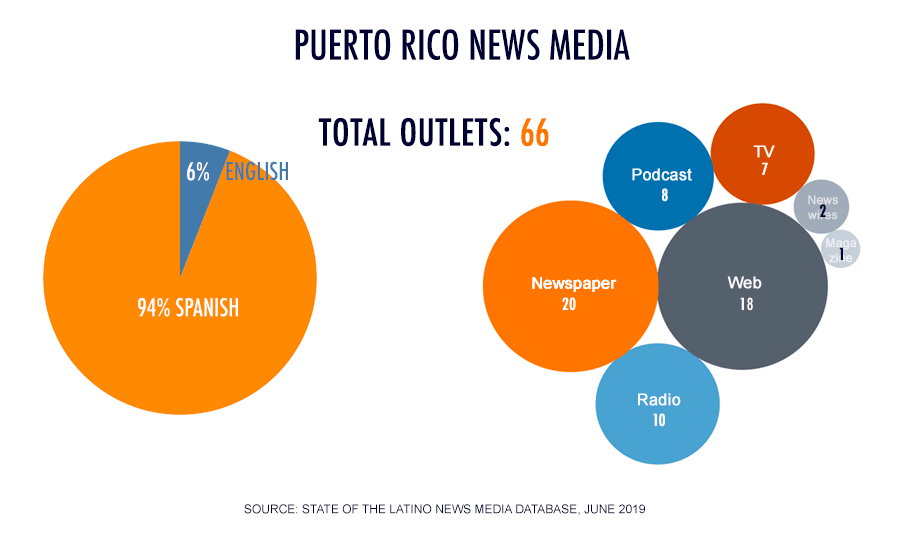
Puerto Rico’s bilingual nature is one of its defining characteristics. It’s a place where the rhythmic cadence of Spanish intertwines with the more direct phrasing of English, creating a unique linguistic environment. For visitors, this offers an opportunity to engage with the island on multiple levels. You can enjoy the full immersion of Spanish-speaking interactions, particularly when exploring local markets like La Placita de Santurce or venturing into smaller towns. Simultaneously, you can rely on English in more commercially oriented settings, ensuring comfort and ease of communication.
The act of engaging with the local language, even imperfectly, can unlock a more authentic Puerto Rican experience. It shows respect for the culture and can lead to spontaneous conversations, genuine smiles, and a richer understanding of the island’s soul. Whether you are enjoying a piragua on the beach, exploring the El Yunque National Forest, or attending a local festival, the languages of Puerto Rico are an integral part of the vibrant tapestry that awaits you.
LifeOutOfTheBox is a participant in the Amazon Services LLC Associates Program, an affiliate advertising program designed to provide a means for sites to earn advertising fees by advertising and linking to Amazon.com. Amazon, the Amazon logo, AmazonSupply, and the AmazonSupply logo are trademarks of Amazon.com, Inc. or its affiliates. As an Amazon Associate we earn affiliate commissions from qualifying purchases.