
When planning a trip to the vibrant island of Puerto Rico, one of the most practical questions that arises is about its currency. Understanding the monetary system is crucial for a smooth and enjoyable travel experience, from budgeting for excursions to purchasing souvenirs. Fortunately for travelers, Puerto Rico operates with a familiar and widely accepted currency, simplifying financial transactions and eliminating the need for complex exchange rates.
The U.S. Dollar: A Familiar Standard
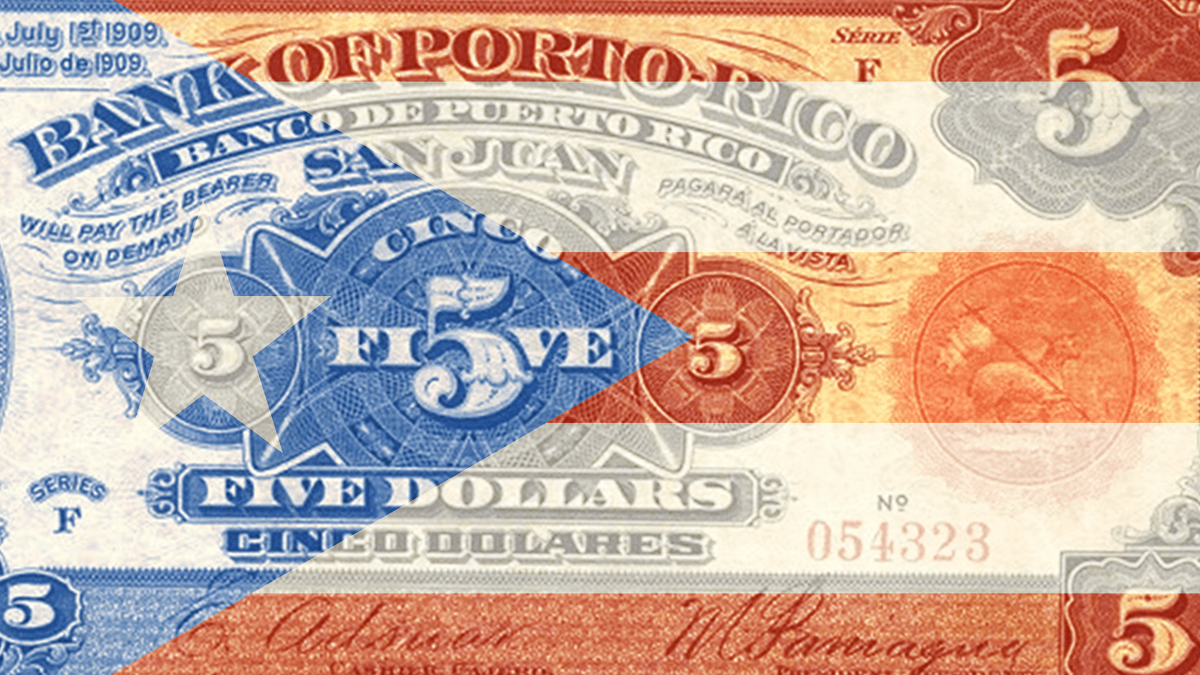
The primary and official currency of Puerto Rico is the United States Dollar (USD). This means that American visitors will find themselves on familiar financial ground, as the bills and coins are identical to those used in the United States. This uniformity significantly simplifies budgeting and spending for U.S. travelers, as there’s no need to carry multiple currencies or worry about fluctuating exchange rates between the mainland and the island.

Practical Implications for Travelers
The use of the USD in Puerto Rico offers a multitude of practical advantages for tourists:
- Ease of Budgeting: Travelers can use their existing budgets without needing to convert funds or recalculate prices. What you budget for in dollars in Miami or New York will translate directly to Puerto Rico.
- ATM Accessibility: ATMs are widely available across the island, particularly in tourist hubs, major cities like San Juan, and at international airports like Luis Muñoz Marín International Airport. These machines dispense USD, making cash readily accessible.
- Credit and Debit Card Acceptance: Most establishments, including hotels, restaurants, shops, and tour operators, readily accept major credit cards such as Visa, MasterCard, American Express, and Discover. This convenience allows for cashless transactions for a significant portion of your spending.
- Tipping Culture: Tipping practices in Puerto Rico are generally in line with those in the United States. It is customary to tip service staff, such as waiters, bartenders, hotel staff, and tour guides. A tip of 15-20% is standard in restaurants, and small amounts for bellhops or housekeeping are appreciated.
- Currency Exchange: While not necessary for U.S. travelers, visitors from other countries will find it easy to exchange their home currency for USD at banks, currency exchange bureaus, or directly at Luis Muñoz Marín International Airport. However, it’s often more advantageous to use ATMs for withdrawals to get a competitive exchange rate.
Beyond the Dollar: Understanding Local Financial Practices
While the USD is the official currency, understanding a few local financial nuances can enhance your travel experience:
Cash vs. Card Preferences
While credit and debit cards are widely accepted, there are instances where cash is preferred or even necessary:
- Smaller Establishments: Smaller, locally-owned businesses, roadside fruit stands, or informal vendors might prefer cash transactions.
- Taxis: While some taxi services may accept cards, many drivers prefer cash payments, especially for shorter trips within cities like Ponce or Mayagüez. It’s always a good idea to confirm payment methods with your taxi driver before starting your journey.
- Tips: As mentioned, cash is often the most convenient way to tip service staff, especially for smaller gestures or for individuals who may not have card processing capabilities.
- Local Markets: Exploring vibrant local markets like La Plaza de Mercado de Río Piedras in San Juan often involves cash purchases for fresh produce, handicrafts, and local delicacies.
Budgeting for Your Puerto Rican Adventure
A clear understanding of the currency allows for effective budgeting. Consider these categories when planning your finances for Puerto Rico:
- Accommodation: From luxurious resorts like the Dorado Beach, a Ritz-Carlton Reserve to charming guesthouses in Old San Juan, accommodation prices will be in USD.
- Dining: Puerto Rico offers a diverse culinary scene. Dining at high-end restaurants or enjoying local “kioskos” will all be priced in dollars.
- Activities and Excursions: Whether you’re exploring the bioluminescent bays of Vieques, hiking in the El Yunque National Forest, or taking a historical tour of Old San Juan, all activity costs will be in USD.
- Transportation: Car rentals, public transport (though limited), taxis, and ride-sharing services will all operate with USD pricing.
- Shopping: From designer boutiques to artisanal crafts, your purchases will be denominated in dollars.
International Visitors and Currency Exchange

For travelers coming from outside the United States, the use of the USD is equally advantageous:
- Simplified Exchange: You only need to focus on exchanging your home currency for USD, rather than dealing with multiple currencies for different destinations.
- Global Acceptance: The USD is one of the world’s most stable and widely accepted currencies, meaning you can often exchange money in your home country before departing for Puerto Rico, potentially securing a better rate than you might find on the island.
- Leveraging ATMs: For those who prefer not to carry large amounts of cash, using your debit card at local ATMs in Puerto Rico can be a convenient way to obtain USD. However, it’s essential to be aware of potential foreign transaction fees charged by your bank.
Exploring Beyond the Currency: Economic Considerations
While the currency is straightforward, a brief understanding of Puerto Rico‘s economic relationship with the United States can add context:
U.S. Territory Status
Puerto Rico is an unincorporated territory of the United States. This status is the primary reason for the adoption of the USD as its official currency. This economic and political relationship influences many aspects of island life, including its financial systems.
Economic Influences
The island’s economy is influenced by various factors, including tourism, manufacturing, and agriculture. While the USD provides stability, Puerto Rico has faced economic challenges. However, the tourism sector remains a vital component of its economy, and the use of the dollar facilitates international and domestic travel.
Planning Your Financial Strategy for Puerto Rico
To ensure a seamless financial experience during your visit, consider these strategic tips:
Pre-Trip Preparations
- Inform Your Bank: Notify your bank and credit card companies of your travel dates and destination to prevent any potential holds or blocks on your accounts due to unusual activity.
- Cash Reserve: Carry a small amount of U.S. currency for immediate expenses upon arrival, such as airport transfers or initial purchases.
- ATM Card: Ensure your debit card is enabled for international ATM withdrawals and understand any associated fees.
During Your Stay
- Track Your Spending: Keep a general track of your expenses to stay within your budget.
- Utilize ATMs Wisely: Use ATMs located inside reputable banks or established businesses for greater security.
- Keep Receipts: For significant purchases, keeping receipts can be helpful for budgeting and for potential returns or reimbursements.
Understanding Local Transactions
- Small Bills: Having smaller denominations of U.S. currency can be very useful for tips, street vendors, and smaller purchases, avoiding the need for change.
- Bargaining: While not common in formal retail settings, some informal markets or private sales might allow for polite negotiation, but always be respectful of the seller’s pricing.
In conclusion, for travelers venturing to the beautiful island of Puerto Rico, the financial aspect is refreshingly simple. The universal acceptance of the United States Dollar removes a significant layer of complexity, allowing you to focus on the rich culture, stunning landscapes, and unforgettable experiences that Puerto Rico has to offer, from the historic streets of Old San Juan to the lush rainforests of El Yunque National Forest.
LifeOutOfTheBox is a participant in the Amazon Services LLC Associates Program, an affiliate advertising program designed to provide a means for sites to earn advertising fees by advertising and linking to Amazon.com. Amazon, the Amazon logo, AmazonSupply, and the AmazonSupply logo are trademarks of Amazon.com, Inc. or its affiliates. As an Amazon Associate we earn affiliate commissions from qualifying purchases.