
Understanding the currency and financial landscape of a destination is a fundamental aspect of planning any successful trip. For those venturing to the vibrant island of Puerto Rico, this knowledge ensures smooth transactions, whether you’re savoring local cuisine in Old San Juan, exploring the El Yunque National Forest, or relaxing on the shores of Flamenco Beach. The question of “what type of money is used in Puerto Rico?” has a straightforward answer, yet it’s intertwined with its unique political status and economic ties.
The Currency of Puerto Rico: The United States Dollar
The official currency of Puerto Rico is the United States Dollar (USD). This is a direct consequence of Puerto Rico‘s status as a commonwealth of the United States. Since the U.S. Dollar became legal tender in Puerto Rico in 1900, it has been the sole medium of exchange on the island. This means that all prices, wages, and financial transactions are denominated in U.S. Dollars.

Historical Context and the U.S. Dollar’s Dominance
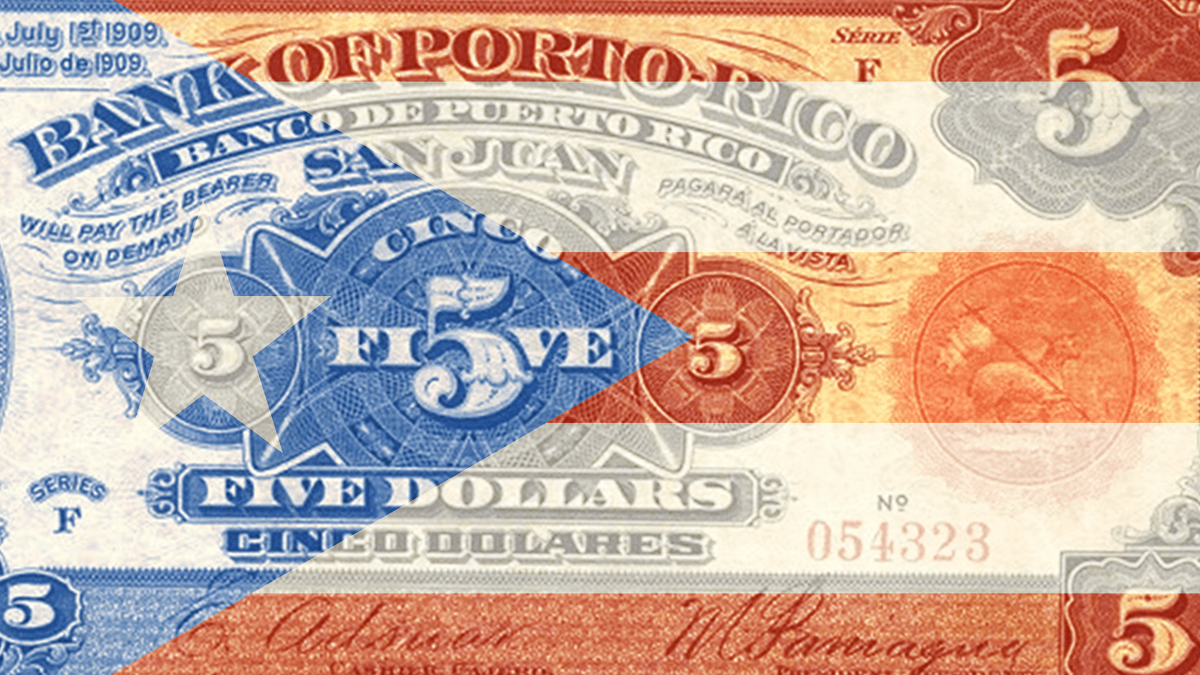
The adoption of the U.S. Dollar was a significant step in the economic integration of Puerto Rico with the United States. Before this, the Spanish silver dollar (also known as the peso) was in circulation, reflecting the island’s colonial past under Spain. Following the Spanish-American War in 1898, Puerto Rico was ceded to the United States, and with it came the gradual transition to U.S. currency. The Foraker Act of 1900 officially established the U.S. Dollar as the legal currency. This decision had profound implications for trade, investment, and the everyday financial lives of Puerto Ricans, aligning the island’s monetary system with that of its governing nation.
Practical Implications for Travelers
For international travelers, the use of the U.S. Dollar simplifies many aspects of their trip. It means that currencies from the United States, such as the Canadian Dollar or the Euro, will need to be exchanged for U.S. Dollars before or upon arrival. However, for visitors from the United States, there is no need for currency exchange whatsoever. Their U.S. Dollars are directly usable throughout the island.
This uniformity simplifies budgeting and spending. When you see prices listed in Puerto Rico, whether for a stay at the luxurious Dorado Beach, a Ritz-Carlton Reserve or a simple mofongo at a local eatery, you can understand them immediately within your own financial framework if you are from the U.S..
Banking and Financial Services in Puerto Rico
The banking sector in Puerto Rico largely mirrors that of the United States, with major U.S. banks having a significant presence on the island, alongside local institutions. This provides a familiar environment for banking and financial services.
Access to ATMs and Credit Cards
Automated Teller Machines (ATMs) are widely available in cities, towns, tourist areas, and even some resorts across Puerto Rico. Most ATMs accept major credit and debit cards issued by U.S. banks, as well as international networks like Visa and Mastercard. It is advisable for travelers to inform their bank of their travel plans to avoid any potential holds or blocks on their accounts due to unusual activity.
Credit cards are also widely accepted in most hotels, restaurants, shops, and tour operators, particularly in more tourist-centric areas. Smaller establishments or vendors in more remote locations might prefer cash, so it’s always a good idea to have some U.S. Dollars on hand.
Currency Exchange and Fees
For visitors not using U.S. Dollars, currency exchange services are available at the airport, major hotels, and banks. However, it is generally recommended to exchange currency before arriving in Puerto Rico, or to use ATMs, as exchange rates at hotels and airports can sometimes be less favorable. Be mindful of potential foreign transaction fees that your bank might charge for using your card abroad, although this is not an issue for travelers from the United States.

Spending and Tipping in Puerto Rico
The use of the U.S. Dollar simplifies the process of understanding costs and budgeting for your trip to Puerto Rico.
Budgeting for Your Trip
When planning your budget for Puerto Rico, you can think in terms of U.S. Dollars, just as you would when traveling within the United States. Prices for accommodations can range from budget-friendly guesthouses to ultra-luxury resorts like the St. Regis Bahia Beach Resort. Food costs vary from affordable street food to fine dining experiences. Transportation, activities, and shopping all use the same currency. This familiarity can ease the mental load of financial planning for many travelers.
Tipping Culture
The tipping culture in Puerto Rico is very similar to that in the United States. It is customary to tip for services rendered.
- Restaurants: A gratuity of 15-20% is standard for good service. Many restaurants will automatically add a service charge for larger groups, so it’s always worth checking your bill.
- Hotels: Bellhops and housekeepers generally receive a few dollars per bag or per day, respectively.
- Taxis and Tours: Tipping taxi drivers and tour guides is also appreciated, typically around 10-15% for good service.
As the currency is the U.S. Dollar, there is no confusion about the value of the tip being offered.
Unique Financial Aspects and Considerations
While the U.S. Dollar is the currency, Puerto Rico‘s unique economic environment may present some specific considerations for travelers and residents alike.
Sales Tax
Puerto Rico has a sales and use tax, known as the IVU (Impuesto sobre Ventas y Uso). The general rate is 11.5%, with an additional 1% municipal sales tax in some municipalities, bringing the total to 12.5% in certain areas. This tax is applied to most goods and services, similar to sales tax in many U.S. states. Be prepared for this to be added to your purchase price. There are some exemptions, such as for certain food items and prescription medications.
Coins and Bills
Travelers will find that the U.S. Dollar bills and coins circulating in Puerto Rico are identical to those used in the United States. You will encounter quarters, dimes, nickels, and pennies, as well as one-dollar, five-dollar, ten-dollar, and higher denomination bills featuring U.S. presidents. While not unique to Puerto Rico, it’s worth noting for international visitors that these are the denominations to expect.
Economic Context
Understanding that Puerto Rico operates on the U.S. Dollar is also a gateway to understanding some of its economic dynamics. The island faces unique challenges related to its economy, including debt, unemployment, and migration. However, the stable currency provides a foundation for commerce and a familiar framework for foreign investment and tourism. For the traveler, this simply means that their U.S. Dollars are the accepted and expected medium of exchange, facilitating a seamless experience as they explore the rich culture and stunning landscapes of this Caribbean gem. Whether you’re marveling at the bioluminescence in Vieques or enjoying the nightlife in Condado, your U.S. Dollars will serve you well.
LifeOutOfTheBox is a participant in the Amazon Services LLC Associates Program, an affiliate advertising program designed to provide a means for sites to earn advertising fees by advertising and linking to Amazon.com. Amazon, the Amazon logo, AmazonSupply, and the AmazonSupply logo are trademarks of Amazon.com, Inc. or its affiliates. As an Amazon Associate we earn affiliate commissions from qualifying purchases.