
Understanding the seasonal patterns of weather in any tropical destination is paramount for planning a successful and enjoyable trip. For travelers considering the vibrant island of Puerto Rico, knowing the nuances of its rainy season is particularly crucial. While often associated with sunshine and warm breezes, Puerto Rico does experience periods of increased rainfall. However, this doesn’t necessarily mean continuous downpours that will disrupt your exploration of its rich culture, stunning landscapes, and historical sites.
Understanding Puerto Rico’s Climate Patterns
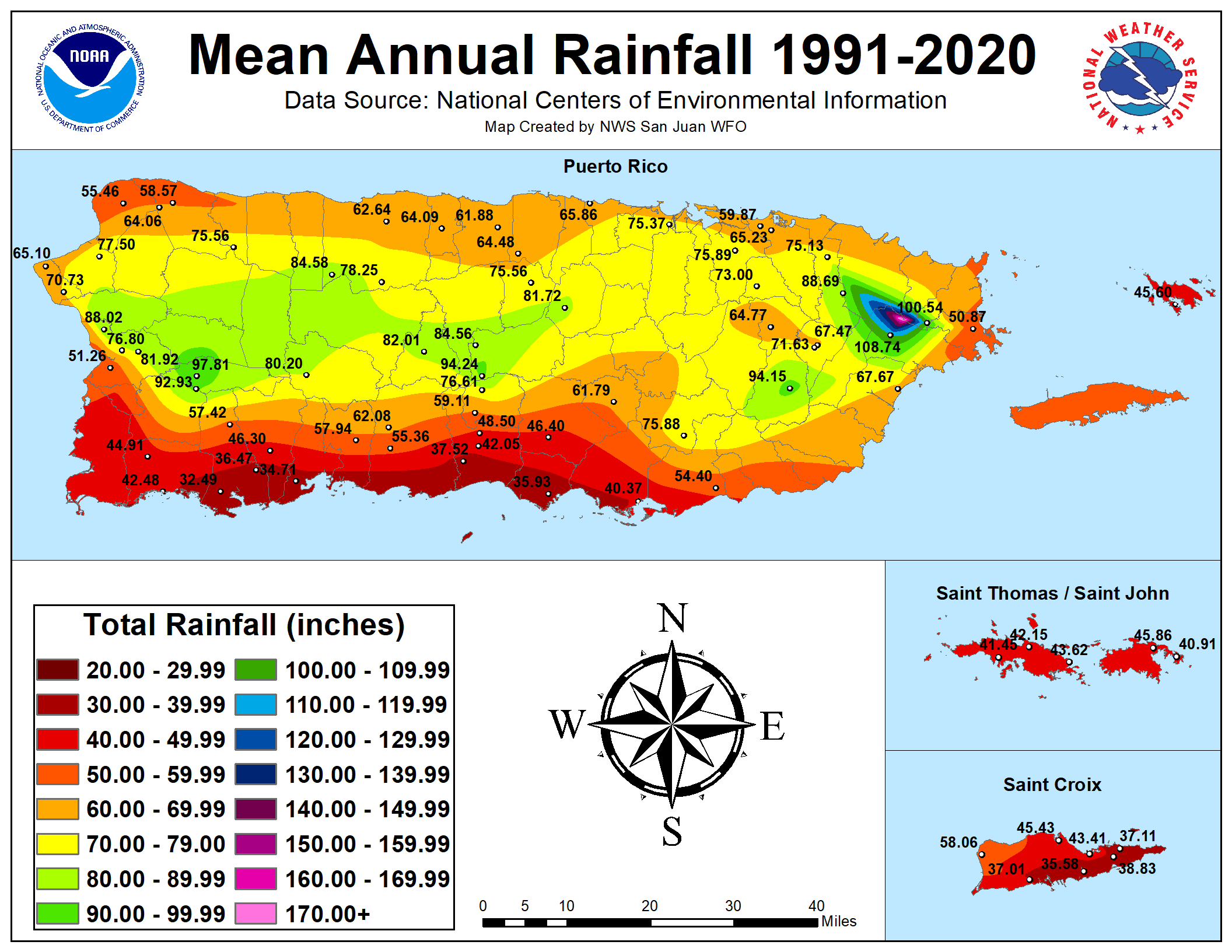
Puerto Rico’s climate is tropical marine, characterized by warm temperatures year-round and distinct wet and dry seasons. The island enjoys average temperatures in the high 70s to low 80s Fahrenheit (around 25-28 degrees Celsius) throughout the year. The variation in rainfall is the most significant factor differentiating the seasons, rather than a dramatic shift in temperature. The north and east coasts tend to receive more rainfall than the south and west coasts due to the prevailing easterly trade winds.
The “Dry” Season: December to May
The period from December to May is generally considered the dry season in Puerto Rico. During these months, you can expect sunnier days with lower humidity and less frequent rainfall. This is often perceived as the peak tourist season, especially during the winter months in North America and Europe, as people seek refuge from colder climates.
Characteristics of the Dry Season:
- Sunny Skies: Predominantly clear skies, ideal for beach activities, exploring historical landmarks, and outdoor adventures.
- Lower Humidity: The air feels more comfortable, making it pleasant to wander through the streets of Old San Juan or hike in the El Yunque National Forest.
- Gentle Breezes: The trade winds are often present, offering a cooling effect.
- Less Frequent Rainfall: While not entirely absent, rain showers are typically brief, often occurring in the late afternoon or overnight, and quickly clearing.
This season is perfect for those who prioritize consistent sunshine for their vacation plans, whether it’s lounging on the beaches of [Cabo Rojo](https://lifeoutofthebox.com/cabo- Rojo) or enjoying water sports in Rincón.
The “Wet” Season: June to November
The period from June to November is typically referred to as the wet season in Puerto Rico. During these months, rainfall increases, and humidity levels rise. However, it’s vital to understand what “rainy season” truly means in a tropical context. It does not necessarily imply constant, all-day rain. Instead, it often means more frequent, sometimes intense, but usually localized showers, often followed by sunshine.
Characteristics of the Wet Season:
- Increased Rainfall: Expect more frequent rain showers, which can range from light drizzles to heavy downpours. These are often short-lived.
- Higher Humidity: The air will feel more humid.
- Potential for Tropical Storms: This period also coincides with the Atlantic hurricane season, which officially runs from June 1 to November 30. While hurricanes are infrequent, tropical storms and heavy rain systems can occur, requiring travelers to stay informed about weather forecasts.
- Lush Greenery: The increased rainfall contributes to the island’s vibrant and lush vegetation, making the landscapes particularly beautiful.
Despite the increased precipitation, the wet season can still offer fantastic travel opportunities, often with fewer crowds and potentially lower prices for accommodations and flights. The rain often cools down the island after humid days, making the evenings more pleasant.
Navigating the Rainy Season: Tips for Travelers
The perception of a “rainy season” can deter some travelers, but with proper planning, visiting Puerto Rico during these months can be just as rewarding. The key is to be flexible and prepared.
Embracing the Rain: What to Expect and How to Adapt
- Shower Patterns: Rain showers are often predictable, frequently occurring in the late afternoon or early evening. Mornings and early afternoons often remain sunny. This allows for ample time for sightseeing and activities.
- Localized Downpours: A shower in one part of the island might not affect another. For instance, it could be raining heavily in San Juan while the beaches in the south are bathed in sunshine.
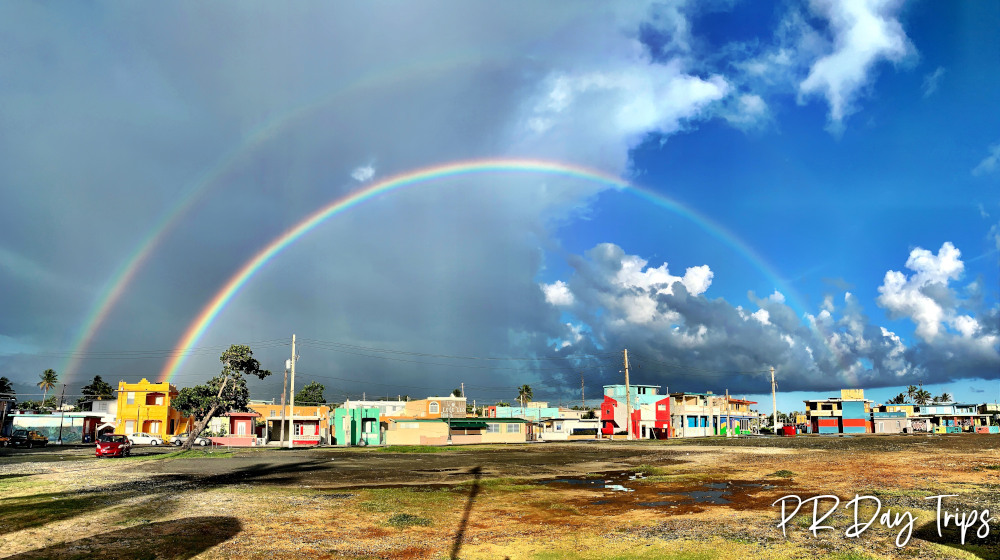
- The Beauty of the Rain: The rain often brings a refreshing coolness and intensifies the vibrant colors of the island’s flora. Waterfalls, such as those found in the Central Mountains, become even more spectacular after rainfall.
- Indoor Activities: The wet season is an excellent time to explore Puerto Rico’s rich cultural offerings. Museums like the Museo de Arte de Puerto Rico in Santurce or the historical forts like Castillo San Felipe del Morro and Castillo San Cristóbal in Old San Juan provide excellent indoor experiences. You can also indulge in the local culinary scene, visiting numerous restaurants and cafes.
Practical Preparations for Rainy Season Travel
- Pack Appropriately: Include a lightweight, waterproof jacket or poncho. An umbrella is also a sensible addition. Quick-drying clothing and waterproof footwear can be very useful.
- Flexibility in Itinerary: Be prepared to adjust your plans based on weather conditions. Have backup indoor activities or alternative destinations in mind.
- Stay Informed: Monitor weather forecasts regularly. Websites and apps that provide real-time weather updates for Puerto Rico are invaluable. Pay attention to advisories from the National Hurricane Center if traveling during hurricane season.
- Choose Accommodation Wisely: If you’re particularly concerned about weather, consider accommodations with good amenities for indoor relaxation. However, even a beachfront hotel in Isla Verde can offer stunning views even during a rain shower.
- Travel Insurance: It is always prudent to have comprehensive travel insurance that covers weather-related disruptions or cancellations.
The Nuances of “Rainy Season” in Different Regions
Puerto Rico’s geography influences its rainfall patterns. The prevailing easterly trade winds carry moisture from the Atlantic Ocean, leading to higher rainfall in the mountainous interior and the northeastern parts of the island.
The North and East Coasts: The “Rain Belt”
Regions like San Juan, Luquillo, and the slopes of El Yunque National Forest typically experience more rainfall throughout the year, especially during the wet season. This doesn’t mean constant rain, but more frequent passing showers. This consistent moisture contributes to the incredible biodiversity and lush rainforest scenery that makes places like El Yunque so captivating.
The South and West Coasts: The “Dryer” Side
Areas like Ponce, Mayagüez, and the southwestern coast, including Cabo Rojo, often receive less rainfall. They tend to be sunnier and drier, even during the traditional wet season. This makes these regions very popular for beach-goers and those seeking guaranteed sunshine. However, they are not immune to tropical storm activity.
Hurricane Season: A Special Consideration
The Atlantic hurricane season, from June 1 to November 30, is an important factor to consider when planning travel to Puerto Rico. While Puerto Rico is not hit by a hurricane every year, the possibility exists.
Preparing for Hurricane Season:
- Stay Informed: Monitor official weather advisories from the National Hurricane Center and local authorities.
- Accommodation Preparedness: Major hotels and resorts are well-equipped to handle tropical weather events, often having emergency procedures in place.
- Flexibility and Contingency Plans: Be prepared for potential travel disruptions. Flights can be delayed or canceled, and inter-island travel may be affected.
- Emergency Supplies: While not typically required for most tourists, understanding basic emergency preparedness can be beneficial.
The impact of hurricanes can vary significantly, from minor disturbances with heavy rain and wind to devastating storms. However, the vast majority of the hurricane season passes without major incident, and traveling during this time can offer advantages like lower prices and fewer crowds.

Beyond the Rain: The Allure of Puerto Rico Year-Round
Ultimately, the “rainy season” in Puerto Rico should be viewed not as a deterrent but as a natural part of the island’s vibrant ecosystem. The increased rainfall contributes to the breathtaking natural beauty, from the verdant rainforests to the cascading waterfalls. Moreover, the more frequent showers often bring a refreshing coolness, making the exploration of its rich history, vibrant culture, and delicious cuisine an enjoyable experience regardless of the weather. By understanding the patterns and preparing accordingly, travelers can savor the magic of Puerto Rico at any time of the year.
LifeOutOfTheBox is a participant in the Amazon Services LLC Associates Program, an affiliate advertising program designed to provide a means for sites to earn advertising fees by advertising and linking to Amazon.com. Amazon, the Amazon logo, AmazonSupply, and the AmazonSupply logo are trademarks of Amazon.com, Inc. or its affiliates. As an Amazon Associate we earn affiliate commissions from qualifying purchases.