
Puerto Rico, a captivating Caribbean jewel, beckons travelers with its vibrant culture, stunning natural beauty, and rich history. Deciding on the optimal time to visit this enchanting island hinges on a careful consideration of weather patterns, seasonal events, and the kind of experience you’re seeking. Whether you’re drawn to the sun-drenched beaches, the lush rainforests, or the energetic urban centers, understanding the nuances of Puerto Rico’s climate and activity calendar will ensure your trip is nothing short of spectacular.
Understanding Puerto Rico’s Climate
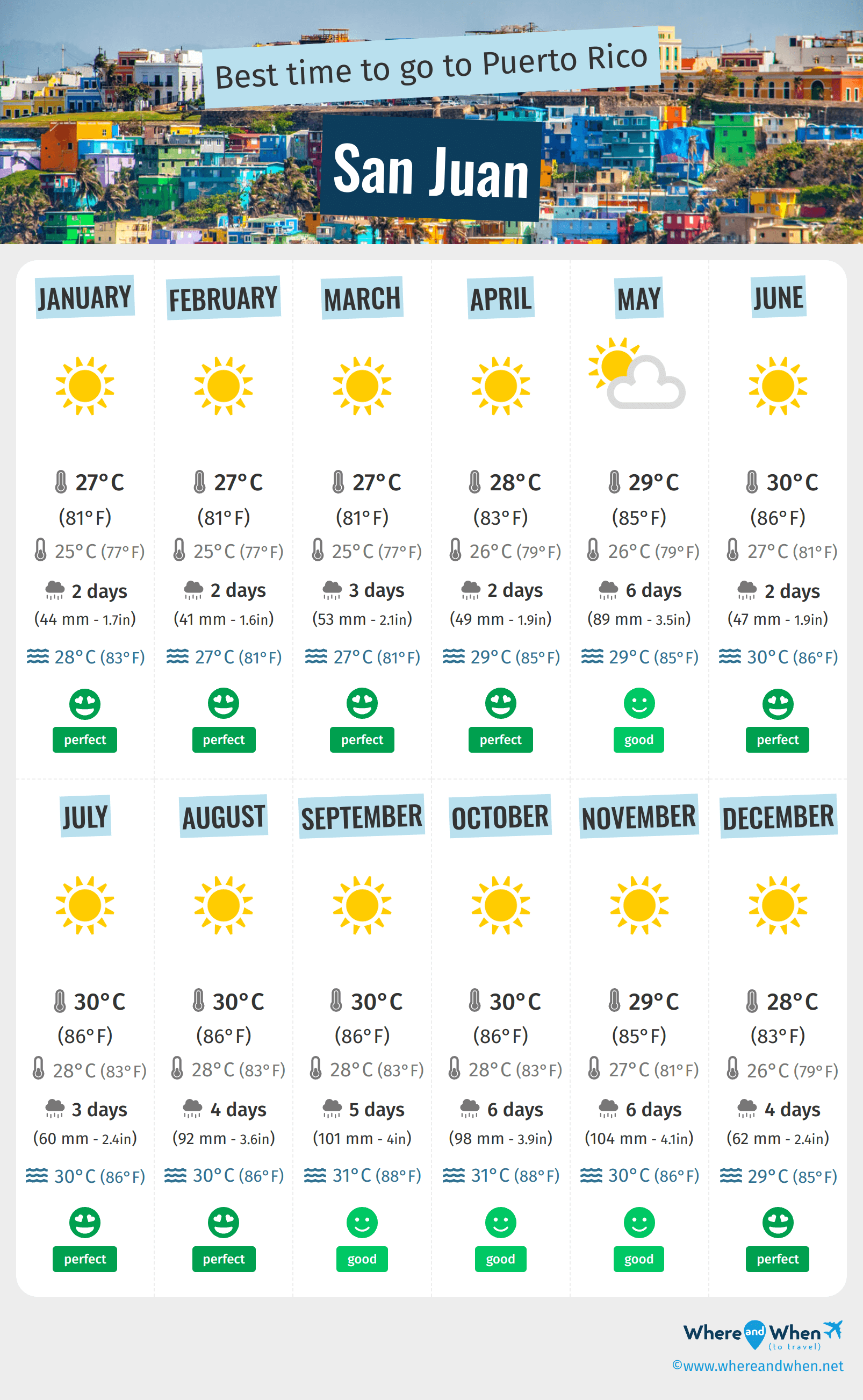
Puerto Rico boasts a tropical maritime climate, characterized by warm temperatures year-round and distinct wet and dry seasons. The island’s location in the tropics means that average daily temperatures hover around a pleasant 80°F (27°C) throughout the year. However, this consistent warmth is accompanied by varying levels of humidity and rainfall, which are the primary factors that differentiate the seasons for visitors.

The Dry Season (Mid-December to Mid-April)
This period is widely considered the prime time to visit Puerto Rico, especially for those seeking abundant sunshine and minimal rain. The trade winds, which are more pronounced during these months, help to keep temperatures comfortable and the humidity levels more manageable.
- Weather: Expect consistently sunny skies, with very little rainfall. Evenings are typically mild and balmy. This is the ideal weather for beach activities, exploring the historic streets of [Old San Juan](https://lifeoutofthebox.com/old-san- જુয়ান), and embarking on outdoor adventures.
- Crowds: As this is the most popular time to visit, expect larger crowds, particularly during the Christmas and New Year holidays, as well as around Easter. Accommodations and flights may be more expensive during these peak periods.
- Activities: This season is perfect for water sports like surfing in Rincón, snorkeling and diving in the pristine waters off Culebra and Vieques, and hiking through the El Yunque National Forest. The dry conditions also make it easier to explore archaeological sites and enjoy outdoor dining.
The Wet Season (May to November)
While often referred to as the “wet season,” this period doesn’t mean continuous downpours. Instead, it’s characterized by increased humidity and a higher chance of afternoon showers and thunderstorms. These tropical showers are often brief and localized, usually clearing up quickly to reveal sunshine.
- Weather: Temperatures remain warm, but the humidity can be more noticeable. Expect occasional heavy, but typically short-lived, rain showers, especially in the afternoons. The island becomes incredibly lush and verdant during these months.
- Crowds: This is considered the shoulder or low season, meaning fewer crowds and potentially lower prices for flights and accommodations. This can be an excellent time for budget-conscious travelers or those who prefer a more laid-back experience.
- Activities: Despite the rain, many activities remain enjoyable. The showers often bring a refreshing respite from the heat. You can still enjoy beaches, explore museums in Ponce, and savor the local cuisine. The reduced crowds can make popular attractions more accessible. However, it’s wise to be flexible with your outdoor plans, as prolonged rain can occur.
Hurricane Season
It is crucial to note that Puerto Rico falls within the Atlantic hurricane belt. Hurricane season officially runs from June 1st to November 30th, with the peak typically occurring from August through October.
- Impact: While hurricanes are unpredictable, they can significantly disrupt travel plans, leading to flight cancellations, hotel closures, and safety concerns.
- Preparation: If traveling during this period, it is essential to purchase travel insurance that covers weather-related cancellations and closely monitor weather forecasts. Many hotels offer flexible cancellation policies during hurricane season.
- Benefits of Traveling Off-Peak: For travelers willing to take a calculated risk and who are prepared for potential weather disruptions, visiting during the shoulder months of this season (early June or late November) can offer the best of both worlds: fewer crowds and lower prices, with a reduced, though not eliminated, risk of severe weather.
Seasonal Highlights and Events
Beyond the weather, Puerto Rico’s vibrant calendar is punctuated by a variety of festivals and cultural events that can enhance your visit.
Festive Holidays and Celebrations
- Christmas and Epiphany (Diciembre-Enero): Puerto Rico celebrates Christmas with unparalleled enthusiasm, often extending festivities well into January. The island is adorned with festive decorations, and streets come alive with music and celebrations. The Feast of the Three Kings on January 6th is particularly significant, with parades and gift-giving traditions. This is a magical time to experience the island’s vibrant culture, but also the busiest and most expensive.
- Carnaval de Ponce (Febrero/Marzo): One of the oldest and most spectacular carnivals in the Caribbean, the Carnaval de Ponce is a vibrant explosion of color, music, and dancing. Attendees flock to witness the traditional “vejigantes” in their elaborate masks and costumes. This event offers a deep dive into Ponce’s unique cultural heritage.
- Semana Santa (Marzo/Abril): While not as boisterous as Christmas, Holy Week is observed with solemn religious processions and cultural traditions across the island, especially in smaller towns and villages.
Cultural and Music Festivals
- Festival de la Salsa (Marzo/Abril): Held annually, this electrifying festival celebrates the vibrant salsa music scene of Puerto Rico, attracting renowned artists and dancers from around the globe. It’s a must-attend for music lovers.
- Festival Casals (Junio): A prestigious classical music festival that honors the legacy of cellist Pablo Casals, featuring world-class musicians performing in various venues, primarily in San Juan.
- Festival Nacional de Bomba y Plena (Julio): This festival showcases Puerto Rico’s traditional Afro-Caribbean music and dance forms, Bomba and Plena. It’s a lively celebration of the island’s rich musical heritage, often held in coastal towns.
Tailoring Your Visit to Your Interests
When planning your trip, consider what type of experience you envision.
For the Beach Lover and Water Sports Enthusiast
If your primary goal is to bask on pristine beaches and engage in water activities, the dry season, from mid-December to mid-April, is your best bet. The calm, clear waters are ideal for swimming, snorkeling, and diving. The consistent sunshine ensures you can maximize your time by the ocean. For surfers, the winter months (December to February) bring larger swells, making spots like Rincón world-renowned.
For the Culture and History Buff
Puerto Rico’s historical sites and cultural experiences are accessible year-round. However, the slightly cooler and drier conditions of the dry season make exploring the cobblestone streets of [Old San Juan](https://lifeoutofthebox.com/old-san- જુয়ান), visiting historic forts like Castillo San Felipe del Morro, and wandering through the museums of Ponce particularly comfortable. The shoulder months of the wet season (May, November) can offer fewer crowds at these popular historical attractions.
For the Nature Explorer and Hiker
The lush landscapes of El Yunque National Forest are at their most vibrant during the wet season, thanks to the increased rainfall that nourishes the dense vegetation. While showers are common, they are usually brief, and the increased greenery offers a spectacular visual reward. Visiting in the months of May or November can provide a good balance of lush scenery and manageable weather, avoiding the peak heat and humidity of mid-summer and the higher hurricane risk in late autumn.
For the Budget Traveler
To experience the magic of Puerto Rico without breaking the bank, consider visiting during the shoulder seasons, which generally fall in late April to May and September to November. During these periods, you’ll find lower airfares and accommodation rates, along with fewer crowds. However, it’s crucial to remain mindful of the hurricane season when traveling in the latter half of the year. Traveling in early June or late November offers a good compromise of affordability and reduced weather risk.
Making the Final Decision
Ultimately, the “best” time to visit Puerto Rico is subjective and depends on your personal preferences and priorities.
- For guaranteed sunshine and ideal beach weather: Aim for December to April. Be prepared for higher prices and more fellow travelers.
- For vibrant festivals and a festive atmosphere: Consider the period around Christmas and Epiphany, or time your visit with specific events like the Carnaval de Ponce.
- For lush landscapes and fewer crowds: The wet season (May to November) offers its own unique charm, especially if you’re prepared for occasional rain.
- For budget-conscious travel: Explore the shoulder months of April-May and September-November, but stay informed about weather forecasts.
No matter when you choose to visit, Puerto Rico promises an unforgettable journey filled with warmth, beauty, and cultural richness. By understanding the island’s climate and event calendar, you can craft a trip that perfectly aligns with your travel aspirations.
LifeOutOfTheBox is a participant in the Amazon Services LLC Associates Program, an affiliate advertising program designed to provide a means for sites to earn advertising fees by advertising and linking to Amazon.com. Amazon, the Amazon logo, AmazonSupply, and the AmazonSupply logo are trademarks of Amazon.com, Inc. or its affiliates. As an Amazon Associate we earn affiliate commissions from qualifying purchases.