
An Archipelago of Enchantment in the Caribbean
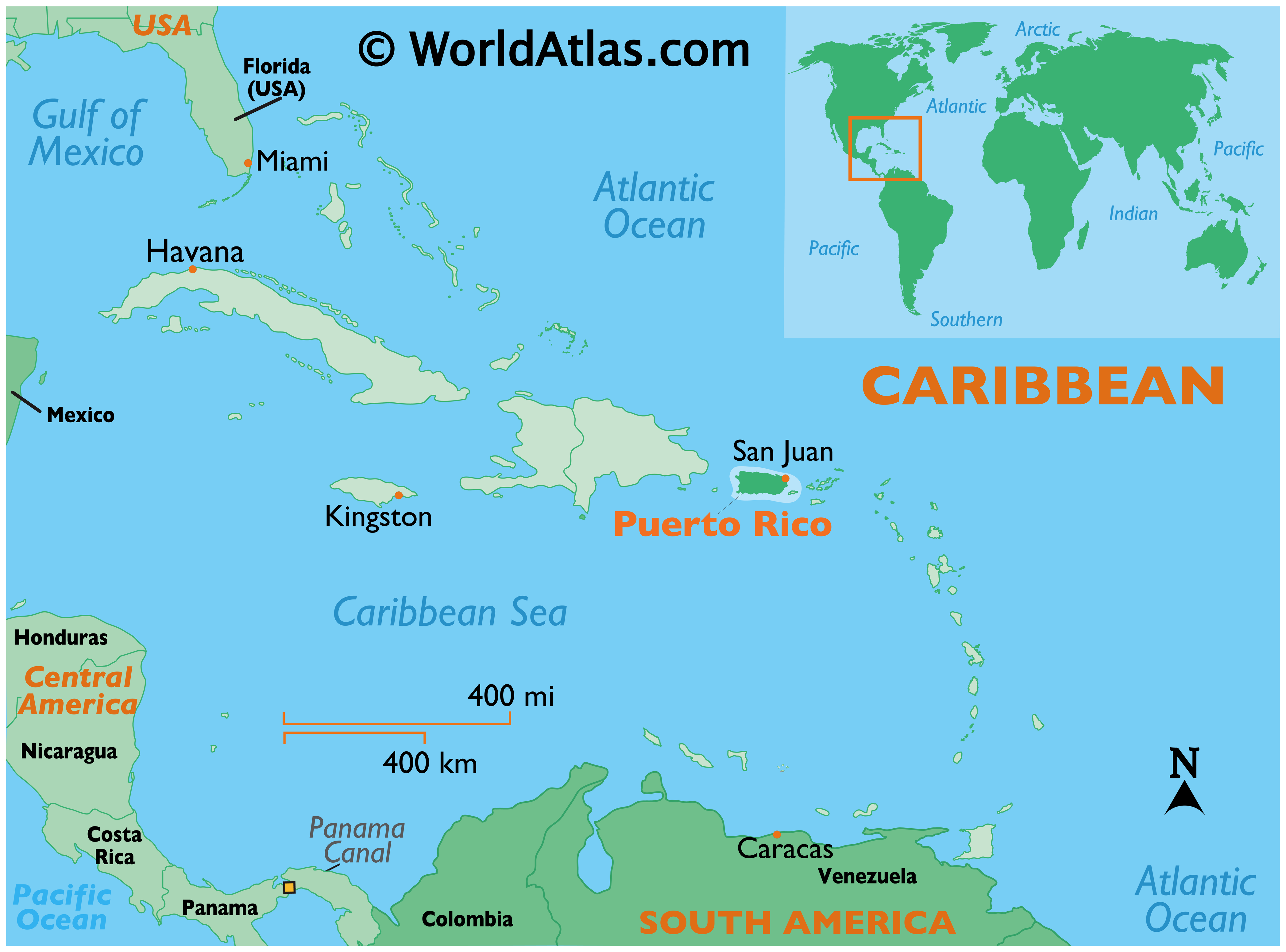
Nestled in the northeastern Caribbean Sea, Puerto Rico is a captivating island territory of the United States, offering a unique blend of vibrant culture, breathtaking natural beauty, and rich history. Often referred to as “La Isla del Encanto” (The Island of Enchantment), it forms the easternmost island of the Greater Antilles archipelago. Its geographical position places it strategically, south of Florida, east of the Dominican Republic, and west of the Lesser Antilles, bathed by the Atlantic Ocean to the north and the Caribbean Sea to the south. This prime location has historically made it a crucial crossroads for trade and cultural exchange, shaping its distinctive identity.
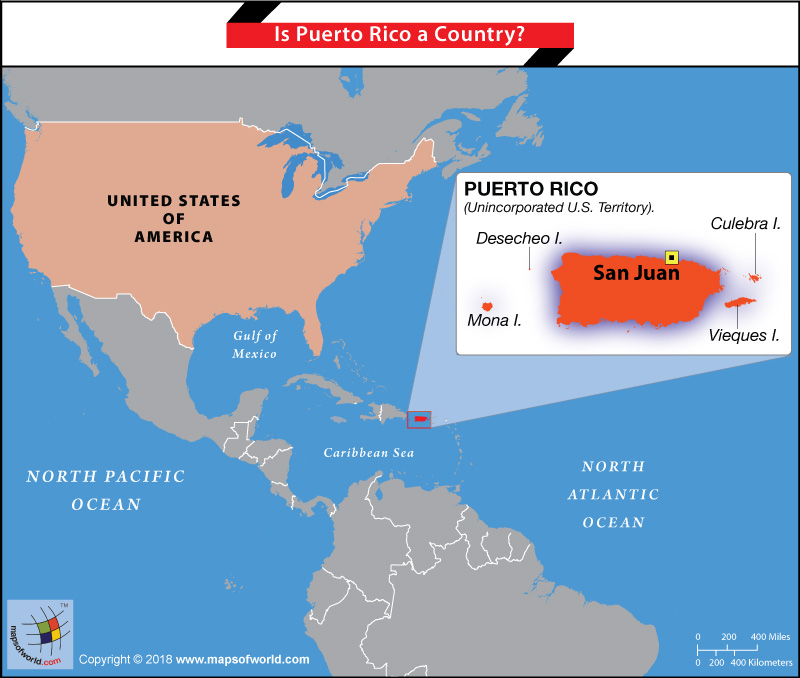
The island itself is the main landmass, a rectangular-shaped territory with a mountainous interior, verdant rainforests, and a coastline fringed with stunning beaches. Beyond the main island, Puerto Rico encompasses a scattering of smaller islands and cays, including Vieques, Culebra, and Mona Island, each possessing its own unique charm and allure. These surrounding islets further expand the archipelago’s appeal, offering diverse landscapes and experiences for intrepid explorers. Understanding Puerto Rico’s location is the first step to unlocking its myriad wonders, from the bustling streets of San Juan to the serene, bioluminescent bays that glow with an otherworldly light.
The Island’s Strategic Position and Its Impact
Puerto Rico’s placement within the Caribbean has profoundly influenced its development and character. As a gateway between North and South America, and a vital hub in the Atlantic shipping lanes, the island has witnessed centuries of exploration, settlement, and exchange. This strategic advantage, recognized by early navigators and later by colonial powers, has left an indelible mark on its architecture, language, and traditions. The legacy of the Spanish, who first arrived in the late 15th century, is particularly evident, with their influence woven into the very fabric of island life.
Its proximity to mainland United States also plays a significant role in its contemporary status and accessibility. For many travelers from the U.S., Puerto Rico offers an exotic international experience without requiring a passport, making it an exceptionally convenient destination for quick getaways or longer explorations. This unique political and geographical relationship simplifies travel logistics, encouraging a steady flow of visitors keen to experience the island’s offerings. The island’s location is not just a point on a map; it’s a dynamic intersection of cultures and opportunities, a place where historical narratives are continuously being written.
Discovering Puerto Rico: A Tapestry of Natural Wonders and Cultural Delights
Puerto Rico is far more than just a dot on the map; it is a destination brimming with diverse ecosystems, from the misty peaks of its central mountains to the vibrant coral reefs offshore. The island’s topography is a significant contributor to its varied climate and a draw for nature enthusiasts and adventurers alike.
The Majestic Interior: Mountains, Rainforests, and Cascades
Dominating the interior of the island is the Cordillera Central, a mountain range that forms the backbone of Puerto Rico. Within this rugged landscape lies the renowned El Yunque National Forest, the only tropical rainforest in the U.S. National Forest System. This ecological treasure trove is a sanctuary for an astonishing array of flora and fauna, including the endangered Puerto Rican parrot. Hiking trails wind through the dense foliage, leading to spectacular waterfalls such as the La Mina Falls and the Juan Diego Falls, where visitors can cool off in pristine natural pools. The air is thick with the scent of damp earth and exotic blossoms, and the symphony of coqui frogs and tropical birds creates an immersive sensory experience.
Further exploration of the Cordillera Central reveals charming mountain towns like Ponce, the island’s second-largest city, known for its well-preserved colonial architecture and vibrant arts scene. The scenic drives through these highlands offer panoramic vistas, revealing terraced farms and hidden valleys. For those seeking a cooler climate and a respite from the coastal heat, the mountains provide a refreshing escape. The natural springs and rivers that flow from these elevated regions nourish the island, supporting its lush vegetation and providing essential water resources.
The Enchanting Coastline: Beaches, Bays, and Marine Life
Puerto Rico’s coastline is a masterpiece of natural artistry, characterized by miles of pristine beaches, crystal-clear waters, and dramatic cliffs. From the popular surf breaks of Rincón on the west coast to the tranquil, palm-fringed sands of Luquillo on the northeast, there is a beach to suit every preference. The calm, turquoise waters of the southern coast are perfect for swimming and snorkeling, while the northern and western shores offer thrilling waves for surfers.
Beyond the sandy shores, Puerto Rico is celebrated for its unique bioluminescent bays. The Bahía Mosquito on Vieques is the brightest and most famous, where microscopic organisms illuminate the water with an ethereal blue-green glow when disturbed. Kayaking or swimming in these bays at night is an unforgettable, almost magical, experience. The waters surrounding Puerto Rico are also teeming with marine life, making it a prime destination for diving and snorkeling. The Mona Passage, a strait between Puerto Rico and the Dominican Republic, is known for its rich biodiversity and is a critical habitat for marine mammals and large fish. Coral reefs, though facing challenges, continue to support a vibrant ecosystem, showcasing the island’s underwater splendor.
Experiencing Puerto Rico: A Blend of Adventure and Relaxation
Puerto Rico offers a diverse range of activities that cater to every type of traveler. Whether you are seeking adrenaline-pumping adventures, cultural immersion, or simply a chance to unwind on a sun-drenched beach, the island delivers.
Embracing the Outdoors: Adventure Awaits
For the adventurous spirit, Puerto Rico is a playground. The lush interior offers opportunities for ziplining through the rainforest canopy, rappelling down waterfalls, and exploring hidden caves. Hiking in El Yunque National Forest provides a chance to connect with nature, with trails ranging from easy strolls to challenging treks. The mountains also offer opportunities for mountain biking and horseback riding, allowing visitors to experience the rugged beauty of the island’s interior at their own pace.
The coastline beckons with water sports. Surfing in Rincón is legendary, attracting wave riders from around the globe. Kayaking and paddleboarding are popular in calmer waters, offering a serene way to explore bays and mangrove forests. For those who prefer to stay dry, catamaran tours along the coast provide stunning views and opportunities to spot dolphins and other marine life. The clear waters also make for exceptional scuba diving and snorkeling experiences, allowing exploration of vibrant coral reefs and shipwrecks.
Cultural Immersion: History, Music, and Gastronomy
Puerto Rico’s rich cultural heritage is a captivating aspect of any visit. The historic district of Old San Juan, a UNESCO World Heritage Site, is a must-see. Its cobblestone streets, colorful colonial buildings, and imposing fortresses, including Castillo San Felipe del Morro and Castillo San Cristóbal, transport visitors back in time. Wandering through these fortifications, one can almost hear the echoes of centuries of history.
The island’s music is infectious, with salsa, reggaeton, and bomba rhythms permeating the air. Experiencing live music in local bars or during festivals is a quintessential Puerto Rican experience. The vibrant arts scene is evident in numerous galleries and street art installations across the island.
No exploration of Puerto Rico is complete without indulging in its delectable cuisine. Mofongo, a dish made from fried plantains, is a national treasure. Other local delicacies include lechón (roasted pig), arroz con gandules (rice with pigeon peas), and tembleque (coconut pudding). The island’s culinary landscape is a fusion of Taino, Spanish, African, and American influences, offering a diverse and satisfying gastronomic journey. From street food vendors selling empanadillas to upscale restaurants, the flavors of Puerto Rico are an integral part of its charm.
Planning Your Journey: Navigating Puerto Rico
Understanding Puerto Rico’s location and its logistical nuances is key to planning a seamless and enjoyable visit. As a territory of the United States, it offers a unique travel experience with familiar conveniences for many international travelers.
Getting There and Getting Around
The primary gateway to Puerto Rico is Luis Muñoz Marín International Airport (SJU) in San Juan, which receives numerous direct flights from major cities across the United States and other international destinations. For those traveling from the U.S. mainland, the process is akin to domestic travel, with no passport required for U.S. citizens.
Once on the island, several transportation options are available. Renting a car is highly recommended for exploring beyond San Juan and accessing the diverse natural attractions. The island has a network of highways and roads, though driving can be an adventure, especially in mountainous areas. Taxis and ride-sharing services are readily available in urban areas like San Juan. For inter-island travel, small planes and ferries connect the main island to its smaller counterparts like Vieques and Culebra.

Accommodation and Essential Travel Tips
Puerto Rico offers a wide spectrum of accommodation options, catering to all budgets and preferences. From luxury resorts and boutique hotels in San Juan to charming guesthouses and beachfront villas in more remote areas, visitors can find their ideal stay. Many hotels and resorts offer extensive amenities, including swimming pools, spas, and on-site dining, providing a comfortable base for exploring the island.
When visiting, it’s advisable to pack light clothing, swimwear, sunscreen, and insect repellent, especially if planning to explore the rainforest or coastal areas. The currency is the U.S. dollar, simplifying transactions for visitors from the United States. While Spanish is the official language, English is widely spoken in tourist areas, making communication generally easy. Embracing the relaxed island pace, often referred to as “Puerto Rican time,” is part of the experience, encouraging visitors to slow down and savor the moments. From its geographic heart to its vibrant shores, Puerto Rico awaits discovery.
LifeOutOfTheBox is a participant in the Amazon Services LLC Associates Program, an affiliate advertising program designed to provide a means for sites to earn advertising fees by advertising and linking to Amazon.com. Amazon, the Amazon logo, AmazonSupply, and the AmazonSupply logo are trademarks of Amazon.com, Inc. or its affiliates. As an Amazon Associate we earn affiliate commissions from qualifying purchases.