
The question of distance between San Francisco and Napa is a common one for those looking to experience the iconic Golden Gate City and then immerse themselves in the world-renowned wine country. While seemingly close on a map, understanding the nuances of travel time, modes of transport, and the journey itself can significantly enhance your planning. Napa Valley, a jewel of California, beckons with its picturesque vineyards, sophisticated wineries, and exceptional culinary scene, making it a prime day trip or a relaxed extension of a San Francisco visit.
The Direct Distance and Travel Time
The most direct route from San Francisco to Napa, CA, is approximately 45 to 50 miles (72 to 80 kilometers). This figure, however, represents a straight-line measurement and doesn’t account for the actual roads you’ll travel. The actual driving distance is slightly longer, typically around 55 to 60 miles (88 to 96 kilometers), depending on your exact starting point in San Francisco and your final destination within Napa Valley.

Driving: The Most Common Approach
Driving is by far the most popular and flexible way to travel between San Francisco and Napa. The journey typically takes anywhere from 1 hour to 1 hour and 30 minutes, heavily influenced by traffic conditions.
- Route Options: The most common route involves taking US-101 North across the Golden Gate Bridge, followed by CA-37 East, and then merging onto CA-29 North, which is the main artery through Napa Valley. Another option, often considered more scenic but potentially slower, involves taking I-580 East to Vallejo and then connecting to CA-29 North.
- Traffic Considerations: San Francisco and its surrounding Bay Area are notorious for their traffic, especially during peak commute hours. Traveling between 7:00 AM and 9:30 AM, and again between 4:00 PM and 6:30 PM on weekdays, can add significant time to your journey. Weekend traffic, particularly on Friday afternoons and Sunday evenings, can also be heavy as people travel to and from wine country. For the most efficient drive, aim to depart San Francisco early in the morning or mid-afternoon.
- Tolls: Be aware that crossing the Golden Gate Bridge from San Francisco into Marin County involves a toll. The toll is collected electronically, and you can find current rates and payment options on the Golden Gate Bridge Highway and Transportation District website.
Alternative Modes of Transportation
While driving offers unparalleled flexibility, other options cater to different preferences and needs for traveling from San Francisco to Napa.
Ride-Sharing and Taxis
For those who prefer not to drive or wish to indulge in wine tasting without the concern of driving, ride-sharing services like Uber and Lyft, as well as traditional taxis, are readily available in San Francisco.
- Convenience and Cost: Ride-sharing can be a convenient option, especially if you’re staying in a central San Francisco location and heading directly to your Napa destination. However, the cost can be substantial for this distance, particularly during peak demand times. It’s advisable to check estimated fares in advance.
- Booking in Advance: For a guaranteed ride, especially for a return trip from Napa Valley, it’s wise to pre-book your taxi or arrange your ride-share in advance. Cell service can be spotty in some parts of Napa Valley, making on-demand booking challenging.
Public Transportation: A More Adventurous Route
While direct public transport from San Francisco to Napa Valley is not as seamless as driving, it is possible with a combination of services. This option is best suited for the more intrepid traveler who values the journey and budget considerations.
- Ferry and Bus Combination: One popular public transport route involves taking a ferry from the San Francisco Ferry Building or Pier 41 to Vallejo. The scenic ferry ride offers fantastic views of the San Francisco skyline, Alcatraz, and the bay. From Vallejo, you can then catch a bus service, such as Napa Valley Transit, which will take you into the heart of Napa and its surrounding towns like Yountville, St. Helena, and Calistoga.
- Time Investment: This method requires more time and planning. The ferry ride itself can take approximately 45 minutes to an hour, plus boarding and disembarking. The subsequent bus journey can add another 30 to 60 minutes depending on your final stop within Napa Valley. Factor in wait times between services, and this can easily become a half-day endeavor.
- Advantages: The primary advantages are the cost savings compared to driving or ride-sharing and the unique perspective offered by the ferry and bus journeys, allowing you to soak in the local scenery and atmosphere.
Organized Tours and Wine Country Shuttles
For a hassle-free and often educational experience, numerous tour operators offer organized day trips or multi-day excursions from San Francisco to Napa Valley.
- All-Inclusive Packages: These tours typically include transportation from San Francisco, visits to several wineries with pre-arranged tastings, and sometimes lunch. This is an excellent option for those who want to fully immerse themselves in the wine-tasting experience without worrying about logistics or designated drivers.
- Variety of Options: You’ll find a wide range of tours, from large group bus tours to smaller, more intimate van tours. Some focus on specific types of wineries (e.g., boutique, organic), while others offer a broader overview of the valley.
- Booking: It’s essential to book these tours in advance, especially during peak season. Research different operators to find one that aligns with your interests and budget. Many San Francisco hotels can assist with recommendations and bookings.
The Journey Itself: More Than Just Distance
The journey from San Francisco to Napa isn’t just about covering miles; it’s an experience that bridges two distinct Californian worlds. As you leave the urban sprawl of San Francisco, the landscape gradually transforms.
Crossing the Golden Gate Bridge
The iconic Golden Gate Bridge is often the first major landmark on the journey. Driving or being driven across this majestic orange structure provides breathtaking panoramic views of the city, the Pacific Ocean, and Alcatraz Island. The cool, often foggy, air that frequently envelops the bridge adds to its mystique.
Transitioning to the Countryside
After crossing the bridge, the route shifts. US-101 North takes you through Marin County, offering glimpses of rolling hills and suburban communities. As you transition to CA-37 East and then CA-29 North, the scenery begins to open up. The urban density gives way to more expansive skies and the first hints of agricultural landscapes.
Entering Napa Valley
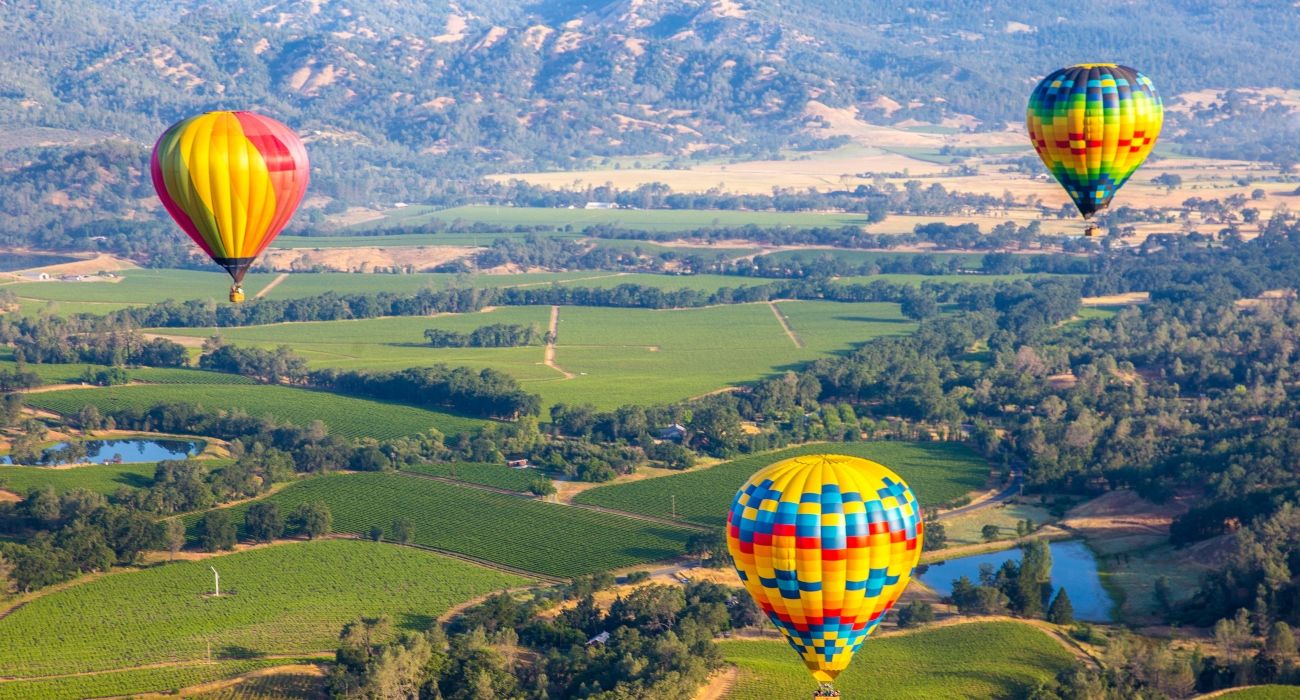
The true transformation occurs as you enter Napa Valley. The rolling hills become more pronounced, and vineyards begin to dominate the landscape. Quaint towns like American Canyon, Napa, Yountville, St. Helena, and Calistoga dot the valley floor, each with its unique charm and character. The air often carries the scent of earth, grapevines, and, depending on the season, the subtle aroma of fermentation.
Maximizing Your Trip: Timing and Considerations
Understanding the distance is only the first step. To truly make the most of your trip from San Francisco to Napa, consider these logistical and experiential factors.
Day Trip vs. Overnight Stay
- Day Trip: A day trip is feasible, especially if you have a limited time. You can depart San Francisco early, spend several hours exploring one or two wineries, enjoy lunch, and return by evening. However, this can feel rushed, especially if you wish to visit multiple locations or fully appreciate the wine-tasting process.
- Overnight Stay: For a more relaxed and immersive experience, an overnight stay in Napa Valley is highly recommended. This allows you to explore more wineries, savor leisurely meals, perhaps enjoy a spa treatment, and experience the valley’s ambiance at a slower pace. Many excellent hotels, inns, and resorts are available throughout Napa Valley, catering to various budgets and styles.
Best Time to Visit Napa Valley
While Napa Valley is a year-round destination, the best time to visit often depends on what you hope to experience.
- Spring (March-May): The vineyards are vibrant green with new growth, and wildflowers bloom. The weather is typically pleasant, though occasional rain is possible.
- Summer (June-August): This is the peak season, with warm, dry weather perfect for outdoor activities. However, it’s also the most crowded and expensive time.
- Fall (September-November): Harvest season is a magical time. The leaves on the vines turn to beautiful shades of red, orange, and gold. The air is crisp, and the valley is alive with the energy of the grape harvest. This is another popular and often pricier period.
- Winter (December-February): The valley is quieter, and accommodation prices tend to be lower. While some wineries might have reduced hours, it’s still a wonderful time to visit, especially for those who appreciate a more serene atmosphere and enjoy the cozy ambiance of fireside wine tastings.

Planning Your Itinerary
Whether you’re driving yourself, using ride-sharing, or on an organized tour, having a rough itinerary is key. Research wineries in advance, considering their location, the types of wines they produce, and whether reservations are required for tastings or tours. Many wineries in Napa Valley require advance reservations, particularly for larger groups or during peak times.
The distance between San Francisco and Napa, CA, is manageable and opens up a world of experiences. By understanding the travel times, various transportation options, and the nuances of the journey, you can plan a seamless and unforgettable trip to one of California’s most celebrated destinations.
LifeOutOfTheBox is a participant in the Amazon Services LLC Associates Program, an affiliate advertising program designed to provide a means for sites to earn advertising fees by advertising and linking to Amazon.com. Amazon, the Amazon logo, AmazonSupply, and the AmazonSupply logo are trademarks of Amazon.com, Inc. or its affiliates. As an Amazon Associate we earn affiliate commissions from qualifying purchases.