
As a premier global destination, San Francisco consistently draws millions of visitors eager to experience its iconic landmarks, vibrant culture, and stunning natural beauty. However, like many large urban centers, San Francisco faces its share of challenges, leading many prospective travelers to inquire about its safety. This guide aims to provide an objective and comprehensive overview to help you plan a secure and enjoyable trip to this captivating city.
Understanding Crime and Safety in San Francisco
It’s crucial to approach the question of safety in San Francisco with nuance. National and international media often highlight crime statistics, which can paint a broad picture. While San Francisco has experienced increases in certain types of crime, particularly property crime like car break-ins, the vast majority of visitors have safe and uneventful experiences. Understanding where and when certain risks might be elevated, and adopting sensible precautions, are key to mitigating any potential issues.
Property Crime: A Persistent Concern
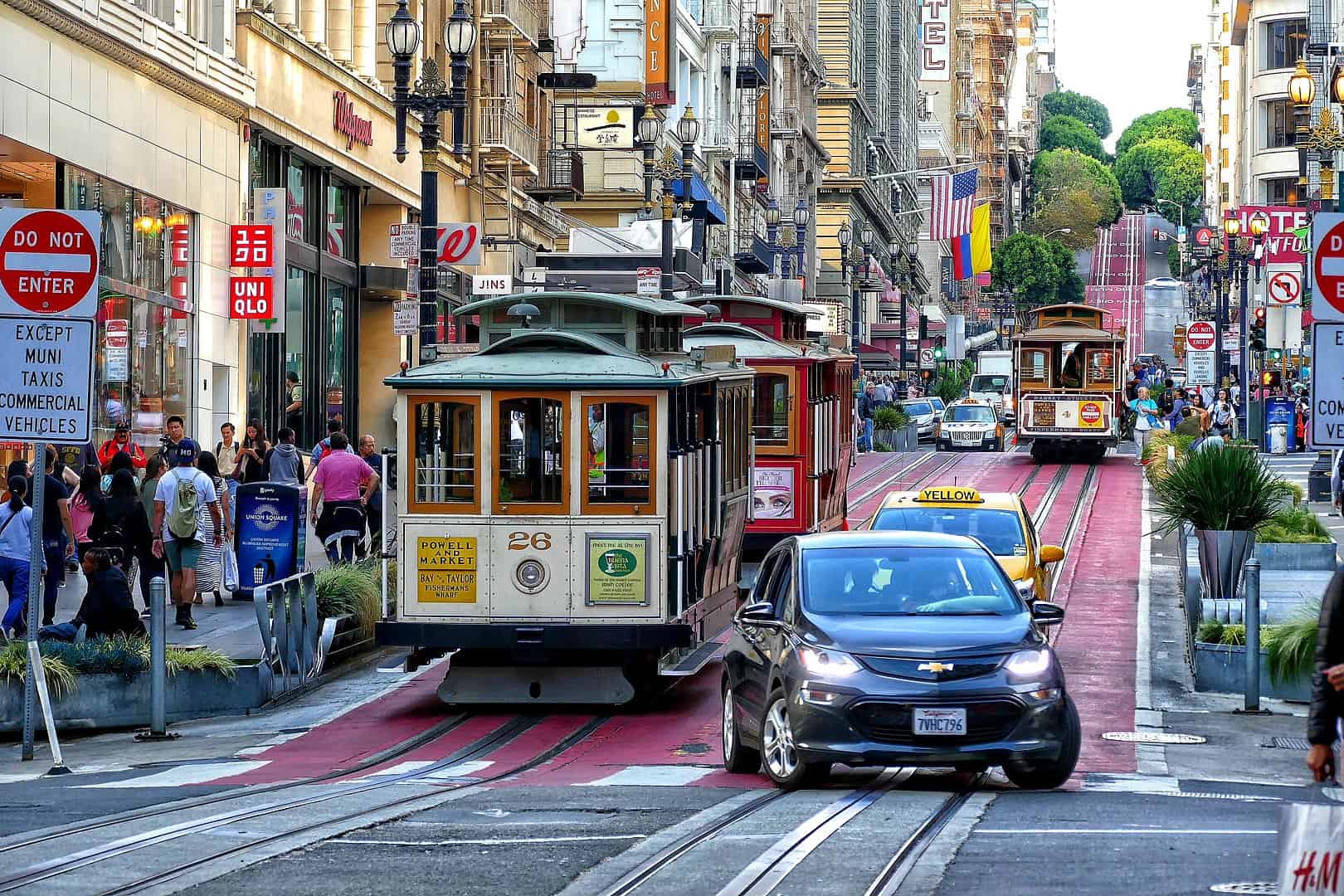
San Francisco’s most frequently reported safety concern for visitors is property crime, most notably car break-ins. Areas around popular tourist attractions, parking lots, and even hotel parking garages can be targets. The strategy is simple: do not leave anything visible in your car. This includes bags, shopping, electronics, or even loose change. If you must leave items in your vehicle, ensure they are completely out of sight in the trunk and ideally, secure them before arriving at your destination, as thieves may watch parking lots for people stowing items. Many hotels offer secure parking, and utilizing these facilities can significantly reduce risk. Rental cars, with their tell-tale signs of being unfamiliar, can be particularly attractive targets.
Violent Crime: Context and Location
While violent crime rates are a concern in any major city, San Francisco‘s violent crime is often concentrated in specific neighborhoods and is less likely to impact tourists who are primarily visiting well-trafficked areas. Areas like the Tenderloin are generally advised against for casual exploration, especially after dark. However, most tourist-centric districts such as Fisherman’s Wharf, North Beach, Union Square, and the Golden Gate Park are actively patrolled and remain safe for visitors, provided standard urban precautions are taken.
Homelessness and Its Impact on Perceived Safety
San Francisco faces a significant challenge with homelessness, which is visible in many parts of the city, including downtown and some public areas. While the presence of individuals experiencing homelessness can be unsettling for some visitors and may be associated with petty theft or public disturbances, it is important to remember that the vast majority of individuals are not a threat. The key is to remain aware of your surroundings and avoid engaging with individuals who may appear disoriented or aggressive. Stick to well-lit and populated areas, particularly during evening hours.
Essential Safety Tips for Tourists
Adopting a proactive approach to safety will significantly enhance your experience in San Francisco. By implementing a few straightforward practices, you can explore the city with confidence.
Be Aware of Your Surroundings
This is a universal travel tip that applies everywhere, but it’s particularly relevant in a bustling city like San Francisco. Stay alert to who and what is around you. Avoid walking with your head buried in your phone or wearing headphones at full volume, as this can make you an easier target for opportunistic crime. Pay attention to your personal belongings, especially in crowded areas like public transport, busy markets, or at popular attractions.
Secure Your Valuables
Beyond avoiding leaving items in your car, be mindful of your belongings in public. Use a cross-body bag that is difficult to snatch, and keep it in front of you. Be wary of distractions, as they are often used as a tactic for pickpocketing. In restaurants, keep your purse on your lap or secured to your chair, not on an empty seat or hanging off the back.
Utilize Reputable Transportation
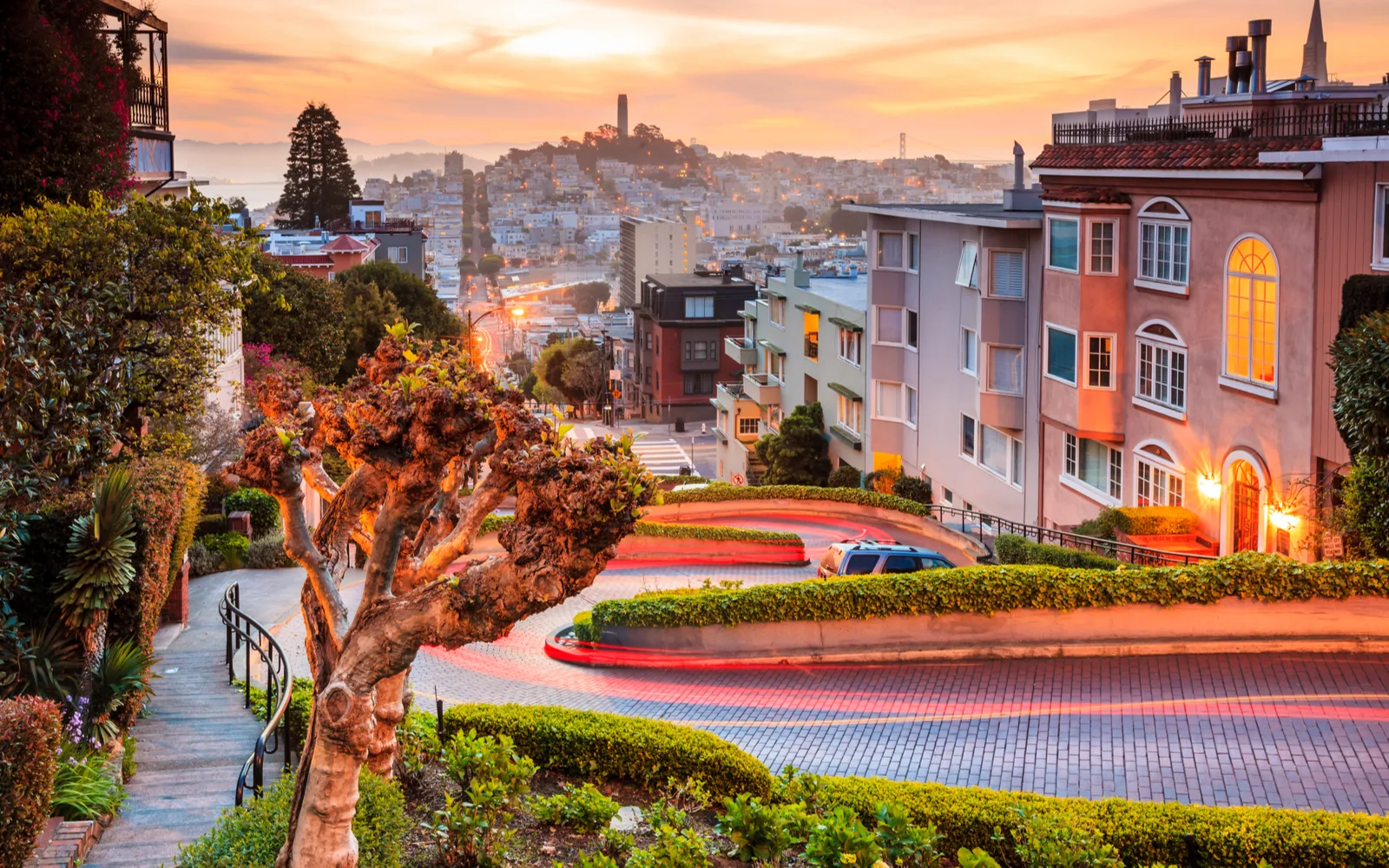
San Francisco has an excellent public transportation system, including Muni buses and light rail, and the BART (Bay Area Rapid Transit) system connects the city to the wider Bay Area. These are generally safe and efficient ways to get around. For rideshares, always verify the license plate and driver information match the app before getting in. Taxis are also a reliable option. If you are walking, stick to well-lit streets, especially at night, and consider using navigation apps to avoid getting lost in unfamiliar neighborhoods.
Stay Informed About Local Conditions
Before your trip and during your stay, check local news sources for any advisories or particular concerns. The U.S. Department of State website also provides travel advisories for international destinations, which can sometimes include insights relevant to large U.S. cities. Many hotel concierges and tourist information centers are excellent resources for current safety information and recommendations for your itinerary.
Navigating Tourist Hotspots Safely
San Francisco’s most famous attractions are generally safe and well-monitored, but vigilance is still advised.
Fisherman’s Wharf and Pier 39
These bustling waterfront areas are incredibly popular and typically very safe due to high foot traffic and visible security. However, this also makes them prime locations for pickpockets. Be especially aware of your surroundings in crowded areas like the sea lion viewing areas at Pier 39.
Union Square and Shopping Districts
Union Square is the heart of San Francisco’s shopping scene and is usually busy with shoppers and tourists. As with any major shopping hub, be mindful of your bags and valuables. The surrounding streets, while lively, can sometimes have a visible homeless population, so maintain awareness.
Golden Gate Bridge and Golden Gate Park
The Golden Gate Bridge is an iconic landmark, and visiting areas like the Welcome Center and viewpoints are generally safe. Parking lots can be targets for car break-ins, so again, leave nothing visible in your vehicle. Golden Gate Park is vast, and while the main attractions like the California Academy of Sciences and the de Young Museum are in well-trafficked areas, it’s wise to stick to main paths and avoid secluded spots, especially after dark.
Cable Cars and Public Transport
Riding the historic cable cars is a quintessential San Francisco experience. Be aware of your belongings while waiting in line and on the crowded cars. The same applies to Muni buses and BART trains. Keeping valuables secure and being mindful of fellow passengers is key.
Embracing San Francisco’s Charms
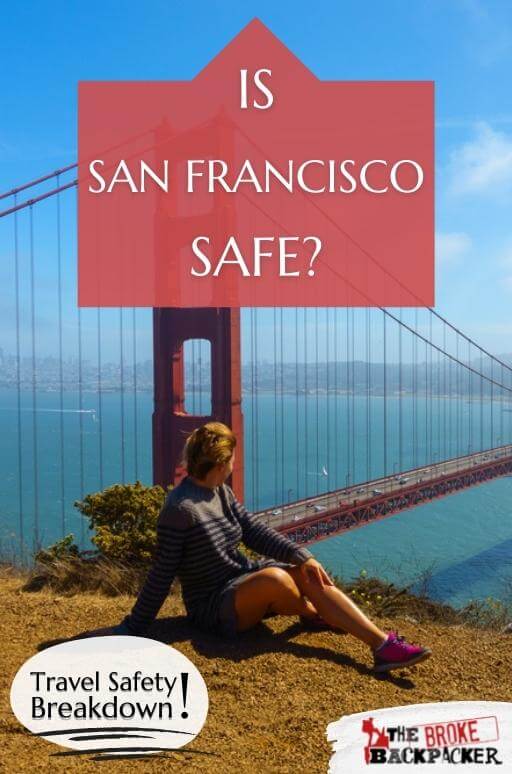
San Francisco is a city of unparalleled beauty, innovation, and cultural richness. From the panoramic views from Alcatraz Island to the colorful Victorian houses in the Painted Ladies, there is an abundance of experiences waiting to be discovered. By understanding the realities of urban safety, employing common-sense precautions, and focusing on the incredible attractions and experiences the city offers, visitors can look forward to a memorable and secure journey. The vast majority of visitors find San Francisco to be a welcoming and safe destination that more than lives up to its world-renowned reputation.
LifeOutOfTheBox is a participant in the Amazon Services LLC Associates Program, an affiliate advertising program designed to provide a means for sites to earn advertising fees by advertising and linking to Amazon.com. Amazon, the Amazon logo, AmazonSupply, and the AmazonSupply logo are trademarks of Amazon.com, Inc. or its affiliates. As an Amazon Associate we earn affiliate commissions from qualifying purchases.