
The allure of San Francisco is undeniable, a city perched on the edge of the Pacific, renowned for its iconic Golden Gate Bridge, cable cars, and vibrant cultural scene. Yet, for any discerning traveler, understanding the local climate is paramount to crafting the perfect itinerary. San Francisco’s weather is a topic of perpetual fascination, characterized by its distinctive microclimates, persistent fog, and generally temperate conditions that defy expectations for a city located at such a northerly latitude.
The Unpredictability of San Francisco’s Microclimates
One of the most striking aspects of San Francisco’s weather is its dramatic variation across the city. What might be a sunny, albeit breezy, afternoon in the Richmond District can be shrouded in dense fog just a few miles east in North Beach. This phenomenon is primarily driven by the interaction between the cold California Current offshore and the warmer inland air.

The Cooling Fog: A Defining Feature
The famous San Francisco fog is not merely a romantic cliché; it’s a powerful meteorological force. Typically rolling in from the Pacific Ocean during the late spring and summer months, it blankets the western and central parts of the city. This fog, often referred to as “Karl the Fog,” acts as a natural air conditioner, moderating temperatures significantly. While it can obscure panoramic views, it also contributes to the city’s unique atmosphere and is a crucial element of its ecosystem.
- Coastal Influence: Neighborhoods like Ocean Beach and Outer Sunset are perpetually under the fog’s spell during warmer months. Expect cooler temperatures, persistent mist, and a bracing wind. This is ideal for bracing walks along the shore, but less so for sunbathing.
- Inland Escapes: As you move eastward towards Union Square and the Financial District, the fog tends to burn off earlier, if it arrives at all. These areas are generally warmer and sunnier, offering a different, more typical urban experience.
- Bay Breezes: Even in the sunnier parts of town, a refreshing breeze from the San Francisco Bay is a common companion. This breeze can pick up considerably in the afternoon, adding to the city’s reputation for being windy.
Seasonal Variations: Beyond the Fog
While the fog often dominates the narrative, San Francisco experiences distinct seasonal shifts that impact the weather in noticeable ways. Understanding these patterns will help you pack appropriately and plan your activities.
Spring (March – May): A Transition of Mists and Sunshine
San Francisco’s spring is a season of transition. Early spring can still be cool and damp, reminiscent of winter. However, as the months progress, you’ll begin to see more sunshine. The fog, which has been a constant during winter, starts to ebb and flow more predictably, often burning off by midday. Average temperatures hover in the mid-60s Fahrenheit. This is a beautiful time to visit, with blooming flowers in parks like the Golden Gate Park and fewer crowds than in peak summer. However, layering is still essential, as cool, foggy mornings can quickly give way to pleasant, sunny afternoons, only to revert to cool evenings.
Summer (June – August): The “Fogust” Phenomenon
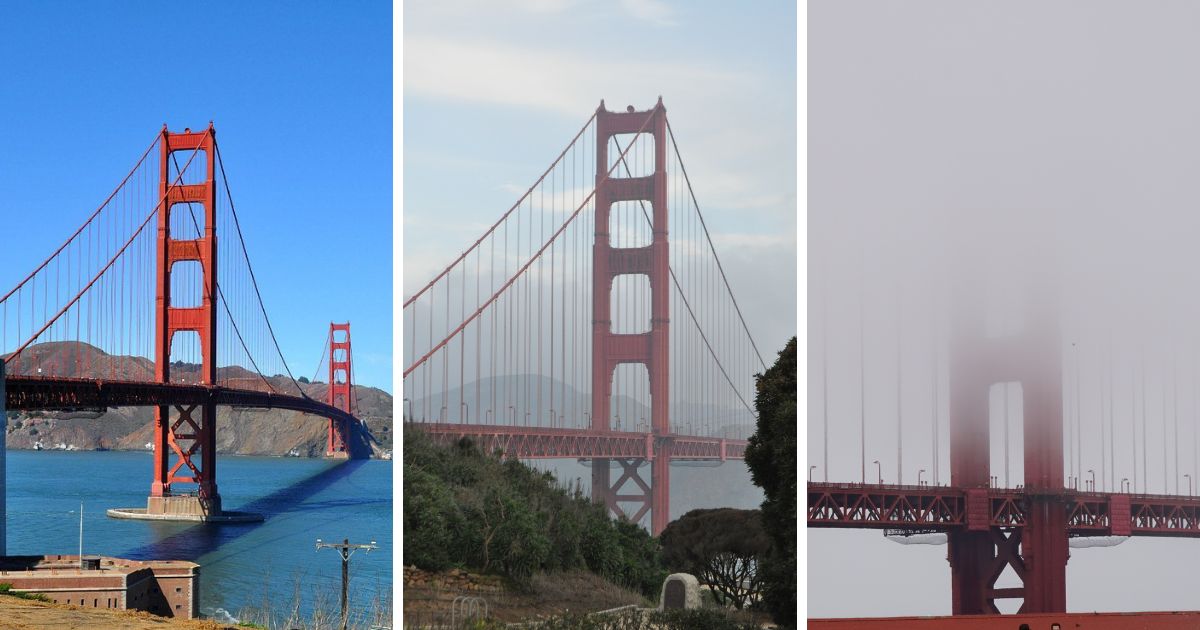
Contrary to what many might expect, San Francisco’s summer is often its coolest and foggiest season. This is due to the prevailing westerly winds bringing in cool, moist air from the Pacific. The fog is at its peak during these months, particularly in the western parts of the city. While inland California sizzles, San Francisco often enjoys temperatures in the low 60s Fahrenheit, making it a welcome respite from the heat. This means beach days might be more about brisk walks and kite-flying than sunbathing. It’s crucial to pack sweaters, jackets, and even a hat, as the cool, damp air can feel surprisingly chilly.
Autumn (September – November): The Indian Summer
Many locals and seasoned visitors will attest that autumn is arguably the best time to visit San Francisco. After the summer fog retreats, September and October often bring a period of unusually warm, sunny, and calm weather. This “Indian Summer” is a welcome contrast to the preceding foggy months. Temperatures can frequently reach the 70s and even 80s Fahrenheit, making it perfect for exploring the city’s many outdoor attractions, enjoying rooftop bars, and strolling through neighborhoods like North Beach and Chinatown without the usual chill. By late November, the weather begins to cool again, and the winter rains start to make their appearance.
Winter (December – February): The Rainy Season
San Francisco’s winter is mild compared to most of the United States. Snow is exceptionally rare, and frost is almost unheard of. The dominant weather feature of winter is rain. While it’s not typically a constant downpour, expect frequent showers and overcast skies. Temperatures are generally cool, averaging in the mid-50s Fahrenheit. This is a good time for indoor activities, visiting museums like the de Young Museum or the California Academy of Sciences, and enjoying the city’s renowned culinary scene. Even during the rainy season, there are often breaks in the weather, allowing for opportunities to explore Alcatraz Island or wander through Fisherman’s Wharf.
Packing for San Francisco: The Art of Layering
The golden rule of packing for San Francisco is layering. The city’s microclimates and the rapid shift from cool fog to warm sunshine mean that what you wear can change multiple times throughout the day.
- Base Layers: Comfortable t-shirts and long-sleeved shirts made of breathable fabrics are essential.
- Mid-Layers: A fleece jacket, a light sweater, or a hoodie will provide warmth without being too bulky.
- Outer Layer: A windproof and water-resistant jacket is non-negotiable. A trench coat, a stylish parka, or a light rain shell will serve you well. Even on sunny days, the wind can be brisk, especially near the coast or the bay.
- Bottoms: Jeans, comfortable trousers, or even durable leggings are suitable for most occasions. Shorts are rarely practical for exploring the city, even in summer.
- Footwear: Comfortable walking shoes are paramount. You’ll be doing a lot of walking, often on hilly terrain. Stylish sneakers or comfortable walking boots are ideal. Consider waterproof options if visiting during the winter months.
- Accessories: A scarf can be a lifesaver against the wind, and a hat can provide warmth on cooler days or sun protection on brighter ones. Sunglasses are useful year-round, as the sun can be surprisingly intense when it appears.
Navigating San Francisco’s Weather for Your Visit
Understanding San Francisco’s weather is key to unlocking the full potential of your trip. Don’t be deterred by talk of fog; embrace it as part of the city’s unique charm.
- Check the Forecast Daily: Even with this guide, local forecasts can change rapidly. Always check the weather for the specific neighborhoods you plan to visit.
- Embrace the Microclimates: If it’s foggy in one part of town, don’t hesitate to hop on a cable car or take a short bus ride to a sunnier district.
- Plan Activities Accordingly: A sunny afternoon is perfect for exploring the Palace of Fine Arts or picnicking in Dolores Park. A foggy morning might be better suited for a visit to the Exploratorium or a cozy brunch in The Castro.
- Don’t Pack for a Single Season: San Francisco is a city where you can experience four seasons in one day. Your wardrobe should reflect this adaptability.
By respecting and understanding San Francisco’s distinctive weather patterns, you can ensure your visit is comfortable, enjoyable, and filled with the unforgettable experiences this captivating city has to offer.
LifeOutOfTheBox is a participant in the Amazon Services LLC Associates Program, an affiliate advertising program designed to provide a means for sites to earn advertising fees by advertising and linking to Amazon.com. Amazon, the Amazon logo, AmazonSupply, and the AmazonSupply logo are trademarks of Amazon.com, Inc. or its affiliates. As an Amazon Associate we earn affiliate commissions from qualifying purchases.