
Seattle, Washington, a city celebrated for its vibrant arts scene, stunning natural beauty, and a progressive spirit, also harbors a deep connection with the culinary world. As a hub for innovative gastronomy, the question of what ingredients are permitted on local plates is a pertinent one for both residents and visitors eager to explore the city’s diverse food landscape. Among the myriad of ingredients that grace Seattle’s menus, mushrooms, with their earthy flavors and versatile applications, hold a special place. Understanding their legal status in Seattle not only clarifies culinary possibilities but also touches upon broader themes of local regulation and agricultural practices.

The Legal Status of Mushrooms in Seattle
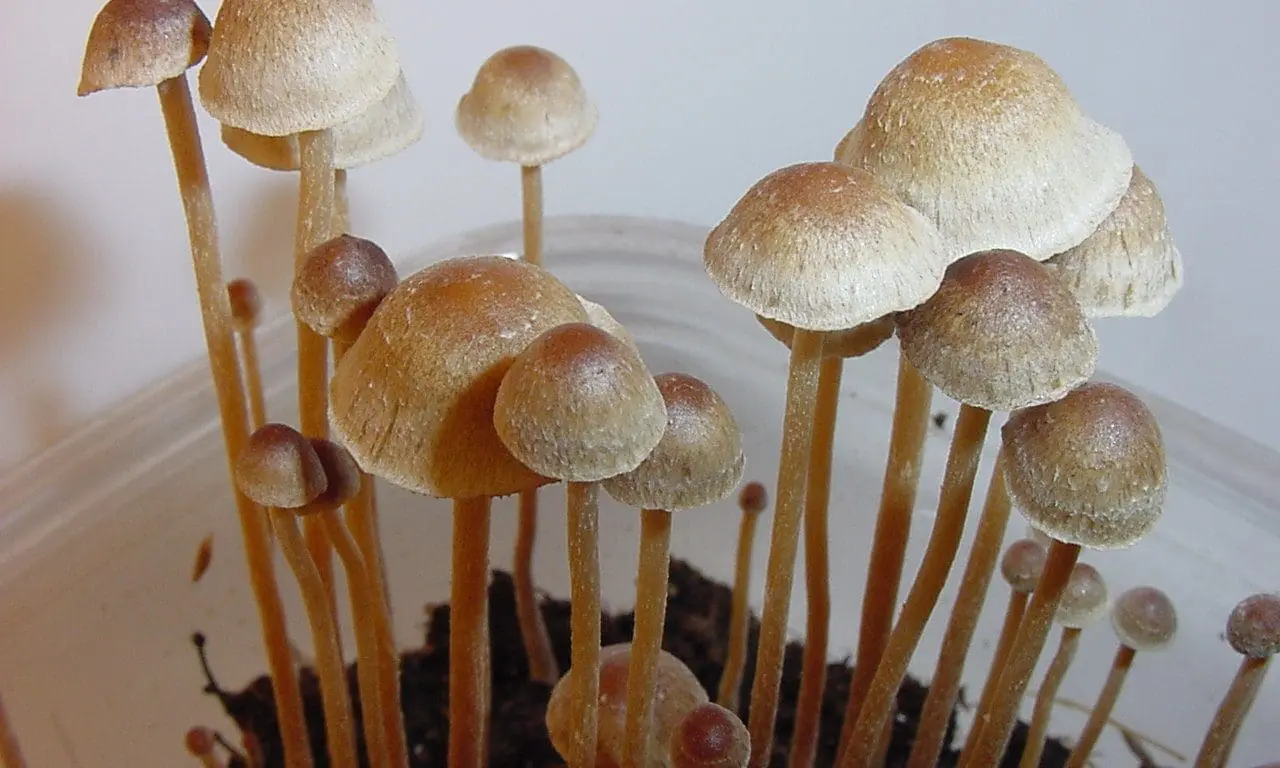
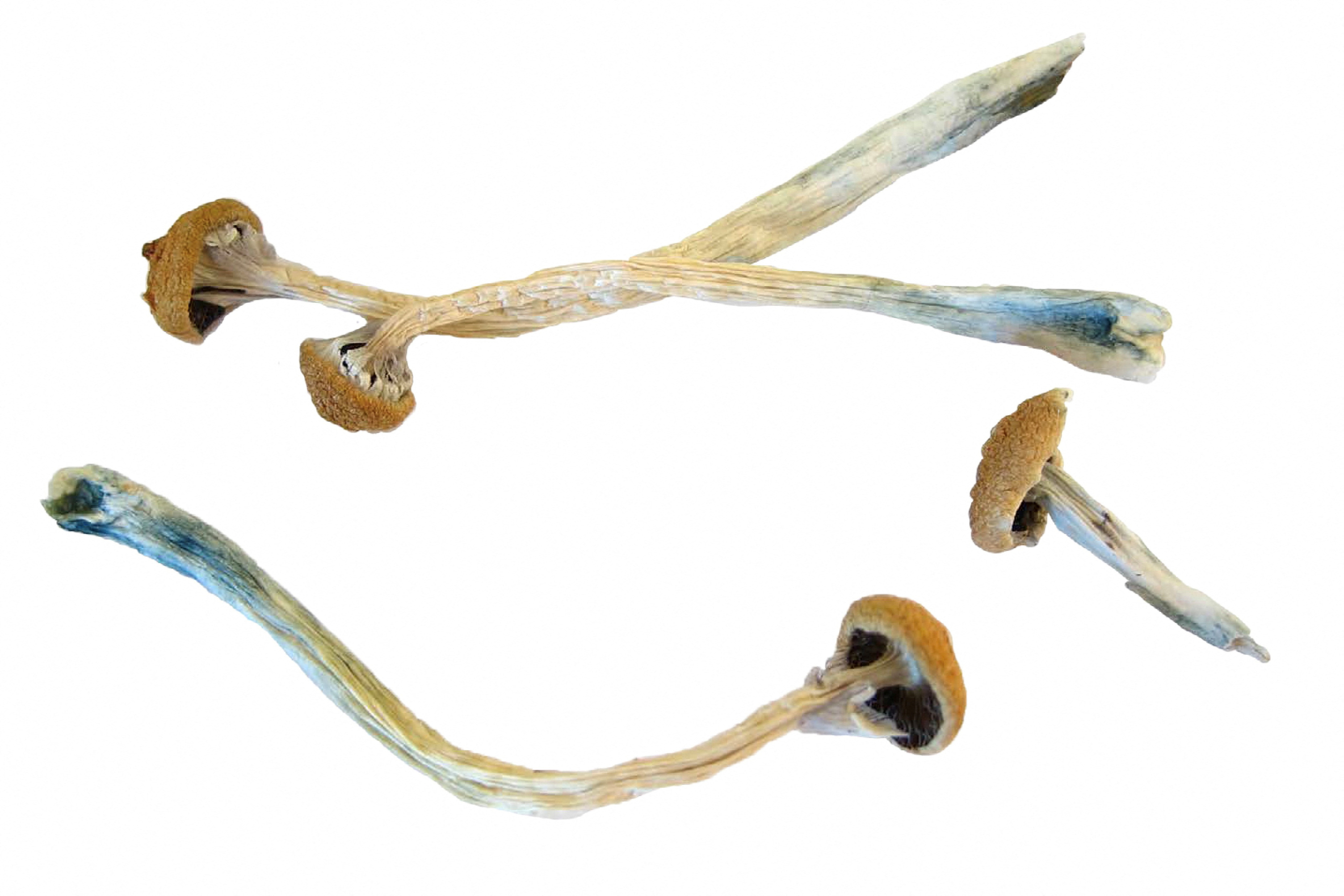
When inquiring about the legality of mushrooms in Seattle, it’s crucial to distinguish between different types of fungi. The primary distinction lies between culinary mushrooms – those cultivated and harvested for consumption – and psychoactive mushrooms, often referred to as magic mushrooms, which contain psilocybin. The legal framework surrounding these two categories differs significantly.
Culinary Mushrooms: A Local Delicacy
The cultivation, sale, and consumption of culinary mushrooms are not only legal in Seattle but are actively encouraged and celebrated. Seattle’s culinary scene places a high value on fresh, locally sourced ingredients, and mushrooms are a prime example. The Pike Place Market, a beloved landmark and a cornerstone of Seattle’s food culture, features numerous vendors offering an impressive array of cultivated and wild-foraged mushrooms. From the common button and cremini to more exotic varieties like shiitake, oyster, maitake, and morel, these fungi are readily available for purchase and are a staple in the kitchens of many Seattle residents and restaurants.
The production and sale of culinary mushrooms are governed by standard food safety regulations enforced by local and state health departments. These regulations ensure that mushrooms are grown, handled, and sold in a manner that is safe for public consumption. Farmers’ markets throughout the city, as well as dedicated produce stores, routinely stock these edible varieties. The economic activity surrounding culinary mushrooms contributes positively to the local agricultural economy, supporting small-scale farmers and specialty growers.
Psychoactive Mushrooms: A Complex Regulatory Landscape
The legality of psychoactive mushrooms, containing the compound psilocybin, is a far more complex and evolving issue, both in Seattle and across the United States. Historically, psilocybin and psilocin, the active compounds in these mushrooms, have been classified as Schedule I controlled substances under federal law, meaning they are considered to have a high potential for abuse and no currently accepted medical use. This federal classification has, for decades, made possession, cultivation, and distribution of these mushrooms illegal throughout the country, including in Seattle.
However, recent years have witnessed a shift in public perception and policy regarding psilocybin, driven by growing research into its potential therapeutic benefits for conditions such as depression, anxiety, and PTSD. This has led to a patchwork of local and state-level decriminalization and, in some cases, legalization efforts.
Decriminalization in Seattle
In May 2019, the Seattle City Council voted unanimously to decriminalize psilocybin mushrooms and other natural psychedelics. This pivotal decision meant that, at the city level, the enforcement of laws against the personal use and possession of these substances would be deprioritized. It is important to understand that decriminalization does not equate to legalization. While Seattle police are instructed not to make arrests for the possession of small amounts of these substances for personal use, they are still illegal under state and federal law. This means that while local enforcement may be relaxed, individuals could still face charges if encountered by state or federal authorities, or if engaging in activities such as manufacturing or distribution.
The decriminalization in Seattle was largely a response to advocacy from groups highlighting the potential therapeutic applications of psychedelics and advocating for a more compassionate approach to drug policy. This move positioned Seattle as one of the leading cities in the United States to take such a step, reflecting its progressive social and political climate.
State and Federal Regulations
Despite Seattle’s local decriminalization, it is critical to remember that Washington State and federal laws still classify psilocybin as a controlled substance. Therefore, possession of larger quantities, cultivation, sale, or distribution of psilocybin mushrooms remains illegal under state and federal statutes. Travelers and residents must be aware of these overarching legal frameworks to avoid potential legal repercussions.
Emerging Research and Therapeutic Applications
The ongoing research into psilocybin’s therapeutic potential is a significant factor driving the evolving legal and social conversations around these substances. Clinical trials conducted by institutions like Johns Hopkins University and others have shown promising results in using psilocybin-assisted therapy to treat various mental health conditions. This research has spurred discussions about potential pathways for medical access to psilocybin in the future.
Currently, access to psilocybin for therapeutic purposes is limited and strictly controlled. In some jurisdictions, like Oregon, voters have approved a ballot measure that allows for regulated psilocybin services for adults over 21, though this is not yet the case in Washington. The conversation in Seattle and across the state continues to be influenced by these developments, with advocates pushing for broader access to these potential healing modalities.
Exploring Seattle’s Fungal Flavors
For those interested in the culinary aspects of mushrooms, Seattle offers an unparalleled gastronomic experience. The city’s commitment to farm-to-table dining means that mushrooms are often highlighted as star ingredients, prepared with creativity and respect for their diverse textures and flavors.
Dining Experiences Featuring Mushrooms
Seattle’s restaurants, from high-end establishments to cozy bistros, frequently incorporate mushrooms into their menus. Whether it’s a wild mushroom risotto at an Italian eatery, a sautéed shiitake medley as a side dish, or a gourmet mushroom burger, visitors can expect to find these earthy delights prepared in a multitude of ways. Many restaurants pride themselves on sourcing their mushrooms from local farms and foragers, further enhancing the connection to Seattle’s agricultural bounty.
For instance, restaurants in neighborhoods like Ballard or Fremont often emphasize seasonal ingredients, and mushrooms are a key component of many autumnal and winter menus. Chefs in Seattle are known for their innovative approaches, frequently pairing mushrooms with other local produce, artisanal cheeses, and expertly crafted sauces.
The Role of Farmers’ Markets and Specialty Stores
Beyond the restaurant scene, Seattle’s vibrant farmers’ markets are a treasure trove for mushroom enthusiasts. At the aforementioned Pike Place Market, and at numerous other markets like the Ballard Farmers Market or the University District Farmers Market, local growers offer a dazzling array of fresh, seasonal mushrooms. Engaging with the vendors can provide insights into the different varieties, their growing conditions, and suggestions for preparation.
Specialty food stores and co-ops throughout the city also carry a wide selection of both common and exotic mushrooms. These establishments often provide a more curated experience, with knowledgeable staff who can guide customers through the diverse offerings. The accessibility and abundance of culinary mushrooms underscore their integral role in Seattle’s food culture.
Navigating Seattle’s Evolving Mushroom Landscape
Understanding the legal nuances surrounding mushrooms in Seattle is essential for a well-informed visit or residency. While culinary mushrooms are a celebrated and fully legal part of the city’s food scene, the legal status of psychoactive mushrooms is more intricate, characterized by local decriminalization within a framework of continuing state and federal prohibition.
For travelers and locals alike, this means:
- Culinary Mushrooms: Enjoy them freely! They are a safe, legal, and delicious part of the Seattle experience. Explore them at markets, restaurants, and even try cooking with them yourself using ingredients sourced from local vendors.
- Psychoactive Mushrooms: Exercise caution and be aware of the legal distinctions. While Seattle has decriminalized possession and personal use, these substances remain illegal under state and federal law. Engaging in activities beyond personal use, such as cultivation or distribution, carries significant legal risks.
As research into the therapeutic potential of psilocybin continues to advance, the legal and social landscape surrounding these fungi is likely to evolve further. Seattle, with its history of progressive policies, remains a key location to watch as these conversations unfold. For now, visitors can savor the rich, diverse flavors of legal culinary mushrooms that define so much of Seattle’s celebrated food culture, while understanding the current legal boundaries concerning other types of fungi.
LifeOutOfTheBox is a participant in the Amazon Services LLC Associates Program, an affiliate advertising program designed to provide a means for sites to earn advertising fees by advertising and linking to Amazon.com. Amazon, the Amazon logo, AmazonSupply, and the AmazonSupply logo are trademarks of Amazon.com, Inc. or its affiliates. As an Amazon Associate we earn affiliate commissions from qualifying purchases.