
For many, the name “Seattle Supersonics” evokes a visceral rush of nostalgia, a powerful reminder of a bygone era of professional basketball in the Emerald City. The team’s abrupt departure in 2008, relocating to become the Oklahoma City Thunder, left a gaping void in the hearts of many fans and in the landscape of Seattle sports. The question of their return, therefore, is not merely about basketball; it’s about reclaiming a piece of the city’s identity, a shared passion that once united thousands. This article delves into the ongoing discussions, the economic and logistical considerations, and the fervent hopes surrounding the potential revival of the Seattle Supersonics.
The Echoes of a Championship Legacy
The Seattle Supersonics weren’t just another NBA franchise; they were a cornerstone of the city’s cultural fabric for over four decades. Founded in 1967, the team provided generations of Seattleites with thrilling victories, iconic players, and unforgettable moments. The pinnacle of this legacy, of course, was the 1979 NBA Championship, a triumph that cemented the Sonics’ place in professional basketball history and ignited a passionate fanbase that remained loyal through thick and thin.
Key Eras and Memorable Moments
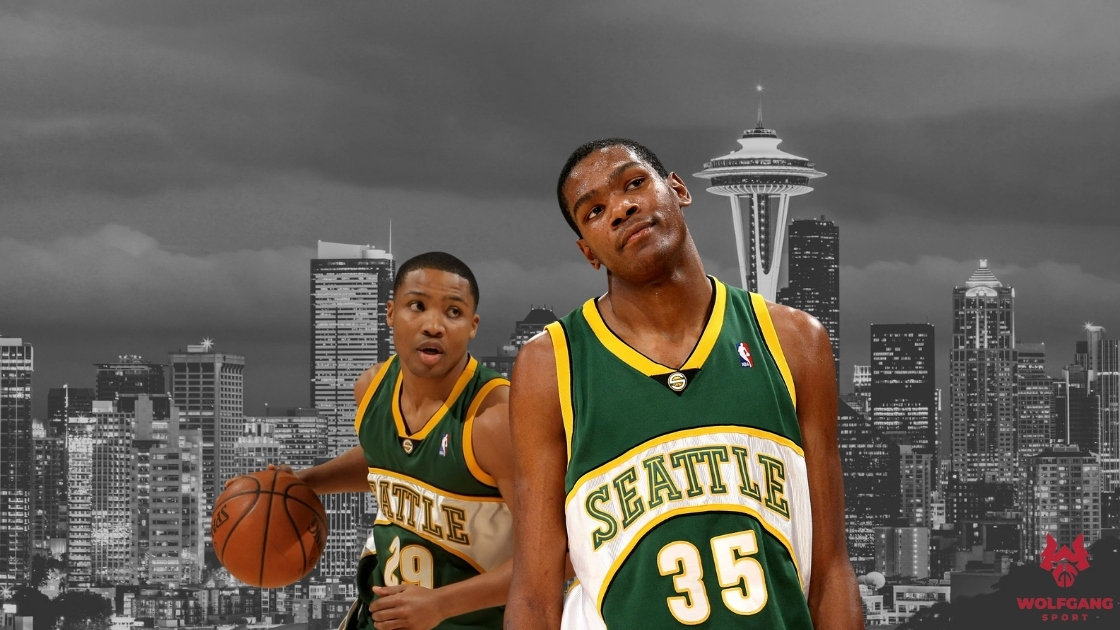
From the early days of the “Stormin’ Sonics” to the championship squad led by Dennis Johnson, Gus Williams, and Jack Sikma, the Supersonics consistently delivered exciting basketball. The era of Shawn Kemp and Gary Payton in the 1990s brought the team back to national prominence, culminating in a memorable NBA Finals appearance in 1996. These periods weren’t just about wins and losses; they were about shared experiences, from packed arenas to casual water cooler conversations about the latest game. The absence of this shared sporting narrative has been keenly felt, leaving a void that many believe only the return of the Sonics can fill. The emotional connection to the team runs deep, transcending the simple act of watching a game; it represents a communal identity that was tragically disrupted. The subsequent years have been marked by a persistent longing, a constant “what if” that fuels the ongoing debate about expansion and relocation within the league.
The Business of Basketball: Viability and Investment
The possibility of the Seattle Supersonics’ return hinges on a complex interplay of economic feasibility, stadium infrastructure, and NBA league dynamics. While fan enthusiasm is undeniable, the business case for a new NBA franchise in Seattle needs to be robust and sustainable.
Arena Infrastructure: The Key to a Successful Return
A critical hurdle for any potential return of the Sonics has been the lack of a suitable, modern arena specifically designed for professional basketball. The original home of the Sonics, the Seattle Center Coliseum (later renamed the KeyArena), underwent renovations for NHL hockey and other events, but its configuration was not ideal for an NBA team. The development of the Climate Pledge Arena, the state-of-the-art home for the Seattle Kraken and a potential future venue for the Sonics, represents a significant step forward. This world-class facility, with its capacity and modern amenities, is precisely the kind of venue that attracts and sustains an NBA franchise. Its completion signals a tangible commitment to bringing professional basketball back to the city, moving beyond mere speculation to concrete possibilities. The investment in such an arena demonstrates that the infrastructure is in place, or can be made available, to support the league’s requirements. This is a vital component for any ownership group looking to establish a new team.
Ownership and League Approval
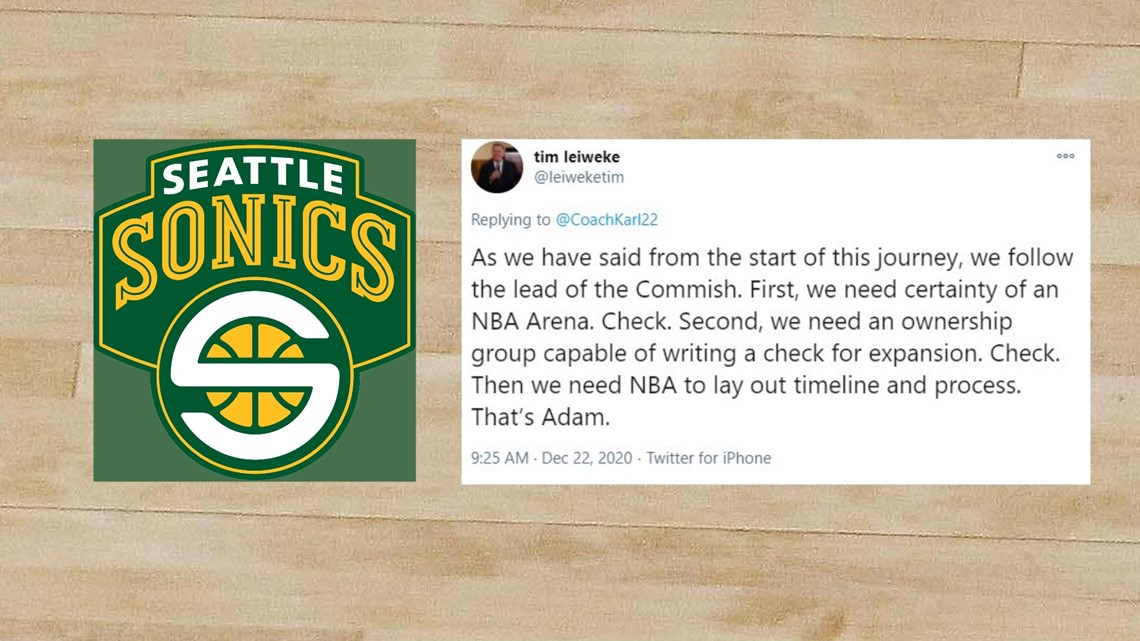
The NBA, like other major professional sports leagues, operates under a system of franchises owned by private individuals or groups. For the Supersonics to return, either an existing franchise would need to relocate to Seattle, or the league would need to approve an expansion team. Both scenarios involve intricate negotiations, significant financial commitments, and the blessing of the NBA Board of Governors. The league’s willingness to expand or facilitate a relocation is a major factor. Factors such as current team valuations, market saturation, and the overall health of the league all play a role in these decisions. Interested ownership groups, such as those spearheaded by prominent figures, have demonstrated a strong desire and financial capacity to acquire or establish a team in Seattle. The sustained interest from potential owners underscores the perceived market viability.
The Fans’ Roar: A Sustained Demand
The passion of Seattle sports fans is legendary, and the absence of the Supersonics has only amplified this fervor. The continuous support and vocal advocacy from the fanbase have been instrumental in keeping the dream of the Sonics’ return alive.
Grassroots Movements and Advocacy Groups
Organizations like “Save the Sonics” and “Supersonics Countdown” have played a pivotal role in maintaining public awareness and applying pressure on league officials and potential ownership groups. These fan-led initiatives have organized rallies, spearheaded social media campaigns, and consistently reminded the NBA of the deep-seated desire for basketball’s return to Seattle. Their efforts are a testament to the enduring emotional connection fans have with the team and the sport. These groups have effectively transformed individual desires into a collective voice, ensuring that the issue remains a prominent topic of discussion. They have also served as a conduit for information, keeping fans updated on developments and providing platforms for engagement. The sheer volume and sustained nature of their efforts are significant indicators of the market’s readiness and the fan base’s commitment.
Market Demand and Economic Impact
Beyond emotional appeal, the return of the Supersonics would bring significant economic benefits to Seattle. A new NBA team translates to job creation in various sectors, including arena operations, hospitality, retail, and marketing. Furthermore, it would reignite a substantial tourism draw, attracting fans from across the Pacific Northwest and beyond to games. The economic multiplier effect of a professional sports team is a compelling argument for its return. Economists often point to the increased spending in local businesses, the boost in hotel occupancy, and the overall vibrancy a sports franchise can bring to a city. The potential for tourism revenue alone, driven by game attendance and associated activities, is a significant factor that city officials and potential investors consider. The sustained interest in the Sonics suggests a robust consumer base eager to spend on tickets, merchandise, and related entertainment.
The Path Forward: What’s Next for the Supersonics?
While the prospect of the Seattle Supersonics’ return is exhilarating, the journey is likely to be a protracted one, marked by continued negotiation, league maneuvering, and the ever-present hope of dedicated fans.
Potential Timelines and Scenarios
The NBA’s expansion plans are typically deliberated over several years. Should the league decide to expand, Seattle would undoubtedly be a top contender for a new franchise. Alternatively, the relocation of an existing team, though less common, remains a possibility. Each scenario presents its own set of challenges and timelines. The development of Climate Pledge Arena has significantly advanced the cause, providing the necessary physical infrastructure. The NBA’s own strategic goals, including its desire to enter or strengthen its presence in key markets, will also influence the timing. Discussions about expansion are ongoing within league circles, and Seattle’s consistent presence on many analysts’ and fans’ wish lists is a strong indicator of its viability. The key will be the league’s decision to expand and the subsequent process of awarding new franchises or approving relocations.
The Unwavering Hope of Seattle Fans
Despite the uncertainties, the spirit of the Seattle Supersonics lives on in the hearts of its fans. The team’s legacy is not just about championships won, but about the shared passion and community that basketball fostered. The ongoing narrative surrounding the Sonics’ potential return is a testament to this enduring connection. As discussions continue and the NBA assesses its future, the hope for the green and gold to once again grace the hardwood of Seattle remains as vibrant as ever. The unwavering belief in a comeback serves as a powerful reminder of the profound impact a sports team can have on a city’s identity and the collective spirit of its people. The journey may be long, but for many in Seattle, the anticipation is a sport in itself, a constant hum of expectation that one day, the roar of the Supersonics will echo through the city once more.
LifeOutOfTheBox is a participant in the Amazon Services LLC Associates Program, an affiliate advertising program designed to provide a means for sites to earn advertising fees by advertising and linking to Amazon.com. Amazon, the Amazon logo, AmazonSupply, and the AmazonSupply logo are trademarks of Amazon.com, Inc. or its affiliates. As an Amazon Associate we earn affiliate commissions from qualifying purchases.