
Navigating the skies between Denver and Seattle is a common route for travelers, whether for business, leisure, or connecting to further destinations. Understanding the typical flight duration is a crucial first step in planning your journey, allowing for accurate scheduling and anticipation of your arrival in the Emerald City. This guide delves into the factors influencing flight times and provides a realistic overview of what to expect.
Typical Flight Durations
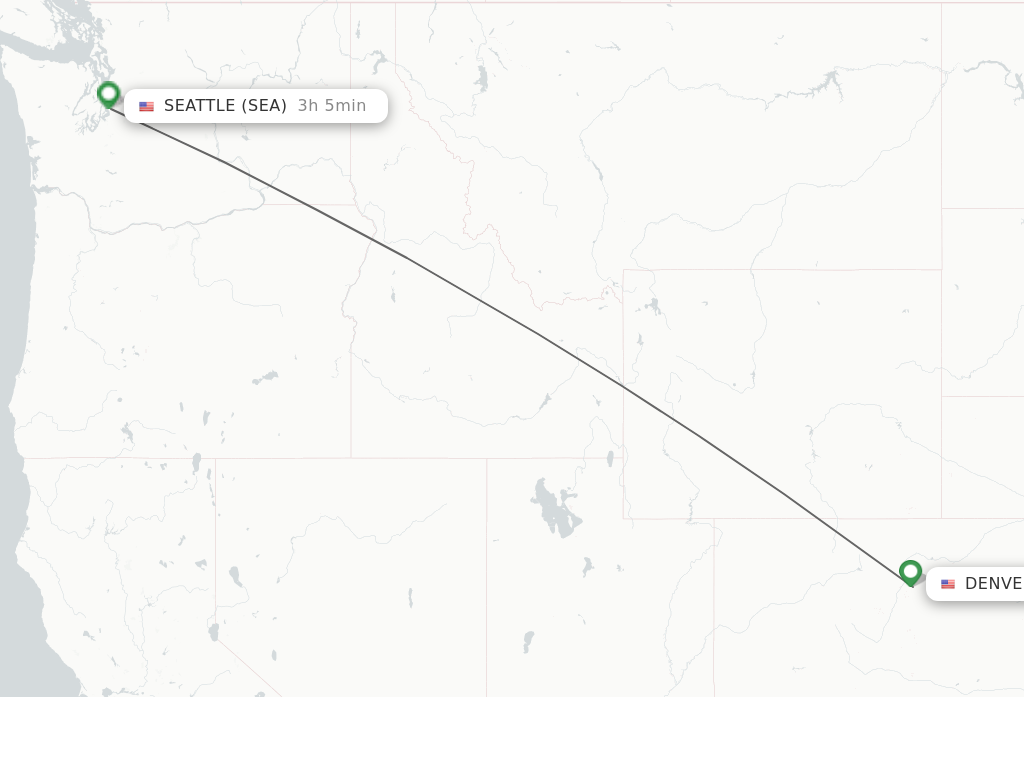
The direct flight time between Denver International Airport (DEN) and Seattle-Tacoma International Airport (SEA) is generally quite consistent. On average, you can expect a non-stop flight to last between 2 hours and 45 minutes to 3 hours and 15 minutes. This range is largely dictated by factors such as prevailing winds, aircraft type, and air traffic control.
Direct Flights: The Fastest Option
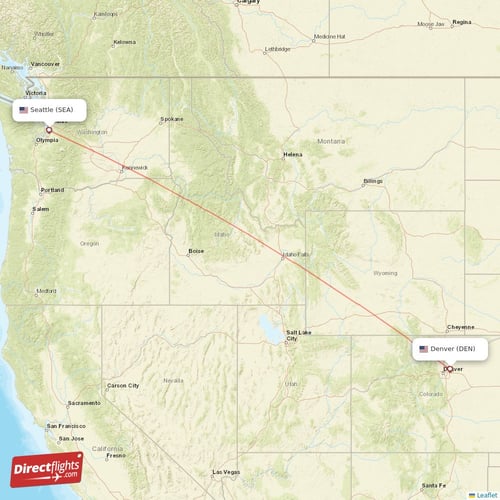
For those prioritizing speed and convenience, direct flights are the undisputed champion. Major airlines, including United Airlines and Southwest Airlines, frequently operate non-stop services on this route. The flight path generally takes travelers northwest across the Rocky Mountains and then onward through the northern plains and mountainous West. The absence of any layovers significantly slashes the overall travel time, making it the most efficient way to traverse the approximately 1,300 miles separating the two cities. When booking, always confirm that a flight is indeed “direct” and not just “non-stop,” as the latter still involves multiple takeoffs and landings, albeit without a change of aircraft.
Flights with Layovers: Understanding the Added Time
While direct flights are ideal for many, flights with layovers are also common and can sometimes offer more competitive pricing or flexible scheduling. The duration of a flight with a layover is highly variable and depends on several key elements:
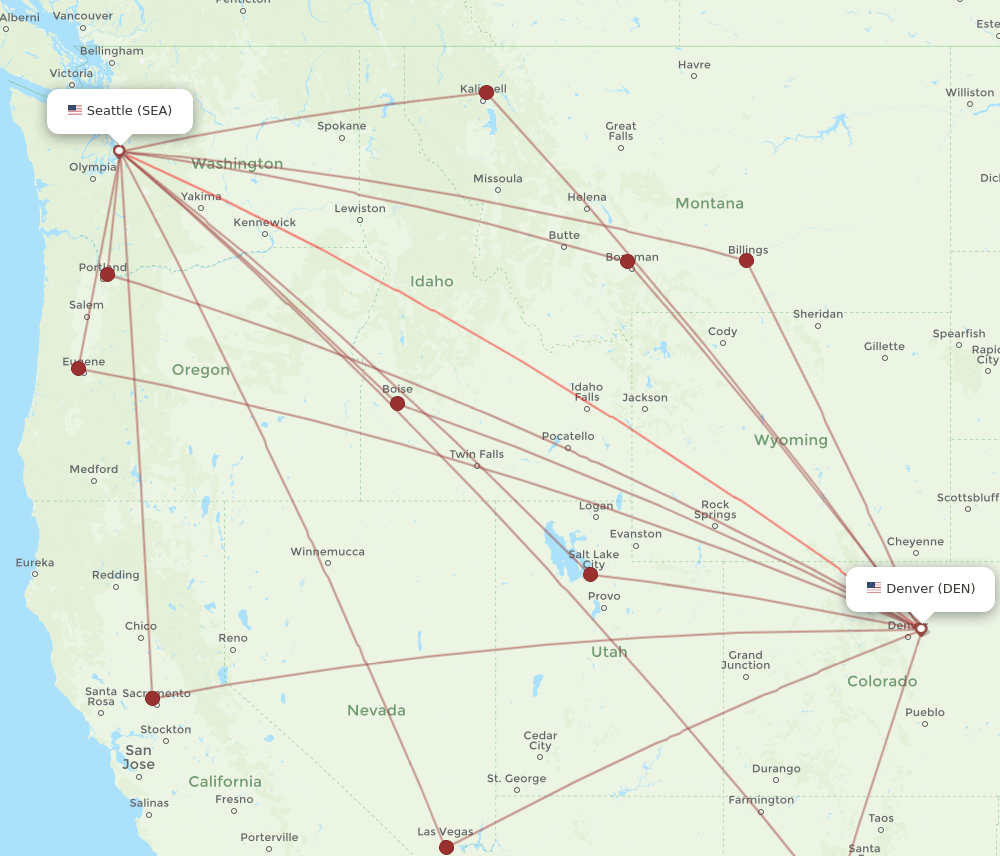
- Layover City: The most common layover points for this route might include cities like Salt Lake City, Portland, or even further afield depending on the airline’s network. The distance of the layover city from both Denver and Seattle plays a significant role.
- Layover Duration: This is the most substantial variable. Layovers can range from a quick 45 minutes to several hours, or even an overnight stay. A shorter layover might still result in a total travel time of 5-6 hours, while a longer one could extend your journey to 8-10 hours or more.
- Number of Stops: Flights with two or more stops will naturally take longer than those with a single layover. Each additional stop introduces another takeoff, flight segment, and potential for delays.
When considering flights with layovers, it is essential to examine the total travel time listed by the airline, which includes the flight segments and the layover duration.
Factors Influencing Flight Time
Beyond the simple distance and the presence or absence of layovers, several other elements contribute to the precise length of a flight between Denver and Seattle. Understanding these can help set realistic expectations and prepare for potential variations.
Prevailing Winds and Jet Streams
The Earth’s atmosphere is a dynamic system, and the prevailing winds, particularly the powerful jet streams, can significantly impact flight times. Traveling west to east generally benefits from tailwinds within the jet stream, shortening flight durations. Conversely, flying east to west, as is the case from Denver to Seattle, often means battling headwinds. These winds can add or subtract anywhere from 15 minutes to over an hour from the flight time. Pilots and airlines continuously monitor weather patterns to optimize flight paths for efficiency, but these atmospheric conditions remain a fundamental influence.
Aircraft Type and Performance
Different aircraft models have varying cruising speeds. Newer, more aerodynamic planes, such as those in the Boeing 737 or Airbus A320 families, are designed for fuel efficiency and speed. The specific aircraft assigned to your flight by an airline like Alaska Airlines or Delta Air Lines can subtly affect the duration. While the difference might not be dramatic for such a relatively short route, it’s a contributing factor nonetheless.
Air Traffic Control and Airport Operations
The efficiency of air traffic control (ATC) and airport operations at both Denver International Airport and Seattle-Tacoma International Airport plays a crucial role. During peak travel times, or due to weather-related congestion at either end, aircraft may be required to hold in the air before landing or experience delays on the taxiway. These are not typically factored into the advertised flight time but contribute to the overall time spent from departure gate to arrival gate. The complexities of managing a busy airspace, especially for major hubs like Denver, can introduce minor variances in scheduled departure and arrival times.
Time Zone Differences
It’s also important to remember the time zone difference between Colorado and Washington. Denver observes Mountain Time (MT), while Seattle is in the Pacific Time (PT) zone. Seattle is two hours behind Denver. This means that if you depart Denver at 2:00 PM MT, you will arrive in Seattle at approximately 4:30 PM PT. The flight itself might have taken 3 hours, but due to the time difference, the clock will show a shorter elapsed time. Always consider this when booking and planning your day.
Planning Your Trip: Maximizing Efficiency and Comfort
When planning your journey from Denver to Seattle, a few strategic considerations can help ensure a smoother and more efficient travel experience.
Choosing the Right Flight
- Prioritize Direct Flights: If time is of the essence, always search for non-stop options first. These offer the most predictable and shortest travel durations.
- Evaluate Layover Options Carefully: If a direct flight isn’t feasible or cost-effective, meticulously examine flights with layovers. Look for layovers that are not excessively long, which can lead to fatigue and inconvenience, nor so short that they risk missed connections due to delays. Aim for a layover of at least 1.5 to 2 hours for domestic connections.
- Consider the Airline’s Reputation: Airlines have varying records for on-time performance and customer service. Researching airline punctuality for this specific route can be beneficial.
Navigating the Airports
Both Denver International Airport and Seattle-Tacoma International Airport are large and busy hubs.
- Denver International Airport: Known for its expansive layout and often subject to weather delays, especially during winter months. Arriving early is highly recommended, particularly for domestic flights. Consider the A Line commuter train from downtown Denver if you’re starting your journey there.
- Seattle-Tacoma International Airport: This airport is a major gateway to the Pacific Northwest and serves a wide array of domestic and international flights. It’s well-connected to downtown Seattle via the Link Light Rail, offering a convenient and affordable transit option.
Preparing for Arrival in Seattle
Upon landing in Seattle, the flight time calculation is complete. The city is renowned for its vibrant culture, stunning natural beauty, and thriving culinary scene. From Pike Place Market to the iconic Space Needle, Seattle offers a wealth of attractions to explore. Whether you’re heading to a hotel in downtown or venturing out to explore the Olympic Peninsula, understanding your arrival time is key to making the most of your stay in the Evergreen State.
In conclusion, while a direct flight from Denver to Seattle typically spans around 2 hours and 45 minutes to 3 hours and 15 minutes, it’s essential to consider all contributing factors, especially when layovers are involved. Diligent planning and awareness of these variables will ensure a smooth and enjoyable journey to the Pacific Northwest.
LifeOutOfTheBox is a participant in the Amazon Services LLC Associates Program, an affiliate advertising program designed to provide a means for sites to earn advertising fees by advertising and linking to Amazon.com. Amazon, the Amazon logo, AmazonSupply, and the AmazonSupply logo are trademarks of Amazon.com, Inc. or its affiliates. As an Amazon Associate we earn affiliate commissions from qualifying purchases.