
Understanding the duration of a flight to Seattle is a crucial element in planning any trip to this vibrant Pacific Northwest gem. The time spent in the air is not a static figure; it’s a dynamic variable influenced by a multitude of factors, from the departure city to the chosen airline and even the prevailing atmospheric conditions. For the discerning traveler, grasping these nuances allows for more accurate scheduling, better preparation for the journey, and ultimately, a smoother, more enjoyable travel experience. This guide aims to demystify the flight duration to Seattle, offering insights into the key determinants and providing estimated flight times from major global hubs.
Factors Influencing Flight Duration
The seemingly simple question of “How long is a flight to Seattle?” unravels into a complex interplay of geographical, logistical, and meteorological elements. For any traveler, whether originating from across the continent or from a distant continent, familiarizing oneself with these factors is paramount for accurate trip planning and managing expectations.
Distance and Departure Location
The most fundamental determinant of flight time is, of course, the distance between the origin point and Seattle. This is the primary driver, with longer distances inevitably translating to longer flight durations.
Transcontinental Flights within North America
For those traversing the vast expanse of North America, flights from the East Coast of the United States to Seattle typically fall into a predictable range. Departures from cities like New York City, Miami, or Toronto necessitate a flight of approximately 5 to 6 hours. This duration accounts for the westward journey across multiple time zones. Conversely, flights originating from the Mountain Time Zone or the Southwest, such as from Denver or Phoenix, are considerably shorter, usually ranging from 2.5 to 3.5 hours. Flights from the West Coast, including Los Angeles, San Francisco, or Vancouver, represent the shortest durations, often clocking in between 1 to 2.5 hours.
Transatlantic Flights
Journeying to Seattle from Europe introduces a significant increase in flight time. Flights from major European hubs like London, Paris, or Frankfurt typically involve a direct flight of around 9 to 10 hours. This duration can extend further depending on the specific departure city and any potential layovers.
Transpacific Flights
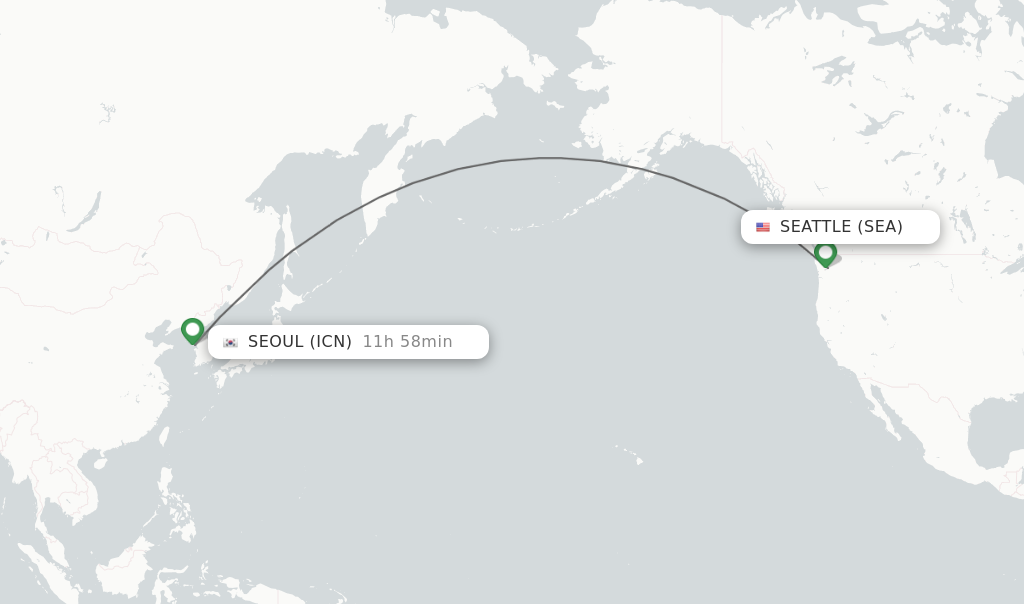
For travelers originating from Asia, flights to Seattle are also substantial. Direct flights from cities such as Tokyo, Seoul, or Shanghai can range from 9 to 12 hours. The eastward journey across the Pacific is a considerable undertaking, and the time difference can also be a significant factor to consider upon arrival.
Direct vs. Connecting Flights
The distinction between a direct flight and a connecting flight is perhaps the most impactful factor after geographical distance. A direct flight, by definition, proceeds from the origin to the destination with a single flight number, even if it may involve a brief stop for refueling or to allow passengers to disembark or board. The actual time in the air for a direct flight is what is generally considered the “flight duration.”
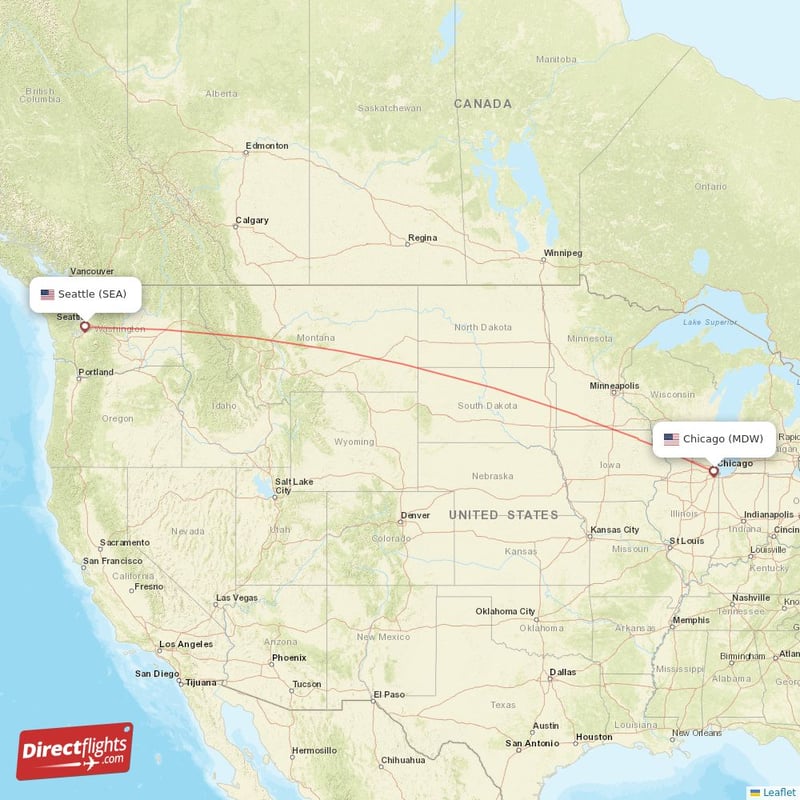
Connecting flights, on the other hand, involve one or more layovers at intermediate airports. While the total travel time might be longer due to the time spent on the ground at the connecting airport, the actual time spent in the air across the individual flight segments can be shorter. However, the overall journey from departure to arrival at the final destination can be significantly extended, often by several hours, depending on the layover duration. For instance, a flight from New York City to Seattle with a layover in Chicago might have a total travel time of 7-9 hours, whereas a direct flight would be closer to 5-6 hours. Travelers often weigh the cost savings of a connecting flight against the convenience and time savings of a direct flight.
Airline and Aircraft Type
While less significant than distance or connections, the specific airline and the type of aircraft employed can also subtly influence flight duration. Airlines optimize their flight paths and schedules based on various factors, including their operational efficiency and contractual agreements. Larger, more modern aircraft, such as those in the Boeing 777 or Airbus A350 families, are generally capable of higher cruising speeds than older or smaller models. This marginal difference in speed, while not drastically altering flight times, can contribute to slight variations. Furthermore, the specific routing chosen by an airline might be influenced by factors such as air traffic control restrictions, preferred flight corridors, and even competition on certain routes.
Weather Conditions and Jet Streams
The atmosphere is a dynamic and often unpredictable force, and its influence on flight duration cannot be underestimated. Prevailing weather conditions along the flight path, such as headwinds, tailwinds, and storms, can significantly alter the time it takes for an aircraft to reach its destination.
Headwinds and Tailwinds
A headwind is a wind blowing in the opposite direction of the aircraft’s movement, effectively slowing it down and increasing flight time. Conversely, a tailwind blows in the same direction as the aircraft, pushing it forward and reducing flight time. These forces are particularly pronounced at cruising altitudes where jet streams reside. Jet streams are fast-flowing, narrow air currents found in the Earth’s atmosphere. Flying with a jet stream (a tailwind) can dramatically decrease flight times, while flying against one (a headwind) can increase them. Pilots and air traffic control constantly monitor these conditions to optimize flight paths for efficiency.
Storms and Air Traffic Control
Severe weather systems, such as thunderstorms or hurricanes, can necessitate diversions or significant detours. These deviations from the planned flight path add extra distance and, consequently, extra time to the journey. Additionally, air traffic control (ATC) plays a crucial role in managing the flow of aircraft within airspace. During periods of high traffic volume or adverse weather, ATC may direct aircraft to hold patterns or adjust their routes to ensure safety, which can introduce delays and extend flight durations.
Estimated Flight Times from Major Cities
To provide a clearer picture for prospective travelers, here are estimated direct flight times to Seattle from a selection of major international cities. These times represent typical durations and can vary based on the factors previously discussed, particularly wind conditions and specific flight paths.
North America
East Coast
- New York City (JFK/LGA/EWR): Approximately 5.5 to 6.5 hours. Flights from the Atlantic Coast are some of the longest domestic routes.
- Miami (MIA): Approximately 6 to 7 hours. Similar to New York, this involves crossing a significant portion of the continent.
- Toronto (YYZ): Approximately 5 to 6 hours. While a different country, the geographical distance is comparable to East Coast US cities.
Central & Mountain Time Zones
- Chicago (ORD): Approximately 4 to 4.5 hours. A mid-continental departure point.
- Denver (DEN): Approximately 3 to 3.5 hours. Flights from the Rocky Mountain region are more moderate.
- Dallas/Fort Worth (DFW): Approximately 4 to 4.5 hours.
West Coast
- Los Angeles (LAX): Approximately 2.5 to 3 hours. A relatively short hop.
- San Francisco (SFO): Approximately 1.5 to 2 hours. One of the shortest flight durations.
- Vancouver (YVR): Approximately 1 to 1.5 hours. This is a very short international flight.
Europe
- London (LHR): Approximately 9 to 10 hours. A substantial transatlantic journey.
- Paris (CDG): Approximately 9.5 to 10.5 hours. Similar duration to London.
- Frankfurt (FRA): Approximately 9.5 to 10.5 hours. Another major European hub with a comparable flight time.
- Amsterdam (AMS): Approximately 9.5 to 10.5 hours.
Asia
- Tokyo (NRT/HND): Approximately 9.5 to 10.5 hours. The direct flight across the Pacific is a considerable duration.
- Seoul (ICN): Approximately 10.5 to 11.5 hours.
- Shanghai (PVG): Approximately 11 to 12 hours. Flights from East Asia tend to be among the longest.
- Hong Kong (HKG): Approximately 12 to 13 hours. This is one of the furthest major hubs with direct service.
Planning Your Trip to Seattle
Armed with an understanding of flight durations, travelers can more effectively plan their itineraries. Booking a flight is often the first step in orchestrating a visit to Seattle, and knowing the approximate travel time helps in determining the best day and time to depart, especially when considering jet lag and arrival activities.
Booking Strategies
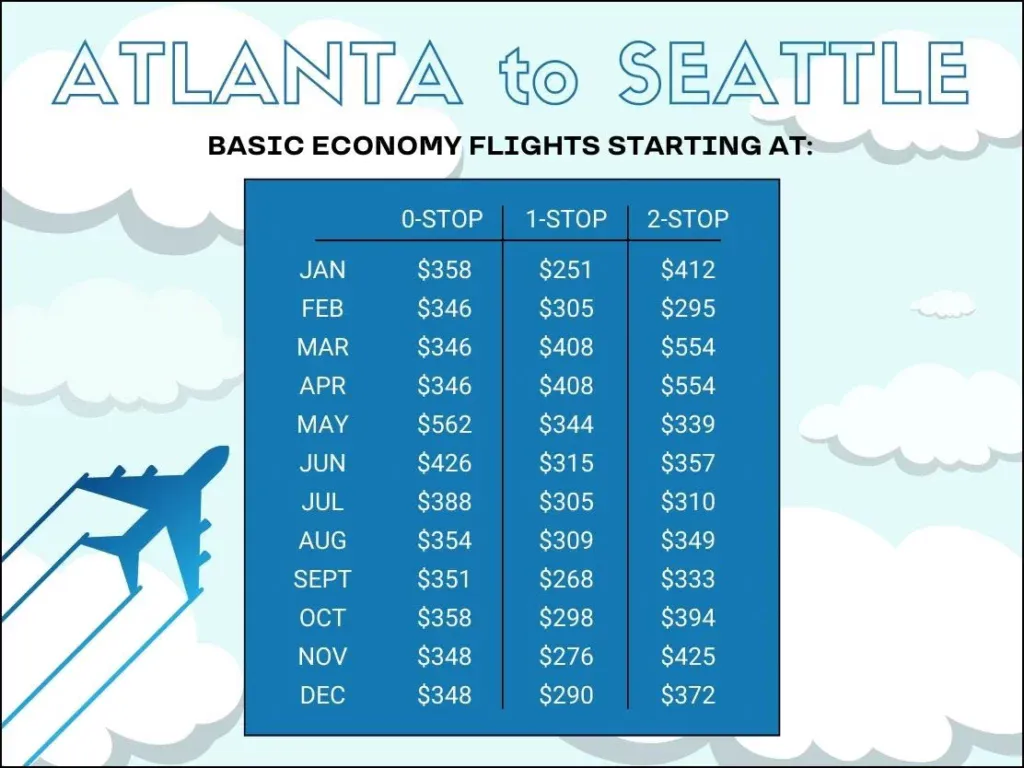
When booking flights, it’s always advisable to check multiple airlines and booking platforms. Comparing prices and flight times is essential, especially when considering connecting flights. For longer journeys, opting for a direct flight can significantly enhance comfort and reduce the overall stress of travel, even if it comes at a slightly higher price. Travelers should also pay close attention to the scheduled arrival times, factoring in potential delays and the time needed to deplane, clear immigration and customs (if applicable), and travel from the airport to their accommodation.
Navigating Time Zones and Jet Lag
Seattle operates on Pacific Standard Time (PST) or Pacific Daylight Time (PDT), which is UTC-8 or UTC-7 respectively. Understanding the time difference from your departure city is crucial for adjusting your schedule upon arrival and for communicating with people back home. For instance, a 5-hour flight from New York means that upon arrival in Seattle, a considerable portion of the day may have already passed, or it might be very late in the evening, impacting your first day of activities. Experiencing jet lag is common, especially after long-haul flights. Strategies to mitigate its effects include adjusting your sleep schedule a few days before departure, staying hydrated during the flight, and exposing yourself to natural light upon arrival.
Airport Information
Seattle-Tacoma International Airport (SEA) is the primary gateway to Seattle and the largest airport in the Pacific Northwest. It serves a vast array of domestic and international airlines. Familiarizing yourself with the airport layout, including terminal information and transportation options to and from the city center, can streamline your arrival and departure experience. Options include the Link Light Rail, taxis, ride-sharing services, and rental cars. Understanding the airport’s capacity and typical passenger flow can also help manage expectations regarding wait times for baggage claim or security.
By considering these factors and estimations, travelers can approach their flight to Seattle with greater confidence and a well-prepared plan, ensuring that the journey itself becomes a seamless prelude to the exciting experiences that await in the Emerald City.
LifeOutOfTheBox is a participant in the Amazon Services LLC Associates Program, an affiliate advertising program designed to provide a means for sites to earn advertising fees by advertising and linking to Amazon.com. Amazon, the Amazon logo, AmazonSupply, and the AmazonSupply logo are trademarks of Amazon.com, Inc. or its affiliates. As an Amazon Associate we earn affiliate commissions from qualifying purchases.