
The allure of Japan beckons travelers with its unique blend of ancient traditions and cutting-edge modernity. For those embarking on a journey from the Pacific Northwest, the flight from Seattle to Tokyo is a significant transatlantic endeavor. Understanding the duration of this flight is crucial for planning, packing, and preparing for the considerable time difference. This guide delves into the typical flight times, factors influencing them, and how to make the most of your travel time.
Understanding Flight Durations
When considering the flight from Seattle to Tokyo, it’s important to differentiate between direct flights and those with layovers. Each option presents a different time commitment and can significantly impact your overall travel experience.

Direct Flights
A direct flight from Seattle-Tacoma International Airport (SEA) to Tokyo Narita International Airport (NRT) or Tokyo Haneda Airport (HND) is the most efficient way to reach Japan. These non-stop journeys are operated by major airlines such as Japan Airlines, All Nippon Airways, and Delta Air Lines.
The average flight time for a direct route is approximately 9 to 10.5 hours. This duration can fluctuate slightly based on several variables, which we will explore later. Opting for a direct flight minimizes transit time, reduces the risk of lost luggage, and allows for a more seamless arrival experience. Travelers can maximize their time in Tokyo by departing Seattle in the morning or early afternoon, often arriving in Tokyo the following day due to the International Date Line.
Flights with Layovers
Flights with one or more layovers are generally less expensive but considerably longer. These itineraries often involve stops in major hubs such as Vancouver, Los Angeles, San Francisco, or even further afield in Honolulu or other North American cities.
The total travel time for flights with layovers can range from 13 hours to well over 20 hours, depending on the length of the layover and the number of connections. While these options might appeal to budget-conscious travelers, it’s essential to weigh the cost savings against the significant increase in travel time, potential for fatigue, and the inconvenience of navigating multiple airports. It is also important to account for the possibility of delays during layovers, which can further extend the journey.
Factors Influencing Flight Time
Several factors can influence the actual duration of a flight from Seattle to Tokyo, even for direct routes. Understanding these elements can help set realistic expectations for your travel plans.
Jet Streams
One of the most significant influences on transatlantic flight times is the presence and strength of jet streams. These are fast-flowing, narrow air currents in the Earth’s atmosphere. For flights traveling eastward from Seattle to Tokyo, favorable jet streams can significantly shorten the flight duration by providing a tailwind. Conversely, unfavorable winds or headwinds can extend the flight time. Airlines constantly monitor weather patterns, including jet streams, to optimize flight paths and minimize travel time.
Aircraft Type and Speed
Different aircraft models have varying cruising speeds. Modern, wide-body jets like the Boeing 777 or Airbus A350, commonly used on this route, are designed for efficiency and speed over long distances. While the difference in cruising speed between various models might be marginal in absolute terms, it can contribute to slight variations in flight duration on such long-haul journeys.
Air Traffic Control and Flight Path Optimization
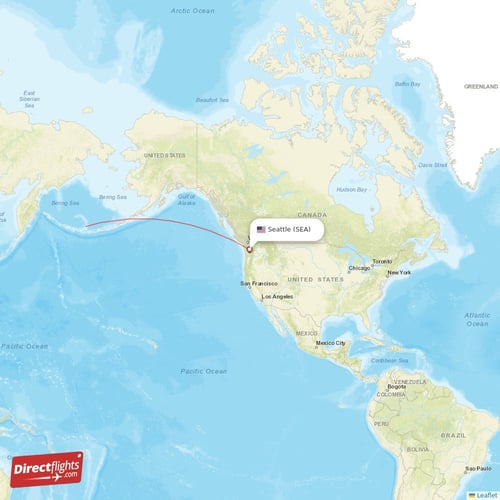
Air traffic control plays a vital role in managing the skies. Airlines work closely with air traffic control authorities in different regions to ensure safe and efficient flight paths. While direct routes are usually the shortest geographical distance, air traffic congestion, weather advisories, or other operational factors may necessitate slight deviations from the most direct path, potentially adding to the flight time. Airlines continuously work on optimizing flight paths to minimize delays and fuel consumption.
Time of Year and Seasonal Weather Patterns
While jet streams are a primary driver, seasonal weather patterns can also play a role. For example, during certain times of the year, storms or specific atmospheric conditions might influence flight routes. While this is less impactful than jet streams, it can contribute to minor variations in flight duration.
Making the Most of Your Long Flight
A flight of this length requires preparation to ensure a comfortable and enjoyable journey. Here are some tips to make your time in the air more productive and relaxing.
Pre-Flight Preparation
- Packing Smart: Pack essentials in your carry-on, including a neck pillow, eye mask, earplugs, noise-canceling headphones, and any necessary medications. A good book, downloaded movies, and a portable charger for your electronic devices are also highly recommended.
- Comfortable Attire: Wear loose, comfortable clothing. Layers are key, as cabin temperatures can fluctuate. Opt for breathable fabrics like cotton or merino wool. Slip-on shoes are convenient for navigating the cabin and airport security.
- Hydration: Start hydrating well before your flight. The cabin air is very dry, and it’s crucial to drink plenty of water throughout the journey to combat dehydration. Avoid excessive alcohol and caffeine, as they can contribute to dehydration.
During the Flight
- Movement: To combat stiffness and reduce the risk of deep vein thrombosis (DVT), it’s essential to move around the cabin periodically. Walk to the galley, do some simple stretches in your seat, or use the aisle for brief walks.
- Sleep: Utilize your travel pillow, eye mask, and earplugs to create a conducive environment for sleep. Try to adjust to your destination’s time zone as much as possible, even on the plane. If it’s nighttime in Tokyo, try to sleep.
- Entertainment and Productivity: Most long-haul flights offer in-flight entertainment systems with a wide selection of movies, TV shows, and music. Utilize this time for catching up on entertainment, reading, or even working if necessary. Download content beforehand to ensure availability.
- Nutrition: Stay hydrated and eat light, healthy meals if available. Many airlines offer meals designed for long-haul flights. If you have specific dietary needs, ensure you have informed the airline in advance.
Arrival in Tokyo
Arriving in Tokyo after a long flight can be disorienting due to the significant time difference. Tokyo operates on Japan Standard Time (JST), which is typically 16 or 17 hours ahead of Pacific Standard Time (PST) in Seattle.
Navigating the Time Difference
The immediate impact of this time difference is that departing Seattle on a Tuesday morning might mean arriving in Tokyo on a Wednesday afternoon or evening. This is due to crossing the International Date Line. Your body clock will likely be out of sync, leading to jet lag.
Managing Jet Lag
- Gradual Adjustment: Before arriving, try to gradually adjust your sleep schedule.
- Sunlight Exposure: Upon arrival, expose yourself to natural sunlight, especially in the morning, to help reset your body clock.
- Stay Active: Engage in light physical activity upon arrival to help combat fatigue and promote better sleep.
- Hydration and Diet: Continue to drink plenty of water and eat light, balanced meals.

Airport Procedures
Upon landing at either Narita International Airport (NRT) or Haneda Airport (HND), you will go through immigration and customs. Both airports are well-equipped to handle international arrivals efficiently. From there, you can utilize various transport options, including the Narita Express or Limousine Bus from Narita, or the Keikyu Line or Tokyo Monorail from Haneda, to reach your accommodation in the city.
Understanding the flight duration from Seattle to Tokyo is the first step in preparing for an extraordinary journey. Whether you choose a direct flight for speed or a connecting flight for economy, proper planning and preparation will ensure a smoother transition into the vibrant and captivating experience that awaits in Japan.
LifeOutOfTheBox is a participant in the Amazon Services LLC Associates Program, an affiliate advertising program designed to provide a means for sites to earn advertising fees by advertising and linking to Amazon.com. Amazon, the Amazon logo, AmazonSupply, and the AmazonSupply logo are trademarks of Amazon.com, Inc. or its affiliates. As an Amazon Associate we earn affiliate commissions from qualifying purchases.