
The bustling maritime heart of the Pacific Northwest, the Port of Seattle, is a vital hub for commerce, travel, and regional identity. Its iconic waterfront, teeming with activity from cargo ships to ferry terminals, often evokes an image of constant motion and vibrant energy. However, the question “Is the Port of Seattle empty?” prompts a deeper dive into the multifaceted nature of this sprawling enterprise, exploring not just its physical presence but also its economic significance, operational rhythm, and the unique experiences it offers to visitors.
The perception of “emptiness” can arise from various perspectives. For the casual observer, a lull in ferry traffic or a quiet weekday morning might momentarily suggest a lack of activity. Yet, beneath the surface, the Port of Seattle is a complex ecosystem, with operations running around the clock. Understanding its role requires looking beyond the visible and appreciating the intricate machinery of global trade, local transit, and the burgeoning tourism sector that it supports. This exploration will navigate through the different facets of the Port of Seattle, dispelling notions of emptiness and highlighting its enduring vitality.

The Economic Engine: More Than Just Ships
The primary function of the Port of Seattle is as a critical component of the region’s economy. It’s a gateway for international trade, facilitating the import and export of goods that fuel businesses across the United States and beyond. The terminals at Seattle handle a significant volume of containerized cargo, from electronics and apparel to agricultural products and machinery. This constant flow of goods is the lifeblood of numerous industries, supporting thousands of jobs directly and indirectly.
Container Terminals: The Heartbeat of Trade
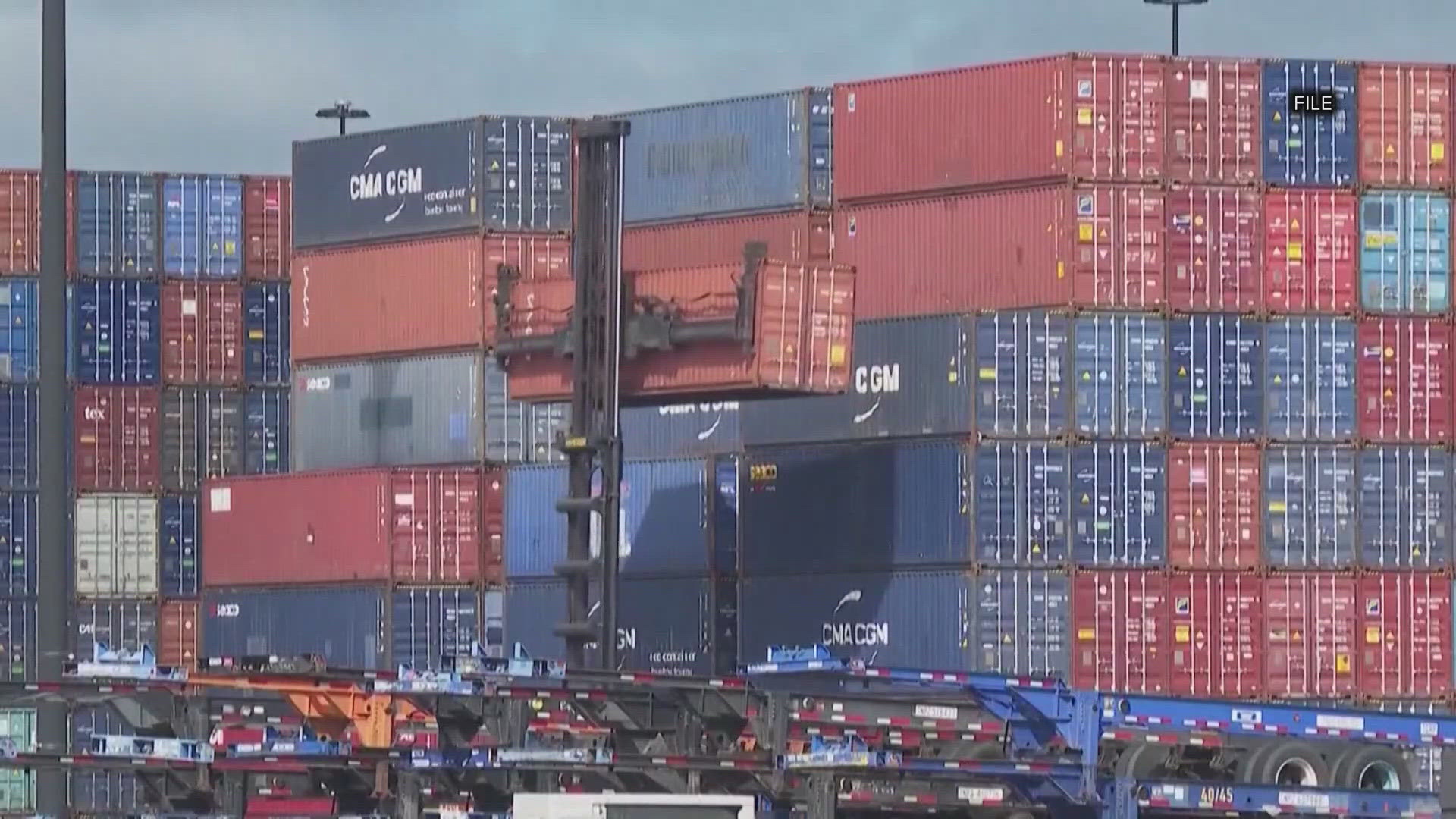
The vast container terminals, such as the Terminal 5 and Terminal 18, are the most visible symbols of the port’s economic might. Giant cranes, like colossal metallic birds, meticulously load and unload massive cargo ships. These vessels, some stretching longer than three football fields, are the titans of global commerce. While they might not be continuously present at every berth, their arrival and departure are meticulously scheduled, ensuring a steady, albeit sometimes staggered, rhythm of activity. The operations are highly automated and efficient, designed to minimize turnaround times and maximize throughput. The “emptiness” one might perceive is simply a testament to the precision and planning that underpins these operations, rather than a lack of underlying economic significance.
Fisheries and Aquaculture: A Sustainable Bounty
Beyond containerized cargo, the Port of Seattle is also a major hub for the fishing industry. The waterfront bustles with fishing vessels returning with their catches, contributing to the region’s renowned seafood scene. The port actively supports sustainable fishing practices and fisheries management, recognizing the ecological and economic importance of this sector. The processing plants and distribution networks operating within the port ensure that fresh, high-quality seafood reaches markets and restaurants throughout the region and beyond. This vital industry, while perhaps less visible to the casual visitor than the container terminals, is a constant source of activity and economic contribution.
Businesses and Employment: A City Within a City
The economic impact of the Port of Seattle extends far beyond its immediate boundaries. It’s a significant employer, providing jobs in logistics, stevedoring, warehousing, customs brokerage, and a myriad of support services. Furthermore, the port’s infrastructure attracts and supports a diverse range of businesses, from small enterprises to large corporations. This economic ecosystem is constantly evolving, adapting to global market trends and technological advancements, ensuring its continued relevance and contribution to the Washington State economy.
Passenger Journeys: Connecting People and Places
While cargo is a primary focus, the Port of Seattle is also a crucial nexus for passenger travel. Its ferry terminals and cruise ship facilities connect communities, facilitate tourism, and offer unique maritime experiences. The sight of ferries gliding across Puget Sound is an iconic image of the region, representing a vital link for commuters and sightseers alike.
Washington State Ferries: A Scenic Commute
The Washington State Ferries system, one of the largest in the United States, operates extensively from terminals within the port. Ferries to destinations like Bainbridge Island and Bremerton are more than just a mode of transport; they are an integral part of the local lifestyle and a popular tourist attraction. The terminals themselves, such as the Colman Dock in downtown Seattle, are vibrant hubs of activity, with regular sailings throughout the day. The perception of emptiness might stem from the fact that ferry schedules are designed for efficiency, with moments of quiet between departures and arrivals, but the system is in constant use.
Cruise Ship Terminal: Gateway to Alaska and Beyond
The Port of Seattle is a premier gateway for Alaska cruises. During the cruise season, the waterfront is transformed by the majestic presence of enormous cruise ships. These floating cities bring thousands of visitors to Seattle, injecting significant revenue into the local economy through pre- and post-cruise stays, shore excursions, and retail spending. The cruise terminals, such as the Pier 66 Cruise Terminal, are bustling with activity during embarkation and disembarkation days. While the cruise season has specific periods of intense activity, the infrastructure is maintained year-round, ready for the next wave of travelers.
Water Taxis and Local Boating: Urban Waterways
Beyond the larger ferry and cruise operations, the port also supports smaller-scale maritime activities. Water taxis provide rapid transit between various waterfront points, offering convenient and scenic travel for locals and tourists. The presence of pleasure craft and smaller commercial boats adds to the dynamic nature of the waterfront, showcasing the city’s deep connection to its waterways.
Waterfront Experiences: Beyond Commerce
The Port of Seattle is not solely defined by its commercial or transportation functions. Its waterfront has evolved into a significant destination for recreation, culture, and entertainment, offering a wealth of experiences for visitors and residents alike.
Pike Place Market: A Culinary and Cultural Icon
While technically adjacent to, and heavily influenced by, the port’s activities, the iconic Pike Place Market is an unmissable part of the waterfront experience. This historic public market, a national historic landmark, is a vibrant tapestry of sights, sounds, and smells. From the famous fish-throwing vendors to the artisanal food stalls and local crafts, Pike Place Market is a constant hive of activity. Its proximity to the ferry terminals and cruise ship piers makes it a natural starting point for exploring the port’s offerings.
The Seattle Waterfront Promenade: Views and Activities
The extensive waterfront promenade, stretching along the edge of downtown Seattle, provides unparalleled views of Puget Sound, the Olympic Mountains, and the ferries in transit. This pedestrian-friendly area is lined with attractions, including the Seattle Aquarium, the Great Wheel, and numerous seafood restaurants. During the day, especially on weekends and during the summer months, the promenade is alive with walkers, cyclists, and families enjoying the scenery and the fresh sea air. The perceived “emptiness” might occur during off-peak hours or in less frequented sections, but the overall promenade is a dynamic and engaging public space.
Maritime Heritage and Museums: Echoes of the Past
The port’s history is deeply intertwined with the maritime heritage of the Pacific Northwest. Museums and historical sites along the waterfront offer insights into the region’s seafaring past, from indigenous fishing traditions to the era of steamships and the Klondike Gold Rush. These cultural anchors provide context and a deeper appreciation for the port’s evolution and its enduring significance.
Navigating the Port: Tips for Visitors
For those looking to experience the Port of Seattle and its vibrant offerings, a little planning can enhance the visit. Understanding its operational rhythms and its diverse attractions can help dispel any notions of it being “empty.”
Planning Your Visit: Timing is Key
The port experiences peak activity during the summer months, particularly for cruise ship operations and the influx of tourists. Ferry schedules are consistent year-round, serving as a reliable transit option. For a more immersive experience of the commercial side, observing cargo operations from designated viewpoints can be fascinating, though access to active terminals is restricted for safety and security reasons.
Experiencing the Waterfront: A Day of Discovery
A day exploring the Seattle waterfront can encompass a ride on the Great Wheel for panoramic views, a visit to the Seattle Aquarium, a ferry trip to one of the nearby islands, and a culinary adventure at Pike Place Market. Many of the port’s attractions are designed for all seasons, ensuring a vibrant experience regardless of the time of year.

Understanding Port Operations: A Glimpse into the Engine Room
While the port’s core operations are often unseen by the public, understanding their scale and complexity reveals the constant, underlying activity. The economic engine of the Port of Seattle is always running, supporting jobs, facilitating trade, and connecting people. The “emptiness” is merely a fleeting perception, often overshadowed by the sheer magnitude and intricate workings of this vital maritime hub. The Port of Seattle is far from empty; it is a dynamic, essential, and ever-active cornerstone of the Pacific Northwest.
LifeOutOfTheBox is a participant in the Amazon Services LLC Associates Program, an affiliate advertising program designed to provide a means for sites to earn advertising fees by advertising and linking to Amazon.com. Amazon, the Amazon logo, AmazonSupply, and the AmazonSupply logo are trademarks of Amazon.com, Inc. or its affiliates. As an Amazon Associate we earn affiliate commissions from qualifying purchases.