
Understanding your gardening zone is a cornerstone of successful cultivation, especially when planning your botanical endeavors in a city as distinct as Seattle, Washington. This vibrant Pacific Northwest metropolis, known for its lush green spaces and distinct maritime climate, falls primarily within a specific USDA Plant Hardiness Zone. This designation is crucial for gardeners seeking to cultivate a thriving landscape, from delicate annuals to robust perennial shrubs.
Decoding Seattle’s Climate: The USDA Hardiness Zone Framework
The USDA Plant Hardiness Zone Map is a geographically referenced illustration that illustrates the average annual extreme minimum winter temperatures. Gardeners and horticulturists use this map to determine which perennial plants are most likely to survive a winter in a particular location. The zones are divided into 10-degree Fahrenheit increments, with Zone 1 being the coldest and Zone 13 being the warmest. Each zone is further divided into ‘a’ and ‘b’ sub-zones, representing 5-degree Fahrenheit increments.
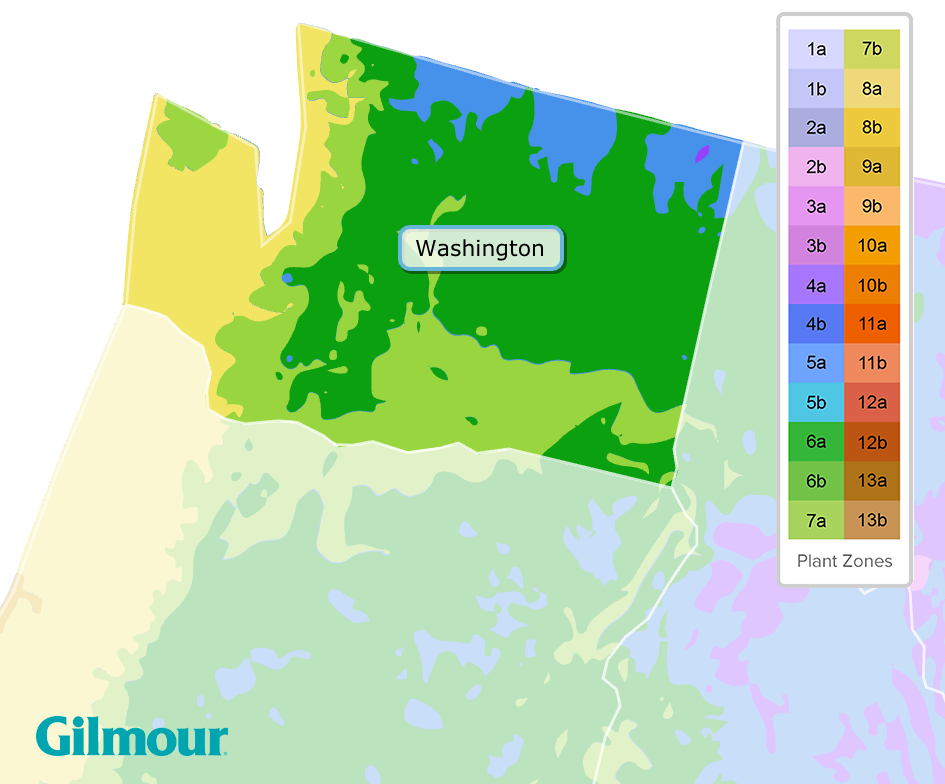
For Seattle, the prevailing USDA Hardiness Zones are predominantly Zone 8b and 9a. This classification is a testament to the city’s relatively mild winters, influenced significantly by the moderating effect of the Puget Sound and the broader Pacific Ocean. While Seattle may experience occasional cold snaps, the average minimum winter temperatures generally do not plunge into the deep freezes characteristic of colder regions.
- Zone 8b: This zone typically experiences average annual minimum winter temperatures between 15°F and 20°F (-12.2°C to -9.4°C). Plants rated for Zone 8b are expected to withstand these temperatures.
- Zone 9a: This warmer sub-zone has average annual minimum winter temperatures between 20°F and 25°F (-6.7°C to -3.9°C).
The presence of both zones across Seattle is due to microclimates within the city and its surrounding areas. Factors such as elevation, proximity to water, and urban heat island effects can create subtle variations in temperature. For instance, areas closer to the water or at lower elevations might lean more towards 9a, while those slightly inland or at higher elevations could be classified as 8b.
The Impact of Microclimates
Seattle’s diverse topography and its position along the Puget Sound create a fascinating array of microclimates that impact gardening.
- Water Influence: The vastness of the Puget Sound acts as a thermal buffer. Coastal areas often experience more moderate temperatures, with less extreme highs and lows, pushing them towards the warmer end of the spectrum (Zone 9a).
- Elevation and Topography: Neighborhoods situated on hillsides or further inland may experience slightly colder temperatures, especially during clear, still winter nights. This can shift their classification towards Zone 8b.
- Urban Heat Island Effect: The built environment of Seattle, with its concrete, asphalt, and concentrated human activity, can lead to slightly warmer temperatures within the urban core compared to surrounding rural areas. This effect can sometimes benefit gardeners by extending the growing season.
Why Zone Matters for Seattle Gardeners
Understanding that Seattle resides in Zones 8b and 9a is not merely an academic exercise; it directly informs horticultural decisions. It dictates the selection of perennial plants, those that are intended to live for more than two years.
- Perennial Success: Plants rated for Zone 8b and 9a will likely thrive year-round in Seattle’s climate. This includes a vast array of flowering shrubs, trees, and herbaceous plants. Examples include many varieties of roses, hydrangeas, fuchsias, and even some citrus plants in more sheltered microclimates.
- Annuals and Tender Perennials: While hardiness zones primarily apply to perennials, they also indirectly influence the planting of annuals and tender perennials. The mild winters mean that some plants that are considered annuals in colder climates might survive and even perennialize in Seattle, especially in protected garden spots.
- Strategic Planting: For gardeners aiming to push the boundaries and try plants rated for colder zones (e.g., Zone 7), Seattle offers a decent chance of success, particularly in warmer microclimates and with appropriate winter protection. Conversely, attempting to grow plants rated for much warmer zones (e.g., Zone 10) will likely prove unsuccessful without significant, and often impractical, horticultural intervention.
Gardening in Seattle: Beyond the Zone Number
While the USDA Hardiness Zone provides a foundational understanding, successful gardening in Seattle involves a nuanced appreciation of its unique environmental factors. Beyond winter lows, factors like rainfall, summer temperatures, and soil type play equally important roles.
Rainfall Patterns and Their Implications
Seattle is famously known for its drizzly, overcast weather, particularly during the fall, winter, and spring months. This abundant rainfall is a double-edged sword for gardeners.
- Watering Needs: For much of the year, supplemental watering is often unnecessary. The consistent moisture supports lush growth for many plants. However, during the drier summer months, especially in August and September, regular irrigation becomes essential.
- Disease Management: The damp conditions can create a favorable environment for fungal diseases, such as powdery mildew and root rot. Gardeners must choose disease-resistant varieties where possible and practice good garden hygiene, including proper spacing for air circulation and avoiding overhead watering late in the day.
- Soil Drainage: Given the high rainfall, well-draining soil is paramount. Many of Seattle’s soils can be heavy clay, which retains moisture. Amending the soil with organic matter, such as compost, is a crucial step to improve drainage and aeration, preventing waterlogged conditions that can harm plant roots.
Summer Conditions: A Pleasant Contrast
While winters are mild and wet, Seattle summers are generally warm and dry, offering a welcome change and a different set of gardening considerations.

- Sunlight and Heat: Summers are characterized by long daylight hours and a pleasant warmth, though extreme heatwaves are less common than in many other parts of the country. This makes it ideal for a wide range of vegetables and flowering plants that require ample sun.
- Drought Considerations: As mentioned, the dry summers necessitate a consistent watering schedule. Drip irrigation or soaker hoses are efficient methods to deliver water directly to the root zone, minimizing evaporation and water waste. Mulching also plays a vital role in retaining soil moisture and suppressing weeds during this period.
- Extended Growing Season: The combination of mild winters and warm summers contributes to an extended growing season, allowing for multiple plantings of certain vegetables and continuous blooming of many flowers.
Cultivating Success: Plants Suited for Seattle’s Zones
With a solid understanding of Seattle’s gardening zones (8b and 9a) and its climatic nuances, gardeners can make informed decisions about plant selection. The goal is to choose species that will not only survive but also thrive, contributing to a beautiful and productive landscape.
Perennials: The Backbone of the Seattle Garden
The mild winters mean that a vast array of perennials will flourish in Seattle. These are plants that return year after year, providing structure and recurring beauty.
- Flowering Shrubs: Hydrangeas, rhododendrons, azaleas, camellias, and roses are iconic choices that do exceptionally well. Their bloom times can be staggered to provide color throughout much of the year.
- Herbaceous Perennials: Hostas, ferns (a natural fit for the region’s moisture and shade), astilbes, heucheras, and salvias are excellent groundcovers and border plants. Many varieties of perennials that require winter protection in colder climates can be grown as reliable performers here.
- Edible Perennials: Rhubarb, asparagus, various berry bushes (blueberries, raspberries, blackberries), and even some fruit trees like apples and pears are well-suited to Seattle’s climate.
Annuals and Tender Perennials: Adding Seasonal Flair
While the zone primarily dictates perennial success, the mild climate allows for a more adventurous approach to annuals and tender perennials, many of which can overwinter or be easily replaced.
- Vegetable Gardens: Seattle is a fantastic place for growing a wide variety of vegetables. Cool-season crops like lettuce, spinach, kale, broccoli, and peas thrive in the spring and fall. Warm-season crops such as tomatoes, peppers, cucumbers, and zucchini flourish during the summer months. Many gardeners also find success with root vegetables like carrots and potatoes.
- Herbs: Most common culinary herbs, including basil, mint, parsley, rosemary, thyme, and chives, grow vigorously. Some, like rosemary and thyme, may even perennialize in sheltered spots.
- Tender Perennials as Annuals: Plants like fuchsias, geraniums (pelargoniums), and begonias are often treated as annuals but can survive mild winters in Seattle, especially if given protection or planted in well-drained containers that can be moved to a sheltered location.
Planning Your Seattle Garden: Practical Tips
To maximize your gardening success in Seattle, consider these practical tips that build upon the knowledge of its hardiness zones and climate.
Site Assessment and Preparation
Before planting, thoroughly assess your garden site.
- Sunlight Mapping: Observe how sunlight moves across your yard throughout the day and across different seasons. This will help you place sun-loving plants in the brightest spots and shade-tolerant species in more sheltered areas.
- Soil Testing and Amendment: Get your soil tested to understand its pH and nutrient content. Regardless of the results, incorporating generous amounts of compost is highly recommended to improve drainage, aeration, and fertility, especially given the clay-heavy soils common in the region. Raised beds are an excellent option for ensuring excellent drainage.
Water Management Strategies
Efficient water use is key, especially during the dry summer months.
- Rainwater Harvesting: Consider installing rain barrels to collect rainwater from your roof. This provides a free, sustainable water source for your garden.
- Drip Irrigation and Mulching: Install a drip irrigation system for targeted watering, and apply a thick layer of organic mulch (such as wood chips or straw) around plants to conserve soil moisture, suppress weeds, and regulate soil temperature.

Plant Selection for Resilience and Beauty
Choose plants that are known to perform well in Zones 8b and 9a, and that are suited to the region’s rainfall patterns.
- Native Plants: Explore Washington’s native plants. These are exceptionally well-adapted to the local climate and soil conditions, often requiring less maintenance and providing valuable habitat for local wildlife.
- Drought-Tolerant Options: Even with the rain, selecting some drought-tolerant species can be beneficial for the dry summer period, reducing your watering workload. Examples include many succulents, ornamental grasses, and certain Mediterranean herbs.
By understanding Seattle’s gardening zones and its unique climate, you are well-equipped to create a flourishing and beautiful garden that reflects the natural splendor of the Pacific Northwest. From the vibrant blooms of ornamental plants to the bounty of a home-grown vegetable patch, Seattle offers a rewarding environment for horticultural enthusiasts.
LifeOutOfTheBox is a participant in the Amazon Services LLC Associates Program, an affiliate advertising program designed to provide a means for sites to earn advertising fees by advertising and linking to Amazon.com. Amazon, the Amazon logo, AmazonSupply, and the AmazonSupply logo are trademarks of Amazon.com, Inc. or its affiliates. As an Amazon Associate we earn affiliate commissions from qualifying purchases.