
Understanding the local time in Seattle, Washington, is crucial for any traveler planning a visit, connecting with locals, or simply orienting themselves within the Pacific Northwest. Seattle operates on Pacific Standard Time (PST) during the winter months and Pacific Daylight Time (PDT) during the warmer months. This time zone shift is a common practice across much of North America, aiming to maximize natural daylight.
Understanding Time Zones in Seattle
Seattle is situated within the Pacific Time Zone. This zone encompasses a significant portion of the western United States, including states like California, Oregon, and parts of Idaho and Nevada, as well as western Canada. The precise UTC (Coordinated Universal Time) offset for Seattle varies depending on whether Daylight Saving Time is in effect.
Pacific Standard Time (PST)
During the period of Pacific Standard Time (PST), Seattle observes UTC-8. This typically runs from the first Sunday in November through the second Sunday in March. When Seattle is on PST, it is eight hours behind Coordinated Universal Time. For instance, if it is noon UTC, it would be 4:00 AM in Seattle. This is the standard time observed when the days are shorter, and the sun sets earlier.
Pacific Daylight Time (PDT)
When Daylight Saving Time is observed, Seattle switches to Pacific Daylight Time (PDT), which is UTC-7. This period generally starts on the second Sunday in March and ends on the first Sunday in November. During PDT, Seattle is seven hours behind Coordinated Universal Time. So, if it is noon UTC, it would be 5:00 AM in Seattle. The switch to PDT is intended to provide more usable daylight in the evenings during the spring and summer months, a common practice for many cities seeking to enhance outdoor activities and reduce energy consumption.
The Mechanics of Daylight Saving Time
The transition to and from Daylight Saving Time is a carefully scheduled event. Clocks are typically moved forward by one hour in the spring (usually on a Sunday morning) and backward by one hour in the fall (again, on a Sunday morning). This means that on the day of the time change, the day is either one hour shorter or one hour longer. These transitions can sometimes cause minor disruptions to flight schedules and other time-sensitive operations, though modern travel systems are usually well-equipped to handle them. Understanding these shifts is vital for travelers booking flights into or out of Seattle-Tacoma International Airport (Sea-Tac) or making arrangements for business meetings.
Why Time Zones Matter for Travelers
For visitors arriving in Seattle, knowing the local time is paramount for a seamless travel experience. It directly impacts flight arrivals and departures, hotel check-in and check-out times, and the scheduling of tours and activities. Beyond the practicalities, understanding the time zone helps in adjusting to a new environment, managing jet lag, and appreciating the rhythm of daily life in the city.
Navigating Flight Schedules
Airlines always list flight times in local time. Therefore, if you are flying from New York City (Eastern Time Zone, UTC-5 or UTC-4 during EDT) to Seattle, you will need to account for the three-hour time difference. A flight departing New York at 10:00 AM EST will arrive in Seattle at 1:00 PM PST (assuming no Daylight Saving Time adjustments for simplicity in this example). It’s essential to verify the departure and arrival times in their respective local time zones when booking and confirming your flights. For international travelers, understanding the difference from UTC is the most straightforward way to calculate arrival times, especially when crossing multiple time zones.
Hotel Bookings and Check-in
Hotel check-in and check-out times are strictly based on local time. Most hotels in Seattle have a standard check-in time around 3:00 PM and a check-out time around 11:00 AM or 12:00 PM. If you are arriving early in the morning, you may need to arrange for early check-in or store your luggage with the concierge. Similarly, if your flight departs late in the day, you might consider a late check-out or simply use the hotel’s facilities until your departure. Knowing the local time helps in planning your day upon arrival and before departure, ensuring you make the most of your stay.
Planning Activities and Tours

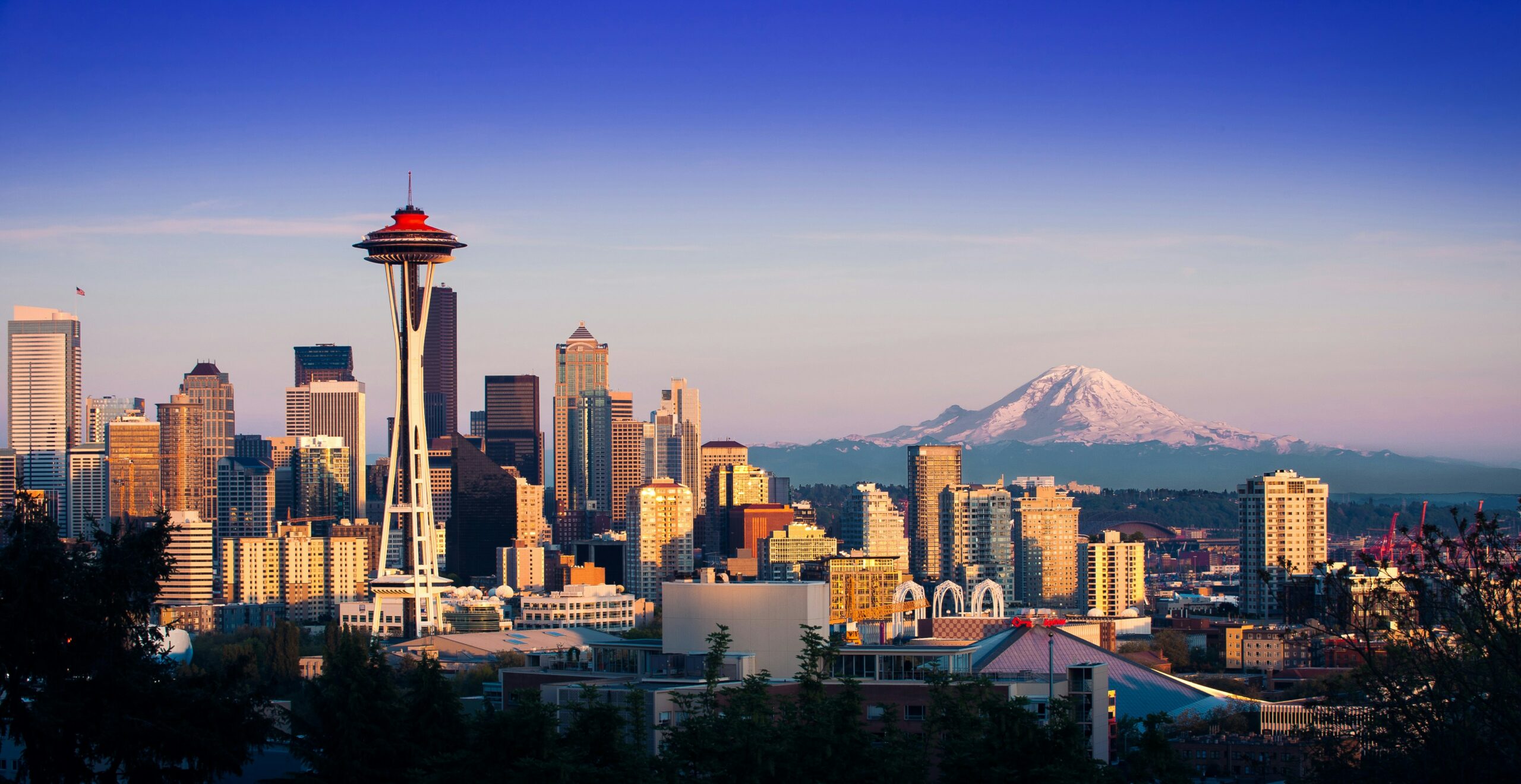
Seattle offers a wealth of attractions, from the iconic Space Needle and the bustling Pike Place Market to scenic ferry rides across Puget Sound. Many tours and activities have specific start times, and being punctual is key. If you’ve booked a morning tour of Chihuly Garden and Glass, understanding that 9:00 AM in Seattle is a very different time from 9:00 AM in London (GMT, UTC+0) is fundamental. For those venturing out to nearby natural wonders like Mount Rainier National Park, planning your departure time based on Seattle‘s local time ensures you have adequate daylight for your explorations.
Daily Life and Activities in Seattle
The local time in Seattle dictates the rhythm of daily life for its residents and influences the optimal times for various activities. From the morning commute to evening entertainment, understanding the clock is key to experiencing the city like a local.
Morning in Seattle
Mornings in Seattle often begin early, especially for those commuting to work in the downtown core or the tech hubs in Redmond. Many coffee shops, a staple of Seattle culture, open their doors by 6:00 AM or 7:00 AM. This is also a popular time for residents to engage in outdoor activities like jogging along the waterfront or cycling. The sunrise time in Seattle varies significantly throughout the year, with winter mornings being quite dark and summer mornings offering early light. Knowing the local time helps in planning your first meal or your morning workout.
Afternoon Exploration
The afternoon in Seattle is prime time for exploring its diverse neighborhoods and attractions. Museums like the Museum of Pop Culture (MoPOP) are typically open from mid-morning until late afternoon or early evening. Lunch breaks are common between 12:00 PM and 2:00 PM. If you are planning a visit to the Ballard Locks or exploring the shops in Fremont, the afternoon offers ample daylight, especially during the PDT period, to enjoy these outdoor sights.
Evening and Nightlife
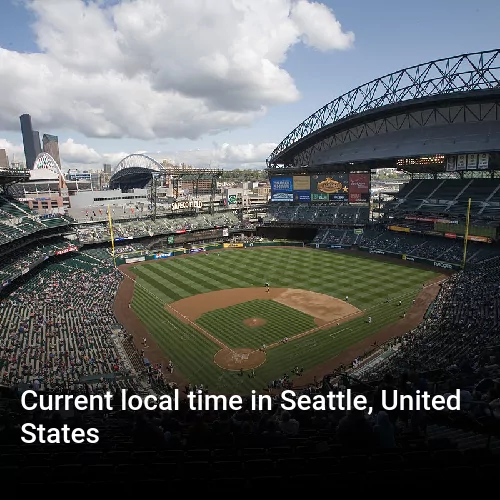
As daylight hours shorten, Seattle‘s evening scene comes alive. Restaurants in neighborhoods like Capitol Hill and Belltown start serving dinner from around 5:00 PM onwards. Many theaters, including the historic Paramount Theatre, host evening performances, with showtimes often beginning at 7:30 PM or 8:00 PM. For those interested in catching a Seattle Mariners baseball game at T-Mobile Park or a Seattle Kraken hockey game at Climate Pledge Arena, evening games are the norm, typically starting between 6:00 PM and 7:30 PM. The exact sunset time is a direct reflection of the local time and the season, influencing how much of the city’s evening glow you can enjoy.
Staying Connected Across Time Zones
For those with friends, family, or business associates outside of Seattle, understanding the time difference is essential for effective communication. A simple glance at a world clock or a quick online search will reveal the current time in other major cities around the globe.
Business Communications
In the business world, precision in scheduling meetings and communications is critical. If you are coordinating with a team in London, you’ll need to be aware that they are significantly ahead of Seattle time. A 9:00 AM meeting in Seattle would be 5:00 PM in London during GMT, making it a late afternoon call for London colleagues. Conversely, a late afternoon email sent from Seattle might arrive first thing in the morning for someone on the East Coast of the United States. Using tools that display multiple time zones can be incredibly helpful for international business operations.
Maintaining Personal Connections
For personal relationships, being mindful of time differences ensures you don’t inadvertently disturb someone’s sleep or their busy workday. A quick text message or video call to family on the East Coast should ideally be made during their waking hours, which means adjusting for the three-hour difference from Seattle. Similarly, if you are in Seattle and want to call someone in Hawaii (which observes Hawaii Standard Time, HST, UTC-10, and does not observe Daylight Saving Time), you’ll need to account for that additional hour difference.
Embracing Seattle’s Time
Whether you are a visitor or a resident, understanding Seattle‘s local time is more than just knowing the hour; it’s about aligning yourself with the city’s rhythm. From the first rays of dawn illuminating the Olympic Mountains to the vibrant lights of downtown after sunset, time in Seattle shapes every experience. By staying informed about PST and PDT, you can navigate your travels, business, and personal connections with ease, fully embracing all that the Emerald City has to offer.
LifeOutOfTheBox is a participant in the Amazon Services LLC Associates Program, an affiliate advertising program designed to provide a means for sites to earn advertising fees by advertising and linking to Amazon.com. Amazon, the Amazon logo, AmazonSupply, and the AmazonSupply logo are trademarks of Amazon.com, Inc. or its affiliates. As an Amazon Associate we earn affiliate commissions from qualifying purchases.