
Embarking on a journey, whether for leisure, business, or an extended stay, involves meticulous planning. Among the myriad considerations, understanding the local tax landscape often emerges as a critical, yet frequently overlooked, component of budgeting. When considering a trip to the heart of the Southern United States, the state of Alabama presents a unique blend of rich history, vibrant culture, and diverse natural beauty. But for the discerning traveler, a pertinent question arises: “Does Alabama have state tax?” The straightforward answer is yes, Alabama does levy various state taxes, and understanding them is key to a seamless and budget-friendly travel experience.
Far from being a deterrent, this knowledge empowers visitors to plan more effectively, ensuring that their focus remains on soaking in the charm of Alabama’s Gulf Coast, exploring its historic cities, or delving into its fascinating heritage. This comprehensive guide will navigate the intricacies of Alabama’s tax system, focusing on what matters most to travelers, from sales taxes on souvenirs and dining to lodging taxes on hotels and resorts, all while showcasing why the Heart of Dixie remains an irresistible destination.
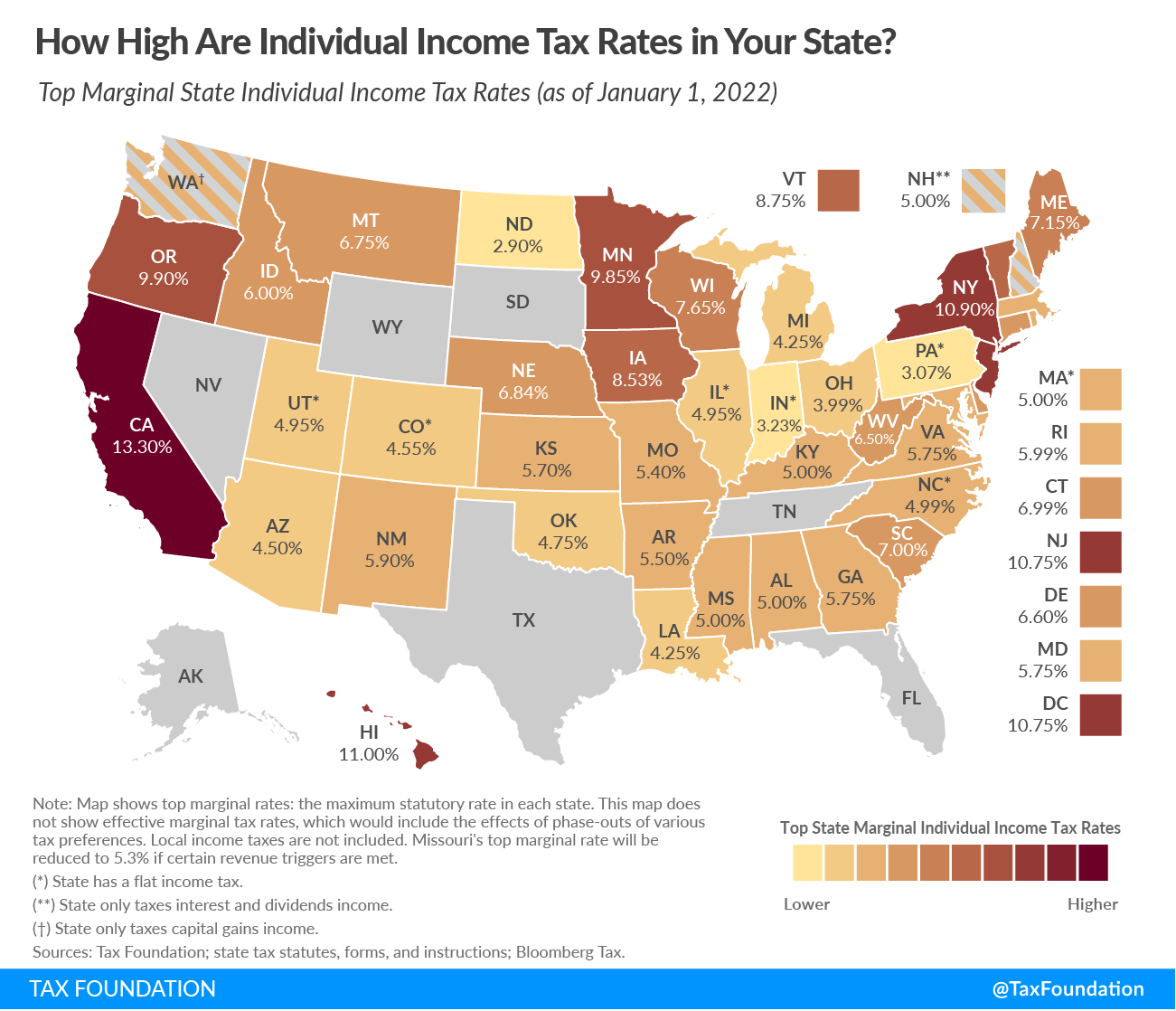
Understanding Alabama’s Tax Landscape for Travelers
When you travel to a new destination, understanding the local economy and its tax structure can significantly influence your budgeting and overall experience. Alabama’s tax system, like many other states in the United States, is a multifaceted framework that includes state income tax, sales tax, property tax, and specific taxes such as those on lodging and certain services. For the typical tourist, the most directly impactful taxes will be sales tax and lodging tax, but a broader understanding can offer insights into the cost of living and the general economic environment that shapes your travel choices.
State Income Tax: What Visitors Need to Know
While the phrase “state income tax” might initially raise concerns for travelers, it’s important to clarify its primary application. Alabama does indeed have a state individual income tax, with rates that are generally progressive, meaning higher earners pay a higher percentage. However, for the vast majority of tourists visiting for leisure, this tax has no direct bearing on their travel expenses or budget. State income tax is typically levied on the income earned by residents of the state or by non-residents who earn income within the state’s borders through employment or business activities.
Unless you are planning an extended business stay, engaging in temporary work within Alabama, or considering relocation, the state income tax is unlikely to directly affect your vacation budget. Its indirect impact, however, is part of the broader economic picture. Income taxes contribute to state revenues, which in turn fund public services, infrastructure projects, and the maintenance of attractions. This means that while you don’t pay it directly, it helps maintain the roads you drive on, the state parks you visit, and the general quality of life that makes Alabama an appealing place to visit. Businesses operating in Alabama also pay various taxes, which are factored into their operational costs and subsequently into the prices of goods and services.

Sales Tax: A Key Consideration for Your Alabama Trip
For any traveler, sales tax is arguably the most pervasive and noticeable tax. In Alabama, sales tax is levied on the retail sale of tangible personal property and certain services. The state sales tax rate is 4%. However, this is just the beginning. What makes Alabama’s sales tax structure particularly noteworthy is the addition of local sales taxes, which can vary significantly from one county or city to another. This means the actual sales tax you pay can be much higher than the state rate, often reaching totals between 8% and 11% or even higher in some localities.
For example, while the state rate is 4%, a city like Birmingham has its own city sales tax, along with a county sales tax for Jefferson County, combining for a much higher overall rate. This combined sales tax will apply to almost everything you purchase during your trip:
- Dining: From casual eateries in Montgomery to fine dining experiences in Mobile, your restaurant bills will include sales tax.
- Retail Purchases: Souvenirs from the U.S. Space & Rocket Center in Huntsville, clothing from a boutique, or groceries for a self-catering stay will all be subject to sales tax.
- Entertainment: Tickets to theme parks, museums, concerts, or sporting events may also include sales tax, depending on the specific venue and type of event.

It’s crucial to factor this varying sales tax into your daily budget. A meal that costs $20 before tax could easily become $22 or more after a combined 10% local sales tax is applied. For budget-conscious travelers, researching the specific sales tax rates for the cities and counties they plan to visit is a smart move, allowing for more accurate financial planning.
Lodging and Accommodation Taxes: Planning Your Stay
Perhaps the most significant tax consideration for travelers revolves around lodging. Alabama imposes a state lodging tax, which is applied to the rental of rooms, lodging, or accommodations by hotels, motels, bed and breakfasts, and similar establishments. Similar to sales tax, local jurisdictions often add their own lodging taxes, significantly increasing the total cost of your stay.
The state lodging tax rate in Alabama is 4%. However, county and city lodging taxes can push the combined rate much higher. In popular tourist destinations like Gulf Shores and Orange Beach on the Alabama Gulf Coast, where vacation rentals, resorts, and hotels are abundant, these local lodging taxes can be substantial. For instance, you might find combined lodging tax rates that exceed 13-15% in certain areas. This means a $100 per night hotel room could end up costing $115 or more, purely due to taxes, before any resort fees or other charges are added.
For travelers booking accommodation, whether through traditional hotels, vacation rentals like those found on platforms for apartments or villas, or even long-term stays, it’s vital to:
- Review Booking Details: Always check the “total price” breakdown before confirming a reservation. Many booking sites will display the estimated taxes and fees, but sometimes these are only finalized at checkout or upon arrival.
- Consider Location: The difference in lodging tax between a major city and a smaller, less populated area can be considerable. If you’re flexible with your location, this could be a factor in saving money.
- Budget Accordingly: Allocate a separate portion of your accommodation budget specifically for these taxes, especially if you plan an extended stay or are booking luxury resorts where the percentage can amount to a significant sum.
Lodging taxes are a direct contribution to local tourism infrastructure, marketing, and services, so while they add to your cost, they also help enhance the visitor experience by funding convention centers, visitor bureaus, and local attractions.
Property Tax and Its Indirect Impact on Tourism
While property taxes are not directly paid by travelers, they play an essential, albeit indirect, role in the overall tourism ecosystem. Property tax in Alabama is levied by local governments (counties and municipalities) on real estate. Alabama is known for having some of the lowest property tax rates in the United States, which can be an attractive factor for residents and businesses alike.
How does this affect tourism?
- Business Costs: Lower property taxes can translate into lower operating costs for businesses, including hotels, restaurants, and attractions. These savings could theoretically be passed on to consumers through more competitive pricing, although market dynamics are complex.
- Infrastructure Investment: Property taxes, along with other local taxes, fund local services such as schools, police, fire departments, and local infrastructure projects like roads, parks, and public facilities. A well-maintained infrastructure, from clean public spaces to efficient transportation, directly enhances the visitor experience.
- Real Estate Market: The low property tax environment can encourage investment in real estate, potentially leading to more diverse and high-quality accommodation options, from boutique hotels to renovated historic properties and modern vacation rentals, catering to various travel lifestyles.
Therefore, while you won’t see property tax on your hotel bill, its influence on the local economy and the quality of the visitor experience is undeniable.
Navigating Alabama’s Tax Structure: Tips for Budget-Conscious Travelers
Alabama offers a wealth of experiences for every type of traveler, from pristine beaches to historic landmarks and vibrant cityscapes. Understanding and anticipating the various taxes can help you make the most of your budget, allowing you to allocate more funds towards unforgettable experiences rather than unexpected costs.
Researching Local Taxes Before You Go
The key to smart budgeting in Alabama is proactive research. Given the significant variations in local sales and lodging taxes, a little homework can go a long way.
- Specific City/County Rates: Before booking your accommodation or planning your dining experiences, search for the specific sales tax and lodging tax rates for the cities and counties you intend to visit. For example, the rates in Dauphin Island may differ from those in Tuscaloosa or Auburn. Many local tourism websites or government portals provide this information.
- Online Booking Platforms: Pay close attention to the tax breakdown provided by online travel agencies (OTAs) or direct hotel websites. Often, the initial displayed price doesn’t include all taxes and fees.
- Contact Establishments: For unique accommodations like private villas or certain boutique hotels, it might be beneficial to directly inquire about their full tax structure before booking.
Knowing these figures upfront empowers you to set a more accurate budget and avoid any surprises when your bill arrives.
Budgeting for Hidden Costs
Even with research, taxes can sometimes feel like “hidden costs” because they add a percentage on top of the advertised price. To truly be a budget-conscious traveler in Alabama:
- Buffer Your Budget: Always add a buffer to your estimated daily expenses for dining, shopping, and entertainment. If you anticipate spending $50 on meals, mentally add 10% to 12% for sales tax, bringing it to $55 or $56.
- Accommodation Cushion: When calculating your nightly accommodation rate, don’t just use the base price. Factor in the combined state and local lodging taxes. If a hotel room is advertised at $150, and the combined lodging tax in that area is 13%, plan for it to be closer to $169.50 per night.
- Rental Cars: While not strictly a state tax, be aware that rental cars often come with their own set of taxes and fees, including state and local rental car taxes, which can add a significant amount to the daily rate. Always get an all-inclusive quote.
By consciously accounting for these additions, you ensure that your trip remains enjoyable and free from financial stress.
Exploring Tax-Friendly Activities and Destinations
While taxes are unavoidable, you can still strategically plan your itinerary to minimize their overall impact on your budget.
- Free Attractions: Alabama boasts numerous free attractions. Explore the scenic beauty of Cheaha State Park (though park entrance fees may apply, they are typically minimal compared to commercial attractions), stroll through historic districts in Mobile or Montgomery, or visit the free sections of museums. The Civil Rights Trail offers many significant sites where entry might be free or low-cost, or where the experience is primarily outdoor exploration.
- Outdoor Activities: Embrace Alabama’s natural splendor. Hiking, biking, swimming, and picnicking in its beautiful state parks or along the Tennessee River offer incredible experiences with minimal tax implications (aside from sales tax on supplies). A day spent kayaking in Gulf State Park or exploring Little River Canyon National Preserve involves far fewer taxable transactions than an entire day of shopping.
- Self-Catering: For longer stays, consider booking accommodation with kitchen facilities (like an apartment or villa). Buying groceries from a supermarket and preparing some of your meals can significantly reduce your dining expenses, which are heavily taxed. While groceries are subject to sales tax, you might spend less overall than constantly dining out.
- “All-Inclusive” Options: While rare for typical hotels, some resorts or specialized packages might bundle certain costs. Always verify what is truly included and if taxes are already factored into the advertised price.
By balancing paid activities with free or low-cost alternatives, you can enjoy the best of Alabama without breaking the bank.
Beyond Taxes: Why Alabama is a Must-Visit Destination
While navigating Alabama’s tax structure is a practical necessity, it’s essential not to let it overshadow the incredible experiences that await you. The Heart of Dixie offers a unique tapestry of history, culture, natural beauty, and warm hospitality, making it a compelling destination for diverse travel interests. The value and richness of its offerings often outweigh the relatively modest impact of its taxes.
Diverse Attractions and Experiences
Alabama is a state of remarkable contrasts and compelling attractions.
- Historic Depth: Delve into pivotal moments of American history along the Civil Rights Trail. Visit the Birmingham Civil Rights Institute, the Rosa Parks Museum, and the Dexter Avenue King Memorial Baptist Church in Montgomery. These sites offer profound educational experiences and a deep understanding of the struggle for equality.
- Space and Innovation: In Huntsville, dubbed “Rocket City,” the U.S. Space & Rocket Center offers an exhilarating journey into space exploration, ideal for family trips and science enthusiasts. It’s one of the largest space museums in the world and an awe-inspiring landmark.
- Coastal Bliss: The pristine white sands and emerald waters of Gulf Shores and Orange Beach provide a perfect escape for those seeking sun, sand, and sea. From fishing charters to dolphin cruises, and relaxing on the beach, the Alabama Gulf Coast offers quintessential beach vacation experiences.
- Musical Heritage: Explore the legendary music scene in Muscle Shoals and The Shoals area, where countless iconic recordings were made. This is a must-visit for music aficionados.
- Outdoor Adventures: From hiking in the Appalachian foothills to fishing in the Tennessee River, Alabama’s natural landscapes invite exploration. Golf enthusiasts can challenge themselves on the world-renowned courses of the Robert Trent Jones Golf Trail.
- Unique Landmarks: Don’t miss the iconic Vulcan Park and Museum in Birmingham, offering panoramic city views, or the McWane Science Center for engaging family fun. For racing fans, the Talladega Superspeedway offers an adrenaline-pumping experience.
Accommodation Options for Every Budget
Alabama’s tourism infrastructure ensures a wide array of accommodation choices to suit every preference and budget, from luxury travel to budget-friendly stays and family trips.
- Luxury Resorts: Experience opulent stays at high-end resorts along the Gulf Coast or in major cities like Birmingham and Mobile, offering top-tier amenities, fine dining, and personalized services.
- Boutique Hotels: Discover unique charm and local character in boutique hotels, often found in historic downtowns, providing a more intimate and culturally immersive experience.
- Family-Friendly Hotels & Suites: Many establishments cater specifically to families, with spacious suites, pools, and kid-friendly activities, particularly in tourist hotspots.
- Vacation Rentals (Apartments, Villas): For longer stays, group travel, or those preferring self-catering, the market for apartments, villas, and vacation homes is robust, especially in coastal areas and college towns like Auburn and Tuscaloosa.
- Budget Accommodation: From well-known hotel chains offering reliable service to independent motels and campgrounds in state parks, budget-conscious travelers will find ample options to ensure a comfortable stay without overspending.
Regardless of your choice, remembering to factor in the local lodging taxes will help ensure your booking aligns perfectly with your financial plan.
Lifestyle and Local Culture
Beyond the specific attractions and accommodations, Alabama offers a distinct lifestyle and rich local culture that enriches any visit.
- Culinary Delights: Indulge in authentic Southern cuisine, from mouth-watering BBQ and fresh seafood on the coast to farm-to-table experiences in urban centers. Alabama’s food scene is a destination in itself, reflecting its diverse heritage.
- Southern Hospitality: Experience the renowned warmth and friendliness of Southern hospitality, where locals often go out of their way to make visitors feel welcome.
- Vibrant Events: Depending on the season, you might encounter lively music festivals, art shows, historical reenactments, or local fairs, offering a glimpse into Alabama’s community spirit.
In conclusion, while Alabama does have state taxes, including income tax (mostly for residents), sales tax, and lodging tax, these should not deter you from exploring this incredible state. With a little foresight and strategic planning, particularly in researching local sales and accommodation tax rates, you can easily incorporate these costs into your travel budget. The value offered by Alabama’s stunning landscapes, profound history, vibrant culture, and welcoming atmosphere makes it a truly rewarding destination, well worth the minimal tax considerations. Embrace the planning, and prepare for an unforgettable adventure in the Heart of Dixie!
LifeOutOfTheBox is a participant in the Amazon Services LLC Associates Program, an affiliate advertising program designed to provide a means for sites to earn advertising fees by advertising and linking to Amazon.com. Amazon, the Amazon logo, AmazonSupply, and the AmazonSupply logo are trademarks of Amazon.com, Inc. or its affiliates. As an Amazon Associate we earn affiliate commissions from qualifying purchases.