
The thrill of the FIFA World Cup is undeniable, a global spectacle that captures the hearts of billions. While the tournament itself is a nomadic event, shifting its location every four years, the anticipation often leads fans to explore potential host cities and plan their experiences well in advance. For those specifically wondering about Seattle, the Emerald City, and its potential role in hosting this prestigious event, understanding the qualification process, past bids, and the general timeline of tournament selection is crucial for any aspiring traveler or dedicated fan looking to immerse themselves in the atmosphere.

Seattle’s Bid and the Road to Hosting
The journey of a city to becoming a World Cup host is a complex and lengthy one, involving rigorous application processes, extensive infrastructure assessments, and compelling bids that highlight not only sporting facilities but also the city’s capacity to manage a global event of this magnitude. Seattle has a rich history of hosting major sporting events, including the Concacaf Gold Cup and significant matches during the 1996 Olympics when the city served as a venue for the soccer preliminaries. This experience has positioned Seattle as a strong contender for future international tournaments.
The Joint Bid for 2026
The most prominent opportunity for Seattle to host World Cup matches arose with the United Bid for the 2026 FIFA World Cup. This was a historic collaboration between three North American nations: the United States, Canada, and Mexico. This unprecedented joint bid aimed to leverage the existing infrastructure and fan bases of these three countries, making it a compelling proposal for FIFA. Seattle was one of the shortlisted cities within the United States that expressed strong interest and prepared a comprehensive bid to be a host city.
Infrastructure and Venues
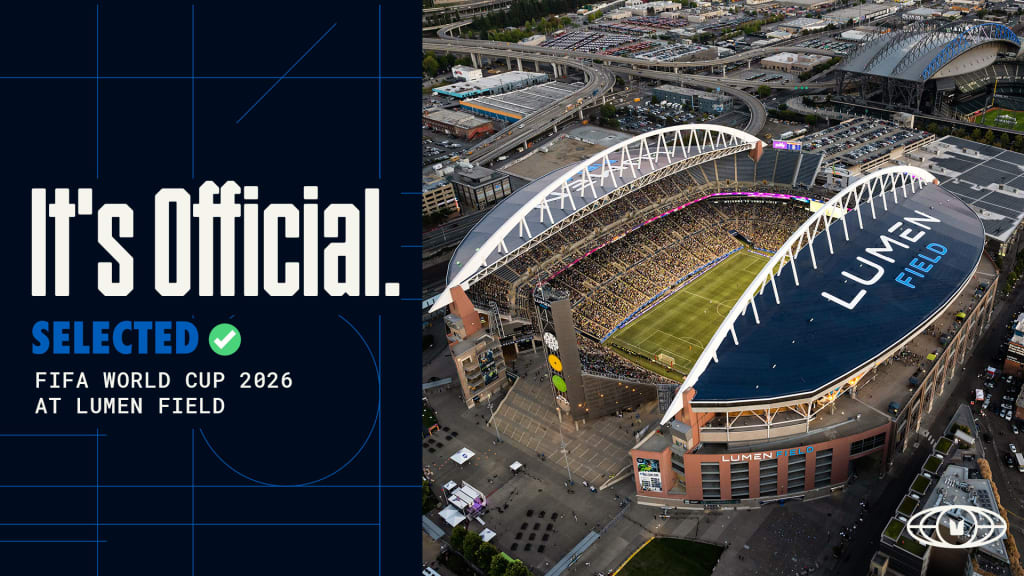
A key component of any World Cup bid is the suitability of its stadiums and training facilities. Seattle boasts Lumen Field, a state-of-the-art stadium that has consistently proven its capability to host large-scale events. With a capacity of over 69,000, it offers a vibrant atmosphere and has undergone significant upgrades over the years, making it a prime candidate for world-class soccer matches. Beyond the main venue, potential host cities must also demonstrate the availability of high-quality training grounds, accommodation for teams and officials, and efficient transportation networks to connect these elements seamlessly. Seattle’s urban infrastructure and its surrounding natural beauty also add to its appeal as a destination for international visitors.
The Selection Process
FIFA’s selection process is known for its thoroughness. The United Bid, including Seattle as a proposed venue, was evaluated against strict criteria. These criteria typically include stadium capacity and quality, security, transportation infrastructure, accommodation options, and financial guarantees. The bid was evaluated by FIFA’s Congress, which ultimately voted on the host nation(s). The announcement of the host for the 2026 FIFA World Cup was made on June 13, 2018, confirming the joint bid from North America.
Seattle Confirmed as a Host City for 2026
Following the successful bid by the United States, Canada, and Mexico, Seattle was officially announced as one of the host cities for the 2026 FIFA World Cup. This means that the city will welcome teams and fans from across the globe for matches played on its soil. The tournament is scheduled to take place in June and July of 2026, marking a significant moment for the city and for soccer enthusiasts in the region.
Dates and Schedule
While the exact match schedule for each city is typically released closer to the tournament, the 2026 FIFA World Cup is confirmed to run from June 11 to July 19, 2026. This provides a substantial window for Seattle to experience the unique energy and excitement of the World Cup. Fans can anticipate a series of matches, potentially including group stage games and possibly later rounds depending on the tournament structure and allocation. Planning travel and accommodation well in advance is highly recommended given the global draw of the event.

Fan Experience and Activities
Hosting the World Cup transforms a city into a vibrant hub of international culture and athletic celebration. For Seattle, this means an influx of visitors eager to experience not only the matches at Lumen Field but also the city’s renowned attractions and local flavor. The city is known for its stunning natural beauty, with proximity to Mount Rainier National Park and the waters of Puget Sound. Beyond its natural wonders, Seattle offers a dynamic urban landscape with iconic landmarks such as the Space Needle, the bustling Pike Place Market, and a thriving music and arts scene.
Exploring Seattle Beyond the Stadium
Visitors to Seattle during the World Cup will have ample opportunity to explore. The city’s renowned culinary scene, featuring fresh seafood and innovative cuisine, will undoubtedly be a draw. From world-class museums like the Museum of Pop Culture (MoPOP) to the unique shops and eateries of neighborhoods like Fremont and Ballard, there’s a diverse range of experiences to suit every taste. For fans looking to soak in the atmosphere outside of the stadium, numerous fan zones and public viewing areas will likely be established, creating communal spaces for celebration and camaraderie.
Planning Your World Cup Trip to Seattle
With Seattle confirmed as a host city for the 2026 FIFA World Cup, the time to start planning a trip is now. The influx of international visitors and fans from across the United States will put considerable demand on accommodations, transportation, and local services. Proactive planning is key to ensuring a smooth and enjoyable experience.
Accommodation Options
Seattle offers a wide array of accommodation options, from luxury hotels to boutique inns and budget-friendly hostels. Given the anticipated demand, booking well in advance is crucial. Popular areas for visitors often include downtown, Belltown, and South Lake Union, which offer convenient access to Lumen Field and many of the city’s attractions. Travelers might consider hotels like the Thompson Seattle for its modern amenities and rooftop views, or the historic Edgewater Hotel for a unique waterfront experience. For those seeking longer stays or a more home-like feel, vacation rentals and apartments can also be a viable option, though these too will likely be booked up quickly. It’s also worth exploring options in surrounding neighborhoods like Tacoma or even across Puget Sound in cities like Bellevue if central accommodations are scarce or too expensive.
Transportation and Logistics
Navigating Seattle during the World Cup will require some logistical planning. The city has a public transportation system that includes buses, a light rail connecting the airport to downtown, and streetcars. For those attending matches at Lumen Field, which is located in the SoDo district, public transport is a convenient option to avoid traffic and parking hassles. Ride-sharing services will also be widely available, though demand is expected to be high. For visitors planning to explore beyond the immediate city center, renting a car might be considered, but traffic congestion is a common issue in Seattle, particularly during major events.
Getting Around from the Airport
Seattle-Tacoma International Airport (SEA) is the primary gateway for most international and domestic travelers. The Link light rail offers a direct and affordable connection from the airport to downtown Seattle in about 40 minutes. This is an excellent option for avoiding road traffic and is particularly useful for those staying in downtown hotels. Taxis and ride-sharing services are also readily available at the airport for those who prefer direct transportation to their accommodation.
Travel Tips for World Cup Attendees
Attending a World Cup is an exciting endeavor, and being prepared can significantly enhance the experience. For Seattle, understanding the local climate is important. The summer months (June and July) generally offer pleasant weather, but packing layers is always advisable, as Pacific Northwest weather can be unpredictable. Familiarize yourself with public transportation routes and consider purchasing a transit pass. Download relevant apps for ticketing, navigation, and local information. Staying hydrated and comfortable is key, especially with the potential for long days of travel and stadium attendance. Finally, embrace the spirit of the game and the diverse cultures that the World Cup brings to the city. Engaging with local customs, trying regional food, and exploring the unique character of Seattle will undoubtedly make the trip an unforgettable one.
LifeOutOfTheBox is a participant in the Amazon Services LLC Associates Program, an affiliate advertising program designed to provide a means for sites to earn advertising fees by advertising and linking to Amazon.com. Amazon, the Amazon logo, AmazonSupply, and the AmazonSupply logo are trademarks of Amazon.com, Inc. or its affiliates. As an Amazon Associate we earn affiliate commissions from qualifying purchases.