
The Seattle Space Needle, a globally recognized icon of Seattle and the Pacific Northwest, stands as a testament to visionary ambition and mid-20th-century innovation. Its distinctive silhouette, reminiscent of a flying saucer perched atop a tripod, is more than just a striking piece of architecture; it is a symbol of a city looking towards the future and a landmark born out of a specific historical moment and a monumental event. Understanding its genesis requires a journey back to the early 1960s and the aspirations that propelled its creation.
A World’s Fair Vision: The 1962 Seattle World’s Fair
The primary catalyst for the construction of the Seattle Space Needle was the impending 1962 Seattle World’s Fair, officially themed “Century 21 Exposition.” The fair was conceived as a showcase for America and the world, celebrating the dawn of the space age, technological advancements, and humanity’s potential in the 21st century. It was a bold undertaking for Seattle, a city eager to establish its presence on the international stage and to highlight its burgeoning role in aerospace and innovation, particularly with the presence of companies like Boeing.
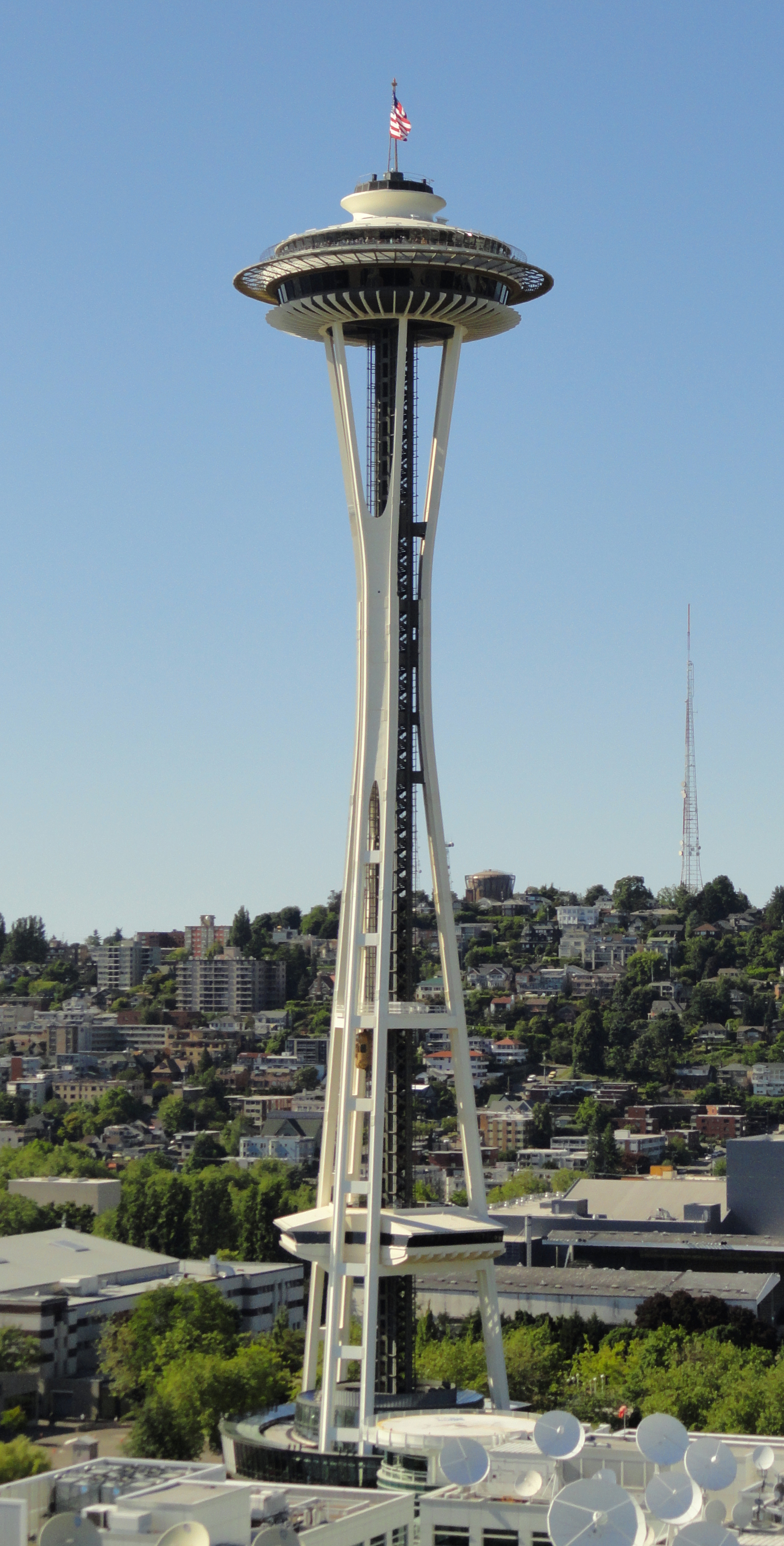
The fair’s organizers envisioned a centerpiece that would embody the spirit of progress and provide a memorable, awe-inspiring focal point for visitors. This vision demanded a structure that was not only visually striking but also technologically advanced and capable of offering unique experiences. The idea of a towering observation deck that could provide panoramic views of the city, the surrounding waterways, and the majestic mountains beyond began to take shape.
The Spark of an Idea
The initial concept for a tower that would become the Space Needle is often attributed to Edward E. Carlson, a former aviation artist and vice president of the 1962 World’s Fair planning committee. Legend has it that Carlson, while attending a dinner party in Stuttgart, Germany, sketched an idea on a cocktail napkin for a tower inspired by the Fernsehturm Stuttgart, the television tower there, which was then the tallest structure in the world. He envisioned a structure that would symbolize the fair’s “Century 21” theme, a futuristic beacon for the new millennium.
Carlson’s vision was one of a soaring structure, a landmark that would capture the imagination and serve as a lasting legacy for the fair. He wanted something that represented the dynamism and forward-thinking nature of Seattle and indeed, of the era itself. His sketch, though rudimentary, contained the core elements that would eventually define the Space Needle: a central core, a wide platform, and an observation deck.
From Sketch to Blueprint: The Design Process
Carlson’s idea needed to be translated into a tangible architectural design. He brought his concept to John Graham Jr., a prominent architect from the firm of John Graham Company. Graham was known for his innovative designs, including large shopping malls and the iconic Food Hall at Grand Central Market in Los Angeles. Graham embraced the challenge, refining Carlson’s initial sketch into a more developed architectural plan.
The design process was a complex endeavor, involving engineers and architects working collaboratively to ensure the structure’s feasibility and aesthetic appeal. The concept of a stable, earthquake-resistant foundation for a 600-foot tower in a seismically active region was paramount. The iconic tripod base, providing a wide and stable footprint, was a direct response to these engineering challenges. The central core, housing elevators and a staircase, was designed to support the cantilevered saucer-shaped top.
The saucer-shaped top itself was a deliberate choice to evoke the futuristic, space-age theme of the fair. It was intended to house a revolving restaurant, a novel concept at the time, offering diners unparalleled 360-degree views as they ate. This added a layer of functionality and luxury to the landmark, ensuring it would be an attraction in its own right, not just a static monument. The architects also incorporated elements that would allow for broadcast antennas, further solidifying its role as a modern communication hub.
Engineering the Future: Overcoming Challenges
The construction of the Space Needle was an ambitious undertaking, pushing the boundaries of engineering and construction techniques of the early 1960s. The tight deadline of the World’s Fair added immense pressure, as did the logistical complexities of building such a tall and unconventional structure.
Foundation and Stability
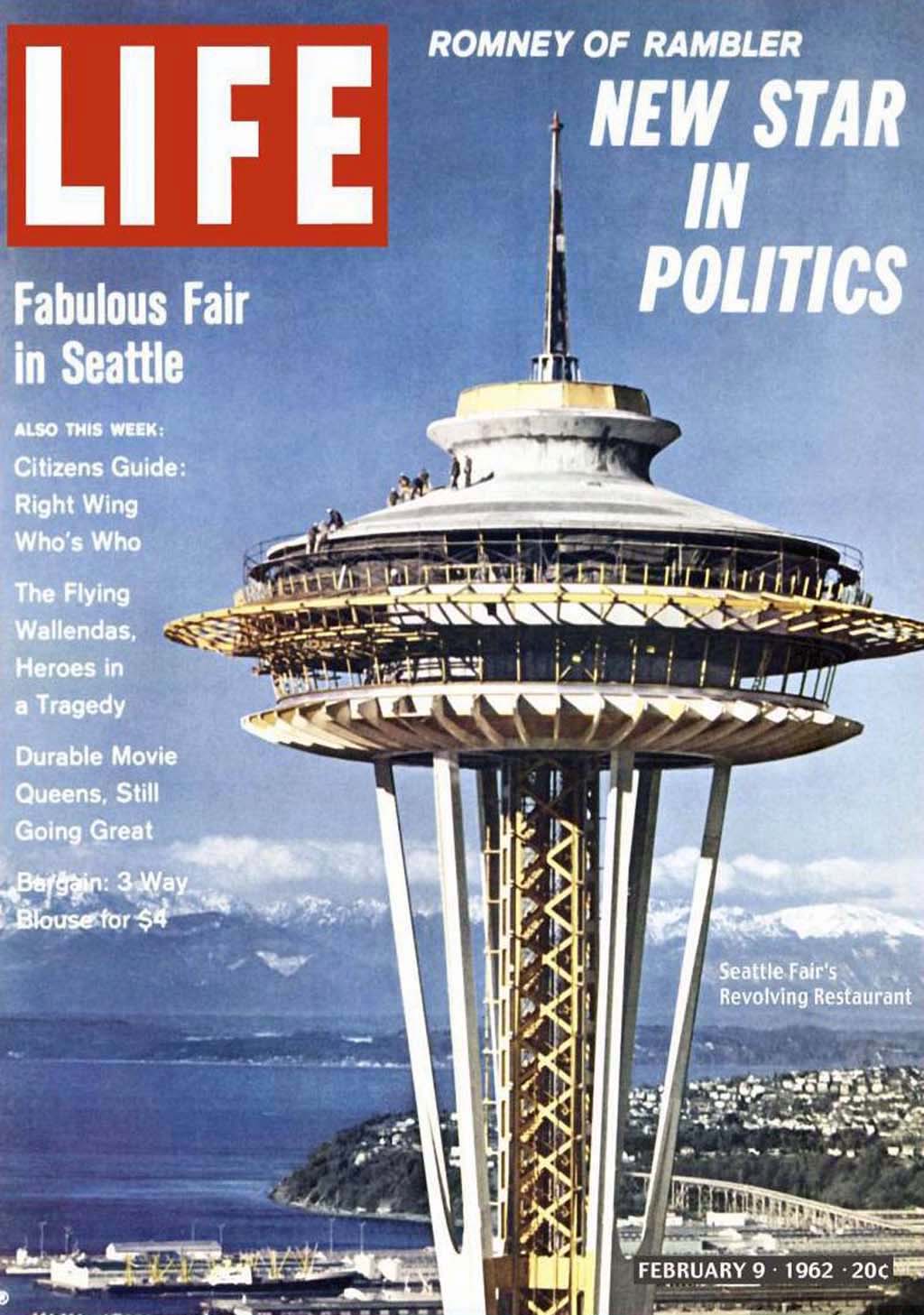
One of the most significant engineering feats was the foundation. Building a 600-foot tower requires a robust and stable base. The site chosen for the Space Needle was on reclaimed tideland, which presented its own set of challenges. The solution was a massive concrete foundation, weighing 5,850 tons, poured into a hole 30 feet deep and 120 feet in diameter. This immense weight and depth were crucial for anchoring the tower securely, especially given Seattle’s susceptibility to earthquakes. The tripod design further enhanced stability by distributing the load over a wide area.
Construction Methods and Materials
The construction of the tower’s shaft utilized a climbing form system, a relatively advanced technique for the time. This allowed the concrete to be poured continuously as the forms moved upward, significantly speeding up the process. The distinctive saucer-shaped top was prefabricated at ground level and then hoisted into place. This prefabrication method was essential for ensuring the precise assembly of the complex structure and for meeting the fair’s demanding schedule.
The materials used were also indicative of the era’s advancements. High-strength concrete and steel were employed to ensure durability and structural integrity. The iconic elevators, capable of reaching the top in 43 seconds, were state-of-the-art and a major draw for visitors, offering a swift and exhilarating ascent.
Meeting the Deadline
The race against time was a constant factor. Construction began in the spring of 1961, with the fair opening just over a year later in April 1962. This demanding timeline required meticulous planning, efficient execution, and a dedicated workforce. The final completion of the Space Needle just days before the fair’s opening was a remarkable achievement, a testament to the collaborative spirit and engineering prowess involved.
A Lasting Legacy: More Than Just a Fairground Attraction
While the Seattle Space Needle was built primarily as the centerpiece for the 1962 World’s Fair, its significance has far transcended its original purpose. It has become an enduring symbol of Seattle, deeply ingrained in the city’s identity and a major draw for millions of tourists annually.
Symbol of Innovation and Progress
The Space Needle perfectly encapsulated the optimism and forward-looking spirit of the “Century 21 Exposition.” Its futuristic design and advanced engineering made it a tangible representation of America’s technological prowess during the height of the Space Race. It projected an image of a modern, innovative nation poised to conquer new frontiers, both in space and on Earth. For Seattle, it solidified its reputation as a hub of innovation, particularly in aviation and technology.
Architectural Icon and Tourist Magnet
Over the decades, the Space Needle has evolved from a temporary fair exhibit into a permanent architectural icon. Its unique form is instantly recognizable worldwide, making it one of the most photographed and celebrated landmarks in the United States. Millions of visitors flock to the tower each year to experience its breathtaking panoramic views, dine in its revolving restaurant, and learn about its history. It is a crucial component of Seattle‘s tourism industry, attracting visitors from across the globe.

A Hub for Observation and Reflection
The observation deck, with its floor-to-ceiling glass walls and now a rotating glass floor, offers an unparalleled perspective of Seattle. Visitors can gaze out at the Puget Sound, the Olympic Mountains, the Cascade Mountains, including the majestic Mount Rainier, and the bustling city below. This vantage point provides a profound sense of place and allows for reflection on the city’s growth and development since its inception. The Space Needle serves not just as an attraction but as a living monument that continues to inspire awe and wonder.
The construction of the Seattle Space Needle was a bold endeavor driven by the ambition to create a spectacular centerpiece for the 1962 World’s Fair. It was a fusion of visionary design, cutting-edge engineering, and a profound desire to showcase Seattle as a city of the future. Its enduring presence and iconic status confirm its success, not just as a fairground attraction, but as a timeless landmark that continues to define the skyline and capture the spirit of the Emerald City.
LifeOutOfTheBox is a participant in the Amazon Services LLC Associates Program, an affiliate advertising program designed to provide a means for sites to earn advertising fees by advertising and linking to Amazon.com. Amazon, the Amazon logo, AmazonSupply, and the AmazonSupply logo are trademarks of Amazon.com, Inc. or its affiliates. As an Amazon Associate we earn affiliate commissions from qualifying purchases.