
Unveiling the Therapeutic Power of Spa Treatments for Respiratory Relief
The soothing embrace of a spa, often associated with relaxation and stress relief, holds a surprisingly potent secret for those battling persistent coughs. Beyond the indulgence of massages and facials, many spa facilities now offer specialized treatments designed to alleviate respiratory discomfort, drawing upon ancient wellness traditions and modern therapeutic techniques. This article delves into the multifaceted ways a spa experience can provide relief from coughs, exploring the science behind these treatments and highlighting the serene environments that foster healing.
The Holistic Approach to Cough Relief
A persistent cough can be more than just an annoyance; it can disrupt sleep, impact daily activities, and signal underlying issues. While medical intervention is crucial for serious conditions, a spa offers a complementary pathway to wellness, addressing the cough from a holistic perspective. This involves not only direct treatment of the airways but also the reduction of stress and inflammation, both of which can exacerbate respiratory symptoms.
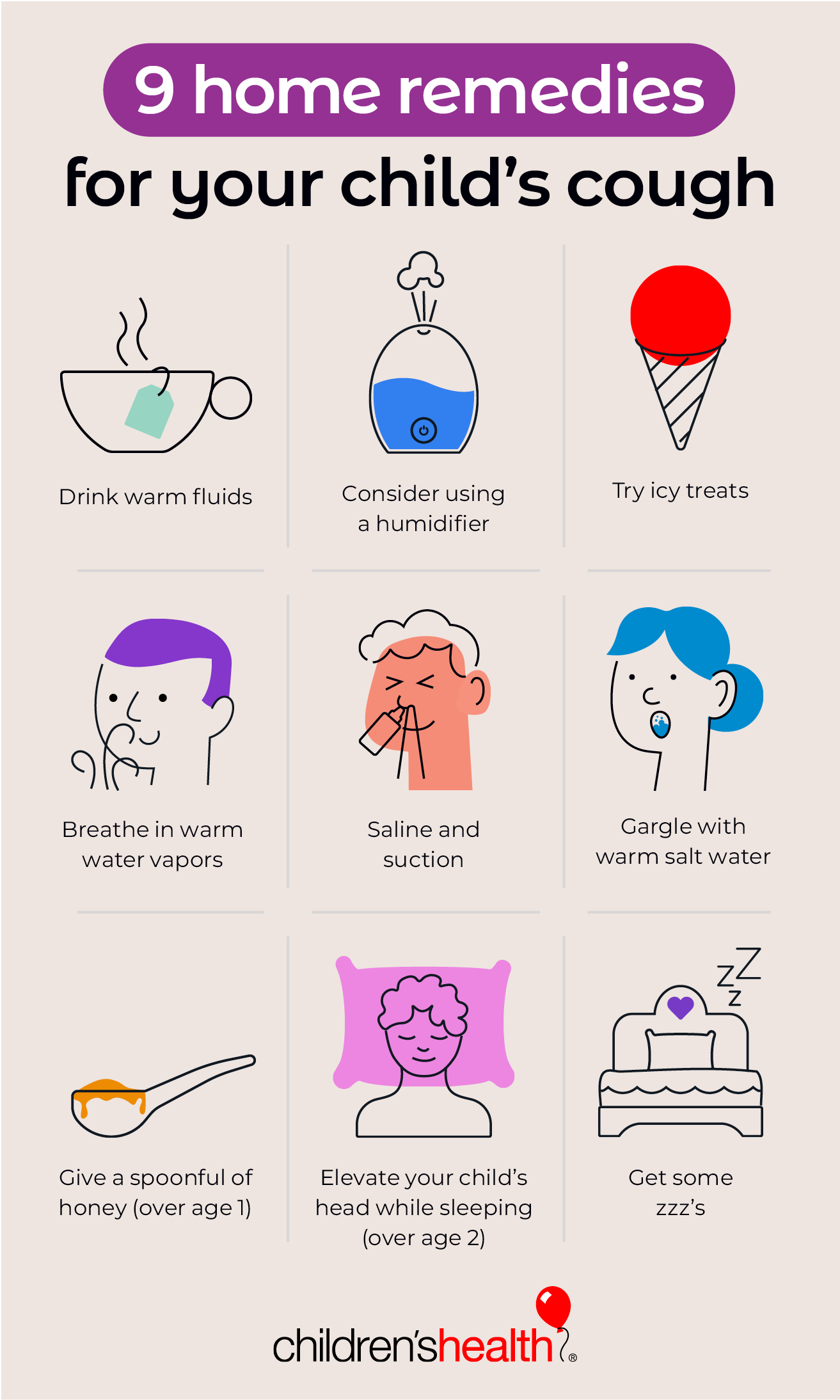
The effectiveness of spa treatments for cough relief lies in their ability to create an environment conducive to healing. The calm atmosphere, often infused with therapeutic aromas, encourages deep breathing and relaxation. This, in turn, can help to loosen mucus, soothe irritated throats, and improve overall respiratory function.
Targeted Spa Treatments for Coughs
Several specialized spa treatments are particularly beneficial for individuals suffering from coughs. These treatments often combine inhalation therapy, manual manipulation, and the judicious use of natural ingredients known for their expectorant and anti-inflammatory properties.
Inhalation Therapy and Aromatherapy
One of the most direct and effective spa interventions for coughs is inhalation therapy. This typically involves the use of steam rooms or dedicated inhalation suites where the air is enriched with beneficial compounds.
-
Steam Rooms and Saunas: The warm, moist air in a steam room or sauna helps to humidify the airways, thinning mucus and making it easier to expel. This can provide immediate relief from congestion and a dry, hacking cough. The heat also promotes circulation, which can aid in the body’s natural healing processes. Many luxury resorts, such as those found in Bali or Thailand, feature state-of-the-art steam rooms as part of their wellness offerings.
-
Aromatherapy Inhalations: The strategic use of essential oils in spa treatments can significantly enhance cough relief. Oils like eucalyptus, peppermint, tea tree, and lavender are renowned for their decongestant, expectorant, and anti-inflammatory properties. These oils are often diffused in the air, added to steam, or incorporated into massage oils. For instance, a spa might offer a dedicated aromatherapy inhalation session where clients breathe in a carefully curated blend designed to open airways and soothe irritation. The practice of aromatherapy has roots in ancient civilizations, with evidence suggesting its use in Egypt and Greece for medicinal purposes.
Specialized Massage Techniques
While a full-body massage can be relaxing, certain massage techniques are specifically tailored to address respiratory congestion and discomfort.
-
Thoracic Manipulation: This gentle yet effective massage focuses on the chest and back area. Therapists use specific strokes to help loosen tension in the muscles surrounding the rib cage, which can sometimes restrict breathing. By easing this tension, the therapist can promote deeper, more comfortable breaths. This type of treatment is often found in wellness centers and high-end spas that emphasize therapeutic massage, such as those in Switzerland or Austria.
-
Lymphatic Drainage: While not directly targeting the cough itself, manual lymphatic drainage can support the body’s detoxification processes and reduce overall inflammation, which may indirectly alleviate respiratory symptoms. This gentle technique helps to stimulate the lymphatic system, which plays a vital role in clearing waste and toxins from the body.

Body Wraps and Poultices
Certain spa body wraps and poultices utilize ingredients known for their healing properties and can offer benefits for respiratory health.
-
Herbal Wraps: Wraps incorporating ingredients like eucalyptus, ginger, or menthol can create a warming or cooling sensation on the skin, stimulating circulation and promoting the release of beneficial vapors that can be inhaled. The combination of heat and medicinal herbs can help to soothe aching muscles in the chest and back and ease congestion. Many spas offering natural or organic treatments, particularly in regions with rich botanical resources like Costa Rica, will feature such wraps.
-
Compounded Poultices: In some specialized wellness retreats, therapists may apply warm herbal poultices directly to the chest or back. These poultices, often made from a blend of herbs, spices, and sometimes clay, can release potent medicinal compounds through heat and steam, providing a targeted treatment for respiratory discomfort.
The Serene Spa Environment: A Catalyst for Healing
The physical setting of a spa is as crucial to its therapeutic efficacy as the treatments themselves. The emphasis on tranquility, natural elements, and sensory calm creates an environment where the body and mind can truly rest and begin to heal.
Sensory Immersion for Respiratory Well-being
-
Calming Ambiance: The soft lighting, gentle music, and absence of external noise in a spa environment significantly reduce stress levels. Chronic stress can suppress the immune system and exacerbate inflammatory conditions, including those affecting the respiratory tract. By promoting relaxation, spas enable the body to redirect its energy towards healing.
-
Aromas of Nature: The use of natural fragrances from essential oils, plants, and flowers not only adds to the sensory pleasure but also directly impacts the respiratory system. The scent of pine, eucalyptus, or lavender can create a feeling of openness and clarity in the airways. Many spas are designed with indoor gardens or water features that contribute to a fresh, oxygen-rich atmosphere, reminiscent of natural landscapes found in places like the Scottish Highlands or the Canadian Rockies.
-
Hydration and Pure Air: Spas often prioritize air quality, employing advanced filtration systems to ensure the air is clean and free from pollutants. Furthermore, the humid environment, particularly in steam rooms and saunas, prevents the drying out of mucous membranes, which is crucial for healthy respiratory function.
Mind-Body Connection Through Spa Rituals
The spa experience encourages a conscious connection with one’s own body and its needs. This mindful approach can enhance the effectiveness of treatments.
-
Deep Breathing Exercises: The tranquil setting of a spa is ideal for practicing deep breathing techniques. Therapists may guide guests through specific breathing exercises that help to expand the lungs, clear congestion, and promote relaxation. These exercises, often inspired by practices like yoga or meditation, can be a powerful tool for managing a cough.
-
Restorative Rest: The ultimate benefit of a spa visit is the opportunity for profound rest. When the body is allowed to relax without the demands of daily life, it can dedicate more resources to fighting off infections and repairing damaged tissues. This restorative aspect is paramount for recovering from any ailment, including a persistent cough. For those seeking extended rejuvenation, a stay at a dedicated wellness resort, such as the Golden Door in California or Chiva-Som in Thailand, offers an immersive experience focused on holistic health.

Beyond the Cough: A Path to Broader Wellness
While the primary focus here is on cough relief, the benefits of spa treatments extend far beyond this specific symptom. By addressing stress, promoting relaxation, and enhancing overall well-being, spa therapies can contribute to a stronger immune system, making the body more resilient to future respiratory challenges.
A visit to a well-equipped spa, whether it’s a day spa in a bustling city like New York or a resort spa nestled in the tranquil countryside of Tuscany, offers a sanctuary for healing. It is a place where the mind can quiet, the body can relax, and the gentle therapies work in harmony to restore balance and provide much-needed respite from the discomfort of a cough. When considering your next wellness escape, remember that the spa experience can be a powerful ally in your journey to respiratory health.
LifeOutOfTheBox is a participant in the Amazon Services LLC Associates Program, an affiliate advertising program designed to provide a means for sites to earn advertising fees by advertising and linking to Amazon.com. Amazon, the Amazon logo, AmazonSupply, and the AmazonSupply logo are trademarks of Amazon.com, Inc. or its affiliates. As an Amazon Associate we earn affiliate commissions from qualifying purchases.