
The allure of Japan is multifaceted, encompassing ancient traditions, cutting-edge technology, and a profound appreciation for well-being. While iconic sights like the Fushimi Inari-taisha Shrine in Kyoto or the bustling streets of Tokyo draw millions of visitors, a subtler yet deeply enriching aspect of Japanese culture lies in its wellness practices. Among these, the Japanese head spa, or yokubo, is emerging as a sought-after experience for travelers seeking relaxation, rejuvenation, and a unique glimpse into local self-care rituals. Far from a simple hair wash, a head spa is a comprehensive treatment designed to address both the physical and mental well-being, offering a sanctuary of tranquility amidst the dynamic energy of Japan.

The Philosophy Behind the Japanese Head Spa
At its core, the Japanese head spa is rooted in the Japanese philosophy of Wabi-sabi, which finds beauty in imperfection and transience, and Ikigai, the concept of having a purpose in life. These principles translate into a holistic approach to beauty and wellness, where the focus is not just on superficial enhancement but on achieving a state of harmony and balance. The head, often considered the “seat of consciousness,” is believed to be a nexus of energy and tension. By meticulously caring for the scalp and hair, a head spa aims to release this accumulated stress, promoting mental clarity and physical relief.
The practice draws inspiration from traditional Japanese beauty routines, which have long emphasized natural ingredients and mindful techniques. Unlike Western spa treatments that might focus on broader bodywork, the yokubo zeroes in on the intricate network of nerves and blood vessels in the head and neck. This targeted approach is what makes the experience so uniquely profound. It’s not merely about making your hair look good; it’s about cultivating a sense of inner peace and vitality.
Traditional Roots and Modern Evolution
The concept of scalp care in Japan has ancient origins, with historical practices involving natural emollients and massage techniques to maintain healthy hair and promote relaxation. Over time, these traditions have been refined and integrated with modern scientific understanding of hair and scalp health. Today’s Japanese head spas often combine time-honored methods with advanced skincare technology and premium products, creating a luxurious yet authentic experience.
The modern head spa often incorporates elements of aromatherapy, utilizing essential oils chosen for their specific therapeutic properties, such as lavender for relaxation, peppermint for invigorating the senses, or rosemary for stimulating hair growth. The use of specialized equipment, like gentle water jets or sonic cleansing brushes, may also be employed, but always with the overarching goal of preserving the delicate balance of the scalp.
The Japanese Head Spa Experience: A Step-by-Step Journey
A visit to a Japanese head spa is an immersive journey designed to guide you into a state of deep relaxation. While specific treatments may vary between establishments, a typical session follows a carefully orchestrated sequence of steps, each contributing to the overall therapeutic effect.
Arrival and Consultation
Upon arrival, you’ll likely be greeted with the characteristic Japanese hospitality, omotenashi, a selfless service that anticipates your needs. You’ll be offered a calming beverage, often a herbal tea, and perhaps a light snack. The first step involves a consultation where a trained technician will assess your scalp condition, hair type, and any specific concerns you may have, such as dryness, oiliness, dandruff, or hair loss. This personalized approach ensures that the subsequent treatment is tailored to your individual requirements.
The Cleansing Ritual
The core of the head spa experience begins with a thorough yet gentle cleansing of the scalp. This is not a hurried process but a deliberate ritual. High-quality, often sulfate-free shampoos are used, lathered and massaged into the scalp with expert finger techniques. The massage is designed to stimulate blood circulation, promoting healthy hair follicles and relieving tension in the head and neck muscles. Warm water is used throughout, with careful attention paid to rinsing away all product residue.
Deep Conditioning and Nourishment
Following the cleansing, a specialized scalp treatment or deep conditioning mask is applied. These treatments are rich in nutrients and natural extracts, designed to hydrate, strengthen, and revitalize the scalp and hair. Ingredients commonly found include collagen, hyaluronic acid, various plant extracts like green tea or ginseng, and essential oils. The technician will often gently massage the product into the scalp, ensuring even distribution and allowing the beneficial ingredients to penetrate deeply.
The Scalp Massage: The Heart of the Treatment
The scalp massage is arguably the most anticipated and beneficial part of the Japanese head spa. This is where the true magic happens. The technician employs a variety of techniques, including gentle pressure point stimulation, effleurage (long, gliding strokes), and kneading movements. This meticulous massage targets the numerous nerve endings in the scalp, which are connected to various parts of the brain and body.
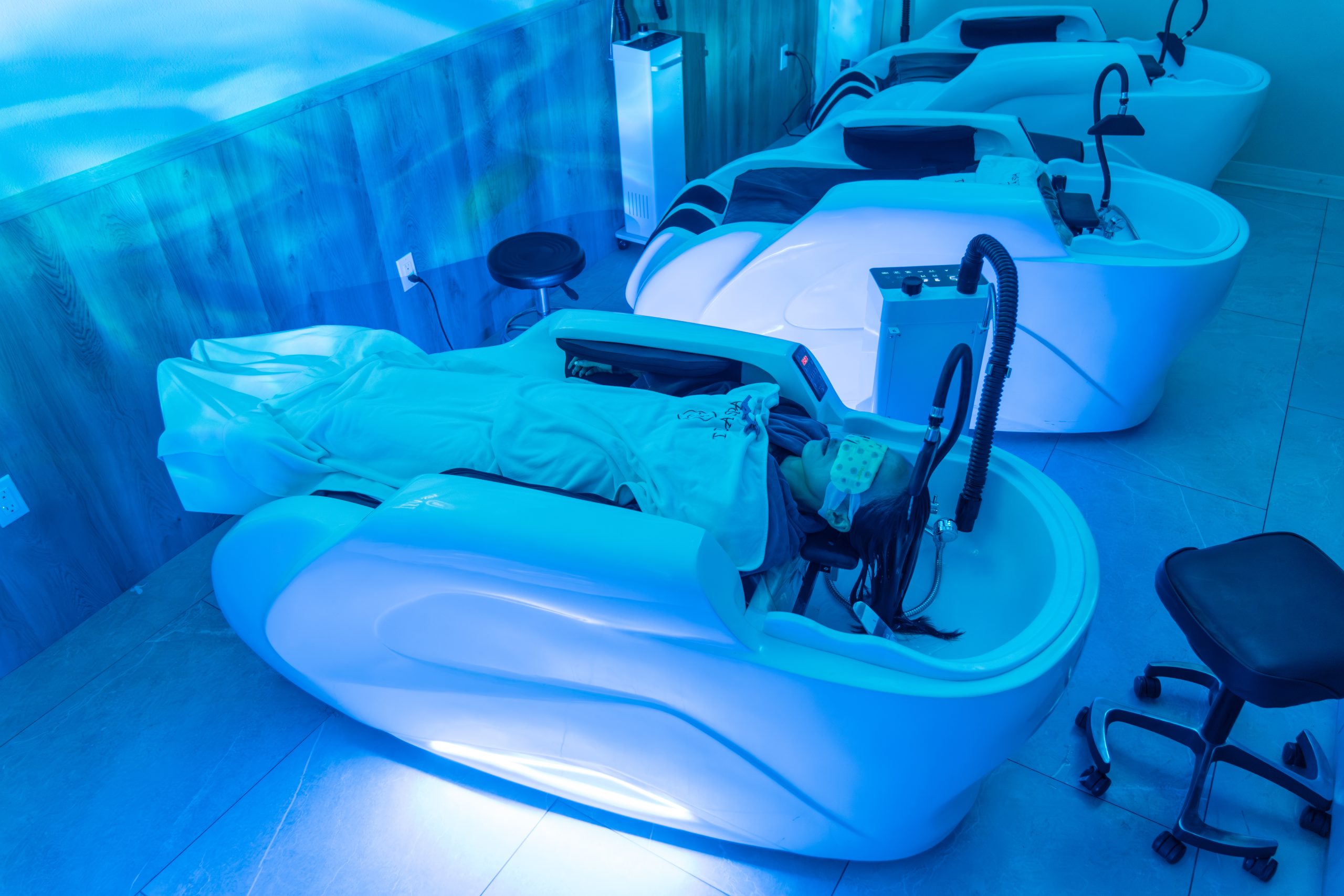
The benefits extend beyond simple relaxation. The massage helps to:
- Relieve Headaches and Migraines: By easing tension in the cranial muscles and improving blood flow, head spa massages can significantly alleviate the frequency and intensity of headaches.
- Reduce Stress and Anxiety: The rhythmic and soothing nature of the massage calms the nervous system, promoting a sense of tranquility and reducing cortisol levels.
- Improve Sleep Quality: By releasing physical and mental tension, the massage can prepare the body for a deeper, more restful sleep.
- Boost Hair Health: Enhanced circulation to the scalp nourishes hair follicles, potentially leading to stronger, healthier hair growth and a reduction in hair loss.
- Enhance Mental Clarity: The release of tension in the head can clear the mind, improving focus and cognitive function.
Scalp Exfoliation (Optional but Recommended)
Some head spa treatments may include a gentle scalp exfoliation. This step removes dead skin cells, product buildup, and impurities that can clog hair follicles and hinder healthy growth. Exfoliation leaves the scalp feeling incredibly clean and refreshed, enhancing its receptivity to subsequent nourishing treatments.
The Wash and Rinse
The cleansing process is repeated, this time to remove the conditioning treatment. The rinsing is thorough, ensuring that no residue remains, leaving the hair feeling incredibly soft and the scalp utterly revitalized.
Drying and Finishing Touches
The hair is then gently dried, often using low heat to protect the scalp and hair. The technician may offer a light styling service or simply ensure your hair is comfortable. The session concludes with a final check-in, where you’ll have the opportunity to feel the immediate effects of the treatment – a lighter head, clearer mind, and incredibly refreshed scalp.
Where to Experience a Japanese Head Spa
While head spas are a traditional Japanese practice, they are now readily available in major cities across Japan, and their popularity has spread internationally. When visiting Japan, seeking out an authentic yokubo experience is a must for any traveler interested in wellness and local culture.
Major Cities and Notable Establishments
- Tokyo: As the vibrant capital, Tokyo offers a plethora of high-end salons and dedicated head spa studios. Many luxury hotels also feature exceptional spa facilities that include specialized head treatments.
- Kyoto: In the culturally rich city of Kyoto, you can find traditional establishments that blend ancient techniques with modern spa luxury, offering a serene escape from the bustling temples and gardens.
- Osaka: Known for its friendly atmosphere and culinary delights, Osaka also boasts numerous spas where you can indulge in a rejuvenating head spa.
When choosing a head spa, it’s advisable to research reviews and look for establishments that emphasize qualified technicians, use high-quality products, and maintain a serene atmosphere. Some well-regarded chains and independent studios are recognized for their exceptional service. For instance, establishments often found within luxury hotels like the Park Hyatt Tokyo or the Mandarin Oriental, Tokyo often provide world-class spa experiences.
Beyond Japan
The appeal of the Japanese head spa is global. Many Japanese beauty brands have expanded their reach, and dedicated head spa salons are now operating in cities worldwide, from New York to London. While an authentic experience in Japan offers a unique cultural immersion, these international branches can provide a taste of the therapeutic benefits. However, for the true essence of omotenashi and a deep connection to the practice’s roots, a visit to Japan remains unparalleled.

Benefits for the Traveler
For travelers, a Japanese head spa offers a welcome respite from the rigors of sightseeing and navigating unfamiliar environments. It’s an opportunity to:
- De-stress and Recharge: After days of exploring ancient temples, bustling markets, and vibrant cityscapes, a head spa provides a profound level of relaxation, helping to alleviate travel fatigue and jet lag.
- Experience Local Culture: Engaging in a head spa is a direct immersion into Japanese wellness culture, offering insights into their approach to self-care and mindfulness.
- Enhance Well-being: The physical and mental benefits of the treatment can leave you feeling refreshed, invigorated, and more present, enhancing your overall travel experience.
- Improve Scalp and Hair Health: The environmental changes during travel, such as different climates and water types, can sometimes affect hair and scalp. A head spa can help to restore balance and vitality.
In conclusion, the Japanese head spa is more than just a beauty treatment; it’s a therapeutic ritual that embodies the Japanese dedication to holistic well-being. For the discerning traveler, it represents an opportunity to not only pamper oneself but also to connect with a profound aspect of Japanese culture, leaving with a lighter head, a clearer mind, and a revitalized spirit.
LifeOutOfTheBox is a participant in the Amazon Services LLC Associates Program, an affiliate advertising program designed to provide a means for sites to earn advertising fees by advertising and linking to Amazon.com. Amazon, the Amazon logo, AmazonSupply, and the AmazonSupply logo are trademarks of Amazon.com, Inc. or its affiliates. As an Amazon Associate we earn affiliate commissions from qualifying purchases.