
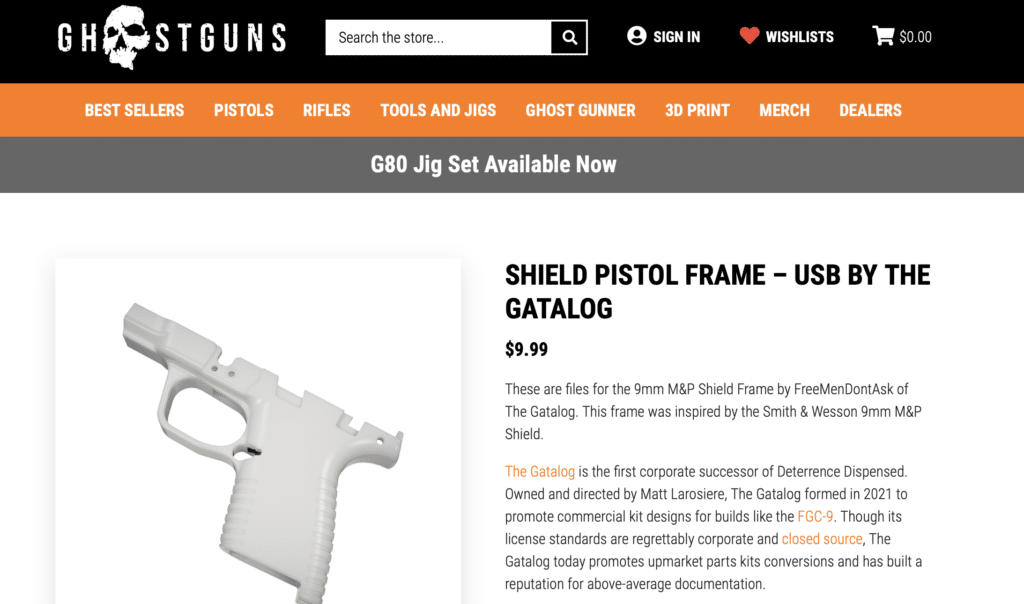
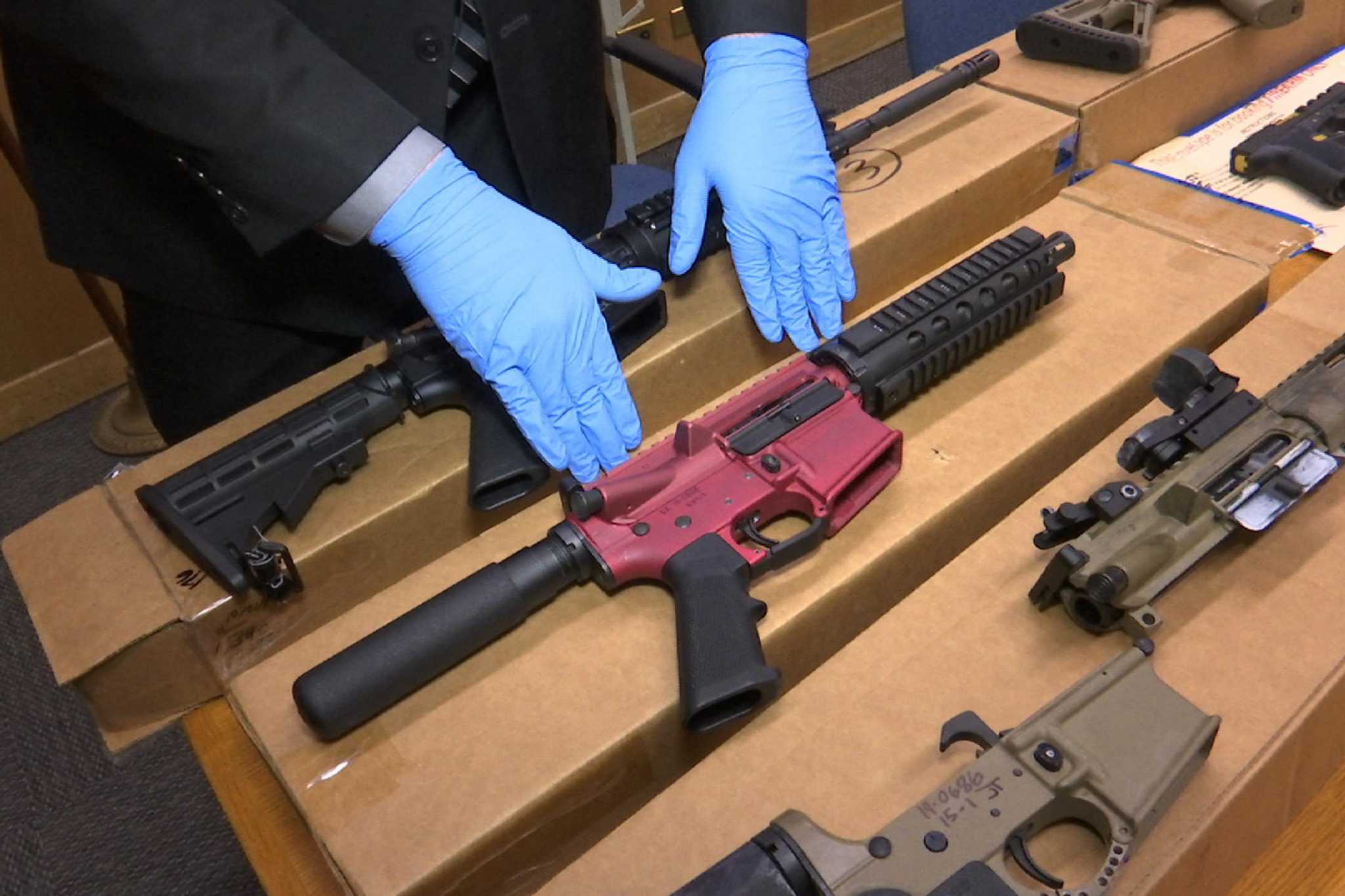
In recent years, the conversation surrounding firearms in the United States has become increasingly complex, with a particular focus on what are commonly referred to as “ghost guns.” These are firearms that can be assembled from parts purchased online or manufactured at home, often without serial numbers, making them difficult to trace. The legal landscape surrounding ghost guns is a patchwork of federal and state regulations, and for those residing in or planning a visit to the Lone Star State, understanding the specifics of Texas law is crucial. This article delves into the legality of ghost guns in Texas, examining the existing legal framework, potential legislative changes, and the implications for gun owners and enthusiasts.
Understanding Ghost Guns: Definitions and Federal Stance
Before dissecting the laws in Texas, it is essential to establish a clear understanding of what constitutes a “ghost gun” and the current federal position on these firearms. The term “ghost gun” itself is not a formal legal definition but rather a colloquial descriptor for privately made firearms (PMFs) that lack a serial number. This lack of serialization is a key characteristic that distinguishes them from commercially manufactured firearms, which are legally required to be marked with a unique serial number by federal law.
The Role of Serial Numbers
The Gun Control Act of 1968 (GCA) mandates that all firearms manufactured or imported into the United States must be identified by a serial number. This requirement is fundamental for law enforcement purposes, allowing them to trace firearms used in crimes. Ghost guns, by their nature, bypass this requirement because they are often assembled from components that are not considered “firearms” until assembled, or they are manufactured by individuals who are not licensed firearms manufacturers.
Federal Regulations and Recent Developments
The U.S. Department of Justice has taken steps to address the proliferation of ghost guns. In 2021, the Bureau of Alcohol, Tobacco, Firearms and Explosives (ATF) issued guidance clarifying that firearm frames and receivers, which are the core components of most firearms, would be considered “firearms” under federal law when they are sufficiently complete to be readily converted into a functional weapon. This reclassification aimed to bring ghost gun kits and components under existing federal regulations, requiring manufacturers and dealers to serialize these items and conduct background checks for purchasers.
However, the legal challenges to these federal regulations have been significant, with various lawsuits filed by gun rights organizations and manufacturers. The courts have issued conflicting rulings, creating an evolving and often uncertain legal environment. This federal ambiguity directly impacts how individual states, including Texas, interpret and enforce their own firearm laws.
Ghost Guns in Texas: A State-Specific Analysis
Texas has a long-standing tradition of protecting gun ownership rights, enshrined in its state constitution and numerous legislative actions. When it comes to ghost guns, the legality is not as straightforward as a simple “yes” or “no.” The state’s approach is largely influenced by federal law, but it also incorporates its own nuances and interpretations.
Current Texas Statutes and Interpretations
As of the current understanding of Texas law, there is no explicit state statute that specifically bans the possession or creation of ghost guns. However, this does not mean that individuals can operate without any legal constraints. The legality hinges on several factors:
- Federal Law Compliance: Texas generally adheres to federal firearm regulations. Therefore, if federal law classifies a privately made firearm as a “firearm” requiring serialization, then possessing an unserialized ghost gun that falls under such a federal definition could be problematic. The ongoing legal battles at the federal level mean that the interpretation of these requirements can change.
- Intended Use: Like any firearm, the intended use of a ghost gun is a critical factor. Possessing a firearm, whether serialized or not, with the intent to commit a crime is illegal in Texas, as it is in all jurisdictions.
- Prohibited Persons: Individuals who are legally prohibited from owning firearms (e.g., convicted felons, those with domestic violence convictions, or individuals adjudicated as mentally defective) cannot legally possess any firearm, including a ghost gun, regardless of its serialization status.
- Definition of “Firearm”: The definition of what constitutes a “firearm” under Texas law is crucial. If a privately made component is not deemed a “firearm” under state statutes, then its possession or assembly might not be restricted. However, once assembled into a functional firearm, it falls under the purview of existing firearm laws.
The Impact of Federal Enforcement on Texas

The ATF’s efforts to regulate ghost guns, including the reclassification of frames and receivers, have a direct impact on individuals in Texas. If an individual in Texas purchases components that are now considered “firearms” by the ATF and assembles them into an unserialized weapon, they could be in violation of federal law, even if Texas itself doesn’t have a specific ban. Licensed Texas gun dealers are also subject to federal regulations regarding the sale and serialization of these parts.
Legislative Trends and Potential Future Changes in Texas
The legal status of ghost guns is not static. Both at the federal and state levels, there is ongoing debate and legislative action that could alter the landscape. Texas is no exception, and proponents of stricter gun control have been advocating for legislation to address ghost guns.
Calls for State-Level Regulation
Advocates for gun safety have expressed concerns about the potential for ghost guns to be used in criminal activities, given their untraceable nature. These groups often point to instances where ghost guns have been recovered at crime scenes. Consequently, there have been calls for Texas to enact its own specific legislation that would:
- Require Serialization: Mandate that all privately made firearms manufactured or assembled within the state be serialized.
- Ban the Sale of Unserialized Parts: Prohibit the sale of key firearm components, such as frames and receivers, that are not serialized.
- Strengthen Enforcement: Provide law enforcement agencies with clearer authority and resources to identify and prosecute individuals possessing or manufacturing illegal ghost guns.
The Second Amendment Debate in Texas
Any proposed legislation concerning firearms in Texas inevitably engages with the robust protections afforded by the Second Amendment of the U.S. Constitution and Article I, Section 23 of the Texas Constitution, which both uphold the right to keep and bear arms. Opponents of stricter ghost gun regulations often argue that such laws infringe upon the rights of law-abiding citizens to manufacture firearms for self-defense and sport, asserting that individuals should have the ability to create firearms for personal use without government interference.
The debate in Texas often centers on finding a balance between the constitutional right to bear arms and the government’s interest in public safety. The outcome of this debate could significantly impact the legality of ghost guns in the state.
Implications for Responsible Gun Owners and Travelers to Texas
For law-abiding gun owners and individuals who may be traveling to Texas and are interested in firearms, understanding the legal nuances of ghost guns is important. While Texas is generally considered a gun-friendly state, ignorance of the law is not a defense.
Navigating the Legal Landscape
- Stay Informed: The legal status of ghost guns can change rapidly due to court rulings and legislative action at both federal and state levels. It is crucial to stay informed about the latest developments. Resources such as the Texas Department of Public Safety and reputable legal analysis websites can provide up-to-date information.
- Federal Compliance is Key: Given the ongoing federal efforts to regulate ghost guns, ensuring compliance with federal law is paramount, even if Texas law is less explicit. If federal regulations deem certain components or assembled firearms to be “firearms” requiring serialization, then possessing an unserialized version could lead to legal trouble.
- Understand Prohibited Status: If you are not legally permitted to own firearms in Texas, then possessing any firearm, including a ghost gun, is illegal. This applies to both residents and visitors.
- Travel Considerations: For those traveling to Texas with firearms, it is imperative to understand Texas and federal laws regarding transportation and possession of firearms. While Texas has permissive gun laws, interstate travel involving firearms is subject to various regulations. It is advisable to research specific regulations concerning the type of firearm and travel method.
The Importance of Responsible Ownership
The legality of ghost guns is a contentious issue, but responsible gun ownership transcends the specifics of serialization. It involves a commitment to understanding and abiding by all applicable laws, prioritizing safety, and ensuring that firearms are never used in a manner that endangers others. For anyone involved with firearms in Texas, whether as a resident or a visitor, education and adherence to the law are the most critical steps in navigating this evolving legal domain. The discussion around ghost guns highlights the continuous need for clear legal frameworks that balance rights with responsibilities in the realm of firearms.
LifeOutOfTheBox is a participant in the Amazon Services LLC Associates Program, an affiliate advertising program designed to provide a means for sites to earn advertising fees by advertising and linking to Amazon.com. Amazon, the Amazon logo, AmazonSupply, and the AmazonSupply logo are trademarks of Amazon.com, Inc. or its affiliates. As an Amazon Associate we earn affiliate commissions from qualifying purchases.