
Texas, a state renowned for its vast landscapes, rich history, and vibrant culture, also harbors a less celebrated aspect of its natural world: its scorpion population. For many visitors and even some residents, the presence of these arachnids can evoke a sense of apprehension. The question, “Are Texas scorpions poisonous?” is a common one, and understanding the answer is crucial for anyone exploring the Lone Star State, particularly in its more natural and rural settings. While the immediate thought might be of dangerous encounters, the reality is more nuanced and largely dependent on the specific species and the nature of the interaction. This article aims to demystify the venomous capabilities of Texas scorpions, offering insights relevant to travelers, outdoor enthusiasts, and anyone curious about the state’s diverse wildlife.
Understanding Scorpion Venom and Its Effects
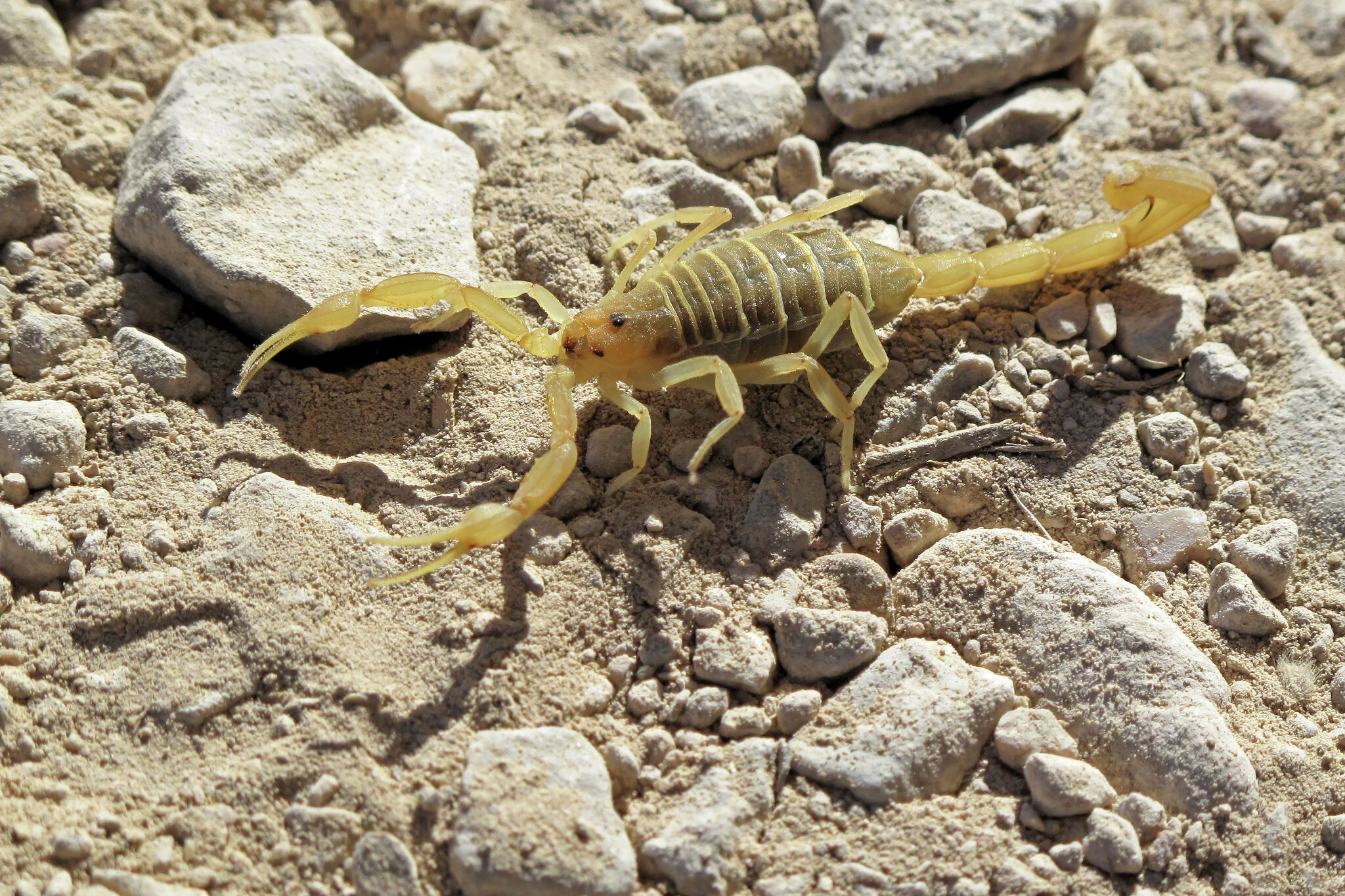
Scorpions, as a class of arachnids, possess venom glands located at the tip of their metasoma (the segmented tail), which culminates in a stinger. This venom is primarily used for subduing prey, which typically consists of insects and other invertebrates. However, the venom’s composition and potency vary significantly among different scorpion species. When considering the question of whether Texas scorpions are poisonous, it’s important to differentiate between being “poisonous” and “venomous.” Poisonous organisms deliver toxins when ingested, while venomous organisms inject toxins via a bite or sting. Scorpions are venomous.
The effects of a scorpion sting on humans can range from mild discomfort to severe medical emergencies. Factors influencing the severity of a sting include the species of scorpion, the amount of venom injected, the location of the sting, and the victim’s individual health and sensitivity. For most people, the sting of a common Texas scorpion is comparable to that of a bee or wasp sting – characterized by localized pain, swelling, redness, and itching. Allergic reactions, while less common, can occur and may require immediate medical attention.
The Spectrum of Scorpion Stings
Within Texas, several species of scorpions are native, each with varying degrees of venom. Understanding these differences is key to assessing the risk.
Common Texas Scorpion Species
- Striped Bark Scorpion ( Centruroides vittatus ): This is perhaps the most frequently encountered scorpion in Texas. It is characterized by dark stripes running down its back. While its sting can be painful and cause localized swelling, it is generally not considered medically significant for healthy adults. It is found throughout much of Texas and is commonly found in and around human dwellings, including the outskirts of cities like Dallas and Houston.
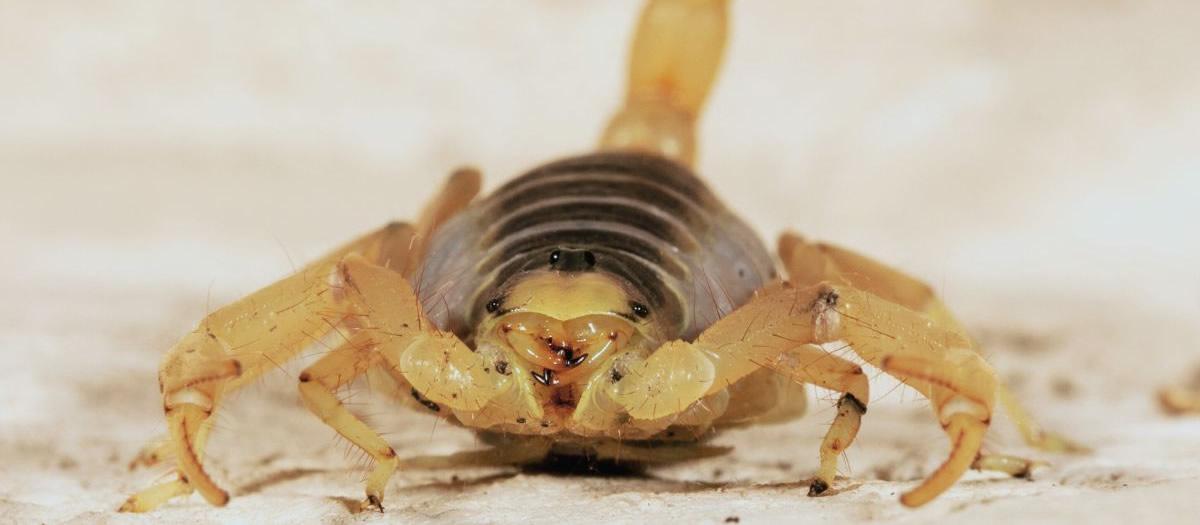
- Guadalupe Canyon Scorpion ( Hadrurus arizonensis ): Though more prevalent in western parts of the Southwest, this large scorpion can sometimes be found in arid regions of West Texas. Its size might be intimidating, but its venom is also considered mild to moderate in its effects on humans.
- Arizona Bark Scorpion ( Centruroides sculpturatus ): While its name suggests Arizona, this species has been documented in the extreme western parts of Texas. This species’ venom is considered the most potent of the bark scorpions native to the United States and can cause more severe symptoms, including neurological effects like numbness, tingling, and muscle twitching. However, severe reactions are still relatively rare.
Factors Influencing Sting Severity
The intensity of a scorpion sting is not solely determined by the species. Several other factors play a significant role:
- Venom Yield: The amount of venom injected can vary. Defensive stings might involve less venom than those used for predation.
- Victim’s Health: Children, the elderly, and individuals with compromised immune systems or known allergies are more susceptible to severe reactions.
- Location of Sting: Stings to sensitive areas like the face or eyes can be more problematic.
- Individual Sensitivity: Some individuals may have a greater allergic response to scorpion venom than others.
Identifying and Avoiding Scorpion Encounters
While the concern about poisonous scorpions is understandable, proactive awareness and simple precautions can significantly reduce the likelihood of a negative encounter. Scorpions are nocturnal, meaning they are most active during the night. During the day, they typically seek shelter in cool, dark, and moist places. Understanding their behavior and habitat preferences is the first step in avoiding them.
Habitats and Daytime Shelters
Scorpions are highly adaptable and can be found in various Texas environments, from the arid deserts of West Texas to the humid piney woods of East Texas. They often seek refuge in:
- Under rocks and logs: This is a primary habitat, offering protection from the sun and predators.
- In burrows: They may dig their own burrows or occupy those abandoned by other animals.
- Woodpiles: Stacks of firewood are attractive shelters, especially in cooler months.
- Debris and leaf litter: Accumulations of organic matter provide camouflage and moisture.
- Cracks in rocks and walls: Especially common in arid and rocky areas.
In and around human structures, scorpions can be found in:
- Garages and sheds: Dark, cluttered spaces are ideal.
- Attics and basements: If they offer suitable temperature and humidity.
- Inside shoes and clothing left outdoors: A common way people get stung accidentally.
- Underneath outdoor furniture and potted plants: Items left undisturbed for long periods.
Preventative Measures for Travelers and Residents
Whether you are visiting a ranch near San Antonio or enjoying a camping trip in Big Bend National Park, taking preventative measures is advisable:
- Shake out clothing and shoes: Before wearing any items that have been left outside or stored in a potentially infested area.
- Be cautious when handling firewood: Wear gloves.
- Keep outdoor areas tidy: Reduce clutter around your home or accommodation, such as stacking firewood neatly and away from the house, and clearing away debris.
- Seal entry points: Inspect homes for cracks and crevices and seal them to prevent scorpions from entering. Screen vents and ensure window screens are in good repair.
- Use caution at night: When walking outdoors, especially in natural areas, wear sturdy footwear and use a flashlight.
- Inspect bedding: If staying in rustic accommodations or camping, check your sleeping area before settling down.
When to Seek Medical Attention
While most scorpion stings in Texas result in minor discomfort, it is crucial to be aware of the signs and symptoms that warrant medical attention. Recognizing when a sting is potentially serious can be life-saving.
Signs and Symptoms of a Potentially Serious Sting
Symptoms can vary, but the following should prompt a visit to a healthcare professional:
- Severe localized pain that does not subside.
- Numbness or tingling spreading from the sting site.
- Muscle twitching or spasms.
- Difficulty breathing or swallowing.
- Excessive sweating or drooling.
- Nausea and vomiting.
- Blurred vision or involuntary eye movements.
- High blood pressure or irregular heartbeat.
- A generalized allergic reaction (anaphylaxis), which can include hives, swelling of the face or throat, dizziness, and loss of consciousness.
First Aid and Immediate Care
If you or someone you are with is stung by a scorpion:
- Stay Calm: Panicking can exacerbate symptoms.
- Clean the Area: Wash the sting site thoroughly with soap and water.
- Apply a Cold Compress: A cold, wet cloth or ice pack can help reduce pain and swelling.
- Do NOT Apply a Tourniquet: This is not effective and can cause further tissue damage.
- Do NOT Cut the Wound: This can increase the risk of infection.
- Monitor Symptoms: Observe for any signs of a severe reaction.
- Seek Medical Attention: If symptoms are severe or if the victim is a child, elderly, or has underlying health conditions. It is also advisable to seek medical attention if you are unsure of the scorpion species, especially if you are in an area where the Arizona Bark Scorpion might be present.
Scorpions in the Texas Ecosystem and Their Role
Beyond the immediate concern for human safety, it’s important to appreciate the role scorpions play within the broader Texas ecosystem. As predators, they are an integral part of the food web, helping to control populations of insects and other invertebrates. Their presence is an indicator of a healthy, functioning natural environment.
Predators and Prey
Scorpions are opportunistic predators, primarily feeding on insects like crickets, beetles, and spiders. They may also consume other small arthropods and occasionally even small vertebrates like lizards or mice. In turn, scorpions themselves are prey for a variety of animals, including:
- Birds: Many bird species will prey on scorpions.
- Reptiles: Snakes, particularly those adapted to arid environments like certain rattlesnakes, are known predators of scorpions.
- Mammals: Some mammals, such as foxes, coyotes, and certain rodents, will eat scorpions.
- Other Arthropods: Larger spiders and centipedes might also prey on smaller scorpions.

Their Importance in Maintaining Balance
The predatory habits of scorpions help regulate populations of their prey species. This ecological role is vital for maintaining the balance of invertebrate communities. For instance, by preying on insect pests, scorpions can indirectly benefit agriculture and natural plant life. Their presence signifies a complex and interconnected web of life within diverse Texas habitats, from the Chihuahuan Desert to the Edwards Plateau.
Understanding scorpions in Texas, therefore, involves a balanced perspective. While the potential for a painful sting exists, it is generally manageable with proper awareness and precautions. The question “Are Texas scorpions poisonous?” can be answered with a qualified “no” in the sense that they are venomous, but the venom of most species is not life-threatening to healthy adults. Appreciating their ecological role further enriches our understanding of the remarkable biodiversity that Texas has to offer.
LifeOutOfTheBox is a participant in the Amazon Services LLC Associates Program, an affiliate advertising program designed to provide a means for sites to earn advertising fees by advertising and linking to Amazon.com. Amazon, the Amazon logo, AmazonSupply, and the AmazonSupply logo are trademarks of Amazon.com, Inc. or its affiliates. As an Amazon Associate we earn affiliate commissions from qualifying purchases.