
The question of whether alligators inhabit the vibrant city of Austin, Texas often arises, blending curiosity with a healthy dose of caution. For many visitors, the image of an alligator conjures up swamps and bayous of other southern states. However, the reality in Austin is a bit more nuanced, deeply connected to the natural waterways that thread through and around the city. Understanding this presence is key to appreciating the unique ecological landscape of the Texas capital and ensuring a safe and enjoyable experience for all.
Understanding Austin’s Alligator Presence
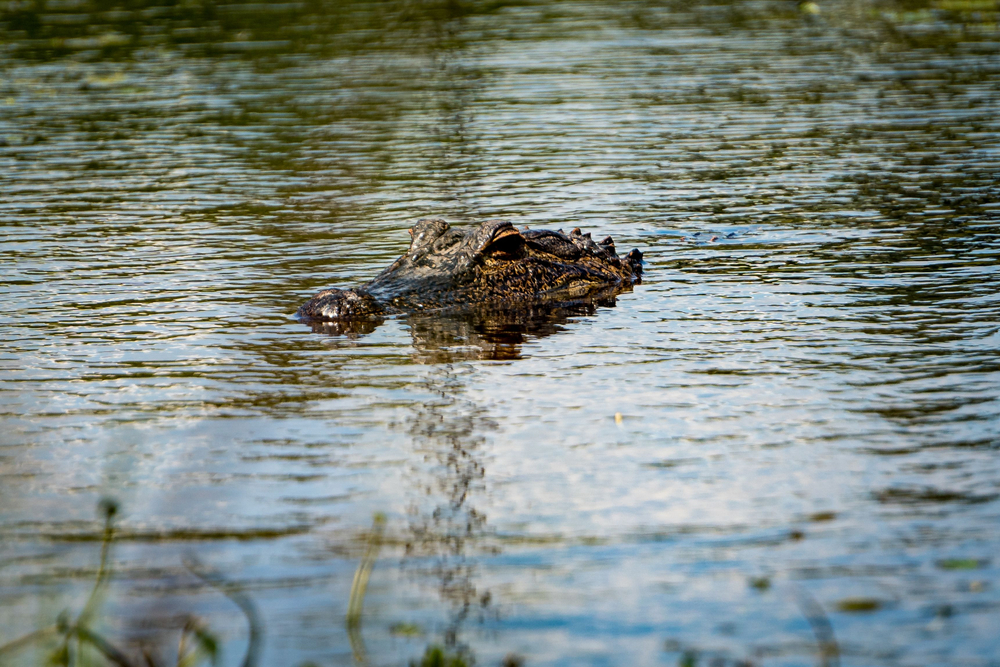
The American alligator (Alligator mississippiensis) is a native species to Texas, and their presence within the state’s waterways is a natural phenomenon. While not as densely populated as in some other regions, alligators have established populations in various Texas ecosystems. In the context of Austin, Texas, their habitat is primarily linked to larger bodies of water that offer suitable breeding grounds, food sources, and shelter.
Geographical Distribution and Habitat
The primary areas within and near Austin, Texas where alligators are most likely to be encountered include:
- The Colorado River and Lake Austin: This is the most significant waterway flowing through the city. The river, dammed to create Lake Austin, provides extensive habitat. Areas with dense vegetation along the banks, submerged logs, and slower-moving water are particularly attractive to alligators.
- The Lower Colorado River: Downstream from Austin, Texas, the river widens and meanders, offering more expansive wetlands and marshy areas that are ideal for alligators.
- Smaller Creeks and Ponds: While less common, alligators can sometimes be found in smaller, interconnected waterways and retention ponds, especially if they offer a consistent food source and a connection to larger water systems.
- Barton Creek and Zilker Park: While Zilker Park is a beloved urban oasis, its waterways, including parts of Barton Creek, can be home to alligators. Awareness is particularly important in areas where the creek is wider and slower-moving.
- The Balcones Canyonlands Preserve: This vast conservation area surrounding Austin, Texas protects a variety of habitats, and its waterways can support alligator populations.
It’s important to note that alligators are most active during warmer months, typically from spring through fall. During colder periods, they may become less visible as they enter a state of dormancy.
Factors Influencing Alligator Populations
Several factors contribute to the presence and visibility of alligators in the Austin, Texas area:
- Habitat Suitability: The availability of shallow, vegetated waters for nesting and basking, along with deeper channels for foraging and overwintering, is crucial.
- Food Availability: Alligators are opportunistic predators, feeding on fish, turtles, birds, small mammals, and even other reptiles. The abundance of these prey species in local waterways directly impacts alligator populations.
- Water Quality and Temperature: Alligators, being cold-blooded reptiles, are sensitive to water temperature. Warmer waters generally support larger populations.
- Human Interaction and Habitat Fragmentation: As Austin, Texas continues to grow, human development can impact alligator habitats. However, conservation efforts and the presence of protected natural areas help to maintain suitable environments.
Sightings and Safety Guidelines
The likelihood of encountering an alligator in Austin, Texas depends on the specific location and time of day. While sightings are not as frequent as in the deeper bayous of Louisiana, they do occur, and it’s essential for residents and visitors to be aware and adhere to safety guidelines.
Where to Potentially See Alligators
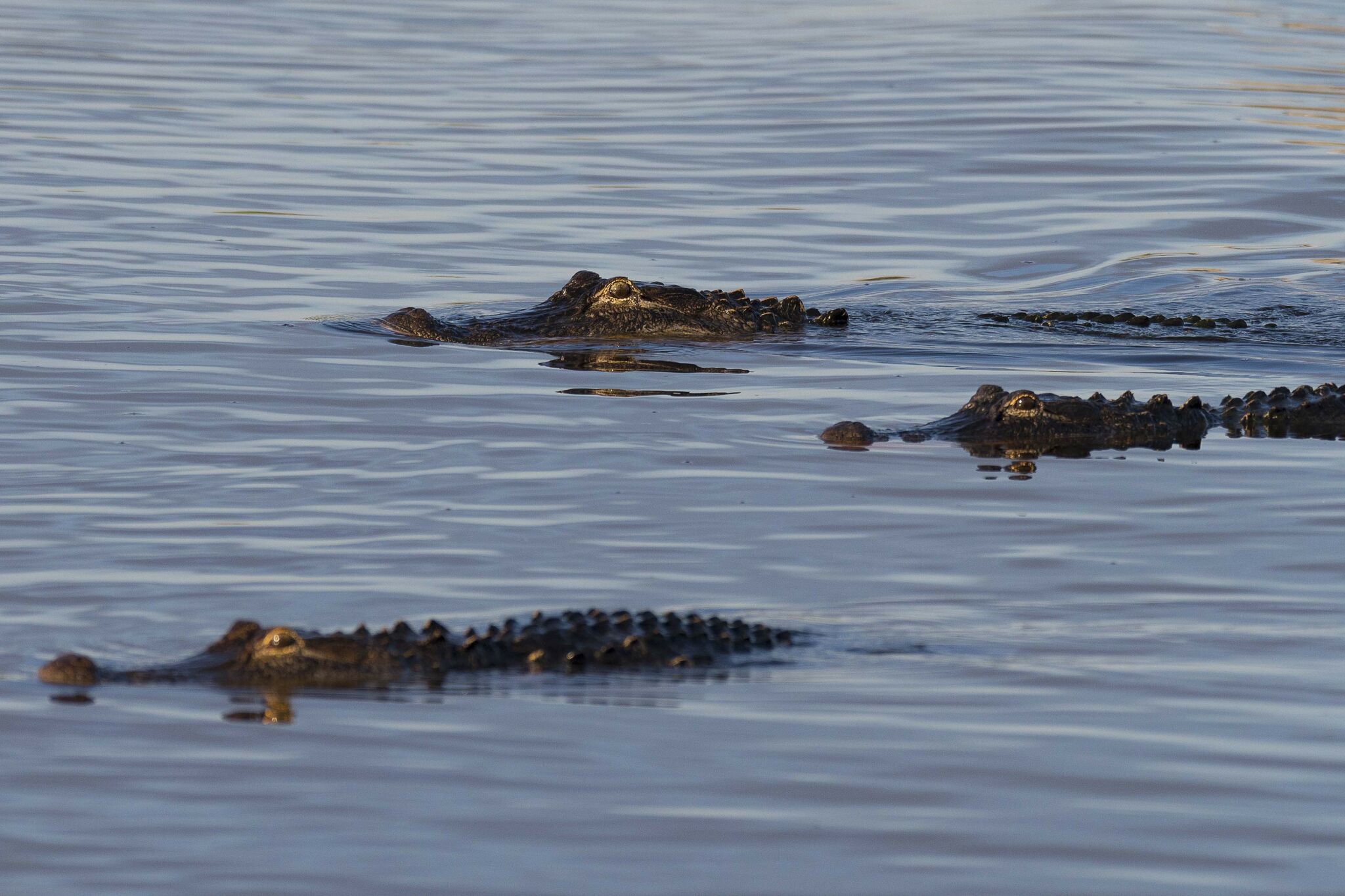
The most probable locations for alligator sightings are along the banks of the Colorado River and the edges of Lake Austin. Areas with overhanging trees, dense reeds, and muddy shores are prime habitats. Early morning and late evening are often when alligators are most active, seeking food or basking in the sun.
Essential Safety Precautions
Encountering an alligator, even a smaller one, requires respect and caution. These are wild animals, and their behavior can be unpredictable.
- Maintain a Safe Distance: Never approach an alligator, regardless of its size. A general rule of thumb is to stay at least 30 feet away from any observed alligator. This distance ensures your safety and minimizes stress on the animal.
- Do Not Feed Alligators: This is perhaps the most critical rule. Feeding alligators habituates them to humans, which can lead to aggressive behavior and increases the likelihood of dangerous encounters. It is also illegal in Texas.
- Supervise Children and Pets: Always keep a close eye on children and pets when near any body of water where alligators might be present. Dogs, in particular, can be perceived as prey by alligators, and it’s advisable to keep them on a leash and away from the water’s edge.
- Be Aware When Fishing or Boating: When fishing from the shore or boating on the Colorado River or Lake Austin, be mindful of your surroundings. Avoid casting lines near banks where alligators might be resting, and do not attempt to retrieve fishing lures or equipment that has fallen into the water if an alligator is nearby.
- Observe from a Distance: If you spot an alligator, the best approach is to observe it from a safe distance, using binoculars if possible. Appreciating these creatures in their natural habitat is part of the unique experience of visiting Austin, Texas.
- Report Unusual Behavior: If you observe an alligator that appears to be exhibiting unusually aggressive behavior, is in an inappropriate location (e.g., a residential backyard), or is posing an immediate threat, contact Texas Parks and Wildlife Department or local animal control.
Alligator Behavior and Myths
It’s a common misconception that alligators are constantly aggressive and a pervasive threat. In reality, alligators generally prefer to avoid confrontation with humans. Attacks are rare and often a result of direct provocation, habituation through feeding, or mistaking a human for prey due to proximity. Understanding their natural behaviors, such as basking to regulate body temperature and hunting from ambush, is key to coexisting safely.
Experiencing Austin’s Natural Side Responsibly
The presence of alligators in Austin, Texas is not a deterrent to enjoying the city’s abundant natural beauty; rather, it’s an integral part of it. Numerous opportunities exist to appreciate the local wildlife and ecosystems responsibly.
Wildlife Viewing Opportunities
- Kayaking and Paddleboarding: Renting a kayak or paddleboard on Lake Austin or the Colorado River offers a unique perspective. Paddlers can often spot alligators sunning themselves on logs or the banks. It’s crucial to maintain a respectful distance and avoid disturbing the animals. Guided tours can also provide valuable insights into the local ecosystem and safe wildlife viewing practices.
- Birdwatching: Areas along the waterways are rich in birdlife, which also attracts alligators. Observing the diverse avian species can be an excellent way to experience the natural environment while remaining aware of the potential for alligator sightings.
- Nature Trails and Parks: While direct encounters are less likely on well-trodden trails, many parks offer access to water bodies. Always be vigilant and aware of your surroundings, especially when venturing near the water’s edge.
Conservation Efforts in Austin
Austin, Texas is committed to preserving its natural resources. Organizations and governmental bodies work to protect habitats and manage wildlife populations, including alligators.
- Texas Parks and Wildlife Department: This agency plays a vital role in regulating hunting, managing wildlife populations, and educating the public about responsible interaction with native species.
- Local Nature Centers and Preserves: Facilities like the Barton Creek Greenbelt and the Balcones Canyonlands Preserve offer educational programs and opportunities for visitors to learn about the local flora and fauna in a controlled environment. These centers often provide valuable information about alligator safety and behavior.
Embracing the Wild in the City
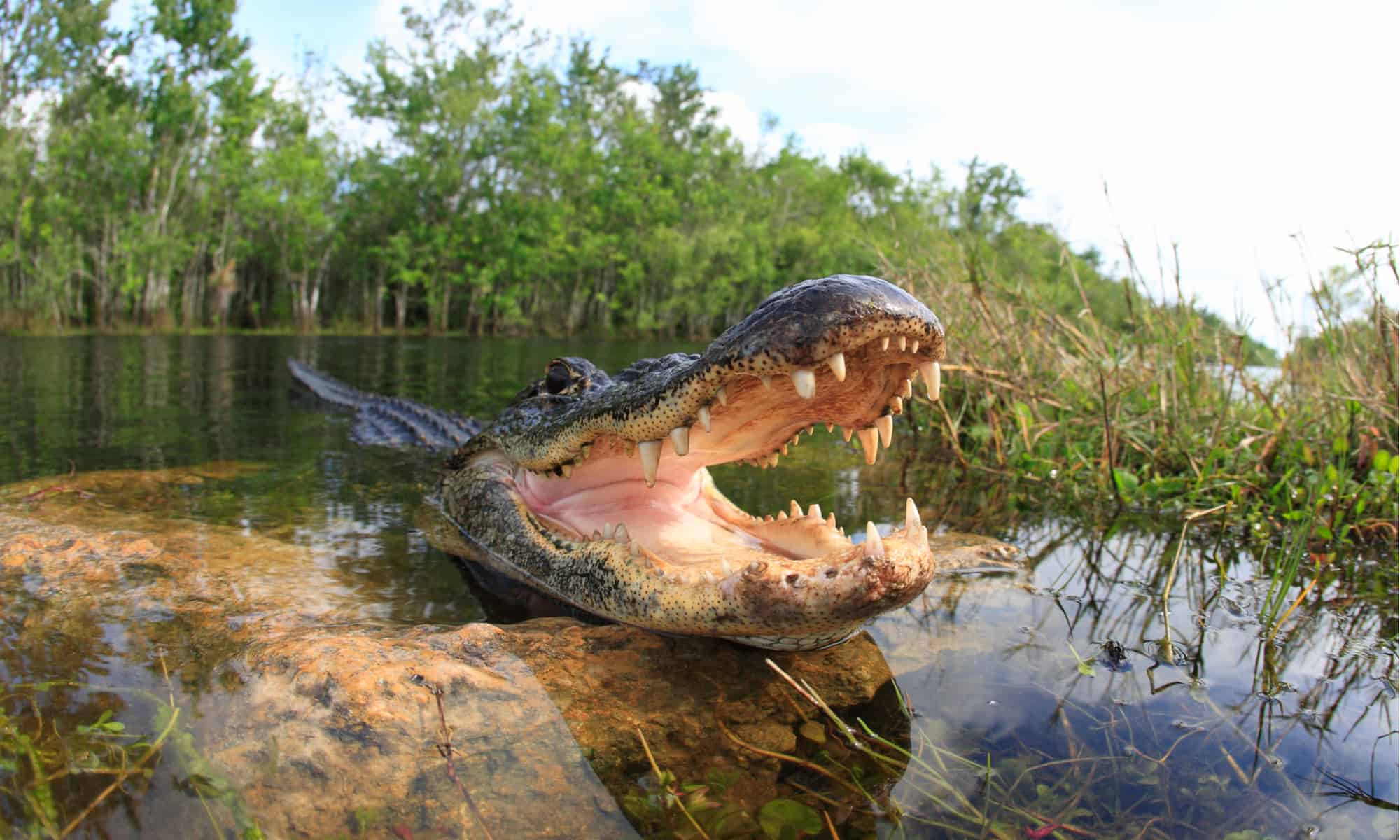
The coexistence of urban development and a thriving wild population, including alligators, is a hallmark of the Austin, Texas experience. By understanding the natural environment, respecting its inhabitants, and adhering to safety guidelines, visitors and residents can fully appreciate the unique ecological tapestry of this dynamic city. The presence of alligators is a reminder of the wild heart that beats within the urban landscape, offering a chance to connect with nature in an extraordinary way.
LifeOutOfTheBox is a participant in the Amazon Services LLC Associates Program, an affiliate advertising program designed to provide a means for sites to earn advertising fees by advertising and linking to Amazon.com. Amazon, the Amazon logo, AmazonSupply, and the AmazonSupply logo are trademarks of Amazon.com, Inc. or its affiliates. As an Amazon Associate we earn affiliate commissions from qualifying purchases.