
The question of whether alligators inhabit the sprawling metropolis of Dallas, Texas often evokes images of lurking predators in unexpected urban waterways. While the image might be startling, understanding the presence and behavior of wildlife in and around a major city like Dallas is crucial for both residents and visitors. This exploration delves into the realities of alligator populations in the Dallas-Fort Worth metroplex, focusing on the natural habitats, potential encounters, and essential safety guidelines for navigating areas where these fascinating reptiles might be present.
Understanding the Alligator’s Habitat
Alligators are native to the southeastern United States, with their range extending into eastern Texas. Their preferred habitat includes freshwater wetlands, swamps, marshes, rivers, and lakes. While Dallas itself is not characterized by vast, natural swamps, the region is crisscrossed by numerous waterways, reservoirs, and drainage systems that can support alligator populations, especially if these areas connect to larger river systems where alligators are more established.

Natural Range and Expansion
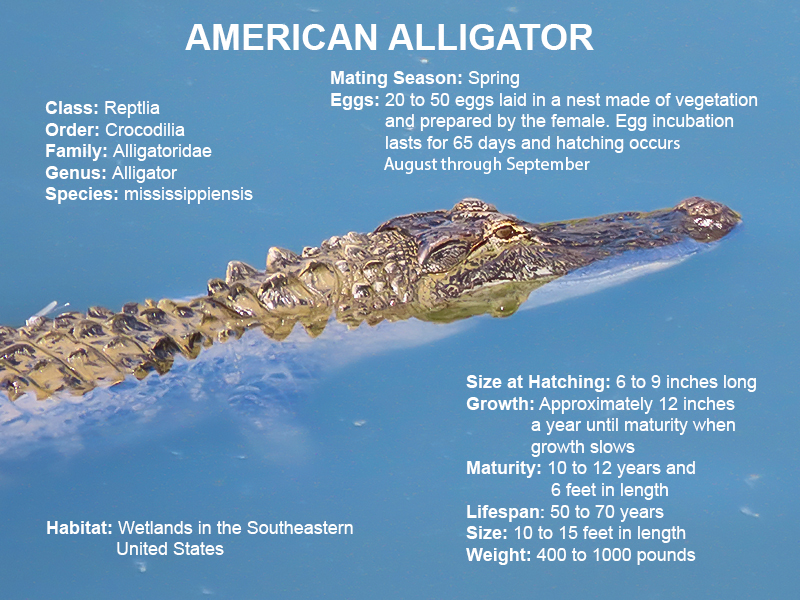
The American alligator (Alligator mississippiensis) thrives in warm, humid climates. Historically, their range was more concentrated in the bayous and swamps of Louisiana and the coastal plains of Florida and Georgia. However, as habitats are altered by human development and as alligator populations recover from historical declines due to hunting and habitat loss, their range has seen some expansion. This expansion can bring them into closer proximity to urbanized areas.
Dallas’s Waterways and Ecosystems
The Dallas area is home to several significant bodies of water that could potentially support alligators. The Trinity River, which flows through the heart of the metroplex, and its associated tributaries, oxbow lakes, and wetlands, are prime examples. Additionally, large reservoirs like Lake Ray Roberts, Lake Lewisville, and Joe Pool Lake provide extensive aquatic environments. While these lakes are managed for recreation and water supply, they also offer a suitable environment for alligators, particularly in less-developed, vegetated shorelines and adjacent marshes. Even smaller, man-made drainage ditches and retention ponds can sometimes become temporary or even semi-permanent homes for alligators, especially if they offer a food source and a place to bask and shelter.
Documented Sightings and Alligator Presence
While the potential for alligators exists in Dallas’s aquatic ecosystems, the question remains about documented evidence. Wildlife officials and local media have, over the years, reported sightings and occasional captures of alligators within the metroplex. These instances often occur in areas that directly connect to larger river systems or in floodplains where alligators might travel.
Official Reports and Wildlife Management
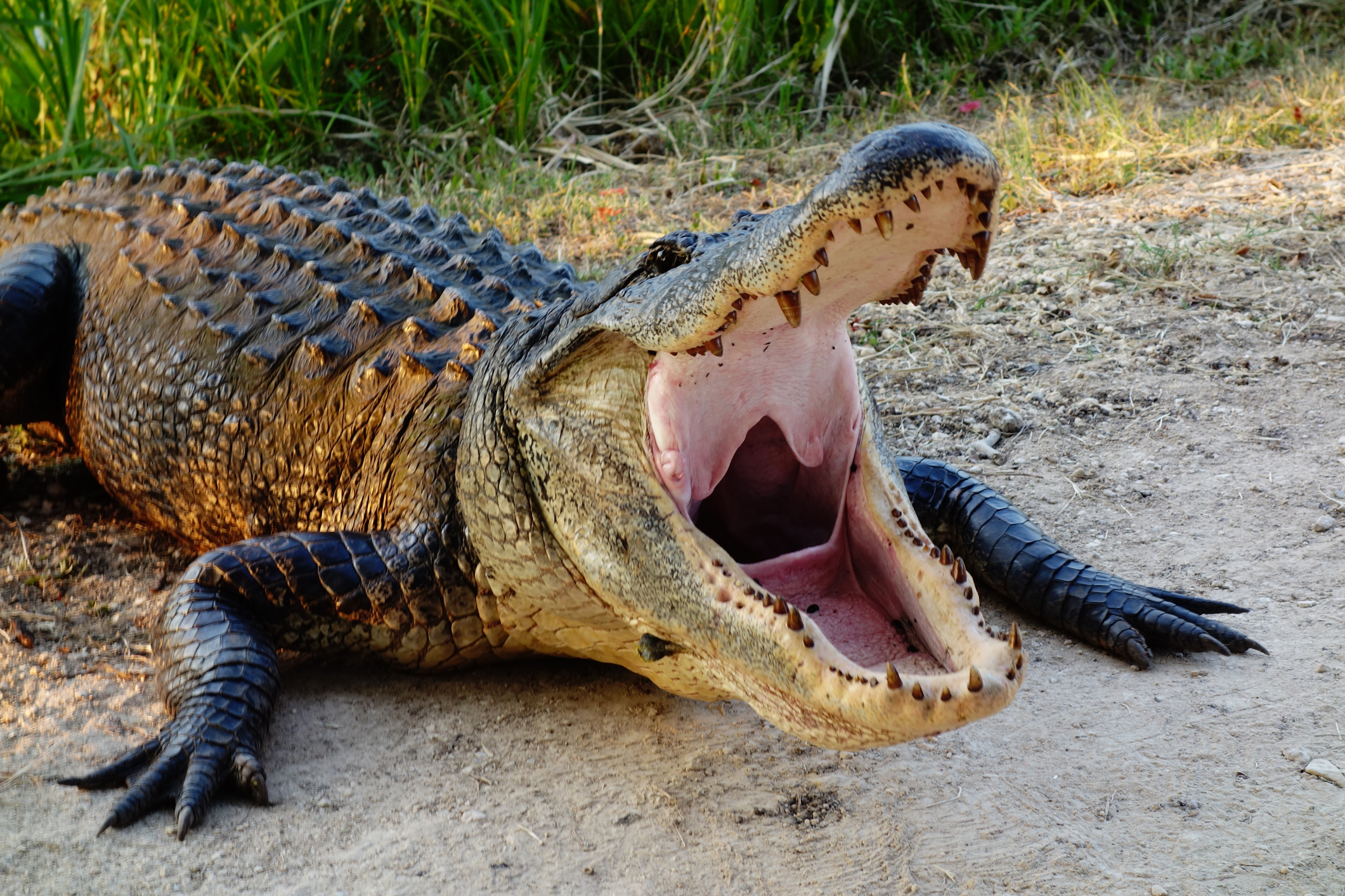
The Texas Parks and Wildlife Department (TPWD) is the primary authority on wildlife management in the state. They monitor alligator populations and respond to nuisance alligator situations. TPWD data and anecdotal reports from their biologists confirm the presence of alligators in the broader Dallas-Fort Worth region, though typically in more rural or less developed areas adjacent to the major urban centers. Sightings within the immediate city limits of Dallas are less common but not unheard of, often involving young or displaced individuals.
Notable Incidents and Media Coverage
News outlets in Dallas have periodically covered stories involving alligators. These often include sightings in public parks near water bodies, accidental encounters by anglers, or the relocation of alligators found in unusual urban locations, such as swimming pools or golf course ponds. Such reports, while sometimes sensationalized, highlight that these reptiles are indeed present and can, on occasion, venture into or inhabit urbanized aquatic environments. The key takeaway from these incidents is that alligators are more likely to be found in areas with substantial aquatic vegetation and less human disturbance.
Safety and Responsible Coexistence
Encountering an alligator in the wild, whether in a remote swamp or near an urban park, requires knowledge and caution. The presence of alligators in Dallas necessitates an understanding of how to safely coexist with these apex predators and minimize the risk of negative interactions.
Guidelines for Encounters
The most important rule when encountering an alligator is to maintain a safe distance. Alligators are wild animals and can be unpredictable.
- Observe from afar: Never approach an alligator, whether on land or in water. A distance of at least 30 feet is recommended, but greater distances are always safer.
- Do not feed: Feeding alligators habituates them to human presence and can lead to them associating people with food. This is dangerous for both humans and alligators, as it often results in the animal being euthanized.
- Keep pets on a leash: Pets, especially small ones, can be mistaken for prey by alligators. Always keep them leashed and under close supervision, particularly near water.
- Be aware of your surroundings: When walking or recreating near bodies of water, be mindful of where you step and keep an eye out for signs of alligator activity, such as tracks, trails in the mud, or submerged logs that might be alligators.
- Avoid swimming in areas where alligators are known to exist: While many reservoirs around Dallas are popular for recreation, it’s wise to heed any posted warnings about wildlife.
Reporting Nuisance Alligators
If you encounter an alligator that appears to be injured, diseased, or is behaving aggressively, or if it is in a location where it poses a significant threat to public safety (e.g., in a busy park, a residential backyard, or a schoolyard), it is important to report it to the appropriate authorities. The Texas Parks and Wildlife Department has trained personnel who can assess the situation and, if necessary, safely remove the animal. Many local animal control agencies in the Dallas-Fort Worth area are also equipped to handle nuisance alligator reports.
Understanding Alligator Behavior
Alligators are generally shy and avoid human contact. They are most active during warmer months and often bask in the sun to regulate their body temperature. During cooler periods or in deeper water, they may become less visible. Their primary diet consists of fish, amphibians, reptiles, birds, and small mammals. While attacks on humans are rare, they can occur if an alligator feels threatened, is protecting its nest, or if it has been fed by humans and lost its natural fear. Respecting their space and understanding their natural behaviors are key to safe coexistence. The urban environment of Dallas, while seemingly far removed from traditional alligator habitats, still presents opportunities for these creatures to exist, especially within its extensive network of waterways. Awareness and responsible behavior are paramount for enjoying the natural beauty of the region without incident.
LifeOutOfTheBox is a participant in the Amazon Services LLC Associates Program, an affiliate advertising program designed to provide a means for sites to earn advertising fees by advertising and linking to Amazon.com. Amazon, the Amazon logo, AmazonSupply, and the AmazonSupply logo are trademarks of Amazon.com, Inc. or its affiliates. As an Amazon Associate we earn affiliate commissions from qualifying purchases.