
The vast and diverse landscapes of Texas conjure images of dusty plains, rolling hills, and the iconic Longhorn cattle. While the Lone Star State is renowned for its desert scrub, sprawling ranches, and unique flora and fauna, the notion of spotting a majestic moose might seem as improbable as finding snow in the Chihuahuan Desert. However, the natural world often surprises us, and the question of whether moose inhabit Texas warrants a closer look, not just for the curious naturalist, but for anyone interested in the ecological tapestry of this expansive state.
Understanding the Texas Ecosystem
To address the presence, or absence, of moose in Texas, it’s crucial to understand the state’s varied ecological zones and the typical habitats favored by these large cervids. Texas stretches across a remarkable range of biomes, from the piney woods of the east to the arid plains of the west, the coastal marshes of the south, and the mountainous terrain of the Big Bend region. Each of these environments supports a distinct array of wildlife, shaped by climate, vegetation, and geological history.

The Range of Texas’s Natural Habitats
Texas is a state of extremes, boasting a variety of geographical features. The Piney Woods in East Texas, characterized by dense forests of pine and hardwood, might seem like a plausible habitat for a forest-dwelling animal like the moose. This region receives ample rainfall and features numerous water sources, essential for moose survival. Further west, the Edwards Plateau offers a mosaic of grasslands, oak woodlands, and riparian areas. The Trans-Pecos region, with its rugged mountains and desert basins, presents a starkly different environment, while the Gulf Coast offers wetlands and coastal prairies.
Ideal Moose Habitat Requirements
Moose (Alces alces) are the largest members of the deer family and are adapted to cooler climates with abundant water and vegetation. They typically inhabit boreal and temperate forests, often near lakes, rivers, and swamps. Their diet consists primarily of aquatic vegetation, leaves, twigs, and bark from woody plants. Moose require large territories and are generally solitary animals, though they may congregate in small groups during mating season or around particularly rich food sources. Their physical adaptations, such as their long legs for wading through snow and water and their broad antlers (in males), are suited to northern climes.
The Case Against Moose in Texas
Given the established ecological preferences of moose and the prevailing climatic conditions and dominant vegetation across most of Texas, the answer to whether moose are native to the state is a resounding no. There is no historical or scientific record of moose being a naturally occurring species within Texas’s borders. Their preferred habitat – the cool, moist, boreal forests found in more northern latitudes – simply does not exist in any significant capacity within Texas.
Historical and Scientific Evidence
Ecological surveys, wildlife management studies, and historical accounts of Texas fauna consistently omit moose from the state’s native wildlife list. The fauna of Texas includes a rich diversity of species, such as white-tailed deer, mule deer, javelinas, coyotes, bobcats, and various bird and reptile species, but moose have never been documented as a breeding population or even as a regular migratory visitor.
Climatic and Vegetative Discrepancies
The climate of Texas, even in its cooler northern regions, is generally too warm for moose. Summers can be intensely hot, and the vegetation is often adapted to drier conditions than what moose prefer. While moose are known to expand their range opportunistically, their physiological adaptations are not suited to sustained periods of high temperatures. The lack of extensive boreal forests or vast, cool wetlands further precludes the establishment of a moose population.
Rare Sightings and Misidentification
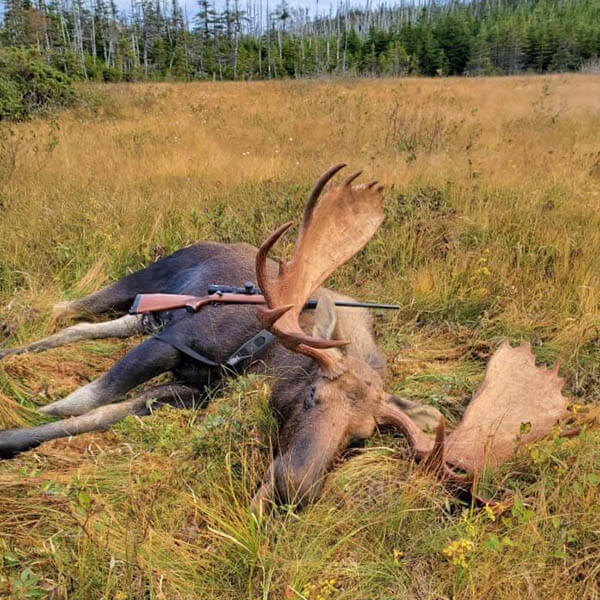
Despite the lack of native populations, there have been occasional reports of large ungulates in Texas that, to the untrained eye, might be mistaken for a moose. These instances are exceptionally rare and are almost always attributable to escaped captive animals or misidentification.
Escaped Captive Animals
Occasionally, exotic animals kept in private collections or wildlife parks can escape. While it is highly unlikely for a moose to thrive or survive for long in the Texas environment, an escaped individual could theoretically be sighted. However, such occurrences are isolated incidents, not indicative of a wild, self-sustaining population. The challenges of finding adequate food, water, and suitable temperatures would severely limit the survival of such an animal.
The Possibility of Misidentification
The moose is a distinctive animal, but in the vastness of Texas, other large native mammals or even livestock could be misidentified. For instance, a large elk (Cervus canadensis), which does have a historical presence in parts of Texas, particularly in the mountainous west, might be mistaken for a moose at a distance or in poor visibility. Both are large ungulates, but their build, coloration, and antler shape are different. More commonly, the sheer size of some domestic cattle breeds or even large deer species could lead to confusion, especially for observers unfamiliar with moose. The elk population in Texas is found primarily in the Trans-Pecos region, where some wild herds exist alongside reintroduced populations in other areas.
The Role of Wildlife Management and Conservation
The absence of moose in Texas does not diminish the state’s commitment to wildlife conservation. Texas Parks and Wildlife Department actively manages and conserves a wide array of native species, focusing on those that are adapted to the state’s unique environments. Efforts are concentrated on protecting habitats for species like the white-tailed deer, mule deer, pronghorn, and the critically endangered Attwater’s prairie chicken.
Native Wildlife Conservation Efforts
Texas Parks and Wildlife Department plays a vital role in the stewardship of the state’s natural resources. Their work includes habitat restoration, anti-poaching initiatives, research into wildlife populations, and public education. For species that are native to Texas, these efforts ensure their long-term survival and the health of the ecosystems they inhabit. This focus allows for the preservation of iconic Texas wildlife and their associated landscapes, from the pine forests of the east to the brush country of the south.
Introducing Non-Native Species
The introduction of non-native species into an ecosystem is a complex issue with potential ecological ramifications. While the idea of seeing a moose in Texas might appeal to some, introducing such a large animal outside its native range would require extensive scientific study and would likely be met with significant ecological concerns. The potential impact on native vegetation, existing wildlife populations, and disease transmission would need thorough evaluation. Currently, there are no active plans or considerations for introducing moose into Texas. The state’s conservation strategies prioritize the health and perpetuation of its indigenous species.

Conclusion: A Texas Without Moose
In summary, while Texas offers an incredible diversity of natural landscapes and wildlife, the moose is not among its native inhabitants. The environmental conditions, particularly climate and vegetation, are not conducive to supporting a wild population of these northern cervids. Occasional sightings are almost certainly due to escaped captive animals or misidentification with other large ungulates. The focus of wildlife management in Texas remains steadfastly on conserving and celebrating the unique native species that define the Lone Star State’s rich ecological heritage. The allure of seeing a moose might draw explorers to colder climes, but in Texas, the wildlife wonders are distinctly its own.
LifeOutOfTheBox is a participant in the Amazon Services LLC Associates Program, an affiliate advertising program designed to provide a means for sites to earn advertising fees by advertising and linking to Amazon.com. Amazon, the Amazon logo, AmazonSupply, and the AmazonSupply logo are trademarks of Amazon.com, Inc. or its affiliates. As an Amazon Associate we earn affiliate commissions from qualifying purchases.