
TheLone Star State, a land of vast prairies, rugged mountains, and sprawling deserts, is renowned for its diverse wildlife. From the majestic American bison roaming the plains to the elusive jaguarundi slinking through thorny scrub, Texas offers a captivating array of natural wonders. Within this rich tapestry of fauna, a question often arises for bird enthusiasts and nature lovers: do ravens inhabit the wilds of Texas? The answer, perhaps surprisingly to some, is a resounding yes. While not as ubiquitous as their smaller cousins, the American crow, common ravens (Corvus corax) are indeed present in certain regions of Texas, adding another layer of intrigue to the state’s ornithological landscape.
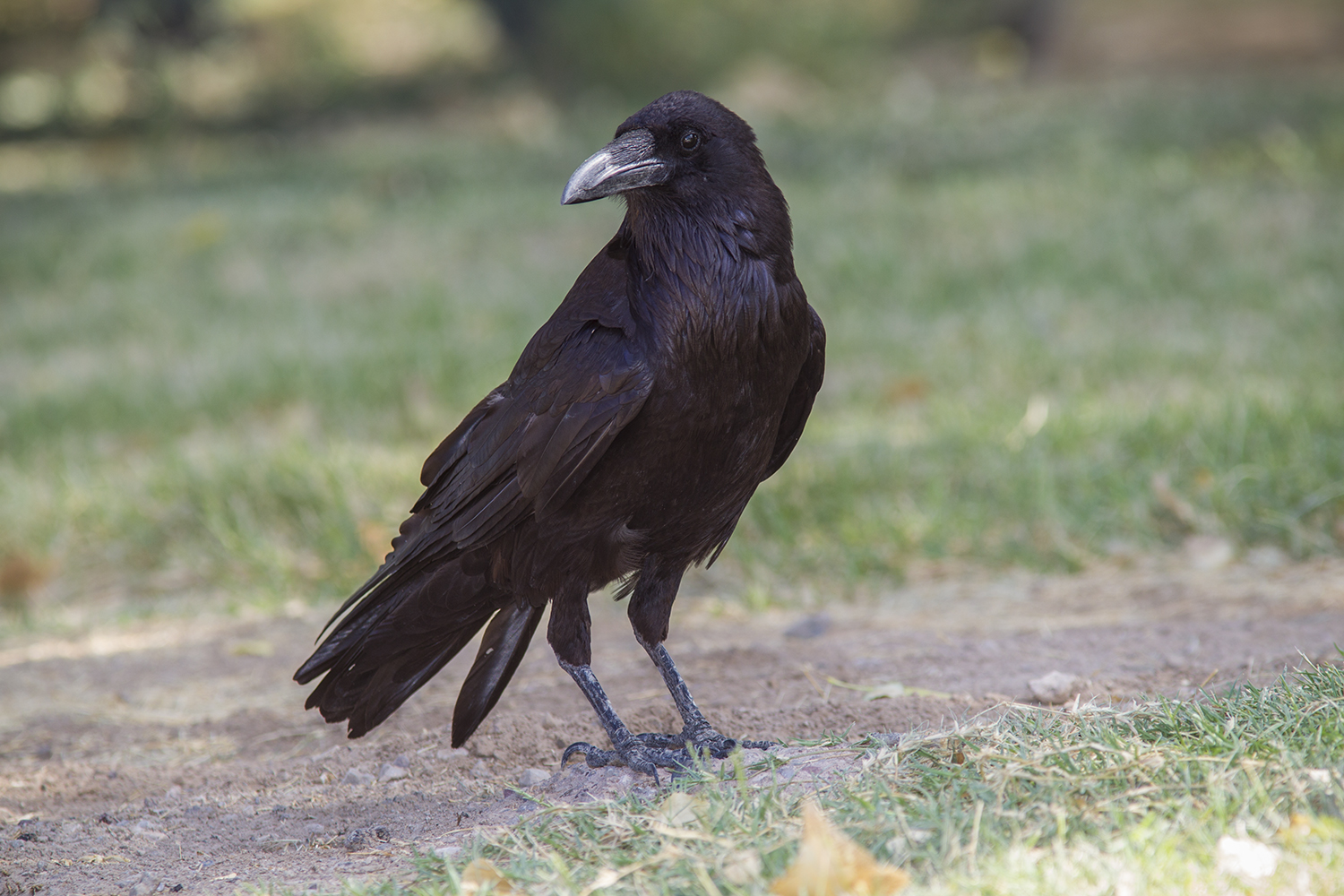
The Raven’s Domain: Where to Find Them in Texas
While ravens can be found across North America, their presence in Texas is more nuanced, largely dictated by habitat preference and the availability of suitable foraging grounds and nesting sites. Unlike the more adaptable crows, ravens tend to favor wilder, less populated areas.
West Texas: A Raven Stronghold
The arid and semi-arid landscapes of West Texas provide the ideal environment for ravens. These large, intelligent birds thrive in areas with open country, canyons, mesas, and rocky outcrops. The vast expanses of Big Bend Country, including Big Bend National Park, are prime territories for observing ravens. The park’s dramatic canyons, such as the Santa Elena Canyon and the Chisos Mountains, offer both the solitude and the geological features ravens utilize for nesting and roosting.
Further north in West Texas, areas like the Guadalupe Mountains and the Trans-Pecos region also support raven populations. The rugged terrain, with its cliffs and talus slopes, provides excellent nesting opportunities, while the open grasslands and scattered woodlands offer ample food sources. Birdwatchers venturing into these remote areas have a good chance of spotting these distinctive birds soaring on thermals or perched atop rock formations.
Limited Presence in Other Texas Regions
Beyond West Texas, the raven’s footprint becomes less pronounced. While occasional sightings might occur in the more remote and undeveloped portions of Central Texas or the Panhandle, they are far from common. Factors such as increased human development, agricultural landscapes, and a higher density of competing corvid species like American crows likely contribute to their limited distribution elsewhere. The dense forests of East Texas, for instance, are not typically considered raven habitat.
Distinguishing Ravens from Crows: A Key Identification Challenge
For many, the distinction between a raven and a crow can be a source of confusion. Both are members of the Corvus genus, sharing a similar glossy black plumage. However, there are several key characteristics that can help differentiate them, especially when observing them in the wild.
Size and Silhouette
Perhaps the most striking difference is size. Common ravens are significantly larger than American crows, often measuring nearly twice their size. When seen in flight, ravens have a more commanding presence. Their wings appear broader and more paddle-shaped, and they often soar with their wingtips pointed upwards, creating a subtle dihedral. Crows, in contrast, have a more direct, flapping flight pattern.
Tail Shape
Another crucial identification marker is the tail shape in flight. Ravens possess a wedge-shaped or diamond-shaped tail, which is particularly evident when they are soaring. Crows, on the other hand, have a fan-shaped or slightly rounded tail. This difference in tail shape is a reliable indicator for experienced birders.
Vocalizations
The calls of ravens and crows are distinct. Crows are known for their familiar “caw-caw” calls. Ravens, however, boast a much more extensive and varied repertoire of vocalizations. They can produce a deep, resonant croak, often described as a “gronk,” which is quite different from a crow’s call. They also mimic other sounds and engage in a range of clicks, whistles, and guttural noises. Listening carefully to the sounds of the Texas landscape can provide valuable clues to the presence of either species.
Behavior and Habitat Use

Ravens are often observed soaring at great heights, utilizing updrafts and thermals. They also exhibit a more solitary or paired behavior, whereas crows are more commonly seen in larger flocks. Their preference for wilder, more remote areas, as discussed earlier, also sets them apart from the more common and adaptable crows that readily inhabit urban and suburban environments.
The Raven’s Role in Texas’s Natural Ecosystems
Beyond their fascinating presence, common ravens play a vital role in the ecosystems they inhabit within Texas. As intelligent and opportunistic omnivores, they contribute to the natural balance of their environments.
Scavengers and Predators
Ravens are highly adaptable foragers, consuming a wide variety of food items. They are significant scavengers, readily feeding on carrion, which helps to clean up the landscape and reduce the spread of disease. Their keen eyesight allows them to spot potential meals from considerable distances. In addition to scavenging, they are also active predators, preying on small mammals, reptiles, insects, and other birds, including eggs and nestlings. This dual role as both scavenger and predator helps to regulate populations of various species.
Intelligence and Adaptability
The common raven is renowned for its exceptional intelligence. They possess complex problem-solving abilities, can use tools, and demonstrate sophisticated social behaviors. This intelligence allows them to adapt to a wide range of environmental conditions and exploit various food sources. In the harsh, often challenging environments of West Texas, this adaptability is crucial for their survival. Their ability to learn and remember locations of food sources and potential dangers further enhances their success.
Indicators of Wilderness
The presence of a healthy raven population can often be an indicator of relatively undisturbed and wild landscapes. Because they generally avoid heavily developed or populated areas, their sightings can suggest that a region retains significant natural integrity. For conservationists and nature enthusiasts, the raven serves as a barometer of the health of the wild places in Texas.
Planning Your Raven-Watching Excursion in Texas
For those inspired to seek out these magnificent birds in their Texas habitats, careful planning and a respect for the natural environment are key.
Best Times and Locations for Observation
The best opportunities for spotting ravens in Texas are undoubtedly in West Texas, particularly within Big Bend National Park. Early morning and late afternoon often provide the most active periods for birds. Look for them soaring overhead or perched on high vantage points, such as cliff faces or prominent rock formations. Exploring less-trafficked areas within the park, away from the main visitor centers, can increase your chances.
Other potential locations in West Texas include the Guadalupe Mountains National Park, the Davis Mountains State Park, and the surrounding public lands and ranches that offer similar rugged terrain. Always check park regulations and consider hiring a local guide who is knowledgeable about the area’s wildlife.

Essential Gear and Etiquette
When embarking on a raven-watching trip, appropriate gear can significantly enhance your experience. Binoculars are essential for observing distant birds and for distinguishing between ravens and crows. A spotting scope can be useful for viewing them on remote cliff faces. Comfortable hiking boots, sun protection (hats, sunscreen), and plenty of water are crucial, especially in the arid West Texas climate.
When observing wildlife, ethical practices are paramount. Maintain a respectful distance from all animals, including ravens. Avoid making loud noises or sudden movements that could disturb them. Never feed wildlife, as this can disrupt their natural behaviors and diets. Stay on marked trails to minimize your impact on the environment. Documenting your sightings through photography or journaling can be a rewarding aspect of your excursion, but prioritize the well-being of the birds and their habitat above all else.
The common raven, with its intelligence, resilience, and striking presence, adds a significant element to the avian diversity of Texas. While their domain might be more specific than other common bird species, their existence in the state’s wilder reaches offers a compelling reason for exploration and appreciation of Texas’s natural heritage. For those willing to venture into these unique landscapes, the reward is the potential to witness one of North America’s most iconic and intelligent birds in its natural Texas setting.
LifeOutOfTheBox is a participant in the Amazon Services LLC Associates Program, an affiliate advertising program designed to provide a means for sites to earn advertising fees by advertising and linking to Amazon.com. Amazon, the Amazon logo, AmazonSupply, and the AmazonSupply logo are trademarks of Amazon.com, Inc. or its affiliates. As an Amazon Associate we earn affiliate commissions from qualifying purchases.