
The vast and varied landscape of Texas presents a compelling array of natural wonders, from the rolling Hill Country to the dense Piney Woods and the expansive Gulf Coast. For travelers, adventurers, and nature enthusiasts, the Lone Star State offers unparalleled opportunities for exploration. However, as with any destination that embraces its natural beauty, visitors often inquire about potential wildlife encounters, and a common concern revolves around the presence and prevalence of ticks. The answer is a resounding yes; ticks are indeed present in Texas, and understanding their habits, habitats, and potential risks is crucial for a safe and enjoyable experience.
Understanding Texas Tick Populations
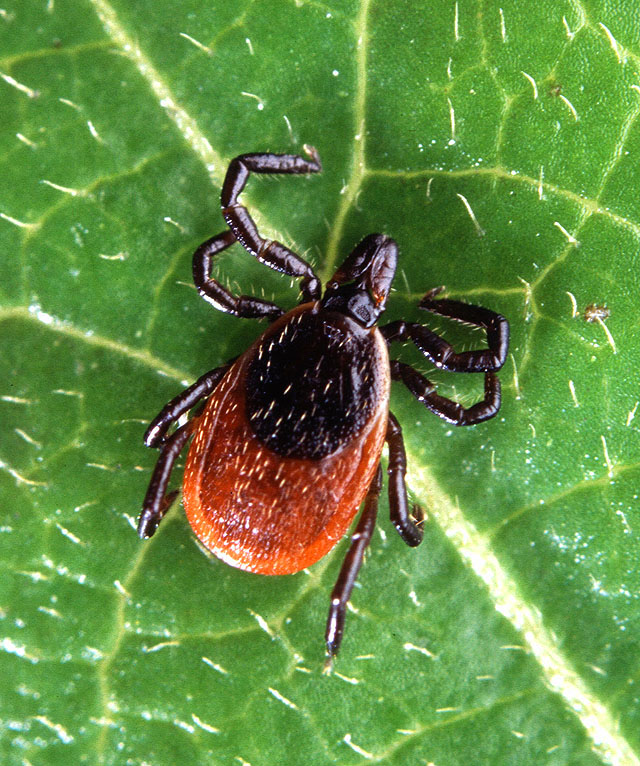
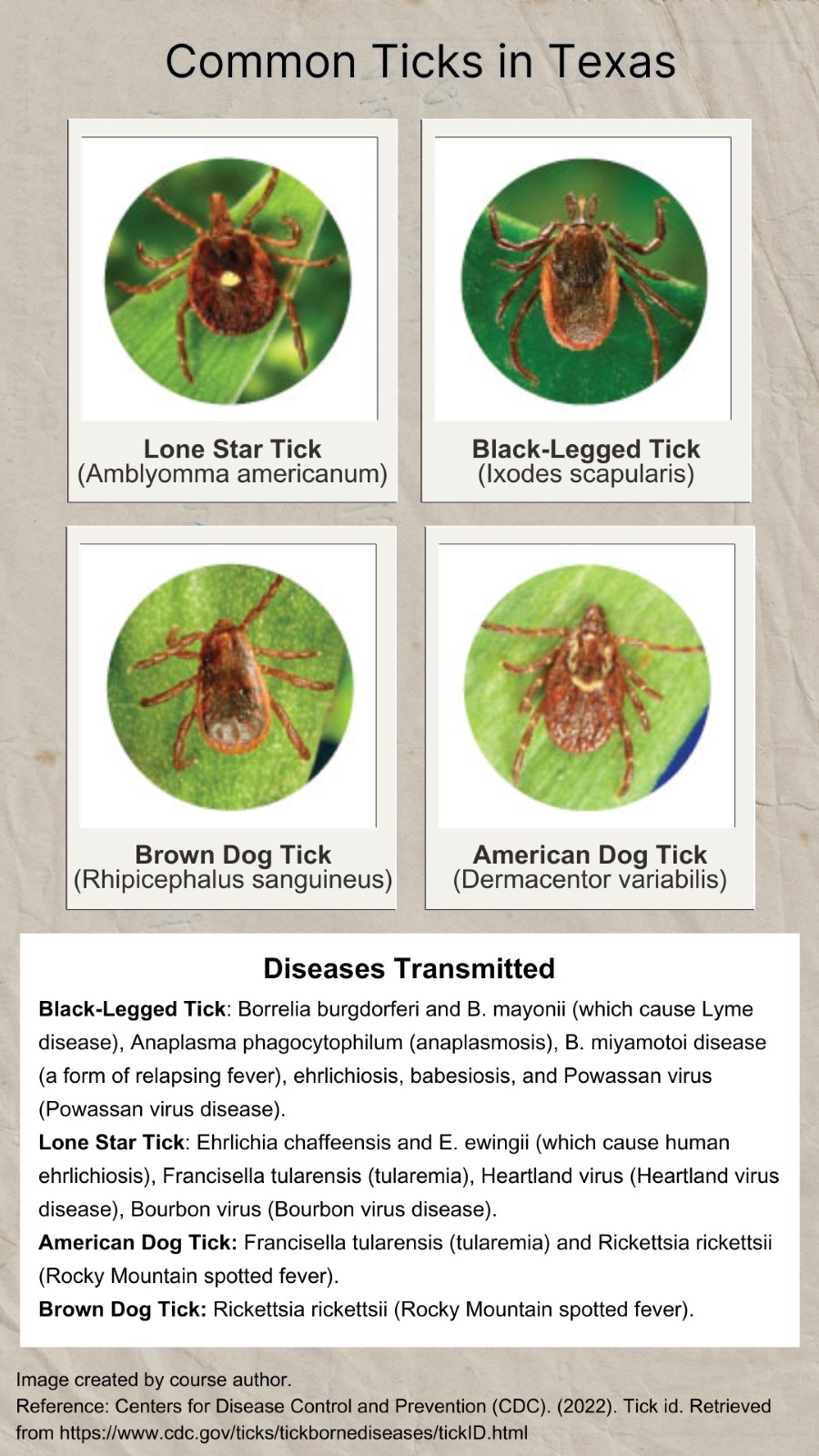
Texas boasts a diverse ecosystem that supports numerous tick species, each with its preferred habitat and host. The most common types encountered by humans include the blacklegged tick (often referred to as the deer tick, though more accurately associated with deer populations), the American dog tick, and the Lone Star tick. These arachnids are most active during warmer months, typically from spring through fall, though their presence can extend into milder winter periods in certain regions.
Key Tick Species and Their Habitats
-
The Lone Star Tick (Amblyomma americanum): This is perhaps the most notorious tick in Texas, recognized by the distinctive white spot on the back of the adult female. These ticks are commonly found in wooded areas, brushy fields, tall grass, and even well-maintained lawns. They are aggressive biters and can transmit several diseases, including Southern tick-associated rash illness (STARI), Rocky Mountain spotted fever (RMSF), and tularemia. The Lone Star tick is also implicated in causing an emerging alpha-gal allergy in some individuals, leading to red meat allergies.
-
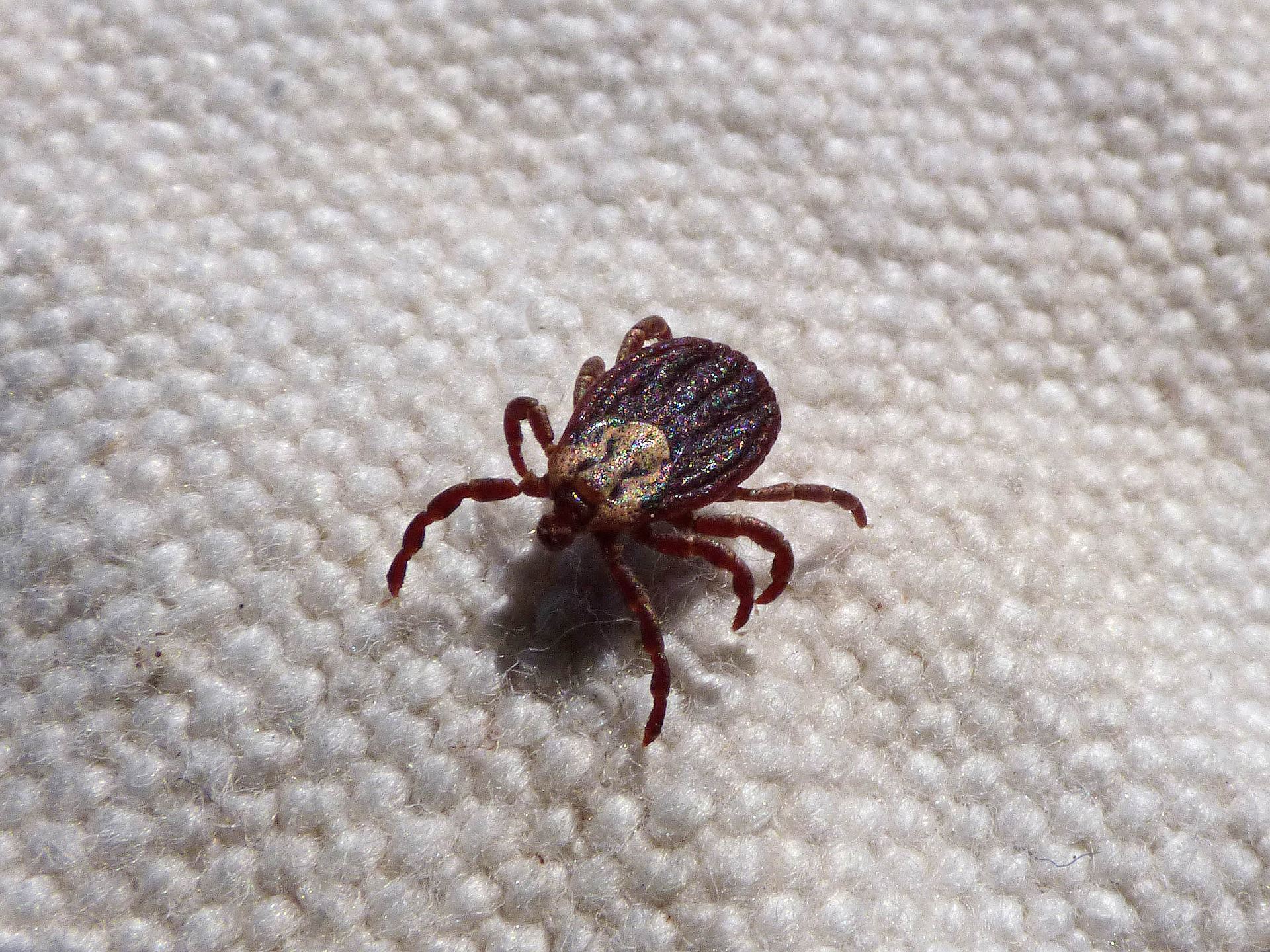
The American Dog Tick (Dermacentor variabilis): This species is widespread across Texas and is known for its preference for areas with tall grass and low-lying vegetation, often found in fields, pastures, and along hiking trails. While it can transmit RMSF and tularemia, it is generally considered less problematic than the Lone Star tick in terms of disease transmission to humans.
-
The Blacklegged Tick (Ixodes scapularis): Although historically more prevalent in the eastern United States, the blacklegged tick has expanded its range and is increasingly found in the eastern and central parts of Texas, particularly in wooded environments with abundant leaf litter. This tick is the primary vector for Lyme disease in many regions, although the incidence of Lyme disease transmitted by blacklegged ticks in Texas is generally lower compared to other parts of the country. It can also transmit anaplasmosis and babesiosis.
Seasonal Activity and Environmental Factors
Tick activity is heavily influenced by weather patterns. Spring and fall generally represent peak seasons for most tick species in Texas, with a secondary surge in activity during the summer months, especially in shaded and humid areas. Mild winters can extend tick activity, meaning encounters are possible year-round in some locales. Factors like rainfall and vegetation growth also play a role; lush environments provide more ideal breeding and hunting grounds for ticks.
Navigating Tick-Prone Areas in Texas
Understanding where ticks are most likely to be found is essential for planning your outdoor activities in Texas. While ticks can be encountered in almost any green space, certain environments pose a higher risk.
Outdoor Adventures and Tick Hotspots
-
State Parks and National Forests: Destinations like Big Bend National Park, Palo Duro Canyon State Park, and the Sam Houston National Forest offer breathtaking scenery and diverse recreational opportunities, including hiking, camping, and wildlife viewing. These areas, rich in natural habitats, are prime locations for tick encounters. Trails that are less maintained, overgrown, or that traverse heavily wooded areas present a higher probability of encountering ticks.
-
Rural and Undeveloped Areas: Traveling through or camping in rural Texas, especially in regions with extensive forests, grasslands, or agricultural land, increases exposure. Undeveloped private land, farmlands, and even the outskirts of smaller towns can harbor significant tick populations.
-
Urban Green Spaces: While less common than in wilder areas, ticks can also be found in urban parks, golf courses, and suburban backyards, particularly if these areas border wooded lots or have tall grass. The Lone Star tick, in particular, has shown an ability to adapt to more manicured environments.
Activities with Higher Tick Exposure
Certain outdoor pursuits inherently increase your chances of tick exposure:
- Hiking and Backpacking: Traversing trails, especially those that are overgrown or lead through dense vegetation, places you in direct contact with tick habitats.
- Camping and Glamping: Setting up tents, sleeping bags, or RVs in natural areas, even designated campgrounds, can expose you to ticks that reside in the surrounding flora.
- Hunting and Fishing: These activities often involve spending extended periods in remote, wooded, or marshy areas, which are prime tick territories.
- Gardening and Yard Work: Even routine activities around your home, such as mowing the lawn, raking leaves, or gardening, can lead to tick encounters if your yard is frequented by deer or other wildlife that carry ticks.
- Wildlife Viewing: Observing animals in their natural habitat, whether it’s deer, birds, or other wildlife, often means venturing into areas where ticks are abundant.
Prevention and Protection Strategies
The good news is that with proper planning and precautions, the risk of tick bites and subsequent tick-borne illnesses can be significantly minimized. A multi-layered approach to tick prevention is highly recommended for anyone venturing into tick-prone areas in Texas.
Personal Protection Measures
-
Tick-Repellent Clothing and Gear: Treat clothing, shoes, and camping gear with permethrin, an insecticide that kills ticks on contact. Products are available in spray form or as pre-treated apparel. Ensure you follow product instructions carefully.
-
Insect Repellents: Apply EPA-registered insect repellents containing DEET, picaridin, IR3535, oil of lemon eucalyptus, para-menthane-diol, or 2-undecanone to exposed skin. For maximum protection, use repellents on both skin and clothing.
-
Protective Clothing: Wear long-sleeved shirts, long pants, and tucked-in socks. Light-colored clothing can make it easier to spot ticks before they bite. Consider wearing gaiters or tucking pant legs into socks or boots.
Post-Activity Tick Checks
-
Thorough Body Scan: After spending time outdoors, conduct a thorough tick check on yourself, your children, and your pets. Pay close attention to areas like the scalp, ears, armpits, groin, knees, and behind the knees. Ticks often seek warm, moist areas to attach.
-
Inspect Gear and Pets: Carefully examine clothing, backpacks, and camping equipment for any hitchhiking ticks. Pets can also carry ticks indoors, so their fur should be checked diligently.
Tick Removal and Disposal
If you find a tick attached to your skin:
- Use Fine-Tipped Tweezers: Grasp the tick as close to the skin’s surface as possible.
- Pull Upward with Steady Pressure: Avoid twisting or jerking the tick, as this can cause its mouthparts to break off and remain in the skin.
- Clean the Bite Area: After removing the tick, thoroughly clean the bite area and your hands with rubbing alcohol or soap and water.
- Dispose of the Tick: Submerge the tick in rubbing alcohol, place it in a sealed bag or container, or flush it down the toilet. Do not crush a tick with your fingers.
Recognizing Symptoms and Seeking Medical Advice
While prevention is key, it’s also important to be aware of the signs and symptoms of tick-borne illnesses. Early detection and treatment are critical for a positive outcome.
Common Tick-Borne Diseases in Texas
- Rocky Mountain Spotted Fever (RMSF): Characterized by fever, headache, rash (which may appear a few days after the fever starts), nausea, vomiting, stomach pain, and muscle aches. The rash typically begins on the wrists and ankles and can spread to the rest of the body.
- Southern Tick-Associated Rash Illness (STARI): Similar to the rash of Lyme disease, STARI presents with an expanding, circular rash that is typically red and may be accompanied by fever, fatigue, and muscle aches. The severity and specific symptoms can vary.
- Tularemia: Symptoms can include fever, chills, headache, diarrhea, muscle pain, nausea, vomiting, and weakness. A skin sore may develop at the site of the tick bite, accompanied by swollen lymph nodes.
- Lyme Disease: While less common in Texas than in other regions, symptoms can include fever, headache, fatigue, and a characteristic “bull’s-eye” rash. If left untreated, Lyme disease can spread to joints, the heart, and the nervous system.
When to Consult a Healthcare Professional
If you develop any of the symptoms mentioned above after a known or suspected tick bite, or after spending time in a tick-infested area, it is crucial to seek medical attention promptly. Inform your healthcare provider about your recent outdoor activities and any tick bites you may have experienced. Early diagnosis and treatment with appropriate antibiotics can effectively manage most tick-borne illnesses.
By understanding the presence of ticks in Texas, taking proactive preventative measures, and being vigilant about checking for ticks, visitors and residents can confidently enjoy the many natural treasures this diverse state has to offer.
LifeOutOfTheBox is a participant in the Amazon Services LLC Associates Program, an affiliate advertising program designed to provide a means for sites to earn advertising fees by advertising and linking to Amazon.com. Amazon, the Amazon logo, AmazonSupply, and the AmazonSupply logo are trademarks of Amazon.com, Inc. or its affiliates. As an Amazon Associate we earn affiliate commissions from qualifying purchases.