
Texas, a state synonymous with vast landscapes, rich history, and a booming economy, presents a unique and evolving panorama when it comes to wagering. While the Lone Star State is certainly not Las Vegas, the question of whether one can bet in Texas is multifaceted, touching upon legal, ethical, and practical considerations. This exploration delves into the current landscape of gambling in Texas, examining the types of betting activities that are permitted, those that remain strictly off-limits, and the ongoing debates surrounding potential expansions. For those planning a visit or residing within its borders, understanding these nuances is crucial for navigating the Texan approach to games of chance and skill.
The Current Legal Framework for Betting in Texas
The legal foundation for gambling in Texas is decidedly conservative. Unlike many other states that have embraced a wide array of regulated betting options, Texas operates under a framework that prioritizes caution and limits the scope of permitted activities. This approach is deeply rooted in the state’s cultural and political landscape, which has historically favored stricter controls on gambling.
Pari-Mutuel Wagering: The Permitted Exception
The primary and most widely accepted form of legal betting in Texas revolves around pari-mutuel wagering. This system, where participants bet against each other rather than the house, is primarily associated with horse racing. Licensed and regulated racetracks across the state offer the opportunity to place bets on live and simulcast horse races.
Horse Racing and OTB Locations
The Texas Racing Commission oversees pari-mutuel betting, ensuring compliance with regulations designed to maintain fairness and integrity within the sport. Enthusiasts can attend live racing events at tracks such as Lone Star Park in Grand Prairie or Sam Houston Race Park in Houston. For those unable to attend in person, Off-Track Betting (OTB) facilities are also available in various locations throughout the state. These establishments allow patrons to watch and wager on races from tracks across the country and sometimes internationally. The revenue generated from pari-mutuel betting is subject to state and local taxes, contributing to the Texas economy. While this form of betting is legal and regulated, its reach is confined to the specific context of horse racing.
Charitable Bingo and Raffles
Another avenue for legal betting, albeit with strict limitations, is through charitable bingo games and raffles. These activities are permitted for bona fide charitable organizations, provided they adhere to specific licensing and operational requirements set forth by the Texas Lottery Commission. The proceeds from these events must primarily benefit the charitable cause, with only a limited percentage allowed for administrative expenses and prizes. While these offer a form of wagering, they are not typically what one envisions when thinking about widespread gambling opportunities and are primarily focused on fundraising for non-profit entities.
What Remains Prohibited: The Great Gambling Divide
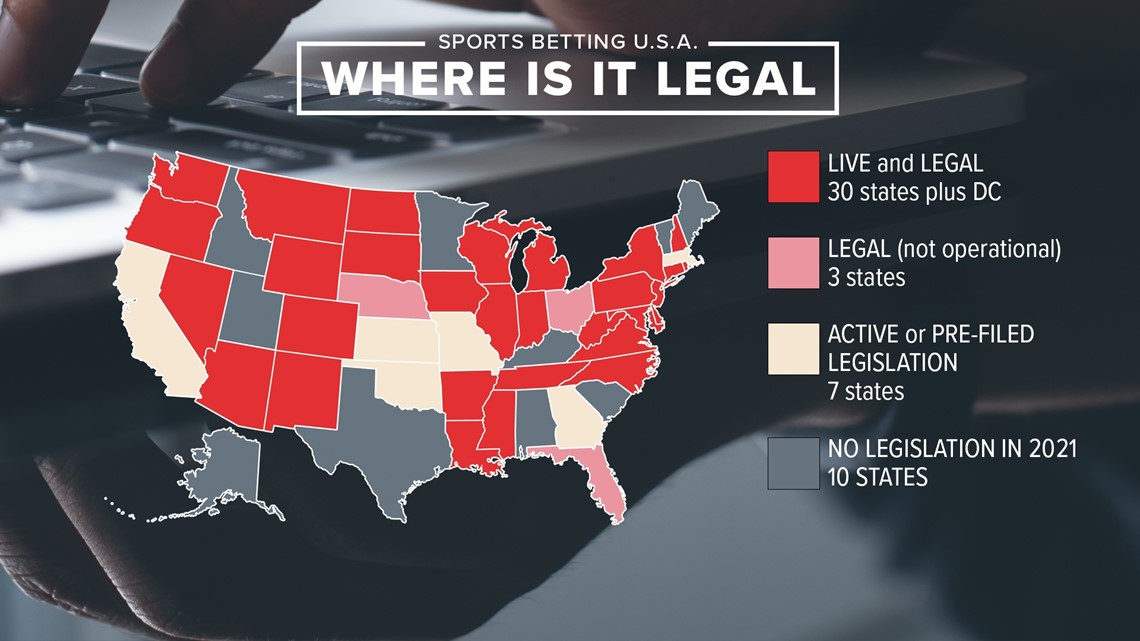
Despite the pockets of permitted wagering, a vast expanse of gambling activities remains illegal in Texas. The state has maintained a firm stance against most forms of casino-style gambling, sports betting, and online wagering, creating a significant contrast with states that have more liberal gambling laws.
Casino Gambling: A Stricter Prohibition
Unlike states like Nevada or New Jersey, Texas does not permit traditional casino operations. This means no slot machines, no table games like blackjack or roulette, and no dedicated casino resorts within the state’s borders. The closest one can get to a casino experience in Texas is through the limited tribal gaming that exists, primarily featuring electronic bingo machines that mimic slot machine gameplay. However, these are not considered full-fledged casinos and are operated under specific federal and state agreements. The strong prohibition against commercial casinos is a significant barrier for those seeking a more comprehensive gaming experience.
Sports Betting: The Untapped Market
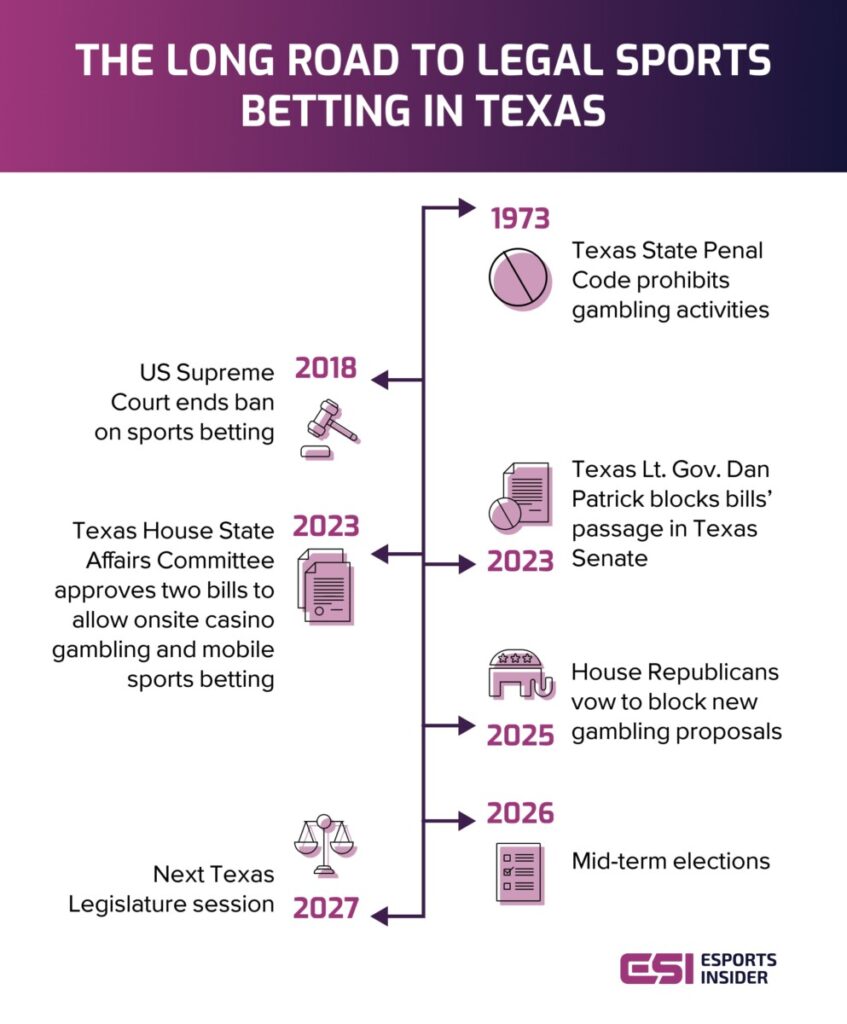
Perhaps the most hotly debated and sought-after form of betting currently prohibited in Texas is sports wagering. With a passionate sports culture that embraces professional teams like the Dallas Cowboys and the Houston Astros, as well as collegiate athletics, the demand for legal sports betting is immense. Despite numerous legislative attempts over the years, efforts to legalize sports betting have consistently failed to gain sufficient traction to pass into law. Opponents often cite concerns about problem gambling and the potential for increased crime, while proponents highlight the substantial tax revenue that could be generated and the opportunity to regulate an activity that is already occurring in the unregulated, offshore online market.
Online and Offshore Betting: A Legal Gray Area
The advent of the internet has created a complex situation regarding betting in Texas. While Texas law does not explicitly permit or regulate online sportsbooks or casino sites operating within the state, many Texans still engage in these activities by using offshore or out-of-state online platforms. It is crucial for individuals to understand that betting on these unregulated sites carries inherent risks. There is no legal recourse within Texas if disputes arise, and funds deposited on these platforms may not be protected. The state has not legalized its own online betting infrastructure, leaving residents to navigate a landscape of potentially unreliable offshore operators.
The Future of Betting in Texas: Ongoing Debates and Potential Changes
The conversation surrounding gambling in Texas is far from settled. The potential economic benefits of expanded gambling, coupled with the changing social attitudes in some segments of the population, have kept the debate alive. Various stakeholders, from tribal nations to professional sports leagues and potential casino operators, continue to lobby for changes to the state’s restrictive laws.
Legislative Efforts and Political Hurdles
Each legislative session in Texas brings renewed attempts to introduce bills that would expand gambling. These efforts often focus on legalizing sports betting, sometimes in conjunction with proposals for new casino resorts or expanded pari-mutuel operations. However, the path to legalization is fraught with political challenges. Texas has a significant number of lawmakers who are philosophically opposed to expanding gambling, citing moral and social concerns. Overcoming this entrenched opposition requires building broad coalitions and demonstrating clear benefits to the state, such as significant tax revenue and job creation, without exacerbating the negative consequences of problem gambling.
Tribal Gaming and Its Influence
Tribal gaming entities in Texas, such as the Kickapoo Traditional Tribe of Texas, operate gambling facilities under federal law. These facilities, while not full-scale casinos, offer a glimpse into what expanded gaming might look like. The success and operational models of these tribal operations are often cited in discussions about potential broader legalization, as they demonstrate a degree of regulated gaming within the state’s jurisdiction. Their role and influence are significant in shaping the ongoing dialogue about the state’s gambling policy.

The Economic Argument: Tax Revenue and Job Creation
Proponents of expanding gambling in Texas consistently point to the significant economic incentives. They argue that legalizing sports betting and potentially casino gaming would unlock substantial new sources of tax revenue for the state, which could then be allocated to public services, education, or infrastructure projects. Furthermore, the development of new gaming facilities, whether casinos or expanded race tracks, would likely create thousands of jobs, from construction and hospitality to regulatory oversight. The current situation, where Texans bet through unregulated offshore markets, represents a missed opportunity for the state to capture these economic benefits.
In conclusion, while the question “Can you bet in Texas?” yields a nuanced answer, the primary forms of legal wagering are limited to pari-mutuel horse racing and charitable bingo. The vast majority of popular betting activities, including casino games and sports betting, remain prohibited. However, the persistent legislative debates and the growing economic arguments suggest that the landscape of gambling in Texas could evolve in the future, albeit gradually and with significant political hurdles to overcome. For now, visitors and residents seeking betting experiences beyond horse racing will find Texas a state that remains largely on the sidelines of the broader American gambling revolution.
LifeOutOfTheBox is a participant in the Amazon Services LLC Associates Program, an affiliate advertising program designed to provide a means for sites to earn advertising fees by advertising and linking to Amazon.com. Amazon, the Amazon logo, AmazonSupply, and the AmazonSupply logo are trademarks of Amazon.com, Inc. or its affiliates. As an Amazon Associate we earn affiliate commissions from qualifying purchases.