
The Lone Star State, known for its vast landscapes and independent spirit, presents a complex and evolving picture when it comes to cultivating cannabis. While the federal government classifies marijuana as an illegal substance, a growing number of states have moved towards legalization for medical and recreational use. Texas, however, remains a holdout in many respects, but this doesn’t mean the conversation around cannabis cultivation has ceased. For those interested in the possibility, understanding the current legal framework, the nuances of hemp cultivation, and the potential future of cannabis in Texas is crucial.

The Legal Landscape of Cannabis Cultivation in Texas
Texas has historically maintained a strict stance against the cultivation of marijuana. However, recent legislative changes have introduced a glimmer of possibility for specific types of cannabis cultivation, primarily focused on low-THC hemp.
Understanding Texas’s Compassionate Use Program
In 2015, Texas enacted the Texas Compassionate Use Program (TCUP), which legalized the use of low-THC cannabis for patients with specific, qualifying medical conditions. This program, while a significant step, has strict limitations. The crucial distinction for cultivation lies in the tetrahydrocannabinol (THC) content. Under TCUP, cannabis with a THC concentration of no more than 0.5% by weight is permitted for medical use.
Crucially, TCUP does not permit home cultivation of marijuana for personal medical use. The law designates licensed dispensaries as the sole source for obtaining low-THC cannabis products. These licensed facilities are permitted to cultivate cannabis under strict regulatory oversight by the Texas Department of Public Safety. This means that for individuals seeking to grow marijuana for medicinal purposes, the answer is a definitive no under the current TCUP framework.
The Hemp Legalization Revolution
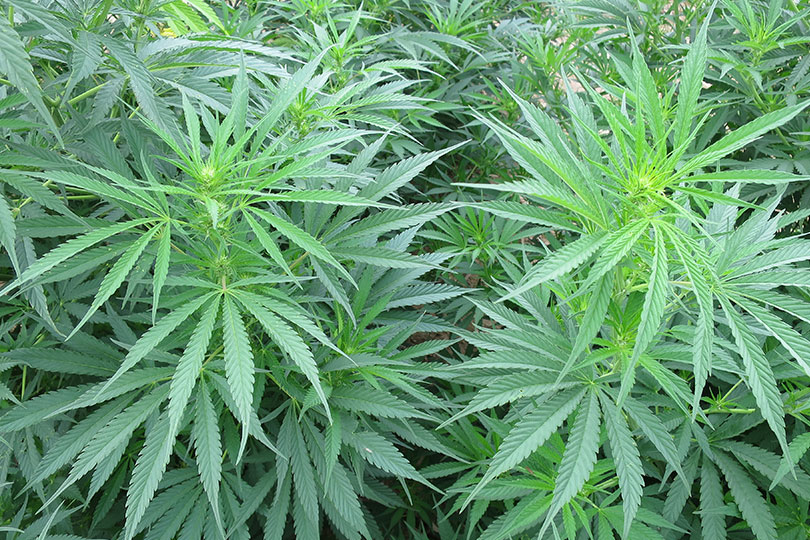
A more significant development for cultivation in Texas arrived with the 2018 Farm Bill at the federal level, which legalized hemp at the federal level. Hemp is defined as cannabis with a THC content of 0.3% or less. Texas subsequently passed House Bill 1325 in 2019, aligning its state laws with the federal Farm Bill and legalizing the cultivation, processing, and sale of hemp.
This distinction is vital: growing hemp is now legal in Texas, provided it adheres to the strict THC limit of 0.3%. This has opened doors for farmers and entrepreneurs interested in the burgeoning hemp industry, which can be used for a variety of products, including CBD oil, textiles, and building materials. However, growing hemp for recreational marijuana purposes, or any cultivation intended to produce cannabis with THC levels above 0.3%, remains illegal.
Penalties for Illegal Cultivation
It is paramount to understand the severe consequences of cultivating marijuana without proper licensing and in violation of Texas law. Possession, cultivation, and distribution of marijuana with THC levels exceeding the legal limits are considered criminal offenses. Penalties can range from significant fines and jail time for small amounts to lengthy prison sentences and substantial fines for larger quantities. Texas law enforcement takes these offenses very seriously, and the risks associated with illegal cultivation are substantial. Even possessing seeds intended for cultivation can lead to legal trouble.
Navigating the World of Hemp Cultivation in Texas
For those interested in the legal cultivation of cannabis in Texas, the focus must be on hemp. The process involves understanding the regulatory requirements, securing the necessary licenses, and adhering to strict cultivation and testing protocols.
Licensing and Registration for Hemp Growers
To legally grow hemp in Texas, individuals and businesses must obtain a license from the Texas Department of Agriculture (TDA). The application process involves detailed information about the applicant, the land intended for cultivation, and security measures. Applicants must also undergo a background check.
The TDA has established specific rules and regulations that hemp growers must follow. These include:
- Site Registration: All cultivation sites must be registered with the TDA.
- Crop Testing: Hemp crops must be tested by a TDA-licensed laboratory to ensure they do not exceed the 0.3% THC limit. If a crop tests above the limit, it must be destroyed.
- Record Keeping: Growers must maintain detailed records of their cultivation activities, including seed sources, planting dates, harvest dates, and testing results.
- Disposal of Non-Compliant Crops: Strict protocols are in place for the safe and legal disposal of any hemp crop that tests above the allowable THC threshold.
Cultivation Best Practices for Hemp
Successful hemp cultivation in Texas requires careful planning and adherence to best practices. Factors such as soil quality, climate, water availability, and pest management are critical for a healthy and compliant crop.
- Strain Selection: Choosing hemp varieties (strains) that are known to perform well in the Texas climate and are certified to have low THC levels is essential.
- Soil and Nutrients: Texas soils can vary greatly, from the clay-rich soils of East Texas to the sandy soils of the coast. Understanding the specific soil composition and providing appropriate nutrients and amendments will be vital.
- Water Management: While some regions of Texas experience abundant rainfall, others are arid. Efficient irrigation systems and water conservation techniques are crucial, especially in drought-prone areas like the Texas Panhandle.
- Pest and Disease Control: Identifying and managing common pests and diseases that can affect cannabis plants is important. Utilizing integrated pest management (IPM) strategies that prioritize environmental sustainability is often favored.
- Harvesting and Post-Harvest Handling: Proper harvesting techniques and post-harvest processing, including drying and curing, are critical for preserving the quality of the hemp and ensuring compliance with THC testing requirements.
The Business of Hemp
Beyond cultivation, the hemp industry in Texas encompasses processing, manufacturing, and retail. Entrepreneurs are exploring opportunities in creating CBD products, hemp-derived edibles, and even construction materials. The economic potential of a well-regulated hemp industry is significant, offering new agricultural opportunities for landowners across the state, from the rolling hills of the Texas Hill Country to the fertile plains of West Texas.
The Future of Cannabis Cultivation in Texas: A Look Ahead
The legal and social landscape surrounding cannabis is constantly evolving. While Texas has been slower to embrace widespread legalization compared to some other states, there are ongoing discussions and shifting public opinion that could shape its future.
Medical Marijuana Expansion Possibilities
Advocates continue to push for the expansion of the Texas Compassionate Use Program to include a wider range of qualifying medical conditions and potentially allow for higher THC content for certain conditions. If such expansions occur, it could necessitate more licensed cultivation facilities to meet increased demand. However, even with expansion, it’s unlikely to permit home cultivation for personal use in the immediate future.
The Debate on Recreational Legalization
The possibility of recreational marijuana legalization in Texas remains a contentious issue. Proponents argue for potential tax revenue, criminal justice reform, and personal liberty, while opponents raise concerns about public health and safety. Should Texas eventually move towards recreational legalization, the regulatory framework for cultivation would likely undergo a dramatic overhaul, potentially allowing for a broader range of licensed growers and cultivators. This would represent a significant shift from the current strict limitations on both medical and hemp cultivation.
Impact of Neighboring States
The actions of neighboring states can also influence Texas’s legislative direction. As states like Oklahoma and potentially others in the region move forward with broader cannabis legalization, the economic and social impacts may lead to increased pressure for Texas to reconsider its policies. This could create a domino effect, encouraging a more liberal approach to cannabis cultivation and sales.
Agricultural Innovation and Economic Opportunity
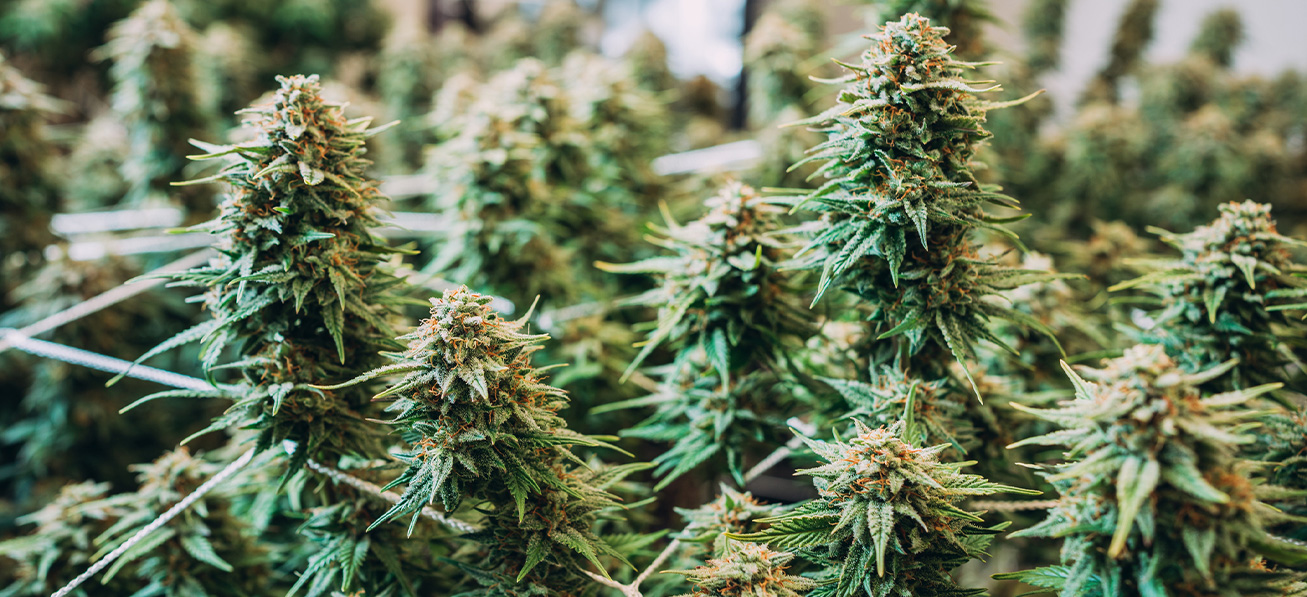
Regardless of broader legalization, the continued growth of the legal hemp industry presents a significant opportunity for agricultural innovation in Texas. The state’s diverse climate and agricultural heritage make it well-suited for various types of cultivation. As research and development in hemp farming practices advance, Texas could become a leader in this sector, fostering new economic growth and employment opportunities. The cultivation of hemp, with its strict legal parameters, offers a tangible and legal avenue for those interested in cannabis agriculture within the current Texas framework.
In conclusion, while growing marijuana for recreational or broad medical purposes remains illegal in Texas, the cultivation of low-THC hemp is a legal and growing industry. Understanding the specific laws, obtaining the necessary licenses, and adhering to regulations are essential for anyone considering engaging in hemp cultivation in the Lone Star State. The future of cannabis cultivation in Texas is subject to ongoing legislative debate and evolving public opinion, but for now, the focus for legal growers lies firmly with hemp.
LifeOutOfTheBox is a participant in the Amazon Services LLC Associates Program, an affiliate advertising program designed to provide a means for sites to earn advertising fees by advertising and linking to Amazon.com. Amazon, the Amazon logo, AmazonSupply, and the AmazonSupply logo are trademarks of Amazon.com, Inc. or its affiliates. As an Amazon Associate we earn affiliate commissions from qualifying purchases.