
The allure of the exotic often beckons those seeking a companion beyond the typical canine or feline. For many in the Lone Star State, the question of whether a raccoon can join their household is a fascinating one, intertwined with wildlife regulations, ethical considerations, and the practicalities of cohabitation. Texas, with its diverse landscapes and rich natural heritage, is home to a thriving raccoon population. However, the idea of bringing one of these masked bandits into a domestic setting is far more complex than simply finding a baby raccoon and taking it home. This exploration delves into the legalities, challenges, and realities of considering a raccoon as a pet in Texas, aiming to provide a comprehensive understanding for those intrigued by this unusual prospect.

The Legal Landscape: Navigating Texas Wildlife Regulations
Understanding the legal framework surrounding exotic pets is paramount. In Texas, the possession of native wildlife, including raccoons, is strictly regulated by the Texas Parks and Wildlife Department (TPWD). The primary legislation governing this area is the Parks and Wildlife Code, which aims to protect native species and prevent the spread of diseases.
Native Wildlife Possession Laws
Generally, it is illegal to possess native wildlife in Texas without the proper permits. Raccoons (Procyon lotor) are classified as native wildlife. This means that individuals cannot simply capture a wild raccoon and keep it as a pet. The TPWD has specific guidelines regarding the possession of native animals, primarily focusing on rehabilitation and educational purposes, which require specialized licenses.
The “Pet” Distinction: A Fine Line
The distinction between a “pet” and a “wild animal” is often blurred in the eyes of the law when it comes to native species. Even if a raccoon is acquired from a source that claims it is “domesticated,” if it is a native species, it falls under TPWD regulations. The TPWD’s stance is clear: native wildlife is not considered suitable for private ownership as pets due to public safety concerns, potential for disease transmission, and the animal’s inherent wild nature.
Permits and Licenses: Who Can Legally Possess Raccoons?
The only individuals who can legally possess raccoons in Texas are those who hold specific permits issued by the TPWD. These permits are typically granted to:
- Licensed Wildlife Rehabilitators: These individuals are trained and authorized to care for injured, sick, or orphaned native wildlife with the goal of releasing them back into their natural habitat. Possession is temporary and for the sole purpose of rehabilitation.
- Educational Institutions and Zoos: Accredited facilities may obtain permits to possess native animals for educational purposes, allowing the public to learn about these species in a controlled environment.
- Exotic Animal Exhibitors: In some limited cases, individuals may obtain permits to possess certain exotic animals, but raccoons, being native, are generally not covered under these “exotic” permits, as they are already protected under native wildlife laws.
Consequences of Illegal Possession
Possessing a raccoon in Texas without the required permits can lead to significant legal repercussions. These can include:
- Fines: Substantial monetary penalties can be imposed.
- Confiscation of the Animal: The raccoon will be seized and likely placed in a licensed rehabilitation facility or a sanctuary.
- Criminal Charges: In some cases, illegal possession of wildlife can result in misdemeanor or even felony charges, depending on the circumstances and intent.
It is crucial for any individual considering housing a raccoon to thoroughly research and understand these regulations. Consulting directly with the Texas Parks and Wildlife Department is the most reliable way to obtain accurate and up-to-date information.
The Practical Realities of Raccoon Ownership
Beyond the legalities, the practicalities of keeping a raccoon as a pet present a unique set of challenges that are often underestimated. Raccoons are intelligent, highly adaptable, and possess a strong instinctual drive that is difficult to suppress in a domestic setting.
Raccoon Behavior and Temperament
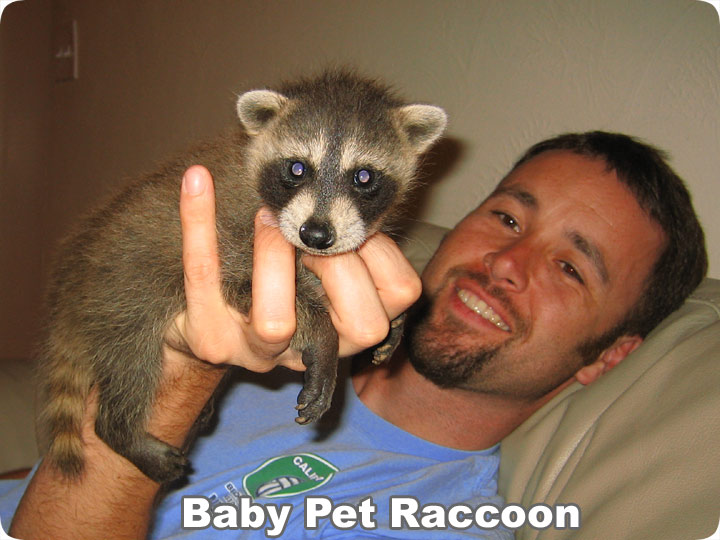
Raccoons are wild animals. While young raccoons may appear cute and docile, their natural behaviors emerge as they mature.
- Nocturnal Nature: Raccoons are primarily nocturnal or crepuscular, meaning they are most active during the night and at dawn/dusk. This can lead to disrupted sleep schedules for owners and a constant demand for attention when the household is trying to rest.
- Destructive Tendencies: Their intelligence and dexterity, particularly their nimble paws, make them adept at opening cabinets, containers, and even doors. They are known for their curiosity and tendency to explore, which can result in significant damage to a home. They can dismantle furniture, tear up carpets, and generally wreak havoc if not provided with constant stimulation and a secure environment.
- Social Needs: While often solitary in the wild, captive raccoons can develop strong bonds with their human caregivers. However, their social needs are complex, and they require significant interaction and mental stimulation to prevent boredom and stress.
- Aggression: As they reach sexual maturity, raccoons can become unpredictable and potentially aggressive, even towards familiar humans. Their bites can be severe, and they are carriers of diseases like rabies.
Dietary Requirements and Veterinary Care
Providing a suitable diet and ensuring adequate veterinary care for a raccoon is another significant hurdle.
- Omnivorous Diet: Raccoons are omnivores with a varied diet in the wild, consisting of fruits, nuts, insects, small animals, and garbage. Replicating this diverse and nutritionally complete diet in captivity is challenging. Owners would need to provide a balanced mix of protein, vitamins, and minerals, which can be expensive and time-consuming.
- Specialized Veterinary Care: Finding a veterinarian experienced in treating wildlife or exotic animals can be difficult and costly. Regular check-ups, vaccinations, and emergency care are essential, and standard veterinary practices may not be equipped to handle the specific health needs of a raccoon. Raccoons are also known carriers of diseases transmissible to humans, such as rabies and roundworm (Baylisascaris procyonis), necessitating careful health management.
Environmental Needs: Creating a Suitable Habitat
A standard home environment is rarely sufficient for a raccoon. They require a specialized habitat that mimics their natural surroundings to some extent.
- Enrichment and Stimulation: To combat boredom and destructive behaviors, raccoons need extensive enrichment. This includes providing climbing structures, foraging opportunities, puzzle toys, and a safe space where they can express natural behaviors like digging and exploring.
- Secure Enclosures: If a raccoon is to be housed outdoors, a secure, robust enclosure is necessary to prevent escape and protect them from predators and harsh weather. These enclosures need to be escape-proof, as raccoons are surprisingly agile and can squeeze through small openings.
Ethical Considerations and Welfare of the Animal
Beyond legality and practicality, the ethical implications of keeping a raccoon as a pet warrant serious consideration. The welfare of the animal must be the primary concern.
Natural Behaviors and Well-being
Raccoons are wild animals with intricate natural behaviors. Depriving them of the opportunity to engage in these behaviors can lead to psychological distress and welfare issues.
- Foraging and Hunting Instincts: The instinct to forage, hunt, and explore is deeply ingrained. In a captive environment, these instincts are often suppressed, which can lead to frustration and behavioral problems.
- Social Structure: While often perceived as solitary, raccoons do have complex social interactions in the wild, particularly during mating seasons and when raising young. A solitary existence in a human home may not fulfill their social needs.
- Environmental Richness: The vastness of their natural habitat, with its diverse scents, sounds, and opportunities for exploration, is impossible to replicate within a typical home or even a large enclosure.
The “Orphaned” Raccoon Myth
A common scenario leading to the question of raccoon ownership is finding an “orphaned” baby raccoon. While the intention is often good, it is crucial to understand the proper procedure.
- Leave Them Be: In most cases, a baby raccoon found alone is not truly orphaned. The mother is likely nearby, foraging or attending to other young. Interfering with a seemingly abandoned baby can inadvertently harm it by separating it from its mother.
- Contact Wildlife Rehabilitators: If a baby raccoon appears genuinely injured, sick, or in immediate danger, the correct course of action is to contact a licensed wildlife rehabilitator or the Texas Parks and Wildlife Department. These professionals have the expertise and permits to care for the animal appropriately, with the ultimate goal of returning it to the wild.
- Hand-Rearing Risks: Attempting to hand-rear a raccoon without proper knowledge and permits can lead to severe consequences, including legal penalties and a significantly reduced chance of successful rehabilitation and release. Hand-raised raccoons often become too habituated to humans, making them unsuitable for release back into the wild.
The “Pet Trade” and its Dangers
The notion of a “pet raccoon” is often perpetuated by the exotic pet trade. However, many of these animals are sourced from the wild, or from captive-bred stock that still exhibits wild behaviors. Purchasing a raccoon from an unlicensed dealer contributes to the illegal wildlife trade and potentially harms wild populations. Furthermore, the long-term welfare of these animals in private homes is frequently compromised.
Alternatives to Owning a Raccoon
For those captivated by raccoons and their unique characteristics, there are several ethical and legal ways to appreciate and interact with these animals without the complications of private ownership.
Supporting Wildlife Rehabilitation Centers
One of the most impactful ways to contribute to the welfare of raccoons and other native wildlife is by supporting licensed wildlife rehabilitation centers.
- Donations: These centers rely heavily on donations to provide food, medical supplies, and specialized care for their animals. Financial contributions, no matter the size, can make a significant difference.
- Volunteering: Many rehabilitation centers welcome volunteers who can assist with cleaning enclosures, preparing food, and providing enrichment for the animals. This offers a direct, hands-on experience with wildlife under professional supervision.
- Education: Supporting these centers also means supporting their educational outreach programs, which inform the public about the importance of native wildlife and responsible cohabitation with nature.
Responsible Wildlife Observation
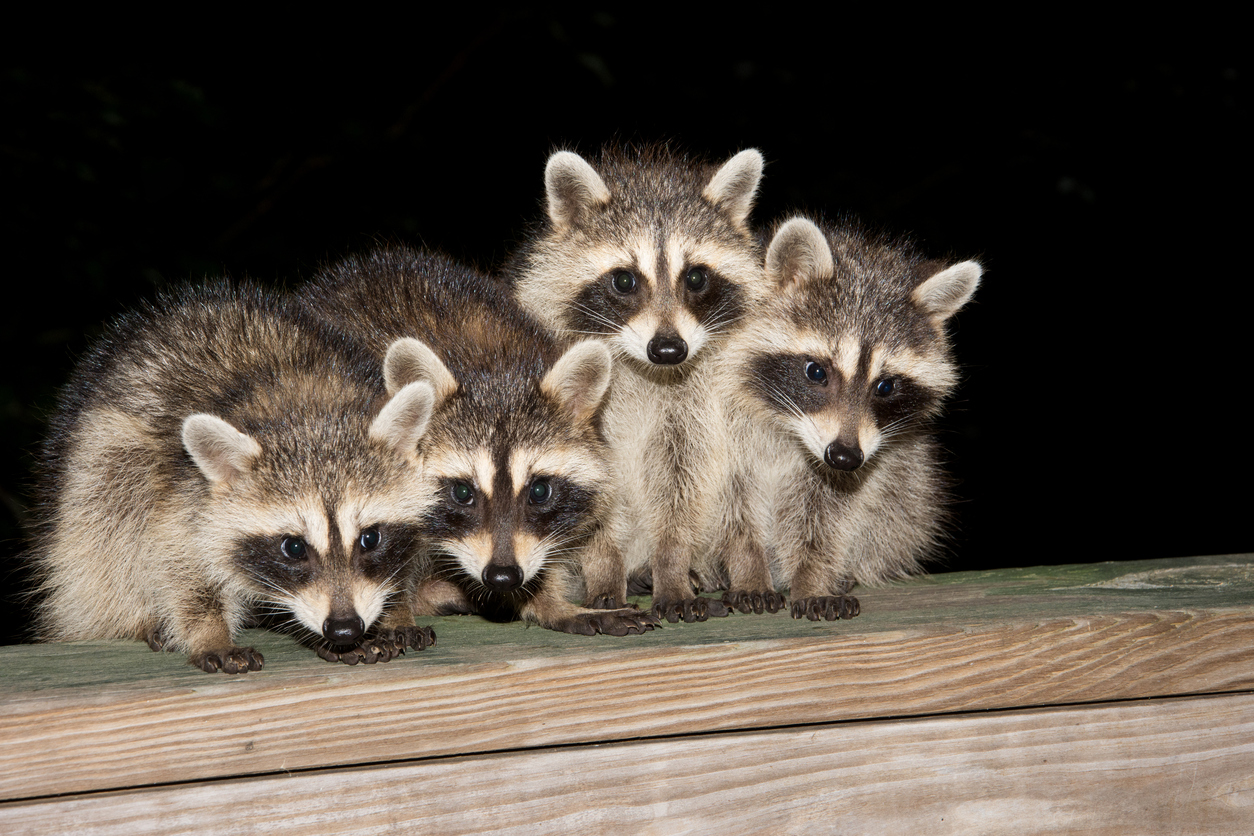
Texas offers numerous opportunities to observe raccoons in their natural habitat, providing a fulfilling and ethical way to appreciate these creatures.
- State and National Parks: Parks such as Big Bend National Park, Galveston Island State Park, and numerous Texas State Parks provide natural environments where raccoons can be observed from a safe distance. Understanding their behavior in the wild offers profound insights into their ecology and adaptations.
- Urban Wildlife: Raccoons are remarkably adaptable and can often be found in urban and suburban areas, particularly around natural corridors or wooded areas. Observing them from a distance, without disturbing them, can be a rewarding experience.
- Photography and Nature Writing: For enthusiasts, documenting raccoon behavior through photography or writing can be a creative outlet that shares the wonder of these animals with a wider audience.
Exotic Pet Alternatives
If the desire is for a unique pet, consider species that are legal to own in Texas and are more suited to domestic life. Many reptiles, birds, and small mammals can make wonderful companions with proper research and care. It is essential to always ensure that any exotic pet is sourced from reputable breeders and that the owner is fully prepared for the commitment involved.
In conclusion, while the idea of having a raccoon as a pet in Texas might spark curiosity, the legal, practical, and ethical barriers are substantial. The Texas Parks and Wildlife Department has established clear regulations to protect both native wildlife and public safety. Prioritizing the well-being of these intelligent and wild animals, and exploring ethical alternatives for interaction and appreciation, is the most responsible path forward for anyone captivated by the charm of the raccoon.
LifeOutOfTheBox is a participant in the Amazon Services LLC Associates Program, an affiliate advertising program designed to provide a means for sites to earn advertising fees by advertising and linking to Amazon.com. Amazon, the Amazon logo, AmazonSupply, and the AmazonSupply logo are trademarks of Amazon.com, Inc. or its affiliates. As an Amazon Associate we earn affiliate commissions from qualifying purchases.