
For travelers planning an unforgettable escape to the vibrant shores of Miami, understanding its time zone is a fundamental, yet often overlooked, detail that can significantly shape the entire travel experience. Whether you’re coordinating flight arrivals, booking dinner reservations, or simply trying to call loved ones back home, knowing the local time is crucial. So, to cut straight to the chase: Miami observes Eastern Time (ET). This means it operates on Eastern Standard Time (EST) for roughly two-thirds of the year and switches to Eastern Daylight Time (EDT) during the warmer months. This dynamic timekeeping system ensures that the Magic City is always in sync with much of the United States’ East Coast, from bustling New York to historical Washington D.C..
This comprehensive guide will delve into the specifics of Miami’s time zone, unraveling its nuances and, more importantly, exploring how this seemingly simple fact influences every facet of a visitor’s journey. From seamless travel logistics and efficient accommodation planning to maximizing your exploration of Miami’s world-famous landmarks and immersing yourself in its unique lifestyle, we’ll cover how to make the most of your precious time in this dazzling Florida metropolis.

Understanding Miami’s Time Zone: ET Explained
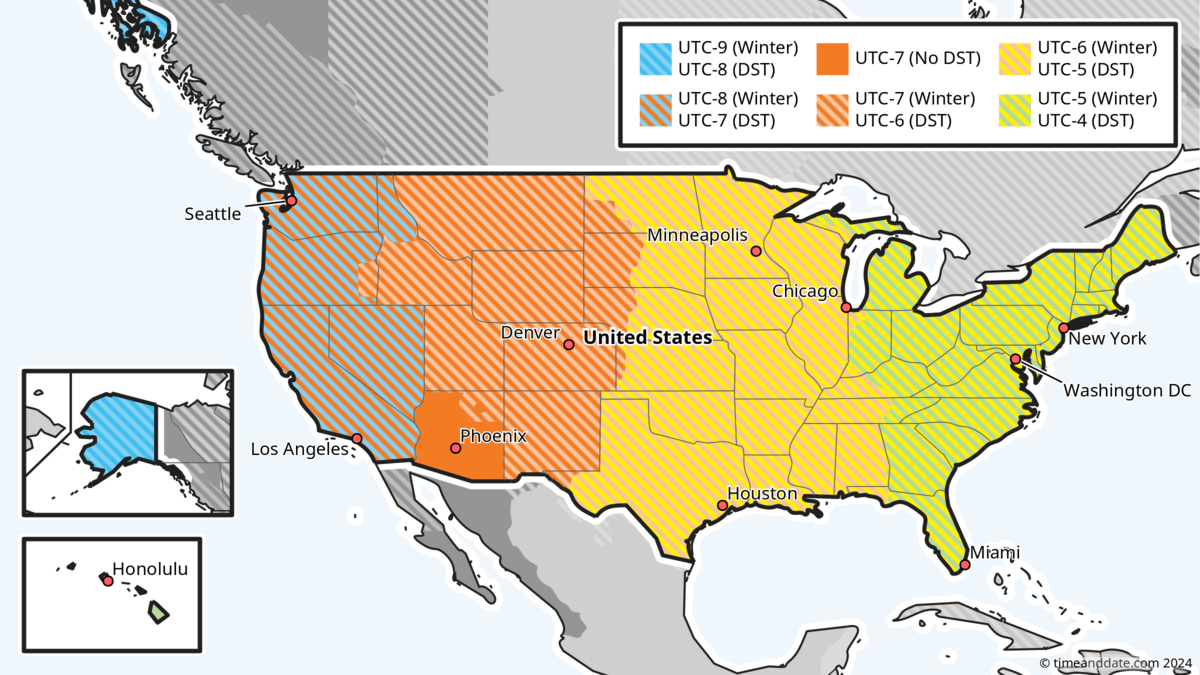
The concept of time zones, while seemingly straightforward, carries practical implications that seasoned travelers know to consider. Miami, situated in the southeastern corner of Florida, falls squarely within the Eastern Time zone. This zone generally encompasses the easternmost states of the United States, parts of eastern Canada, and a few regions in Mexico and the Caribbean. For the majority of its operation, Eastern Time is 5 hours behind Coordinated Universal Time (UTC-5), transitioning to UTC-4 during Daylight Saving Time.
Eastern Standard Time (EST) vs. Eastern Daylight Time (EDT)
The distinction between EST and EDT is vital for any traveler. Eastern Standard Time (EST) is observed during the fall and winter months. Specifically, it runs from the first Sunday in November until the second Sunday in March. During this period, Miami is UTC-5. This means that if it’s 12:00 PM EST in Miami, it’s 5:00 PM UTC.
Conversely, Eastern Daylight Time (EDT) comes into effect during the spring and summer. On the second Sunday in March, clocks “spring forward” one hour, meaning Miami shifts to UTC-4. This change lasts until the first Sunday in November, when clocks “fall back” one hour, returning to EST. This system is designed to maximize daylight hours during the longer days of summer, providing more evening light for outdoor activities and reducing the need for artificial lighting. For visitors, this means more time to enjoy South Beach, explore the Art Deco Historic District, or simply relax by the pool. Always double-check which specific time is in effect for your travel dates to avoid any confusion.
Why Time Zones Matter for Travelers
Beyond the academic understanding, the practical implications of Miami’s time zone for travelers are numerous.
Firstly, flights and transfers are intricately linked to time zones. Your flight itinerary will always reflect local times, meaning a flight departing Los Angeles (Pacific Time, PT) at 9:00 AM might arrive in Miami at 5:00 PM ET, having actually taken around 5-6 hours of flight time but crossing three time zones. Miscalculating this can lead to missed connections or unnecessary stress. Understanding the time difference helps in planning for potential jet lag, especially for those arriving from the west coast of the United States or international destinations like Europe or Asia.
Secondly, bookings and reservations hinge on local time. Whether it’s a dinner reservation at a trendy restaurant in Brickell, a spa appointment at a luxury resort, or tickets for a boat tour on Biscayne Bay, all confirmed times will be in Miami’s local time. Failure to convert times accurately could result in missed experiences or even cancellation fees. This extends to check-in and check-out times for accommodations, which are strictly enforced based on the local clock.
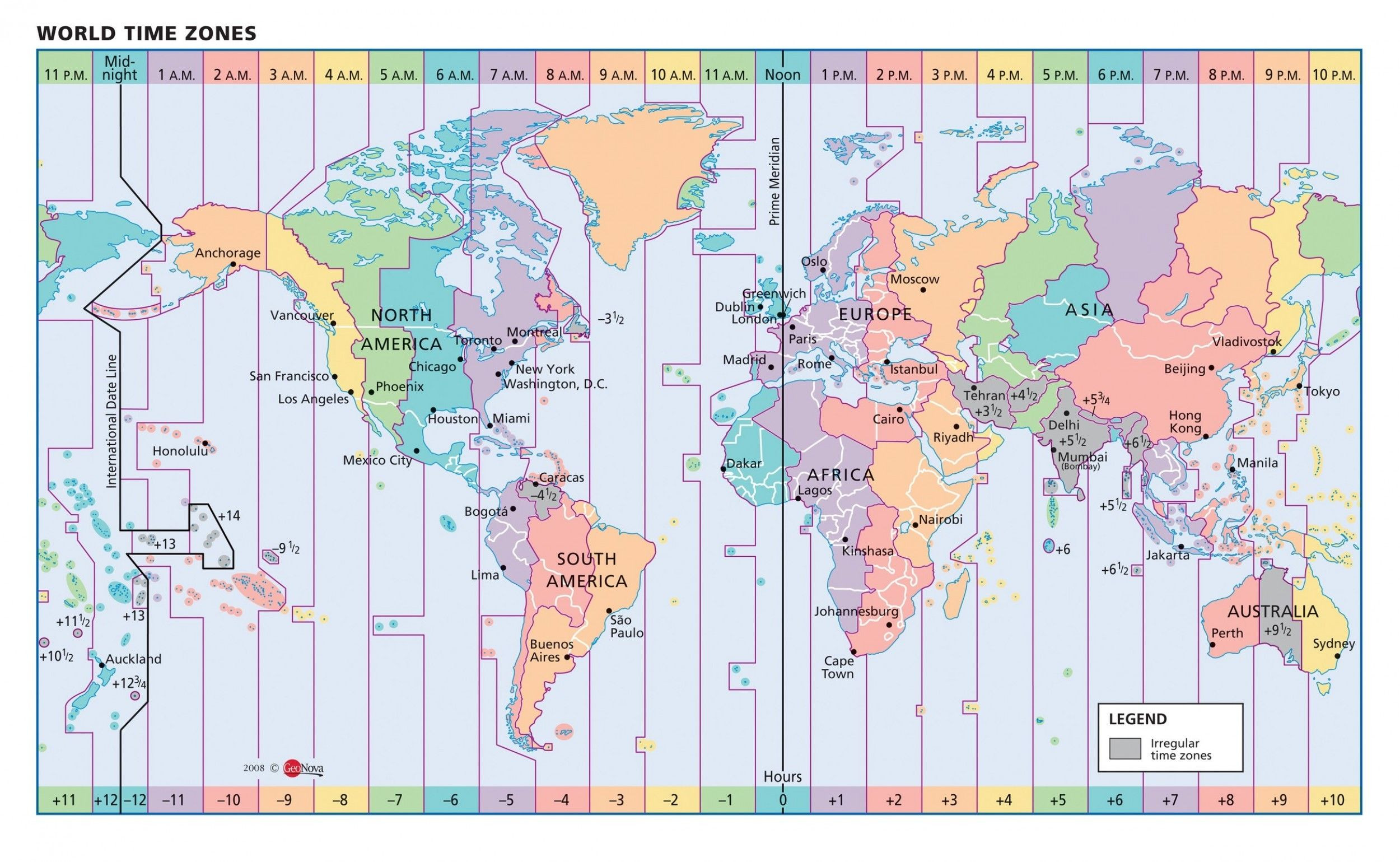
Lastly, communication with home becomes simpler when you’re aware of the time difference. If your family resides in a different time zone, knowing Miami’s time allows you to schedule calls or video chats at convenient hours for everyone, avoiding accidental early morning disturbances or late-night calls. For business travelers, this is paramount for coordinating with colleagues or clients in other regions.
Maximizing Your Miami Experience Across Time Zones
Miami offers a kaleidoscope of experiences, from sun-drenched beaches to pulsating nightlife, cultural enclaves, and world-class dining. Navigating these attractions effectively, especially when adjusting to a new time zone, requires a bit of foresight and planning.
Planning Your Arrival and Departure
Your journey into and out of Miami begins and ends with its main gateway, Miami International Airport. When booking flights, pay close attention to the arrival and departure times listed, as these are always local to the respective airports. For those traveling from west of the Eastern Time zone, anticipating jet lag is key. Try to adjust your sleep schedule gradually in the days leading up to your trip. Upon arrival, embrace the local time immediately: eat meals at local hours, and expose yourself to natural light during the day to help reset your body clock. Many hotels offer early check-in options, which, if available, can be a godsend for tired travelers looking to rest before embarking on their Miami adventure. Similarly, for departures, be mindful of check-out times and consider late check-out options if your flight leaves much later in the day, allowing you to enjoy a few more hours of Miami life without the rush.
Navigating Miami’s Vibrant Day-to-Night Life
Miami truly comes alive both day and night, and its time zone influences the rhythm of its daily operations. During the day, attractions like the Vizcaya Museum & Gardens, the Pérez Art Museum Miami, or the Frost Science Museum typically operate within standard business hours, generally from 10:00 AM to 5:00 PM or 6:00 PM. Knowing the time ensures you arrive promptly and have ample time to explore without feeling rushed.
As the sun sets, Miami’s renowned dining and entertainment scene kicks into high gear. Dinner reservations are often made for later hours, typically starting around 7:00 PM or 8:00 PM, especially in popular areas like South Beach and Ocean Drive, or the upscale eateries in Brickell. Nightclubs and lounges in areas like Wynwood Walls or the Design District don’t typically get busy until much later, often past 11:00 PM, and remain open well into the early morning hours. Understanding this local rhythm, influenced by the ET schedule and the city’s Latin-infused culture, allows you to plan your evenings accordingly, ensuring you catch the peak of the action without missing a beat.
Accommodation and Lifestyle: A Time-Sensitive Perspective
Choosing the right accommodation and immersing oneself in the local lifestyle are paramount aspects of any travel experience. In Miami, the Eastern Time zone implicitly guides these choices and experiences.
Booking Hotels and Resorts
When it comes to booking hotels and resorts in Miami, the time zone plays a subtle yet significant role. Standard check-in times are usually between 3:00 PM and 4:00 PM local time, and check-out times are typically 11:00 AM or 12:00 PM. Travelers arriving early or departing late should always communicate with their chosen accommodation in advance. Many luxury resorts like the iconic Fontainebleau Miami Beach, The Setai, Miami Beach, or Faena Hotel Miami Beach offer flexible options like early check-in or late check-out, sometimes for an additional fee, which can be invaluable for managing your time efficiently and comfortably.
Furthermore, popular periods, such as spring break, major holidays, or during specific events like Art Basel Miami Beach (though not linked as it’s an event not a permanent landmark), can see accommodation availability dwindle and prices soar. These peak times are often tied to national schedules that align with the Eastern Time zone, impacting travel patterns across the United States. Booking well in advance, and being aware of the seasonal shifts between EST and EDT, can help you secure better rates and ensure your preferred stay, whether it’s a lavish suite overlooking the Atlantic Ocean or a charming apartment in South Beach.
Embracing Miami’s Lifestyle and Culture
Miami’s lifestyle is a vibrant tapestry woven from diverse cultures, tropical rhythms, and a palpable zest for life. The Eastern Time zone underpins the daily routines and cultural nuances of the city. Mornings in Miami often begin early, with locals enjoying a brisk walk or jog along the beach, perhaps followed by a strong Cuban coffee in Little Havana. This early start takes full advantage of the cooler morning hours before the midday sun reaches its peak.
The lunch scene, particularly in business districts like Brickell, is typically between 12:00 PM and 2:00 PM. Afternoons might involve leisurely shopping at Lincoln Road Mall or Bayside Marketplace, or perhaps an art gallery visit in the Design District. As evening approaches, the city transitions into its renowned social scene. Happy hours are a popular pastime, usually from 4:00 PM to 7:00 PM, followed by late dinners and even later entertainment. The concept of “island time” or a more relaxed pace might sometimes be associated with Florida, but in Miami, especially in its more metropolitan areas, the Eastern Time schedule generally dictates a structured yet dynamic flow to the day. From savoring fresh Stone Crab at a waterfront restaurant to dancing the night away, understanding the local time ensures you’re always in sync with Miami’s captivating rhythm.
Beyond Miami: Day Trips and Regional Travel in ET
One of the great advantages of Miami’s location within the Eastern Time zone is the ease with which travelers can explore nearby attractions and embark on regional adventures without the hassle of time zone changes.
Exploring Nearby Destinations
Florida is a state rich in diverse landscapes and attractions, many of which are easily accessible from Miami for a day trip or a weekend getaway. Since the entire state of Florida (with the exception of a portion of its panhandle) observes Eastern Time, planning excursions is straightforward.
Imagine a scenic drive down to the Florida Keys, where the laid-back atmosphere of Key West awaits. The entire journey remains within the same time zone, making it simple to plan your stops, activities, and dining without needing to adjust your watch. Similarly, venturing west to the mystical wetlands of Everglades National Park for an airboat tour or wildlife spotting is a seamless experience, time-wise. Even a trip further north to the theme park capital of Orlando, home to Walt Disney World Resort and Universal Orlando Resort, doesn’t involve any time zone adjustments, allowing for full days of fun without calendar confusion. This consistency makes multi-destination trips within Florida incredibly convenient for visitors.
Communicating Across Borders
While Miami maintains a consistent time zone for domestic travel, its status as a major international hub means that many travelers will be communicating or connecting with people in vastly different parts of the world. Miami International Airport serves as a critical gateway to South America, the Caribbean, and beyond.
For international visitors, understanding the time difference between their home country (e.g., Europe, Asia, Africa, Oceania) and Miami’s ET is paramount for flight connections, coordinating with travel agents, or simply staying in touch with family. Similarly, for Miami residents or visitors planning onward international travel, being aware of global time zones is crucial for booking flights, virtual meetings, or simply understanding when to call internationally. The Eastern Time zone serves as a reference point for all these calculations, making Miami a well-connected nucleus in the global travel network.
Ultimately, the answer to “What Time Zone Is Miami?” is straightforward: it’s in the Eastern Time zone, fluctuating between EST and EDT. However, the implications of this simple fact extend far beyond a mere numerical offset. It influences the flow of your travel day, the rhythm of your cultural immersion, the efficiency of your bookings, and the seamlessness of your regional explorations. By keeping Miami’s time zone in mind, you empower yourself to plan a more organized, enjoyable, and truly unforgettable experience in this dazzling Florida gem. So, set your watch, and get ready to dive into all that Miami has to offer, right on time!
LifeOutOfTheBox is a participant in the Amazon Services LLC Associates Program, an affiliate advertising program designed to provide a means for sites to earn advertising fees by advertising and linking to Amazon.com. Amazon, the Amazon logo, AmazonSupply, and the AmazonSupply logo are trademarks of Amazon.com, Inc. or its affiliates. As an Amazon Associate we earn affiliate commissions from qualifying purchases.