
Navigating the regulations surrounding vehicle operation in a new state can often feel like deciphering an ancient riddle. For those planning a visit to or a move to the Lone Star State, a common question arises regarding vehicle inspections. Specifically, “Do I need an inspection sticker in Texas?” The answer, in short, is yes, but with nuances that are crucial for any traveler or new resident to understand. Texas operates a two-step vehicle inspection and registration process, and understanding this system is key to avoiding fines and ensuring your vehicle is road-ready. This guide will break down the requirements, exceptions, and the overall importance of the Texas vehicle inspection program.

Understanding the Texas Two-Step Inspection Program
Texas transitioned from a combined inspection and registration system to a two-step process, often referred to as the “Two-Step.” This system separates the safety inspection from the vehicle registration process. This means your vehicle must pass a state-mandated safety inspection before you can renew your vehicle registration. This was implemented to improve safety standards and to streamline the process for vehicle owners.
The Safety Inspection
The Texas safety inspection is a comprehensive check performed by licensed stations. These inspections ensure that your vehicle meets minimum safety standards designed to protect drivers, passengers, and other road users. The inspection covers a wide range of components, including but not limited to:
- Brakes: Ensuring your braking system is functional and responsive. This includes checking brake pads, rotors, and the hydraulic system.
- Tires: Verifying tread depth and checking for any damage or wear that could compromise safety.
- Lights: Confirming that all exterior lights, including headlights, taillights, brake lights, and turn signals, are working correctly.
- Windshield Wipers and Washers: Ensuring they are in good working order for visibility.
- Horn: Checking that the horn is audible and functions as intended.
- Mirrors: Ensuring all mirrors are present, intact, and properly adjusted.
- Exhaust System: Inspecting for leaks or damage that could release harmful emissions or excessive noise.
- Steering and Suspension: Checking for excessive play or wear that could affect vehicle control.
- Odometers: Ensuring the odometer is functioning correctly.
For certain vehicles, particularly those with older models, there might be additional checks. For instance, vehicles manufactured before a certain model year may be exempt from specific emissions testing components, but still must pass the safety inspection. The primary goal of the safety inspection is to identify and rectify potential hazards before they lead to accidents.
The Emissions Test (Where Applicable)
While the “Two-Step” program emphasizes safety, Texas also has an emissions testing component for vehicles in certain counties. This is often integrated into the safety inspection process or performed at a separate station, depending on the location and vehicle type. The purpose of emissions testing is to reduce air pollution by ensuring vehicles are not releasing excessive pollutants into the atmosphere.
Counties Requiring Emissions Testing
Not all counties in Texas require emissions testing. The program is focused on the most populated areas where air quality is a greater concern. As of recent regulations, counties that typically require emissions testing include:
- Brazoria
- Chambers
- Fort Bend
- Galveston
- Harris
- Liberty
- Montgomery
- Waller
- Dallas
- Denton
- Collin
- Rockwall
- Kaufman
- Ellis
- Tarrant
- Johnson
- Parker
- Wise
- El Paso
It is imperative to check the most current requirements for your specific county, as these regulations can be updated. If your county requires emissions testing, your vehicle will undergo a test that measures the amount of pollutants it emits. If your vehicle fails the emissions test, you will need to have the necessary repairs made before it can pass. Many repair facilities are licensed to perform these diagnostics and repairs.
Who Needs an Inspection Sticker in Texas?
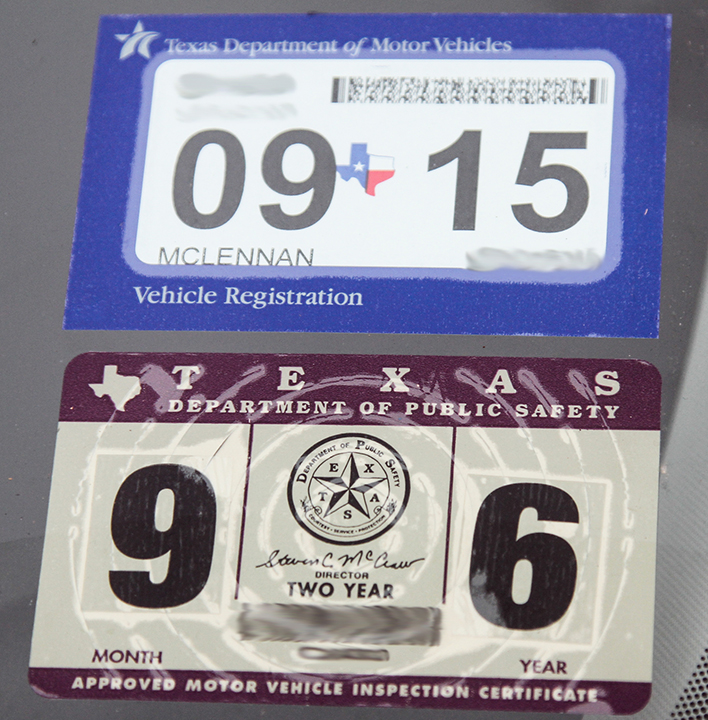
Generally, any gasoline-powered motor vehicle, light-duty diesel vehicle, and motorcycle that is operated on public roadways in Texas must undergo a safety inspection. This applies to both new and used vehicles. The inspection sticker, now more accurately a digital record tied to your Vehicle Identification Number (VIN), serves as proof that your vehicle has met these minimum safety standards.
Exceptions to the Rule
While the vast majority of vehicles need an inspection, there are a few notable exceptions:
- New Vehicles (First Inspection): New vehicles are generally exempt from inspection for the first two model years, provided they are registered in Texas. However, after two years, they must undergo their first safety inspection.
- Electric and Hybrid Vehicles: In Texas, all-electric vehicles are exempt from the safety inspection requirement. Hybrid vehicles, however, are typically subject to the same inspection requirements as gasoline-powered vehicles.
- Trailers: Most travel trailers and utility trailers with a gross weight of 7,500 pounds or less are exempt from the safety inspection. However, larger trailers or those used for commercial purposes may have different requirements.
- Farm and Ranch Vehicles: Certain vehicles used exclusively for agricultural purposes may be exempt from inspection.
- Vehicles with Permanent Plates: Some older vehicles that have been issued permanent license plates may be exempt from the annual safety inspection.
It’s crucial to verify these exceptions with the Texas Department of Public Safety (DPS) or the Texas Department of Transportation (TxDOT) for the most up-to-date information, as regulations can change.
The Registration Process and the Inspection Sticker
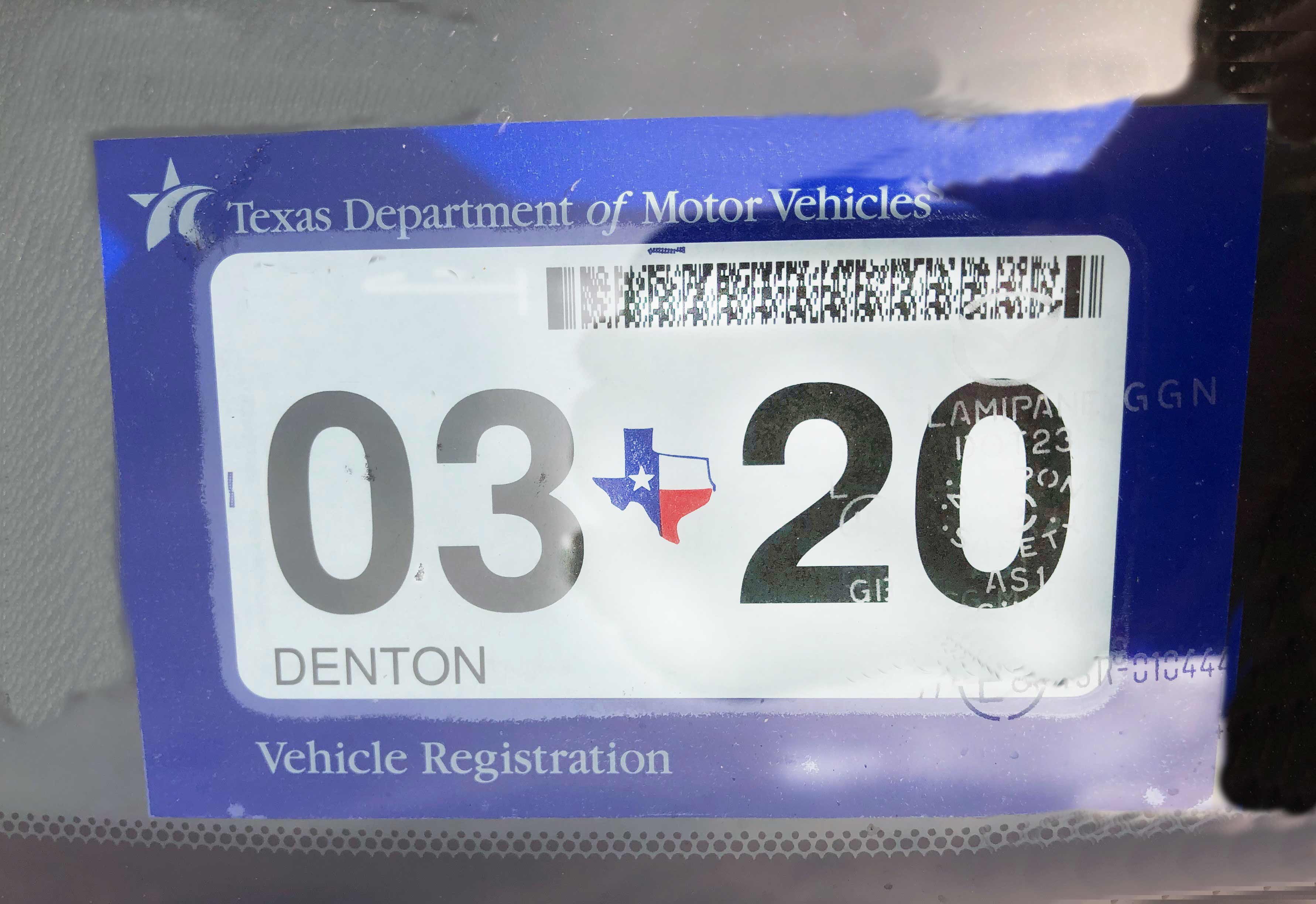
The “Two-Step” process means that the safety inspection is a prerequisite for renewing your vehicle’s registration. You cannot complete your registration renewal until your vehicle has passed its safety inspection.
Obtaining Proof of Inspection
Once your vehicle passes the safety inspection (and emissions test, if applicable), the inspection station will electronically submit the results to the Texas Department of Motor Vehicles (DMV). You will no longer receive a physical inspection sticker to affix to your windshield. Instead, the proof of inspection is linked to your vehicle’s VIN in the state’s database. When you go to renew your registration, the Texas DMV system will automatically verify if your vehicle has a current passing inspection.
What Happens If You Don’t Pass?
If your vehicle fails the safety inspection, you will be given a report detailing the reasons for the failure. You will have 60 days to make the necessary repairs and have the vehicle re-inspected. During this 60-day period, you are still required to have a valid inspection from the previous year to operate your vehicle legally. If you are stopped by law enforcement during this time, you may need to show proof of your previous inspection. If your vehicle fails the emissions test, the same 60-day grace period applies for repairs and re-testing.
Why is the Inspection Sticker Important?
The inspection sticker, or rather the digital record it represents, is more than just a bureaucratic requirement. It’s a vital component of Texas‘s commitment to road safety and environmental protection.
Road Safety
A properly functioning vehicle is essential for preventing accidents. Brakes that fail, tires that are bald, or lights that don’t work can all contribute to dangerous situations on the road. The safety inspection system ensures that these critical components are regularly checked and maintained. By having a consistent inspection program, Texas aims to reduce the number of vehicle-related fatalities and injuries.
Environmental Protection
For those in counties requiring emissions testing, the inspection plays a crucial role in reducing air pollution. Vehicles are a significant source of harmful emissions that contribute to smog and respiratory health problems. By ensuring that vehicles meet emissions standards, Texas works towards cleaner air for its residents. This is particularly important in sprawling metropolitan areas like Houston, Dallas-Fort Worth, and San Antonio, where vehicle traffic is heavy.
Legal Compliance
Operating a vehicle without a valid inspection (or proof of a passing inspection within the required timeframe) can result in traffic citations, fines, and even difficulties with vehicle registration renewal. Law enforcement officers in Texas can check for proof of a valid inspection. Therefore, ensuring your vehicle is up-to-date with its inspection is crucial for avoiding legal trouble and maintaining the ability to drive legally.
Navigating Your First Inspection in Texas
If you’re new to Texas, understanding the inspection process is key to a smooth transition. When you bring your vehicle for its first inspection in Texas, ensure you have your current out-of-state registration. This will help the inspection station and the Texas DMV correctly process your vehicle’s information.
Choosing an Inspection Station
Texas has thousands of licensed inspection stations across the state. These can range from independent repair shops to dealership service centers. When choosing a station, it’s advisable to look for reputable businesses that clearly display their inspection station license. Some stations may offer a discount if you plan to have repairs done at the same location, especially if your vehicle fails.
The Registration Renewal
Once your vehicle passes inspection, you can proceed with your vehicle registration renewal. This can typically be done online through the Texas Department of Motor Vehicles website, by mail, or in person at a county tax assessor-collector’s office. You will need your license plate number and a payment method. The system will automatically check for your passing inspection record before allowing you to complete the renewal. This ensures that only vehicles that have met the state’s safety and emissions standards are legally registered and allowed on the road. The proactive approach to vehicle maintenance fostered by this system contributes to safer roads and a healthier environment for everyone in Texas.
LifeOutOfTheBox is a participant in the Amazon Services LLC Associates Program, an affiliate advertising program designed to provide a means for sites to earn advertising fees by advertising and linking to Amazon.com. Amazon, the Amazon logo, AmazonSupply, and the AmazonSupply logo are trademarks of Amazon.com, Inc. or its affiliates. As an Amazon Associate we earn affiliate commissions from qualifying purchases.