
Navigating the regulations surrounding outdoor activities is a crucial part of ensuring a responsible and enjoyable experience, and fishing in Texas is no exception. For both seasoned anglers and newcomers alike, understanding the requirements for a fishing license is paramount. This guide delves into the intricacies of fishing licenses in the Lone Star State, covering who needs one, the different types available, and where to obtain them, ultimately empowering you to cast your line legally and with confidence.
Understanding the Basics: Who Needs a Texas Fishing License?
The fundamental principle behind fishing regulations is conservation and sustainable management of aquatic resources. In Texas, the Texas Parks and Wildlife Department (TPWD) oversees these regulations, and their rules are clear: with very few exceptions, anyone aged 17 or older must possess a valid Texas fishing license to fish in public waters. This applies to both freshwater and saltwater environments. The age of 17 serves as a threshold, meaning if you are 16 or younger, you are generally exempt from needing your own license. However, it’s always wise to confirm current regulations, as these can be subject to change.

Exemptions to the Rule
While the general rule applies to most anglers, Texas does offer specific exemptions to the fishing license requirement. These are designed to promote fishing participation and acknowledge certain circumstances.
Youth Anglers
As mentioned, individuals under the age of 17 are typically exempt from purchasing a fishing license. This is a significant incentive for families to introduce young children to the joys of fishing without the immediate financial burden of a license. However, it is essential that these young anglers are accompanied by a licensed adult. The supervising adult is responsible for ensuring that any fishing activities conducted by the youth comply with all applicable regulations, including catch limits and size restrictions.
Special Free Fishing Days
The TPWD designates specific “free fishing days” throughout the year. On these select days, residents and non-residents alike can fish in any public water in Texas without needing a fishing license. These days are often strategically placed to encourage participation in fishing events and to allow individuals to try fishing before committing to purchasing a license. It is imperative to check the TPWD website for the exact dates of these free fishing days, as they are not a permanent fixture.
Specific Water Bodies and Conditions
There are also limited situations where a license may not be required on specific bodies of water or under particular conditions. For instance, residents fishing from a licensed ($10 minimum per day) commercial fishing pier may not need a separate fishing license, provided they are only taking fish for personal consumption. Similarly, when fishing in certain privately owned and managed ponds or lakes where the owner has obtained a “private pond stocked by owner” exemption, a license might not be necessary. These are niche exemptions, and it is always advisable to verify the specific requirements for the location you intend to fish.
Types of Texas Fishing Licenses: Tailored to Your Needs
Texas offers a diverse range of fishing licenses, catering to various needs, residency statuses, and fishing pursuits. Understanding these options can help you select the most cost-effective and appropriate license for your angling adventures.
Resident Licenses
For residents of Texas, a variety of licenses are available, often offering more affordable pricing compared to non-resident options.
Annual Licenses
The most common and versatile option for Texas residents is the annual fishing license. These licenses are valid for one year from the date of purchase, providing continuous coverage for all your fishing trips. Within the annual category, there are several sub-options:
- All-Water Fishing, Freshwater-Only, and Saltwater-Only: These licenses are designed for anglers who primarily fish in one type of water body. An All-Water license covers both freshwater and saltwater fishing.
- Senior Licenses: Texas offers special discounted annual licenses for residents aged 65 and older.
- Youth Licenses: While those under 17 are generally exempt, there are specific youth licenses available for those aged 17 to 65 who wish to purchase their own license.
Lifetime Licenses
For dedicated anglers who plan to fish in Texas for many years to come, a lifetime fishing license represents a significant long-term investment. These are available for individuals of all ages and eliminate the need to purchase annual licenses in the future. They are a popular choice for those who want to simplify their licensing and contribute to conservation efforts in a more substantial way.
Non-Resident Licenses
Anglers who are not residents of Texas can also obtain licenses to fish in the state’s abundant waters. These licenses are typically priced higher than resident licenses.
Annual Non-Resident Licenses
Similar to resident licenses, non-residents can purchase annual fishing licenses that grant them access to Texas’s public waters for a full year. These also come in freshwater-only, saltwater-only, and all-water options.
Short-Term Non-Resident Licenses
Recognizing that many visitors come to Texas for shorter fishing trips, the TPWD offers short-term non-resident licenses. These are available for 1, 3, 5, or 10 days and are an economical choice for tourists or those planning a brief angling getaway.
Special Permits and Endorsements
Beyond the basic fishing license, certain activities or types of fishing may require additional permits or endorsements. These often fund specific conservation programs or target particular species.
All-Water Stamp
If you purchase a freshwater-only or saltwater-only annual license, you will need to buy an “All-Water Stamp” to fish in both types of waters. This is a cost-effective way to gain comprehensive fishing access without purchasing two separate annual licenses.
Saltwater Angler Registration
Anglers targeting saltwater species in the Gulf of Mexico and its associated bays and estuaries must register with the Saltwater Angler Registry. This registration is required in addition to a valid fishing license and helps fund saltwater fisheries management. There is a small fee associated with this registration.
Additional Endorsements
Depending on your target species or fishing method, you might encounter other endorsements. For example, permits for certain types of commercial fishing gear or for taking specific species like red drum or alligator gar may be required. It is crucial to research the specific regulations for the type of fishing you plan to do.
Where to Buy Your Texas Fishing License
Obtaining a Texas fishing license is a straightforward process, with multiple convenient options available.
Online Purchase
The easiest and most efficient method is to purchase your license online through the official Texas Parks and Wildlife Department website. This platform is available 24/7, allowing you to secure your license from the comfort of your home or on the go. You can print your license immediately or have it accessible digitally.
In-Person Purchase
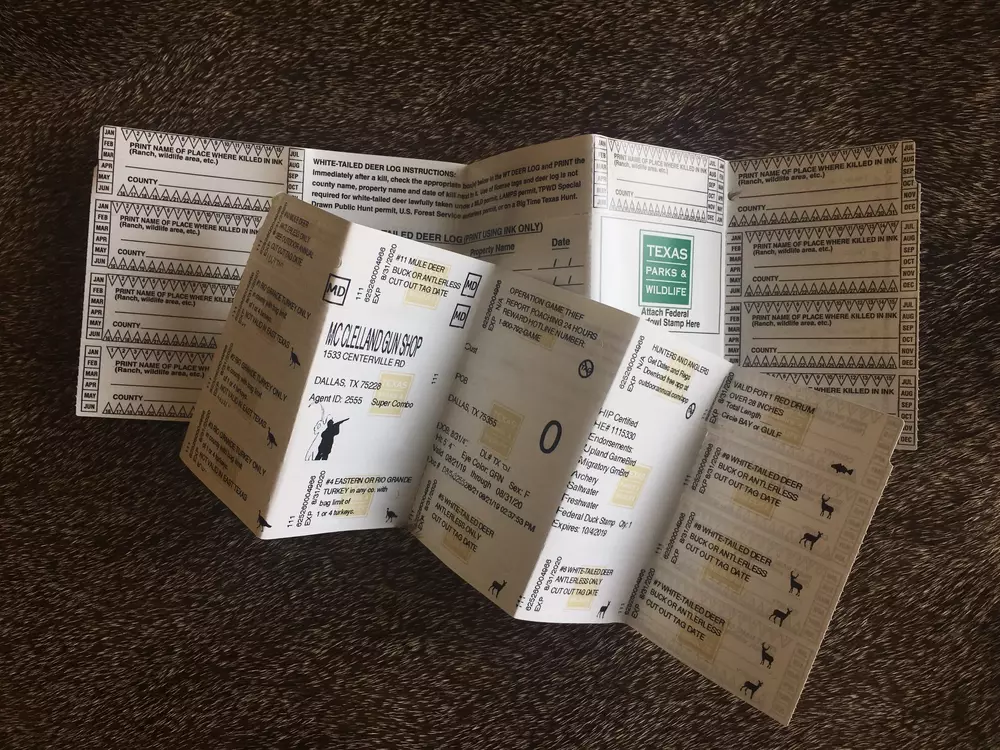
Many locations across Texas sell fishing licenses, making it convenient to pick one up before heading out to your fishing spot. These authorized dealers include:
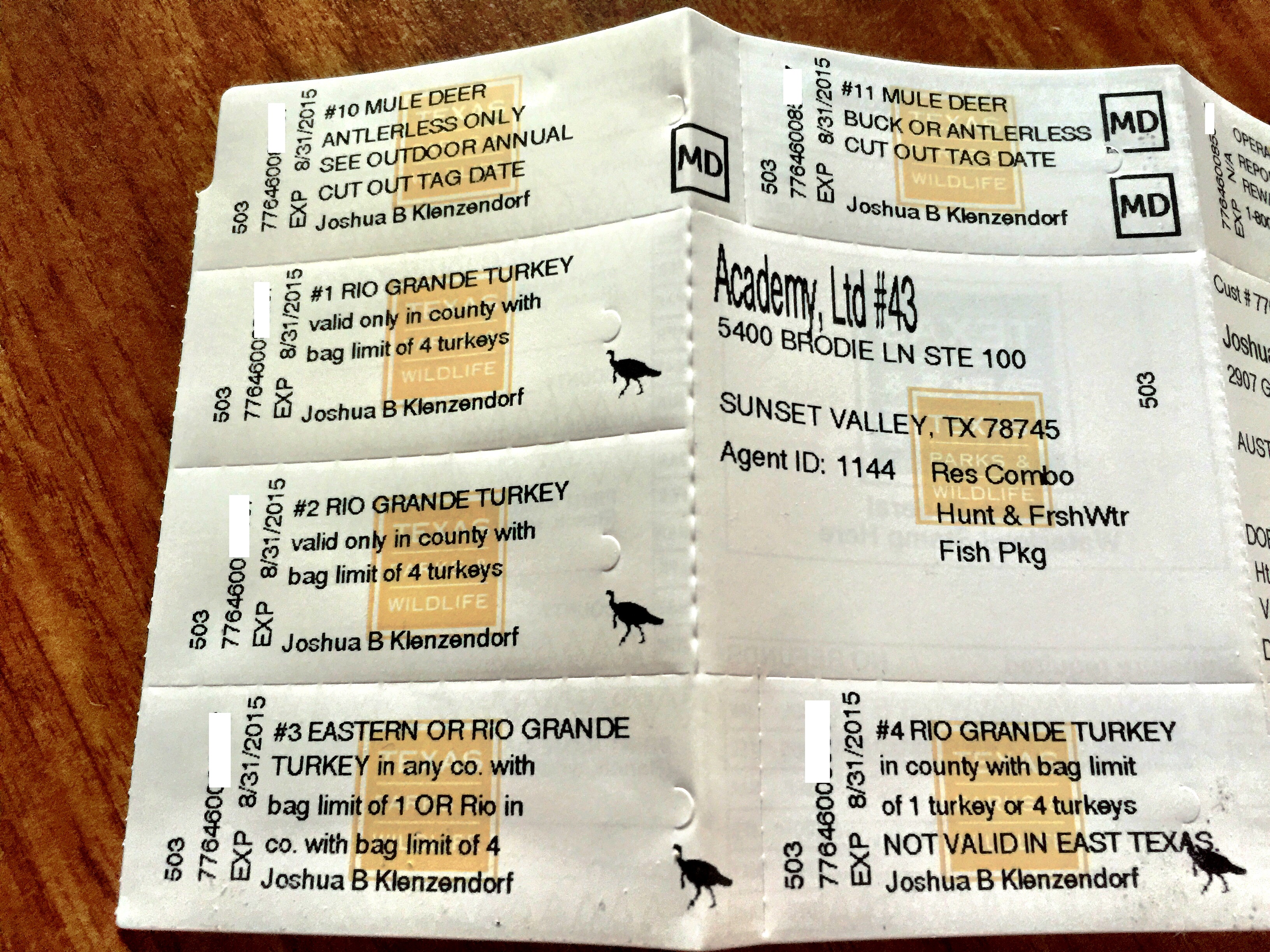
- Sporting Goods Stores: Major retailers like Academy Sports + Outdoors and independent bait and tackle shops are common license vendors.
- General Stores and Retailers: Many hardware stores, convenience stores, and supermarkets also carry fishing licenses.
- TPWD Law Enforcement Offices: Some regional Texas Parks and Wildlife Department offices may also sell licenses.
When purchasing in person, it is recommended to have a valid form of identification and know which type of license you wish to buy.
Mobile App
The TPWD also offers a mobile application that allows users to purchase and store their fishing licenses directly on their smartphones. This digital option ensures you always have your license readily available.
Important Considerations for Texas Anglers
Beyond the necessity of a fishing license, there are several other factors to keep in mind for a successful and legal fishing trip in Texas.
Regulations and Limits
Possessing a fishing license is only part of the compliance equation. Anglers must also adhere to specific regulations regarding seasons, size limits, and bag limits for various fish species. These rules are in place to protect fish populations and ensure sustainable angling for future generations. The TPWD publishes detailed fishing regulations, which are essential reading for any angler. Information on these regulations can be found on their website, in their printed guides, and often at boat ramps and fishing access points.
Catch-and-Release Practices
For certain species or when fishing in sensitive areas, practicing catch-and-release is highly encouraged and sometimes mandated. Understanding the proper techniques for releasing fish to maximize their survival is crucial for conservation. This includes handling fish minimally, using appropriate tackle, and returning them to the water quickly.
Conservation Efforts
By purchasing a fishing license, you are directly contributing to the conservation and management of Texas’s natural resources. The fees collected from license sales fund vital programs focused on habitat restoration, fisheries research, and enforcement. Your license is an investment in the future of fishing in Texas.
In conclusion, whether you are a resident planning a weekend fishing trip on Lake Livingston or a visitor eager to explore the saltwater flats near Galveston, understanding and obtaining the correct Texas fishing license is a fundamental step. Familiarize yourself with the TPWD’s requirements, choose the license that best suits your needs, and always fish responsibly. This ensures not only your compliance with the law but also your contribution to the enduring legacy of angling in the great state of Texas.
LifeOutOfTheBox is a participant in the Amazon Services LLC Associates Program, an affiliate advertising program designed to provide a means for sites to earn advertising fees by advertising and linking to Amazon.com. Amazon, the Amazon logo, AmazonSupply, and the AmazonSupply logo are trademarks of Amazon.com, Inc. or its affiliates. As an Amazon Associate we earn affiliate commissions from qualifying purchases.