
The Lone Star State, known for its vast landscapes, rich history, and burgeoning economy, also holds a deep commitment to its military personnel and veterans. For those transitioning from service to civilian life, the pursuit of higher education is a common and crucial step. This raises a significant question for many: Does Texas offer financial assistance for veterans pursuing college degrees? The answer is a resounding yes, with a robust framework of programs designed to support their educational aspirations. This comprehensive guide will delve into the various pathways available, from state-specific scholarships to federal benefits that can be utilized within Texas’s esteemed educational institutions.

Understanding Texas’s Commitment to Veteran Education
Texas recognizes the unique sacrifices and skills that veterans bring to the academic and professional spheres. This recognition translates into tangible support systems aimed at making college accessible and affordable. The state’s commitment is not merely symbolic; it is woven into the fabric of its educational policies and funding initiatives. Understanding the landscape of these benefits requires a closer look at the primary avenues of support available to veterans.
The Role of the Texas Veterans Commission
At the forefront of advocating for and coordinating veteran services in Texas is the Texas Veterans Commission. While the commission itself may not directly disburse college funds in the same way a scholarship foundation does, it plays a pivotal role in informing veterans about their entitlements and connecting them with the resources they need. The commission serves as a central hub, providing guidance on eligibility criteria, application processes, and the specific types of educational benefits available. They often partner with educational institutions and other state agencies to ensure that veterans have a clear roadmap to accessing financial aid. Their website and local offices are invaluable starting points for any veteran seeking to understand their options.
State-Specific Initiatives
Beyond general federal benefits, Texas has developed its own initiatives to bolster veteran education. These programs often work in conjunction with federal aid or offer supplementary support to bridge any financial gaps. Understanding these state-level programs is crucial for maximizing educational funding.
The Hazelwood Act: A Cornerstone of Texas Veteran Education
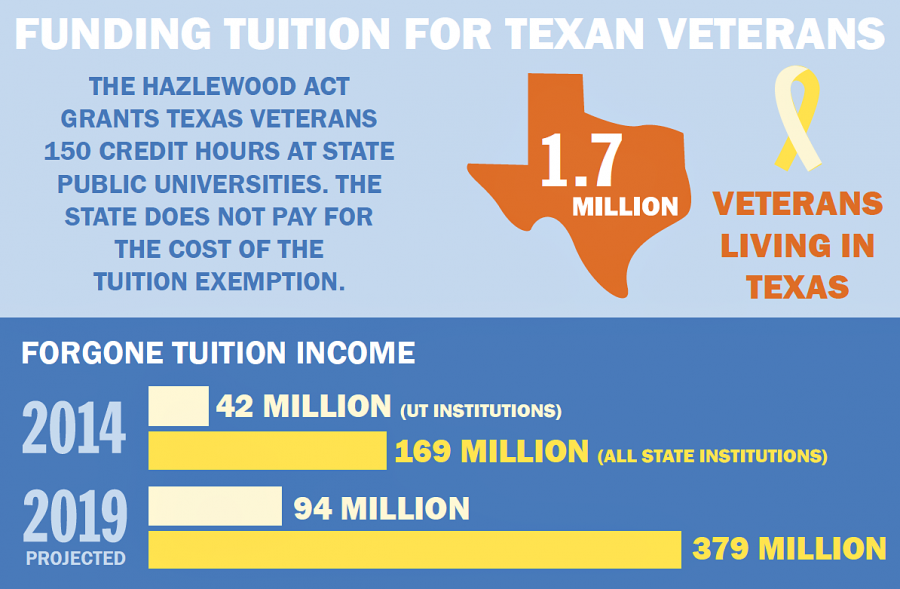
Perhaps the most well-known and significant state-funded program is the Hazelwood Act. This legislation provides tuition and fee exemptions for eligible Texas veterans and their children attending public institutions of higher education in the state. The Hazelwood Act is a testament to Texas’s gratitude and desire to invest in its veterans’ futures.
- Eligibility Criteria: To qualify for the Hazelwood Act, a veteran must have entered the U.S. military from Texas, resided in Texas at the time of entry, and have served on active duty for at least 90 days. There are also service-specific requirements related to honorable discharge. Spouses and children may also be eligible under certain conditions, particularly if the veteran is deceased or has a service-connected disability.
- Benefit Details: The Hazelwood Act offers a “poor man’s GI Bill,” covering tuition and all required fees at public colleges, universities, and technical schools within the state. This exemption applies to undergraduate, graduate, and sometimes even postgraduate studies. The number of credit hours available through the Hazelwood Act is substantial, typically 150 credit hours for the veteran, with additional hours for dependents if the veteran has exhausted their benefit.
- Application Process: Applying for the Hazelwood Act involves submitting an application to the Texas Veterans Commission, along with required documentation such as military records (DD-214), proof of Texas residency, and other supporting documents. Once approved, the veteran receives a certificate that can be presented to their chosen institution to receive the tuition exemption.
Other State-Funded Scholarships and Grants
While the Hazelwood Act is the flagship program, Texas may also offer other smaller, targeted scholarships or grants for veterans through various state agencies or private foundations that receive state support. These might be for specific fields of study, veterans with particular needs, or those attending certain types of institutions. Staying informed through the Texas Veterans Commission and individual university veteran affairs offices is key to discovering these additional opportunities.
Leveraging Federal Educational Benefits in Texas
In addition to state-specific programs, veterans in Texas have access to a robust suite of federal educational benefits. These benefits are administered by the U.S. Department of Veterans Affairs (VA) and are designed to provide significant financial support for education and training. Texas’s many public and private colleges and universities are approved to accept these federal funds, making them viable options for veterans seeking to utilize their earned entitlements.
The Post-9/11 GI Bill: A Comprehensive Educational Tool
The Post-9/11 GI Bill is one of the most significant federal educational benefits available to veterans who have served on active duty since September 10, 2001. It offers substantial financial support for tuition, housing, and books.
- Tuition and Fee Payments: The Post-9/11 GI Bill can cover the full cost of tuition and fees at public institutions and up to a certain cap at private institutions. This cap is adjusted annually and is quite generous, often covering the full cost of attendance for many programs at Texas universities.
- Monthly Housing Allowance: Eligible veterans also receive a monthly housing allowance, which is based on the location of the school and the veteran’s rate of pursuit (e.g., full-time, half-time). This allowance can significantly ease the financial burden of living expenses while studying.
- Books and Supplies Stipend: An annual stipend for books and supplies is also provided, helping to cover the costs of essential academic materials.
- Yellow Ribbon Program: For programs at private institutions or out-of-state tuition at public institutions that exceed the maximum benefit, the Yellow Ribbon Program can provide additional funding. Institutions voluntarily participate in this program, agreeing to contribute a portion of the unmet costs, which the VA then matches. Many Texas universities, like The University of Texas at Austin and Texas A&M University, actively participate in the Yellow Ribbon Program.
- Transferability: In some cases, the Post-9/11 GI Bill benefits can be transferred to dependents, allowing military members to support their children’s or spouse’s education.
Other Federal GI Bill Programs
While the Post-9/11 GI Bill is the most prominent, other GI Bill programs may be applicable depending on a veteran’s service history. These include:
- The Montgomery GI Bill (MGIB): This program provides monthly payments to help with education and training costs. It comes in two forms: the MGIB-Active Duty and the MGIB-Selected Reserve.
- VEAP (Veterans’ Educational Assistance Program): This is a matching savings program for service members who entered service on or after January 1, 1977, and before April 1, 1987.
Utilizing Benefits at Texas Institutions
Texas boasts a wide array of higher education institutions that are approved by the VA to accept GI Bill benefits. These range from large public university systems to smaller community colleges and technical schools.
- Public Universities: Major university systems like The University of Texas System and the Texas A&M University System have dedicated veteran affairs offices at each of their campuses. These offices are instrumental in helping veterans navigate the application process for federal benefits, understand their eligibility, and ensure their coursework is aligned with their educational goals.
- Community Colleges: Texas has an extensive network of community colleges, such as Austin Community College and Dallas College, which offer more affordable pathways to associate degrees, certifications, and prerequisites for transfer to four-year universities. These institutions are also VA-approved and are excellent options for veterans looking to start their educational journey.
- Private Institutions: Many private colleges and universities across Texas, including esteemed institutions like Rice University in Houston or Southern Methodist University in Dallas, also participate in the GI Bill and the Yellow Ribbon Program, offering a broader range of educational environments for veterans.
Maximizing Your Educational Benefits in Texas
Navigating the various benefits available can seem complex, but with strategic planning and the right resources, veterans can effectively fund their higher education in Texas.
The Synergy of State and Federal Aid
One of the most advantageous aspects for veterans in Texas is the potential to combine state and federal benefits. For instance, a veteran might use the Hazelwood Act for tuition and fees at a public Texas university and then use their Post-9/11 GI Bill for the monthly housing allowance and books stipend. This layered approach can significantly reduce or even eliminate out-of-pocket educational expenses. It is essential to understand the rules regarding the stacking of benefits, as some programs have limitations on how they can be combined. Consulting with a Veterans Affairs representative at your chosen institution or the Texas Veterans Commission is crucial for this understanding.
The Importance of Institutional Support
Colleges and universities in Texas recognize the value that veterans bring to their campuses. Most institutions have dedicated veteran affairs offices or certifying officials whose primary role is to assist student veterans with their educational benefits. These offices can:
- Help with the VA application process.
- Certify enrollment for GI Bill benefits.
- Provide guidance on academic advising and degree planning.
- Connect veterans with campus resources such as tutoring, career services, and mental health support.
- Advise on the interplay between federal and state benefits.
Visiting the veteran affairs office at prospective schools should be a priority for any veteran planning to enroll.
Beyond Tuition: Other Support Resources
While tuition and living expenses are primary concerns, veterans may also find support for other aspects of their transition to college life.
- Vocational Rehabilitation and Employment (VR&E): For veterans with service-connected disabilities, the VA’s VR&E program can provide comprehensive services, including job training, résumé development, and educational assistance, to help them achieve their career goals.
- Scholarships for Dependents: Some state and federal programs extend educational benefits to the dependents of veterans, particularly those who are 100% disabled or have died in service.
- Campus-Specific Programs: Many Texas universities offer their own unique scholarships, grants, and support programs specifically for student veterans, recognizing their unique needs and experiences.
In conclusion, Texas demonstrates a profound commitment to its veterans’ educational pursuits. Through the generous provisions of the Hazelwood Act and the comprehensive federal benefits administered by the U.S. Department of Veterans Affairs, veterans have numerous pathways to access quality higher education across the state. By understanding these options, leveraging institutional support, and strategically combining available benefits, veterans in Texas can confidently pursue their academic and career aspirations, ensuring a smooth and successful transition from service to a fulfilling civilian life.
LifeOutOfTheBox is a participant in the Amazon Services LLC Associates Program, an affiliate advertising program designed to provide a means for sites to earn advertising fees by advertising and linking to Amazon.com. Amazon, the Amazon logo, AmazonSupply, and the AmazonSupply logo are trademarks of Amazon.com, Inc. or its affiliates. As an Amazon Associate we earn affiliate commissions from qualifying purchases.