
While the image of Texas is often associated with scorching sun, sprawling ranches, and maybe the occasional tumbleweed, the question of whether it snows in the Lone Star State might surprise many. The answer is a resounding, albeit often infrequent, yes. Texas experiences snow, though its occurrence, intensity, and duration vary significantly across its vast and geographically diverse landscape. Understanding when and where to potentially witness a winter wonderland in Texas can add a unique dimension to planning a visit, offering a starkly different experience from the state’s typical sun-drenched persona.
The Geography of Texas Snowfall
Texas’s sheer size, spanning over 268,000 square miles, is the primary reason for its varied winter weather. From the humid subtropical climate of the East to the arid plains of the West and the mountainous terrain of the Trans-Pecos region, different areas are predisposed to varying degrees of winter precipitation.

Panhandle Plains: A Colder Climate
The northernmost region of Texas, often referred to as the Panhandle, shares a climate more akin to states further north. Here, winter temperatures are significantly colder, and snowfall is a more regular, though still unpredictable, occurrence. Cities like Amarillo and Lubbock can experience significant snow events that can blanket the landscape for days. These snowfalls are often accompanied by strong, dry winds, a characteristic of the region, which can lead to drifting and create impressive snowdrifts. The landscape, typically characterized by flat plains and rolling hills, takes on a stark, beautiful, and sometimes challenging appearance under a layer of white.
West Texas and the Trans-Pecos: Mountain Snow
Further south and west, the Trans-Pecos region, with its elevated terrain and mountainous areas like the Guadalupe Mountains, also sees snow. While perhaps not as frequent as in the Panhandle, snow can accumulate in these higher elevations, transforming the rugged desert landscapes into a surprisingly picturesque scene. The Guadalupe Mountains National Park, home to the highest point in Texas, Guadalupe Peak, is one of the prime locations to experience a snowy spectacle. These snowfalls are often brief but can be quite dramatic against the backdrop of arid canyons and desert flora.
Central and East Texas: Occasional White Dustings
The more populated areas of Central and East Texas, including major cities like Dallas, Fort Worth, Austin, and Houston, receive snow much less frequently. When it does occur, it’s often a light dusting that melts within hours, causing more excitement and traffic disruption than actual accumulation. These rare events are highly anticipated, with residents often flocking outdoors to witness the unusual sight. The novelty of snow in these regions is part of its charm, turning an otherwise ordinary day into a memorable event.
South Texas and the Coast: A Rare Phenomenon
Snow in South Texas and along the coast is an exceedingly rare phenomenon. Historical records show only a handful of instances where significant snow fell in cities like San Antonio or even further south. When snow does make it this far south, it’s usually a fleeting event, often melting before it can even accumulate. The warmer coastal air masses typically prevent sustained freezing temperatures needed for snowfall to take hold.
Factors Influencing Texas Snowfall
Several meteorological factors contribute to whether Texas sees snow. The state lies in a transition zone, influenced by weather systems from both the north and the Gulf of Mexico.
Cold Air Outbreaks and Moisture Availability
For snow to fall, two primary conditions must be met: freezing temperatures in the atmosphere (below 32°F or 0°C) and sufficient moisture. Cold air masses often originate from Canada and sweep southward into Texas, particularly during winter months. However, for these cold air masses to produce snow, they must also encounter a source of moisture. This often comes from low-pressure systems moving across the country or from the Gulf of Mexico. The delicate balance between the intensity of the cold air and the availability of moisture determines the extent and severity of any snowfall.
Winter Storms and Arctic Outbreaks
Major snow events in Texas are typically associated with powerful winter storms or significant arctic outbreaks. These events can bring not only snow but also ice, high winds, and drastically dropping temperatures. The Panhandle is most susceptible to these conditions due to its proximity to colder northern air. Historically, notable snowstorms have impacted various parts of the state, sometimes leading to widespread disruptions and creating memorable winter landscapes.
Experiencing a Texas Winter
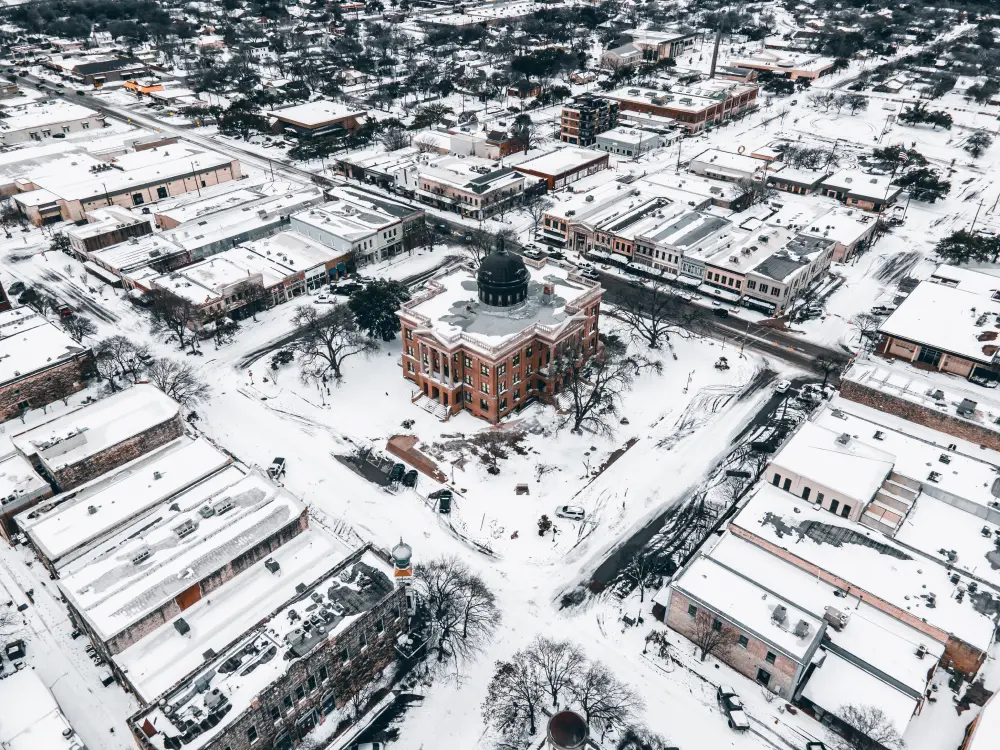
While a full-blown blizzard might not be the typical Texas experience, the possibility of snow adds a unique layer to its travel appeal during the winter months.
Winter Activities and Destinations
For those seeking a snowy adventure in Texas, the Panhandle is the most reliable region. Towns like Canyon near Palo Duro Canyon State Park can offer stunning frozen vistas. The park itself, known as the “Grand Canyon of Texas,” transforms into a dramatic, icy landscape that provides excellent opportunities for hiking and photography. In the Trans-Pecos, Big Bend National Park can offer rare snowy hikes in its higher elevations, providing a truly unique desert-meets-winter experience.
Preparing for Winter Travel
If planning a trip to Texas during the winter, especially to the northern or western parts, it’s wise to be prepared for potential winter weather. This includes checking weather forecasts regularly, ensuring your vehicle is equipped for winter driving (especially if traveling through areas prone to ice and snow), and packing warm clothing. While extreme cold and heavy snowfall are not the norm across the entire state, preparedness can enhance your travel experience and ensure safety.
Embracing the Novelty
For many residents and visitors alike, a snowfall in Texas is a special occasion. It’s a chance to witness a different side of this vast state, to experience the quiet beauty of a snow-covered landscape, and to perhaps enjoy a rare moment of childhood wonder, whether it’s building a small snowman or simply marveling at the altered scenery. The unpredictability of Texas snow makes it all the more cherished when it arrives.
When Does Texas Snow?
The timing of snowfall in Texas is generally confined to the colder months.
Winter Months (December to February)
The peak season for potential snowfall is from December through February. During these months, cold air masses are most likely to penetrate deep into the state, and the chances of encountering a system that brings both cold and moisture are highest. Snowfall in the Panhandle can occur as early as November and extend into March.
Occasional Early and Late Season Snow
While less common, early season snow can sometimes surprise residents in late October or early November, particularly in the western parts of the state. Similarly, a late-season flurry or dusting might occur in March, though significant accumulation by this time is rare. These off-season events are often fleeting and more of a curiosity than a widespread weather phenomenon.
The Impact of Climate Change on Texas Snowfall
Like many regions globally, Texas is experiencing the effects of climate change, which can influence winter weather patterns.
Shifting Patterns and Increased Extremes
Scientists observe that while the overall trend might be towards warmer winters, climate change can also lead to more extreme weather events. This could mean fewer, but potentially more intense, cold snaps and snowstorms. The long-term prediction for Texas suggests a trend towards hotter summers and potentially more erratic winter weather, making precise snowfall forecasting increasingly challenging. This adds another layer of unpredictability to the already variable nature of snow in the Lone Star State.
The Enduring Charm of a Texas Snowfall
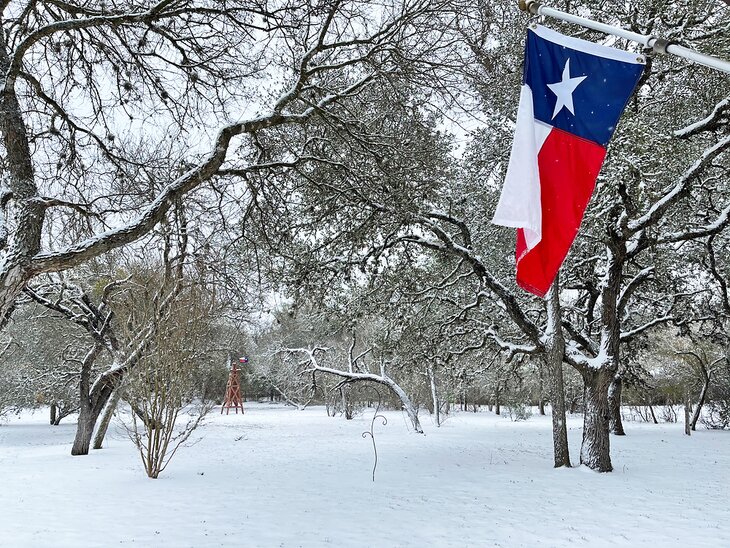
Despite the complexities and variations, the prospect of snow in Texas remains a captivating aspect of its diverse climate. It offers travelers and residents a unique opportunity to experience a different kind of beauty in a state renowned for its sunshine. Whether it’s a light dusting in Austin that brings a collective gasp of delight, or a significant snowfall blanketing the plains of the Panhandle, the question “Does Texas snow?” is answered by the often-surprising, and always memorable, white flakes that occasionally grace the Lone Star State.
LifeOutOfTheBox is a participant in the Amazon Services LLC Associates Program, an affiliate advertising program designed to provide a means for sites to earn advertising fees by advertising and linking to Amazon.com. Amazon, the Amazon logo, AmazonSupply, and the AmazonSupply logo are trademarks of Amazon.com, Inc. or its affiliates. As an Amazon Associate we earn affiliate commissions from qualifying purchases.