
While the allure of a romantic getaway to the Lone Star State often conjures images of sprawling ranches, vibrant cities like Dallas and Austin, and the captivating charm of its diverse landscapes, understanding the legal framework governing relationships can be crucial for travelers, especially those considering a longer stay or seeking to establish residency. One question that frequently arises for individuals considering unconventional marital arrangements is the recognition of common law marriage. This article delves into the specific stance of Texas on this matter, offering clarity for those planning their journeys or life experiences within its borders.
Understanding Common Law Marriage
Before examining Texas’s position, it’s essential to define what common law marriage entails. Also known as “informal marriage,” common law marriage is a legal framework where a couple can be considered married without a formal ceremony or marriage license. The specific requirements for establishing a common law marriage vary significantly from state to state. Generally, however, it involves a mutual agreement between the parties to be married, followed by a period of cohabitation as husband and wife, and a public declaration or holding out to the community that they are married. The absence of a marriage license is a defining characteristic, differentiating it from ceremonial marriages.
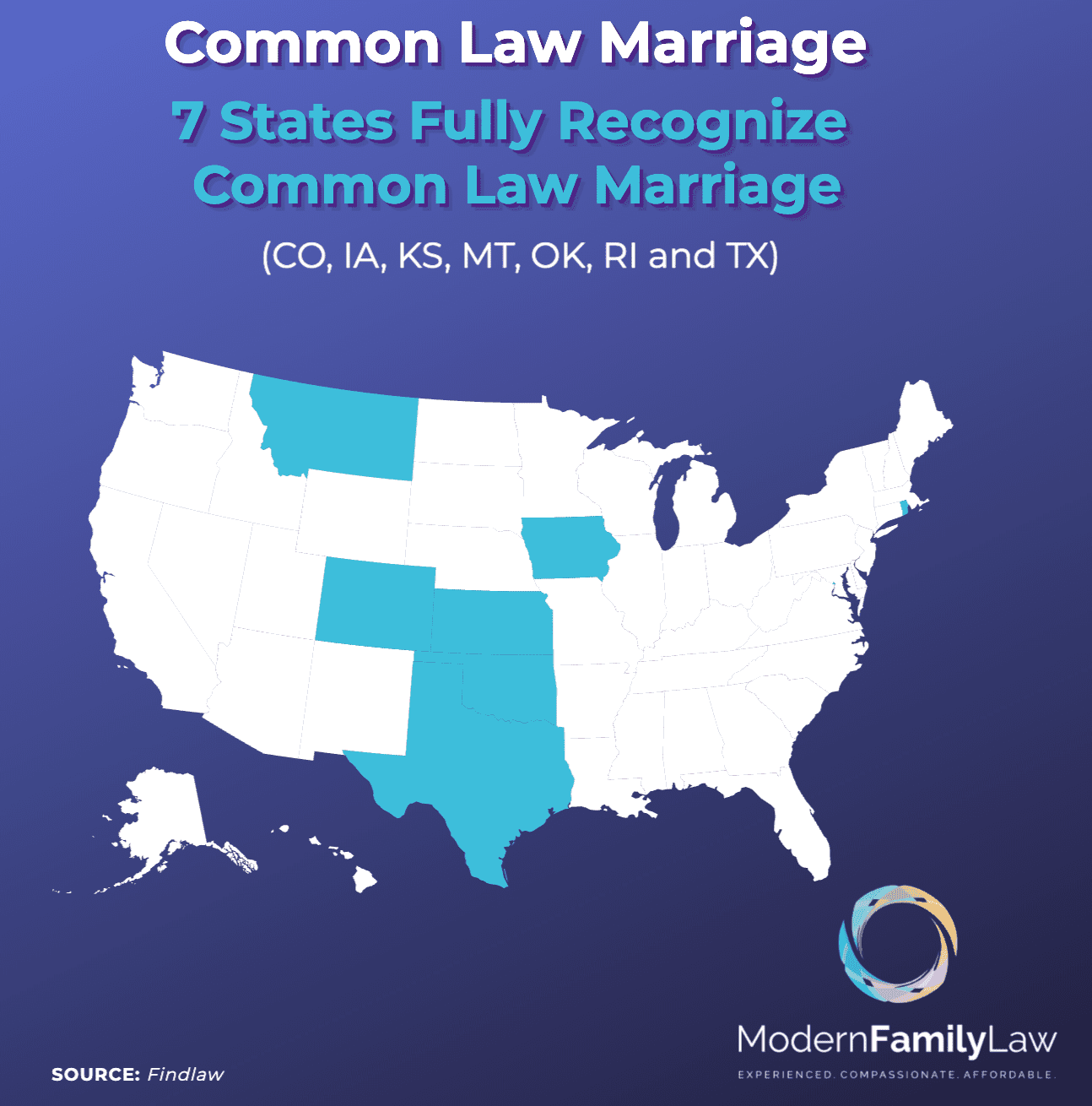
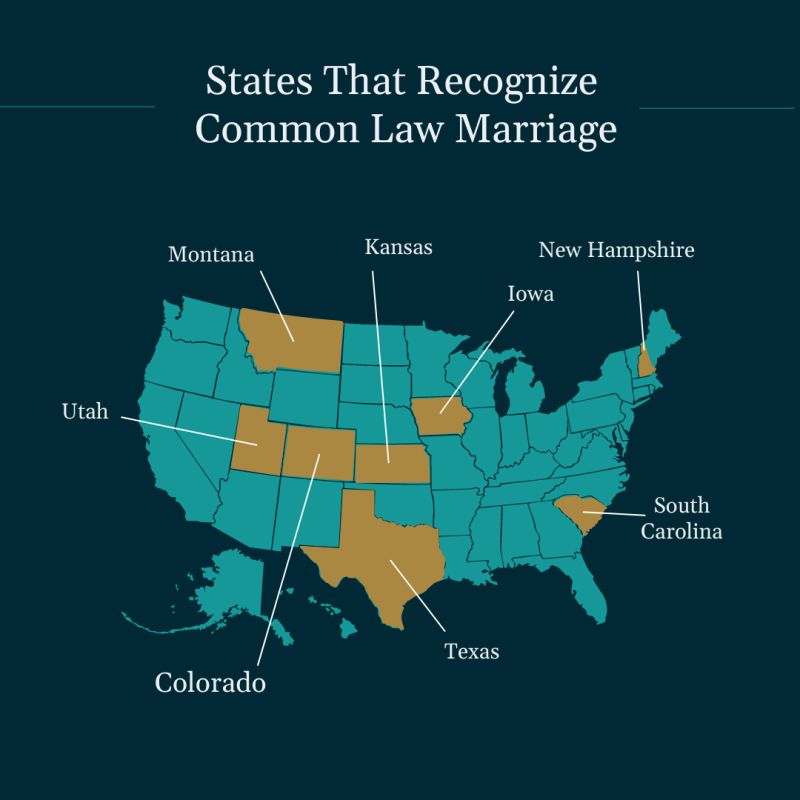
It’s important to note that common law marriage is not universally recognized across the United States. Many states have abolished it, preferring the formality of a licensed and officiated ceremony. Those states that do recognize common law marriage typically have stringent requirements to prevent fraudulent claims. The intent of common law marriage statutes is generally to protect individuals in long-term, committed relationships who, for various reasons, may not have undergone a formal marriage ceremony.
Texas: A State That Recognizes Common Law Marriage
The direct answer to the title’s question is: Yes, the State of Texas does recognize common law marriage, provided that specific statutory requirements are met. This recognition can be a significant factor for couples who have been living together and consider themselves married, even without a formal license or ceremony. However, the path to establishing a common law marriage in Texas is not as simple as just living together. The Texas Family Code outlines clear criteria that must be satisfied for an informal marriage to be legally binding.
The recognition of common law marriage in Texas is a legacy that persists from a time when such arrangements were more common. While many other states have moved away from this legal concept, Texas has maintained its provisions, albeit with a strict set of guidelines. This can be particularly relevant for individuals or couples who are visiting Texas for extended periods, perhaps for a long-term vacation, a sabbatical, or even considering a permanent relocation, and who have established a relationship that might qualify.
The Three Essential Elements for Common Law Marriage in Texas
To establish a valid common law marriage in Texas, three distinct elements must be proven simultaneously. All three must exist at the same time to create a legally recognized informal marriage.
1. Agreement to Be Married
This is perhaps the most crucial element. Both parties must have a present intent and agreement to be married. This is not about a future intention to marry, but a mutual understanding and commitment that they are married at that moment. This agreement doesn’t need to be in writing and can be proven through verbal declarations, conduct, and surrounding circumstances. It signifies a shared decision to enter into the marital relationship.
Proving this agreement can involve testimony from the couple themselves, as well as from friends, family members, or colleagues who have heard them explicitly state their intention to be married. The “spirit” of this element is about a mutual commitment to the marital status.
2. Cohabitation in Texas
Following the agreement to be married, the couple must then live together in Texas. Cohabitation simply means sharing a common dwelling. This does not require an extravagant living situation; it can be an apartment, a house, or any other shared residence within the state. The critical aspect is that they reside together as husband and wife in Texas after the agreement to be married has been formed.
The duration of cohabitation is not explicitly defined by statute, but it must be a sufficient period to demonstrate the couple’s commitment to living as a married unit. The focus is on the fact of living together in Texas while intending to be married.
3. Holding Out to Others as Being Married

The final, and often most publicly observable, element is that the couple must represent themselves to the public as being married. This is commonly referred to as “holding out.” This means that the couple introduces themselves to friends, family, neighbors, and the community as husband and wife. This can be done through various actions, such as:
- Using the same last name.
- Filing joint tax returns (though this alone is not conclusive).
- Referring to each other as “my husband” or “my wife” in public or private conversations.
- Signing documents as a married couple.
- Listing each other as spouses on official forms or applications.
- Wearing wedding rings, although this is not a definitive requirement.
The “holding out” element is crucial because it demonstrates to the outside world and provides evidence that the couple themselves considered their relationship a marriage. This public perception is a key indicator of their intent and the nature of their relationship.
Proving a Common Law Marriage
While Texas recognizes common law marriage, proving its existence can be challenging, especially if one party denies the marriage or if there’s a dispute. The burden of proof lies with the party seeking to establish the existence of the informal marriage. This is often done in legal proceedings, such as divorce cases or inheritance disputes.
The Importance of Proof
If a common law marriage is not formally recognized by both parties or if it needs to be established for legal purposes, it may require a judicial declaration. This typically involves filing a lawsuit to confirm the informal marriage. The court will then examine the evidence presented for each of the three elements: agreement, cohabitation, and holding out.
Given the potential complexities, it is highly advisable for individuals who believe they have entered into a common law marriage in Texas to seek legal counsel. An attorney specializing in family law can help gather evidence, understand the specific requirements, and navigate the legal process of proving or establishing an informal marriage.
Common Law Marriage vs. Other Relationship Statuses
It’s important to distinguish common law marriage from other forms of cohabitation or committed relationships that do not meet the legal criteria for marriage. A couple living together without the intent to be married, without cohabiting in Texas after the agreement, or without holding themselves out as married, will not be recognized as being in a common law marriage.
The legal implications of being recognized as common law married in Texas are the same as for a ceremonial marriage. This includes rights and responsibilities related to property division, inheritance, spousal support, and medical decision-making.
Implications for Travelers and Residents
For visitors to Texas, understanding this legal framework is important if their relationship status might be relevant. For instance, if a couple from a state that does not recognize common law marriage travels to Texas and meets the state’s criteria for an informal marriage, they could potentially be considered married under Texas law. This could have implications for insurance, legal contracts, and other matters where marital status is a factor.
For those considering a longer stay or permanent residency in Texas, particularly if they have an established relationship that meets the criteria, it’s wise to be aware of these legal provisions. If a couple has been living together in Texas and has consistently presented themselves as married, they may already be legally married under state law, even without a license.
Clarifying Your Status
If there is any ambiguity about marital status in Texas, consulting with a legal professional is the most prudent course of action. They can provide personalized advice based on the specific circumstances of the relationship and ensure that legal rights and obligations are understood. This is particularly important for individuals planning significant life events, such as purchasing property together, making estate plans, or navigating family law matters.
Conclusion on Texas Common Law Marriage
In summary, the State of Texas does indeed recognize common law marriage, also known as informal marriage, provided that the three essential elements – an agreement to be married, cohabitation in Texas, and holding out to the public as married – are met concurrently. This legal recognition underscores the importance of clarity regarding relationship status for both temporary visitors and long-term residents of the Lone Star State. While the informality of its establishment can be appealing, the legal ramifications are as significant as those of a ceremonial marriage, necessitating a thorough understanding of the requirements and potential legal avenues for confirmation.
LifeOutOfTheBox is a participant in the Amazon Services LLC Associates Program, an affiliate advertising program designed to provide a means for sites to earn advertising fees by advertising and linking to Amazon.com. Amazon, the Amazon logo, AmazonSupply, and the AmazonSupply logo are trademarks of Amazon.com, Inc. or its affiliates. As an Amazon Associate we earn affiliate commissions from qualifying purchases.