
Applying for Medicaid in Texas can seem like a complex process, but understanding the steps involved can make it much more manageable. This essential government health insurance program provides vital coverage for low-income individuals and families, pregnant women, children, and individuals with disabilities. Navigating the application can be the first step towards accessing healthcare services that might otherwise be out of reach. The program is administered by Texas Health and Human Services (HHS), and while the core principles are consistent, the specifics of eligibility and application can vary. This guide aims to demystify the process, outlining the various pathways to apply and the crucial information you’ll need.
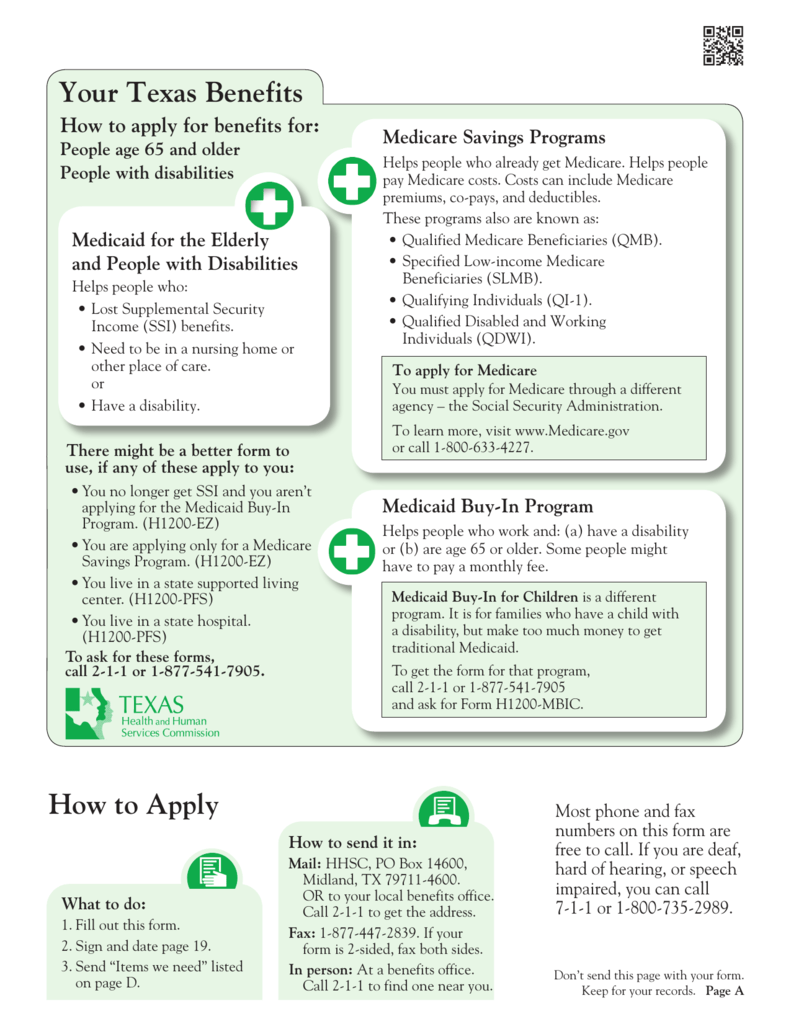
Understanding Eligibility Requirements
Before embarking on the application journey, it’s crucial to understand who qualifies for Medicaid in Texas. Eligibility is primarily determined by income, household size, family status, and specific health needs. The program is designed to serve vulnerable populations, ensuring they have access to necessary medical care.
Financial Guidelines
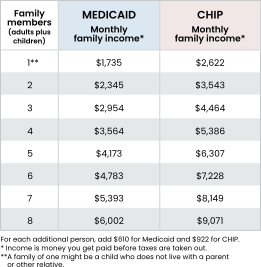
The most significant factor in determining eligibility is often household income. Texas follows specific income limits that are updated annually. These limits are typically expressed as a percentage of the federal poverty level. For instance, pregnant women often have different income thresholds than single adults or families with children. Similarly, individuals who are disabled or blind, and receiving Supplemental Security Income (SSI) or Social Security Disability Insurance (SSDI), often automatically qualify for Medicaid, though this can depend on the specific state’s rules.
- Children: Medicaid and the Children’s Health Insurance Program (CHIP) in Texas cover children in families with incomes too high for Medicaid but still struggling to afford private health insurance. The income limits for children are generally higher than for adults.
- Pregnant Women: Special provisions exist for pregnant women, offering coverage during pregnancy and for a period after birth. The income requirements for this group are often more lenient to ensure maternal and infant health.
- Parents and Caregivers: Eligibility for parents and caregivers is typically tied to the income of the household and the presence of dependent children.
- Individuals with Disabilities: Adults with disabilities who meet certain income and asset limits may qualify. This can include those receiving disability benefits like SSI or SSDI.
- Seniors: While Medicare is the primary health insurance for many seniors, Medicaid can supplement Medicare benefits for low-income seniors, covering services not typically paid for by Medicare or helping with out-of-pocket costs.
It’s important to note that Texas has not expanded its Medicaid program under the Affordable Care Act to cover all low-income adults. This means that eligibility for childless adults is significantly more restricted than in states that have adopted the expansion.
Other Key Eligibility Factors
Beyond income, other factors play a role:
- Household Size: The number of people in your household directly impacts the income limits. Larger households have higher income thresholds.
- Citizenship and Residency: Applicants must be U.S. citizens or qualified non-citizens and Texas residents.
- Age: Age is a primary factor for categories like children, pregnant women, and seniors.
- Disability Status: For individuals seeking coverage based on disability, official documentation and verification are usually required.
Navigating these requirements can be challenging. The official Texas HHS website and application portal are the best resources for the most up-to-date and specific eligibility criteria.
How to Apply: Step-by-Step
There are several convenient ways to apply for Medicaid in Texas. The primary method is through the Your Texas Benefits website, a centralized portal for various state benefits.
Online Application via Your Texas Benefits
The Your Texas Benefits website (yourtexasbenefits.com) is the most recommended and efficient way to apply.
- Create an Account: You will need to create an account on the portal. This account will allow you to save your application, track its progress, and communicate with HHS.
- Fill Out the Application: The online application is comprehensive and will ask for detailed information about yourself and your household. Be prepared to provide:
- Personal Information: Full names, dates of birth, Social Security numbers, and contact information for all household members applying.
- Income Information: Details about employment, wages, unemployment benefits, retirement income, and any other sources of income for everyone in the household. Pay stubs, tax returns, or benefit statements may be required.
- Household Information: Information about your living situation, including who lives with you and your relationship to them.
- Health Information: Details about any disabilities, pregnancies, or specific health conditions that might affect eligibility.
- Citizenship/Immigration Status: Proof of citizenship or legal immigration status.
- Existing Health Insurance: Information on any other health insurance coverage you or your household members may have.
- Upload Documents: You will be prompted to upload supporting documents to verify the information you provide. This might include:
- Proof of income (e.g., pay stubs, W-2s, tax returns)
- Proof of identity (e.g., driver’s license, birth certificate)
- Proof of residency (e.g., utility bills, lease agreement)
- Proof of pregnancy (if applicable)
- Disability documentation (if applicable)
- Submit and Track: Once you have completed the application and uploaded all necessary documents, you can submit it electronically. After submission, you will receive a confirmation. You can log back into your Your Texas Benefits account to track the status of your application.
Paper Application
For those who prefer or require a paper application, forms can be downloaded from the Texas HHS website or obtained in person.
- Download Forms: Visit the Texas HHS website and navigate to the Medicaid section to find the relevant application forms.
- Request by Mail: You can call the Texas HHS Customer Service line to request an application be mailed to you.
- In-Person Assistance: Local HHS offices can provide application forms and assistance. You can find a local office by visiting the Texas HHS website.
Once completed, paper applications can be mailed or hand-delivered to a local HHS office. Be aware that processing paper applications may take longer than online submissions.
Phone Application
You can also apply for Medicaid over the phone by calling the Texas HHS Customer Service line. Representatives can guide you through the application process, ask the necessary questions, and help you complete the application verbally. This option is particularly helpful for individuals who may have difficulty with online forms or have limited computer access.
Gathering Necessary Documentation
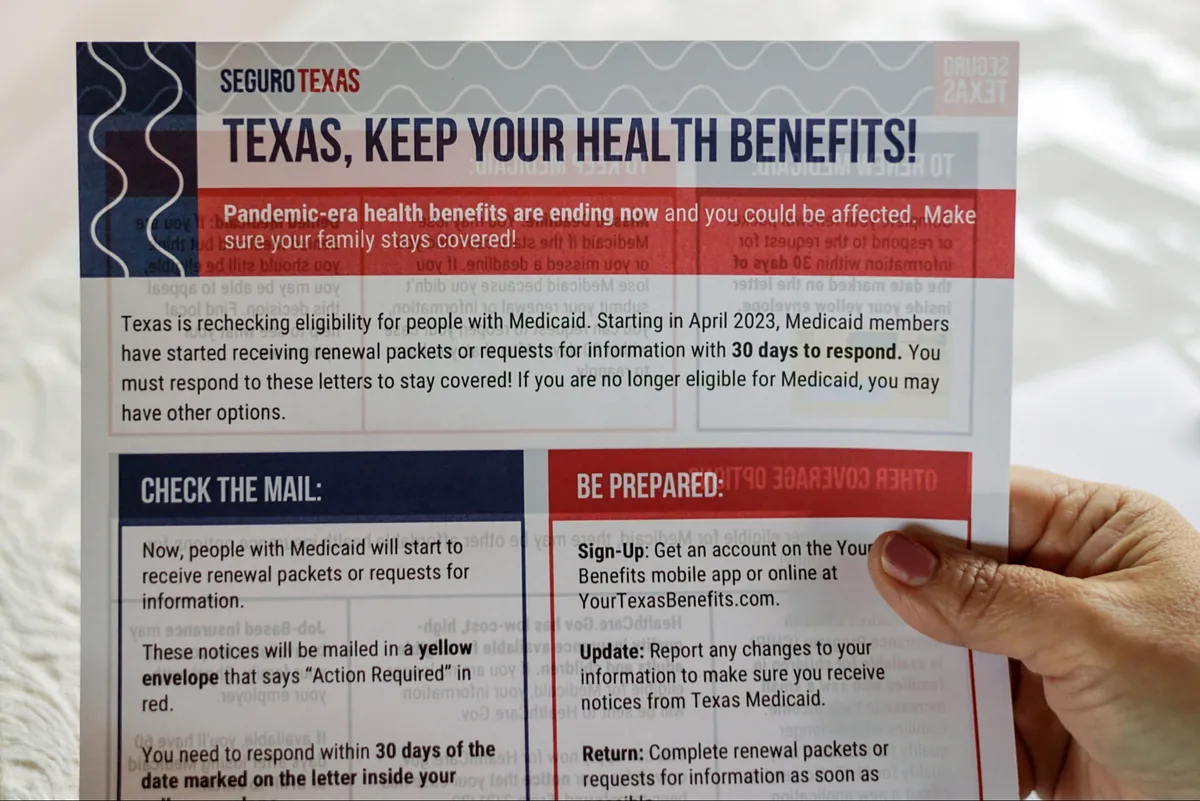
Having the right documentation ready before you start your application can significantly expedite the process. While the exact requirements may vary based on your individual circumstances, here is a general list of documents you should consider having on hand:
Proof of Identity and Residency
- Government-Issued Photo ID: Driver’s license, state ID card, passport.
- Social Security Card: For all household members applying.
- Proof of Texas Residency: Utility bills (electricity, water, gas), rental agreements, mortgage statements, or a letter from a shelter.
Proof of Income
This is a critical component of the application. Be prepared to provide evidence of all income sources for everyone in your household.
- Recent Pay Stubs: Typically, the last 30-60 days of pay stubs.
- W-2 Forms: From your employer for the most recent tax year.
- Tax Returns: Federal tax returns for the most recent filing year.
- Unemployment Benefit Statements: If you are receiving unemployment.
- Pension or Retirement Income Statements:
- Alimony or Child Support Payments: Documentation of received payments.
- Other Income Sources: Any other regular income you receive.
Proof of Household Composition
- Birth Certificates: For all children applying.
- Court Orders: Related to custody or child support.
Health-Specific Documentation
- Proof of Pregnancy: A doctor’s confirmation of pregnancy, including the expected due date.
- Disability Documentation: If applying based on disability, you may need letters from doctors, proof of receiving SSI or SSDI benefits, or other medical records.
Other Potential Documents
- Information on Existing Health Insurance: Policy numbers and details if you or household members have other health coverage.
- Proof of Citizenship or Immigration Status: For non-citizens, this could include a Permanent Resident Card, visa documents, or other immigration papers.
Important Tip: It is always best to check the official Your Texas Benefits website or contact Texas HHS directly for the most current and specific list of required documents based on your situation. Incomplete applications are a common reason for delays, so thorough preparation is key.
After You Apply: What to Expect
Once your Medicaid application is submitted, there are several steps and outcomes to anticipate. The processing time can vary, but Texas HHS aims to process applications within a reasonable timeframe.
Processing and Determination
- Review: Your application and supporting documents will be reviewed by an eligibility specialist. They will verify the information you provided and determine if you meet the program’s criteria.
- Requests for More Information: If any information is missing or unclear, you will be contacted with a request for additional documentation or clarification. It is crucial to respond to these requests promptly to avoid application delays or denial.
- Decision Notification: You will receive a written notification of the decision regarding your eligibility. This notice will state whether you have been approved or denied. If approved, it will specify the coverage you are eligible for and when it will begin. If denied, it will explain the reasons for the denial and your rights to appeal the decision.
What Happens if Approved?
If your application is approved, you will receive information about your Medicaid benefits.
- Medicaid Card: You will be issued a Medicaid card. This card is essential for receiving medical services and should be presented to healthcare providers at the time of service.
- Managed Care: In Texas, most Medicaid beneficiaries are enrolled in a managed care plan. You will have the opportunity to choose a health plan (e.g., Blue Cross and Blue Shield of Texas, Aetna, Humana) that best suits your needs, often with a network of doctors and hospitals.
- Effective Date: Your coverage will have an effective date, meaning you can begin using your benefits on or after that date.
What Happens if Denied?
If your application is denied, you have the right to appeal the decision.
- Understanding the Reason for Denial: Carefully review the denial letter to understand why your application was not approved. Common reasons include exceeding income limits, insufficient documentation, or not meeting residency requirements.
- Appealing the Decision: The denial letter will outline the steps for filing an appeal. This typically involves requesting a hearing. You usually have a limited timeframe (often 30 days) to request an appeal. You can present further evidence or arguments at the hearing.
- Reapplying: If your circumstances change, such as a reduction in income or a change in household size, you may be eligible to reapply. It’s important to ensure you meet the eligibility criteria before reapplying.
Maintaining your Medicaid benefits requires ongoing effort. You may need to report changes in your income, household size, or living situation to Texas HHS to ensure your continued eligibility. Regular reviews or redeterminations of your eligibility will also occur, typically annually. Being prepared and proactive can help ensure you continue to receive this vital health coverage.
LifeOutOfTheBox is a participant in the Amazon Services LLC Associates Program, an affiliate advertising program designed to provide a means for sites to earn advertising fees by advertising and linking to Amazon.com. Amazon, the Amazon logo, AmazonSupply, and the AmazonSupply logo are trademarks of Amazon.com, Inc. or its affiliates. As an Amazon Associate we earn affiliate commissions from qualifying purchases.