
Navigating the process of obtaining a temporary license plate in Texas is a common necessity for various situations, from purchasing a new vehicle to transporting one across state lines. Whether you’ve bought a car from a private seller, are awaiting permanent registration, or need to move a vehicle, understanding the requirements and steps involved is crucial to avoid any legal complications. This guide will walk you through the essentials of acquiring a temporary license plate in the Lone Star State, ensuring a smooth and compliant experience.
Understanding Temporary License Plates in Texas
Temporary license plates, often referred to as “temporary tags” or “temp tags,” serve as a legal means to operate a vehicle on public roads for a limited period before you can obtain official, permanent license plates from the Texas Department of Motor Vehicles (TxDMV). These are distinct from dealership-issued temporary tags, which have their own set of regulations.

Types of Temporary Plates and Their Purposes
In Texas, the primary type of temporary license plate relevant to individuals outside of dealership transactions is the Temporary Transit Plate. This plate is designed for specific scenarios:
- Purchasing a Vehicle from a Private Seller: When you buy a car, truck, or motorcycle from an individual who is not a licensed dealer, you’ll need a temporary transit plate to legally drive the vehicle home or to its new location before registering it.
- Transporting a Vehicle: If you are moving a vehicle to a new registration jurisdiction, whether within or outside of Texas, a temporary transit plate is required. This is particularly relevant for vehicles purchased out-of-state that need to be brought into Texas for registration.
- Awaiting Permanent Plates: In some instances, after completing the registration process, there might be a short waiting period for your permanent plates to be issued. A temporary plate can bridge this gap.
It is important to distinguish these from the temporary tags issued by licensed Texas dealerships. Dealerships have specific systems and requirements for issuing their temporary plates, which are typically valid for a longer duration and tied directly to the sale of a vehicle from their inventory. This article focuses on obtaining temporary plates independently.
Legal Requirements and Validity
Temporary transit plates in Texas are issued by the county tax assessor-collector’s offices. They are designed for a specific period, typically valid for 30 days. It is imperative to use the vehicle only within this validity period. Driving with an expired temporary tag is the same as driving with no plates and can result in citations, fines, and potential impoundment of the vehicle.
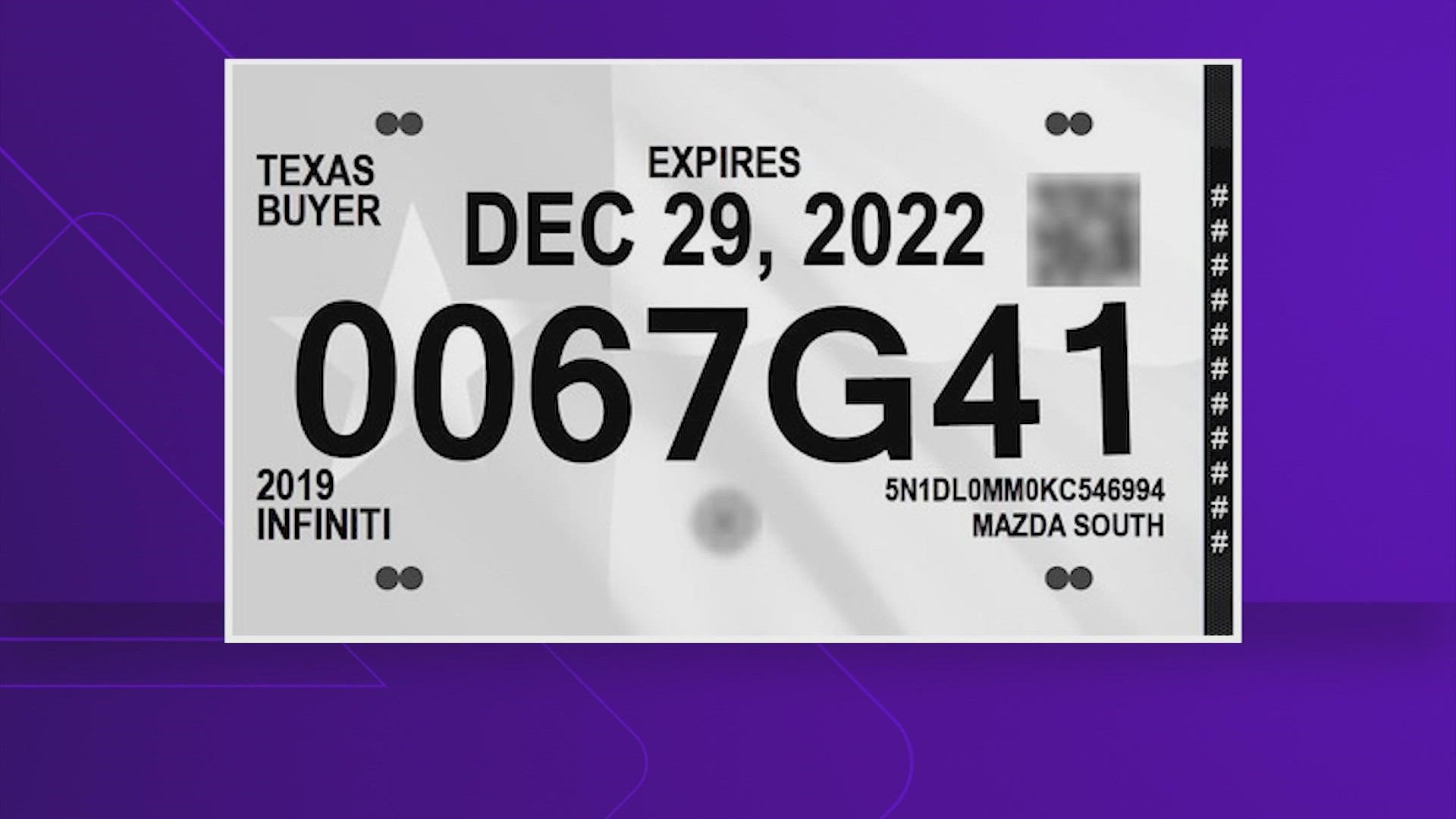
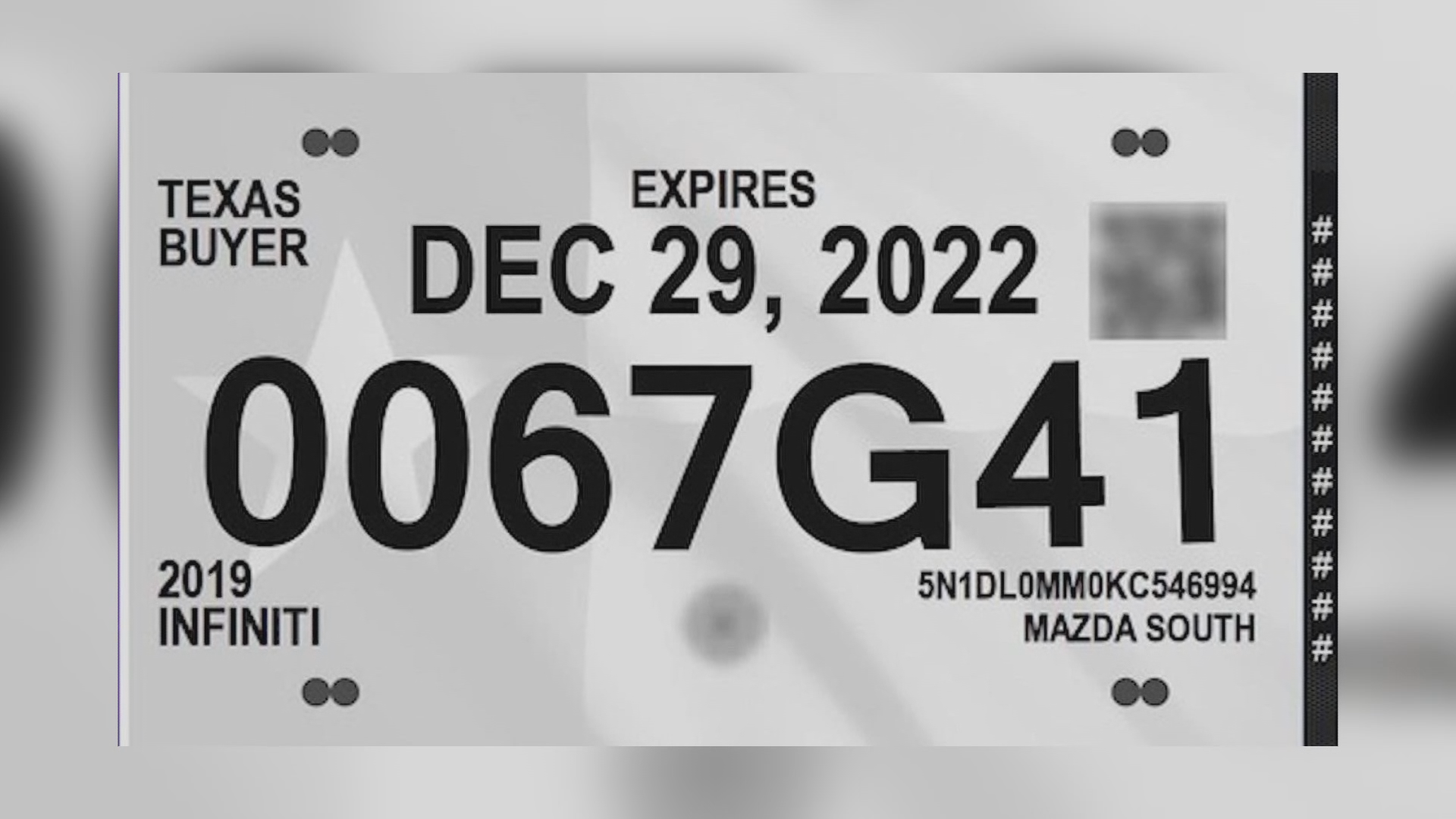
The plate itself will display an expiration date. Always ensure this date is clearly visible and that you have initiated the process for permanent registration well before it expires. The purpose of a temporary plate is to facilitate legal operation of the vehicle during the transition to permanent registration, not as a long-term solution.
How to Obtain a Temporary Transit Plate in Texas
The process for obtaining a temporary transit plate in Texas is managed at the county level through the local county tax assessor-collector’s office. While the core requirements are consistent statewide, there might be minor procedural variations between counties.
Step-by-Step Application Process
-
Gather Necessary Documentation: Before visiting your local county tax assessor-collector’s office, ensure you have the following essential documents:
- Proof of Ownership: This is typically the vehicle’s title, properly assigned to you. If you purchased from a private seller, the seller must sign the title over to you. If the vehicle is new and was purchased from a dealership outside of Texas and you are bringing it into the state for registration, you will need the Manufacturer’s Certificate of Origin (MCO) or the out-of-state title.
- Proof of Texas Vehicle Registration: You will need a valid Texas vehicle registration for the vehicle you are applying the temporary plate for. This sounds circular, but it refers to the application for the temporary plate itself. You will be providing the vehicle’s VIN and other details at this stage.
- Proof of Financial Responsibility (Insurance): You must have valid Texas liability insurance for the vehicle. You will need to present your insurance card or policy declaration page as proof. The policy must meet the minimum liability coverage requirements mandated by Texas law.
- Valid Texas Driver’s License or ID: You will need to present a valid government-issued identification.
- Bill of Sale (Recommended): While not always strictly required for the temporary plate application itself, a bill of sale is crucial for proving the purchase price of the vehicle, which will be needed when you go to register the vehicle permanently. This document should include the date of sale, names and signatures of the buyer and seller, vehicle identification number (VIN), make, model, year, and the purchase price.
-
Visit Your County Tax Assessor-Collector’s Office: Locate the tax assessor-collector’s office in your county. Many counties offer appointments or have specific hours for vehicle registration services. It’s advisable to check their website or call ahead to confirm their operating hours and any specific requirements for obtaining temporary plates.
-
Complete the Application Form: You will likely be provided with a form, often the Application for Temporary Transit Plates (Form VTR-200). You will need to fill this out accurately with all the required vehicle and personal information.
-
Pay the Required Fees: There is a fee associated with obtaining a temporary transit plate. This fee typically covers the cost of the plate itself and administrative charges. The exact amount can vary slightly by county but is generally a modest sum. Be prepared to pay with cash, check, or card, depending on the payment methods accepted by the office.
-
Receive Your Temporary Transit Plate: Once your application is processed, your documentation is verified, and the fee is paid, you will be issued your temporary transit plate. This plate will have an expiration date clearly marked. You will also receive any necessary paperwork to keep with the plate, such as a temporary registration receipt.
Documentation Requirements in Detail
The requirement for specific documentation can sometimes cause confusion. Let’s break down the critical pieces:
-
Proof of Ownership: For a vehicle purchased from a private seller in Texas, this is primarily the signed-over title. If the vehicle is a gift or inheritance, you might need different documentation, such as an affidavit of gift or probate documents, but for a standard sale, the title is paramount. If you are bringing a vehicle from another state, you will need the title from that state.
-
Proof of Insurance: Texas law requires a minimum level of liability insurance for all registered vehicles. This is a non-negotiable requirement. You must have an active policy that covers the vehicle you are applying the temporary plate for. If you are insuring a newly purchased vehicle, ensure your insurance provider is aware of the VIN and has updated your policy accordingly.
-
Bill of Sale: While not always a direct requirement for the temporary plate itself, the bill of sale is essential for the permanent registration process. It provides the official record of your purchase and the price paid, which is necessary for calculating sales tax and registration fees. It also protects you and the seller by documenting the transaction.
Special Considerations and Tips for a Smooth Process
Acquiring a temporary license plate in Texas is generally straightforward, but being prepared can prevent unnecessary delays. Here are some tips and special considerations to keep in mind.
What If You Purchased Out-of-State?
If you purchased a vehicle outside of Texas and are bringing it into the state for registration, the process for obtaining a temporary transit plate is similar, but you will need the out-of-state title or Manufacturer’s Certificate of Origin (MCO) as proof of ownership. You will also need to ensure you have Texas liability insurance. It’s important to note that Texas requires vehicles brought into the state for registration to undergo a vehicle inspection. While you might not need this inspection for the temporary plate itself, you will need it before you can complete the permanent registration.
Driving the Vehicle After Expiration
Once your temporary transit plate expires, you are no longer legally permitted to drive the vehicle on public roads. This means you must have completed the permanent registration process and obtained your official Texas license plates and registration sticker before the temporary plate’s expiration date. Plan your registration timeline accordingly. Many counties can issue permanent plates relatively quickly, but it’s wise to start the process as soon as possible after acquiring the vehicle.
Avoiding Common Pitfalls
- Incomplete Documentation: The most common reason for delays is incomplete or incorrect documentation. Double-check that all your forms are filled out, signatures are present, and you have all required proofs.
- Expired Insurance: Ensure your insurance policy is active and covers the vehicle in question. An expired or insufficient policy will prevent you from obtaining a temporary plate.
- Incorrect County Office: While any county tax assessor-collector’s office can issue a temporary transit plate, it’s often most convenient to visit the office in the county where you reside or where you intend to register the vehicle permanently.
- Misunderstanding Dealership Tags: Remember that this guide is for independent temporary transit plates, not for temporary tags issued by dealerships. Dealership tags have their own rules and validity periods.
By following these steps and being well-prepared with the necessary documentation, you can successfully obtain a temporary license plate in Texas and ensure you are compliant while preparing for your vehicle’s permanent registration.
LifeOutOfTheBox is a participant in the Amazon Services LLC Associates Program, an affiliate advertising program designed to provide a means for sites to earn advertising fees by advertising and linking to Amazon.com. Amazon, the Amazon logo, AmazonSupply, and the AmazonSupply logo are trademarks of Amazon.com, Inc. or its affiliates. As an Amazon Associate we earn affiliate commissions from qualifying purchases.