
The Lone Star State, renowned for its sweeping plains, vibrant cities, and scorching summers, might not be the first place that comes to mind when discussing freezing temperatures. Yet, the question of “How cold is it in Texas?” is far from simple. While not a polar region, Texas experiences a diverse climate, with significant variations across its vast expanse and throughout the year. Understanding the nuances of Texas’s winter weather is crucial for any traveler, resident, or visitor planning their itinerary, packing their bags, or simply seeking to comprehend the full spectrum of Texan conditions.

Understanding Texas’s Diverse Climates
Texas’s sheer size, stretching over 268,596 square miles, means it encompasses multiple climate zones. From the humid subtropical climate of the eastern Piney Woods to the arid and semi-arid conditions of West Texas, the state’s temperature fluctuations are dramatic. This geographical diversity directly influences how cold it can get in different regions, making a blanket statement about Texan winters impossible.
East Texas: The Piney Woods and Gulf Coast
In East Texas, characterized by the lush Piney Woods and extending towards the Gulf Coast, winters are generally milder than in the Panhandle or West Texas. Coastal areas, including cities like Galveston and Corpus Christi, experience average January highs in the mid-60s Fahrenheit, with lows typically hovering in the 40s. Freezing temperatures are not uncommon, however, especially during cold snaps originating from the north. Snowfall is rare but not unheard of, and when it occurs, it often causes significant disruption due to unpreparedness. The humidity here can make even moderately cool temperatures feel colder, adding a damp chill to the air.
Central Texas: The Hill Country and Major Metros
Central Texas, home to the picturesque Hill Country and major metropolitan areas like Austin, San Antonio, and Dallas-Fort Worth, experiences a more transitional climate. Winters here are characterized by a mix of mild, sunny days and periods of colder weather. Average January temperatures see highs in the 50s and 60s, with lows dipping into the 30s and 40s. Freezing nights are common, and occasional ice storms or light snow can occur, particularly in the northern reaches of this region. The unpredictability of these cold spells is a defining feature, meaning residents and visitors should always be prepared for a range of temperatures.
West Texas: The Trans-Pecos and Panhandle
West Texas, including the vast Trans-Pecos region and the northern Panhandle, experiences the most significant temperature drops. Cities like El Paso in the southwest see winter highs in the 50s and lows in the 20s and 30s. Further north, the Texas Panhandle, with cities like Amarillo, experiences a distinctly colder climate. Average January temperatures here are much lower, with highs struggling to reach the 40s and lows frequently plunging below freezing, often into the teens or even single digits Fahrenheit. Snowfall is more common in the Panhandle and can accumulate, leading to hazardous driving conditions. The dry air in West Texas can make the cold feel more penetrating, and wind chill factors can exacerbate the perceived cold.
Factors Influencing Texas Cold Snaps
While Texas winters are generally milder than those in northern states, the state is susceptible to powerful arctic air masses that can sweep down from Canada. These events, often referred to as “Blue Northers” or “Arctic Outbreaks,” can cause dramatic and rapid temperature drops, sometimes within hours.
Arctic Air Masses and Polar Vortex
The primary driver of significant cold in Texas is the movement of cold air masses from the Arctic. When the polar vortex, a large area of low pressure and cold air that typically stays near the Earth’s poles, shifts southward, it can bring unusually frigid temperatures to regions far from its usual domain. Texas, being in the path of these southward excursions, can experience prolonged periods of freezing or sub-freezing temperatures, along with icy precipitation.
The Impact of Latitude and Elevation
As noted, latitude plays a crucial role. The Panhandle, situated at a higher latitude, naturally experiences colder conditions than South Texas. Elevation also contributes; areas at higher altitudes, like those in West Texas and the Panhandle, tend to be colder. This is why a trip to Big Bend National Park in the winter can feel considerably chillier than a visit to South Padre Island.
What to Expect When It Gets Cold in Texas
When winter truly asserts itself in Texas, the state’s infrastructure and its residents are put to the test. The impact extends beyond just the temperature readings, affecting daily life, travel, and the demand for certain services.
Infrastructure and Preparedness
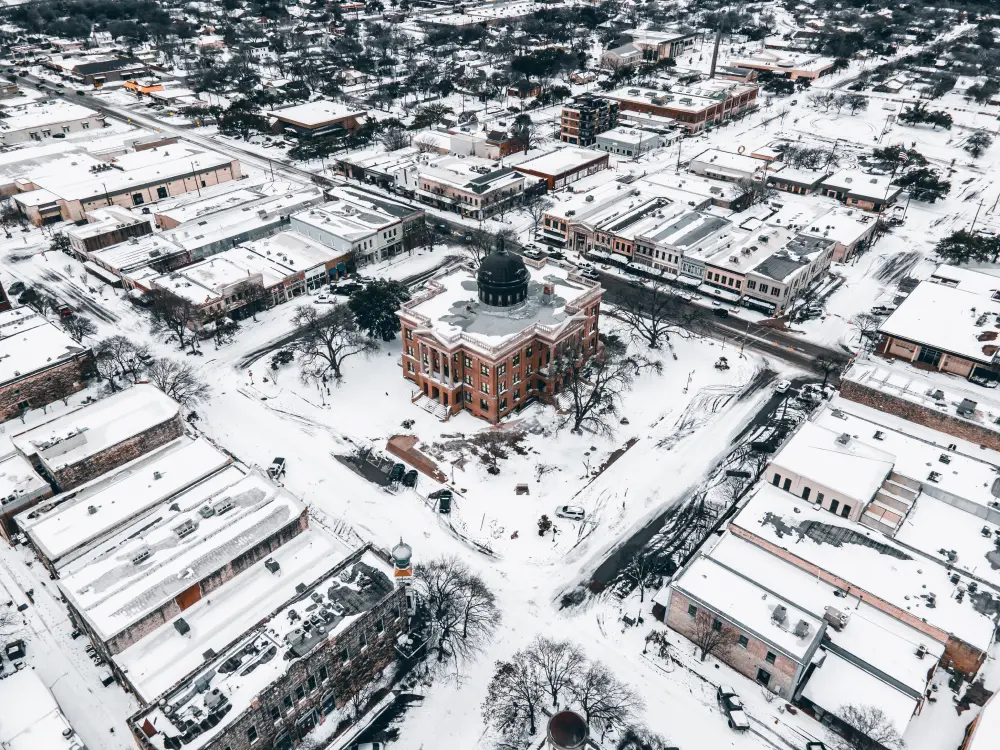
Texas is not always equipped for prolonged or severe winter weather. Power grids can be strained during extreme cold, as seen in past events, leading to widespread outages. Roadways, particularly in urban areas, may not have extensive snowplow fleets, and icy conditions can cause significant traffic disruptions. Many Texans are accustomed to milder winters and may not have adequate cold-weather gear or experience driving in snow and ice.
Outdoor Activities and Tourism
For travelers, the question of “How cold is it in Texas?” directly impacts planning outdoor activities. While some hardy souls might embrace the chill, most prefer to enjoy the milder periods. Popular destinations like Six Flags Fiesta Texas or outdoor adventures in the Texas Hill Country might be less appealing or even temporarily closed during severe cold spells. Conversely, some activities, like visiting the ice sculptures at the San Antonio River Walk during holiday seasons, are inherently winter-themed.
Local Culture and Winter Traditions
Despite its reputation for heat, Texas has developed its own winter traditions. Holiday lights displays illuminate cities like Houston and Dallas throughout the colder months. Cozying up with a bowl of Texas chili is a popular pastime. While beach towns along the Texas coast might see fewer visitors, they still offer a bracing, albeit cooler, experience. Skiing and snowboarding are not typical Texan winter pursuits, but unique frosty landscapes can be found in certain areas, offering a different kind of winter beauty.
Packing for a Texas Winter
Given the variability, packing for a Texas winter requires a layered approach and an understanding of where in the state you’ll be.
Essential Layers
Regardless of the specific region, a good base layer is advisable. Long-sleeved shirts and thermal underwear can be invaluable. For the upper body, sweaters, fleeces, and a medium-weight jacket are recommended for most of the state. A heavier, insulated coat might be necessary for the Panhandle or during a severe cold snap elsewhere.
Accessories and Footwear
Don’t forget accessories. A warm hat, gloves, and a scarf can make a significant difference, especially during windy conditions or when temperatures drop sharply. Comfortable, closed-toe shoes are essential. If you anticipate encountering ice or snow, waterproof boots with good traction are a wise choice. Even in milder parts of Texas, a chilly evening can feel surprisingly cold, so having these items readily available is key to enjoying your stay.
Staying Informed About Texas Weather
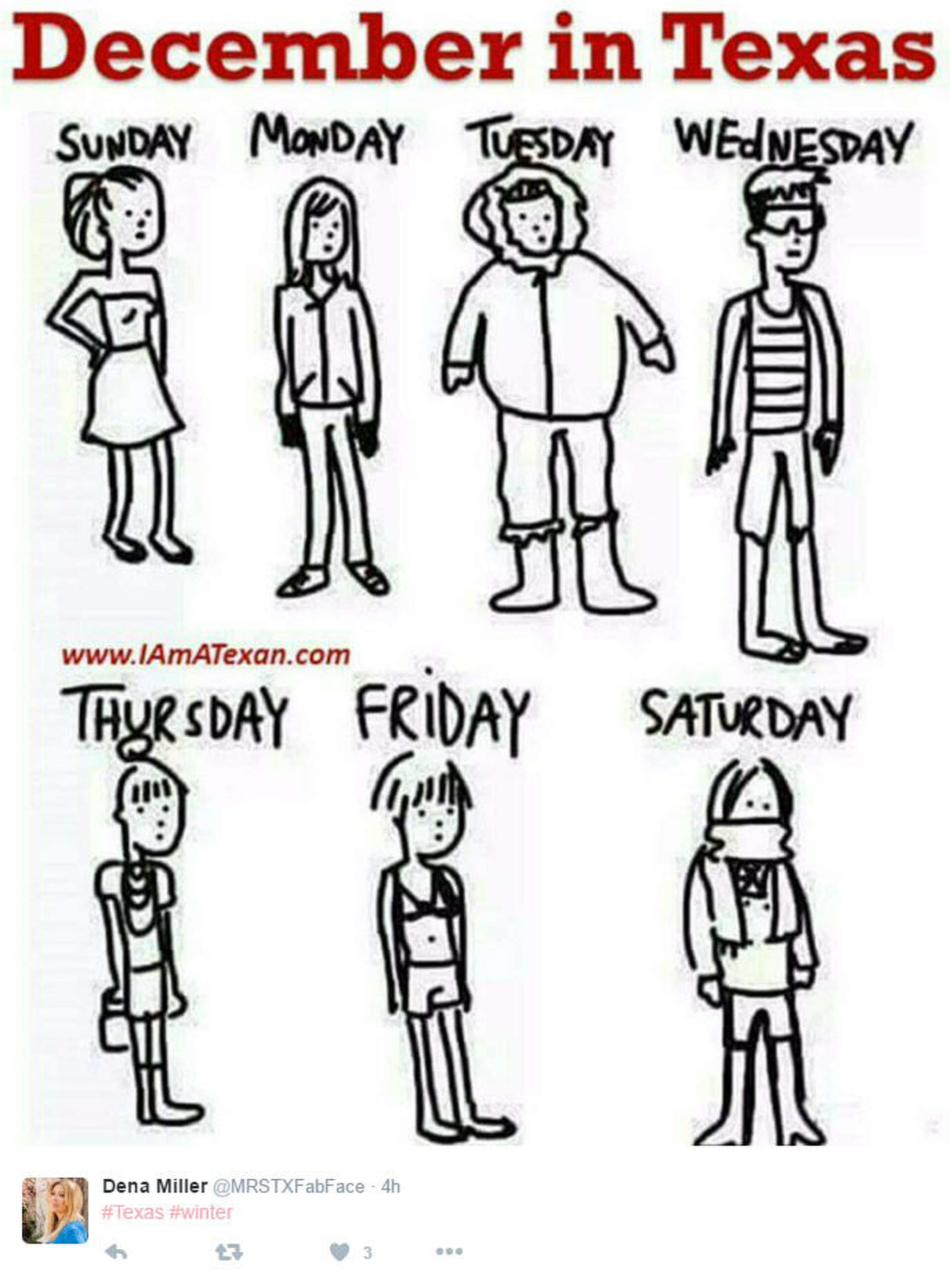
The most important tip for navigating Texas winters is to stay informed about current weather conditions and forecasts. Conditions can change rapidly, and what was a mild day can turn frigid overnight.
Reliable Weather Resources
Utilize reputable weather services, local news outlets, and official state emergency management websites for the most accurate and up-to-date information. Pay attention to weather advisories and warnings, especially during periods of extreme cold or potential ice accumulation. The National Weather Service is an excellent resource for detailed forecasts and alerts across the state.
Planning Around the Weather
By understanding the diverse climates within Texas and the factors that influence its winter weather, visitors and residents can better prepare for “how cold is it in Texas?” and enjoy the unique beauty and experiences the state offers, even during its coolest months. Whether you’re seeking the mild warmth of the coast or bracing for the possibility of frost in the plains, a well-prepared traveler is an equipped traveler.
LifeOutOfTheBox is a participant in the Amazon Services LLC Associates Program, an affiliate advertising program designed to provide a means for sites to earn advertising fees by advertising and linking to Amazon.com. Amazon, the Amazon logo, AmazonSupply, and the AmazonSupply logo are trademarks of Amazon.com, Inc. or its affiliates. As an Amazon Associate we earn affiliate commissions from qualifying purchases.