
Evicting a tenant in Texas, while a necessary process for landlords facing specific circumstances, is governed by a strict set of legal procedures. Understanding these regulations is paramount to ensuring a smooth and lawful eviction, thereby protecting your property rights and avoiding potential legal entanglements. This guide will navigate you through the essential steps involved in the Texas eviction process, focusing on the legal framework and practical considerations for property owners.
Understanding the Grounds for Eviction in Texas
Before initiating any eviction proceedings, it is crucial to establish valid legal grounds. In Texas, landlords cannot simply evict a tenant at will. The Texas Property Code outlines specific reasons that justify the termination of a lease agreement and subsequent eviction. These grounds are primarily centered around the tenant’s failure to uphold their lease obligations or violations of the law.
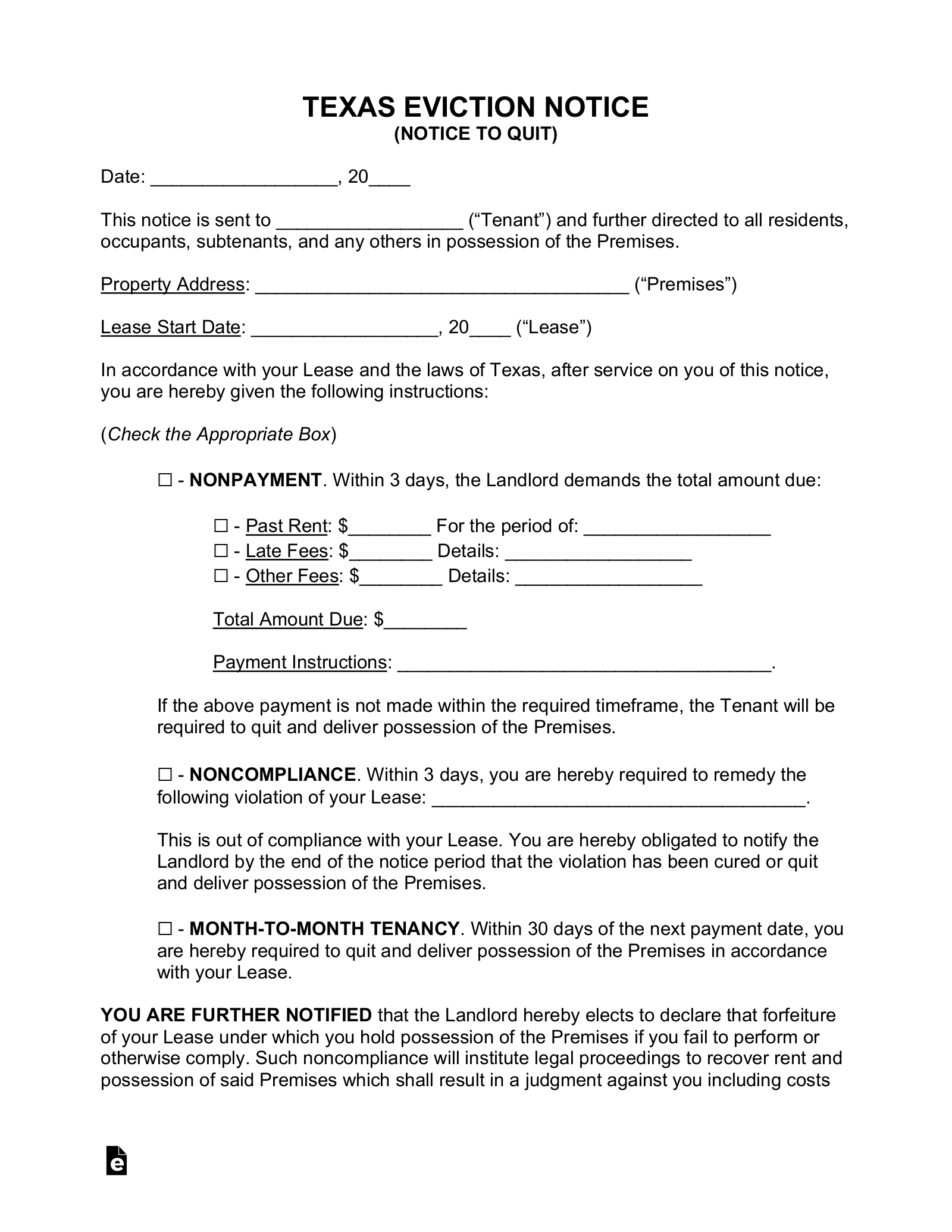
Non-Payment of Rent
The most common reason for eviction is the tenant’s failure to pay rent as stipulated in the lease agreement. This includes partial payments that do not satisfy the full amount due. Landlords must meticulously document all rent payments and any arrears.
Lease Violations
Beyond rent, a tenant may be evicted for violating other terms of the lease. This can include:
- Subletting without permission: If the lease prohibits subletting or requires landlord consent, unauthorized subletting is a ground for eviction.
- Damaging the property: Tenants have a responsibility to maintain the property in good condition. Significant damage beyond normal wear and tear, caused by the tenant or their guests, can lead to eviction.
- Disturbing the peace: Engaging in illegal activities on the property or creating a nuisance that disturbs other residents or neighbors can also be grounds for eviction.
- Illegal activity: Conducting or facilitating illegal activities on the leased premises is a serious breach of the lease and warrants immediate eviction.
Lease Expiration
If a lease is for a fixed term, and the tenant remains in possession after the lease expires without a new agreement or renewal, the landlord can initiate eviction proceedings. This is often referred to as a “holdover tenant.”
Landlord’s Intent to Occupy
In certain situations, a landlord may have the right to evict a tenant if they intend to occupy the property themselves or move a close family member into it. This is typically subject to specific notice requirements and lease terms.
The Eviction Process in Texas: Step-by-Step
The eviction process in Texas is a formal legal procedure that must be followed precisely. Deviating from these steps can result in the dismissal of your case and potential legal repercussions.
Step 1: Serving a Written Notice to Vacate
The first formal step in the eviction process is to provide the tenant with a written Notice to Vacate. This notice must clearly state the reason for eviction and provide a specific timeframe for the tenant to vacate the premises. The required notice period varies depending on the reason for eviction and the terms of the lease.
- For non-payment of rent: Typically, a three-day notice is required. This notice demands that the tenant pay the overdue rent or vacate the property within three days. The day the notice is served does not count towards the three days.
- For lease violations: For other lease violations, the notice period can vary, often being 30 days, but it is crucial to consult the lease agreement and Texas Property Code § 24.005 for exact requirements.
The notice must be served correctly. Acceptable methods include personal delivery to the tenant, leaving it with another occupant of suitable age and discretion, or posting it conspicuously on the property (e.g., on the front door) if personal service is unsuccessful after a diligent attempt. It is highly recommended to send a copy via certified mail to provide proof of mailing.
Step 2: Filing an Eviction Lawsuit (Forcible Entry and Detainer)
If the tenant does not vacate the property by the deadline specified in the Notice to Vacate, the landlord can then file an eviction lawsuit, also known as a Forcible Entry and Detainer (FED) or a suit for eviction, in the appropriate Justice of the Peace Court.
- Jurisdiction: The lawsuit must be filed in the county and precinct where the property is located.
- The Petition: The landlord, or their attorney, will file a petition that includes:
- The names of the landlord and tenant(s).
- A description of the property.
- The legal grounds for eviction.
- A statement that proper notice was given.
- A request for possession of the property.
Step 3: Serving the Tenant with a Citation and Petition
Once the lawsuit is filed, the court will issue a Citation, which is a formal notice to the tenant that a lawsuit has been filed against them. The tenant must be legally served with both the Citation and a copy of the Petition. This service must be performed by a constable or a sheriff’s deputy, or a private process server authorized by the court. Personal service is preferred, but substituted service may be permitted under certain circumstances.

The Citation will inform the tenant of the date and time of the eviction hearing. In Texas, tenants typically have a very short period to respond, often just five days after being served.
Step 4: The Eviction Hearing
If the tenant fails to respond or appear in court by the deadline, the landlord can request a default judgment, and the court may grant possession of the property to the landlord.
If the tenant does appear, an eviction hearing will be scheduled. During the hearing, both the landlord and the tenant will have the opportunity to present their case, evidence, and witnesses.
- Landlord’s Burden: The landlord must prove that they have followed all legal procedures, including proper notice and valid grounds for eviction.
- Tenant’s Defense: The tenant may present defenses, such as arguing that the rent was paid, that the lease was not violated, or that the landlord did not follow proper procedures.
Step 5: Obtaining a Judgment for Possession
If the court rules in favor of the landlord, it will issue a Judgment for Possession. This judgment officially grants the landlord the legal right to regain possession of the property. The judgment will typically specify a date by which the tenant must vacate.
Step 6: Writ of Possession
If the tenant still refuses to leave the property after the judgment is issued, the landlord cannot physically remove them. Instead, the landlord must request a Writ of Possession from the court. This is a court order directed to the constable or sheriff, authorizing them to physically remove the tenant and their belongings from the property.
Once the Writ of Possession is issued, the constable or sheriff will post a notice on the property, typically 24 to 72 hours before they will execute the writ and remove the tenant. This is the final step in the legal eviction process.
Important Considerations for Landlords
Navigating the eviction process requires diligence and a thorough understanding of Texas landlord-tenant laws.
Lease Agreements
A well-drafted lease agreement is your first line of defense. It should clearly outline the terms of tenancy, rent payment schedules, late fees, rules regarding property use, and conditions for lease termination. Ensure your lease complies with all Texas Property Code provisions.
Documentation
Maintain meticulous records of all communications with the tenant, rent payments, notices served, and any incidents that might serve as grounds for eviction. This documentation is crucial evidence if your case goes to court.
Legal Counsel
While it is possible to represent yourself in an eviction case, especially in Justice of the Peace Court, consulting with an attorney experienced in Texas landlord-tenant law is highly recommended. An attorney can ensure all procedures are followed correctly, advise on potential defenses, and represent you in court, significantly increasing your chances of a successful and lawful eviction.
“Self-Help” Eviction is Illegal
Under no circumstances should a landlord attempt to evict a tenant through “self-help” measures. This includes changing locks, shutting off utilities, removing the tenant’s belongings, or physically forcing the tenant out. Such actions are illegal in Texas and can result in severe penalties and civil lawsuits against the landlord. The legal eviction process must be followed strictly.
Dealing with Tenant Property
After a lawful eviction, if the tenant leaves personal property behind, specific procedures must be followed for its removal and storage. You cannot simply dispose of the property. Texas law requires landlords to provide notice to the tenant regarding their abandoned property and to store it for a specified period.
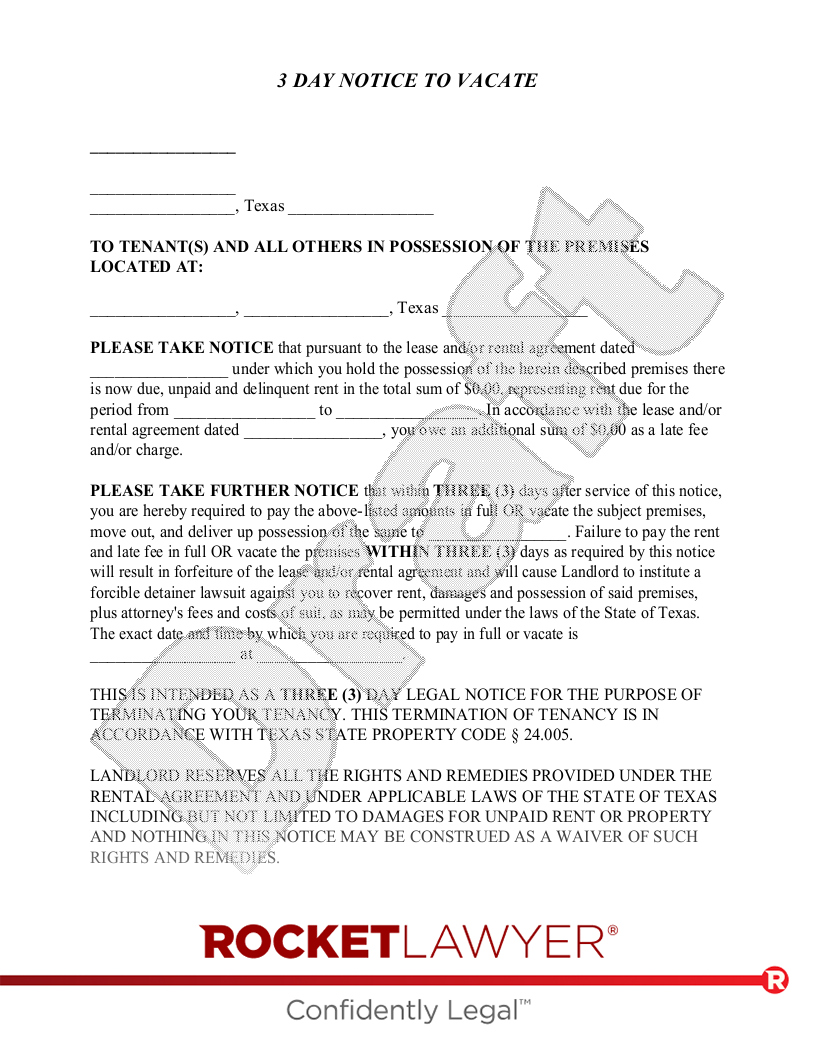
Abandoned Properties
If a tenant abandons the property without notice and without paying rent, the eviction process may still be necessary to regain legal possession, even if the property is empty. The specific procedures for abandoned properties can vary, so consulting legal advice is beneficial.
By adhering to the legal framework, maintaining thorough documentation, and seeking professional guidance when necessary, landlords in Texas can effectively navigate the eviction process while upholding their rights and responsibilities.
LifeOutOfTheBox is a participant in the Amazon Services LLC Associates Program, an affiliate advertising program designed to provide a means for sites to earn advertising fees by advertising and linking to Amazon.com. Amazon, the Amazon logo, AmazonSupply, and the AmazonSupply logo are trademarks of Amazon.com, Inc. or its affiliates. As an Amazon Associate we earn affiliate commissions from qualifying purchases.