
Navigating the landscape of assistance programs can often feel like deciphering a complex map. For residents of Texas, understanding eligibility requirements for crucial support systems, such as the Supplemental Nutrition Assistance Program (SNAP), commonly known as food stamps, is the first step towards securing vital nutritional resources. This guide aims to demystify the qualification process, breaking down the key criteria and application procedures for this essential program.
Understanding the Supplemental Nutrition Assistance Program (SNAP) in Texas
The Supplemental Nutrition Assistance Program (SNAP) is a federal program administered at the state level, designed to help low-income individuals and families purchase food. In Texas, this program is managed by the Texas Health and Human Services Commission (HHSC). The primary goal of SNAP is to combat food insecurity by providing financial assistance that supplements a household’s food budget, ensuring access to nutritious meals. Eligibility is determined based on a household’s financial situation, specifically its income and certain allowable expenses, as well as household size and composition. The benefits are provided on an electronic benefit transfer (EBT) card, which can be used like a debit card at authorized retailers across the state.
Key Eligibility Factors
Qualifying for SNAP benefits in Texas hinges on several core factors that HHSC meticulously evaluates. These include income limits, asset limits, household composition, and work requirements. Each of these components plays a significant role in determining whether an individual or family meets the program’s criteria for assistance. Understanding these factors is crucial for a successful application.
Income Limits
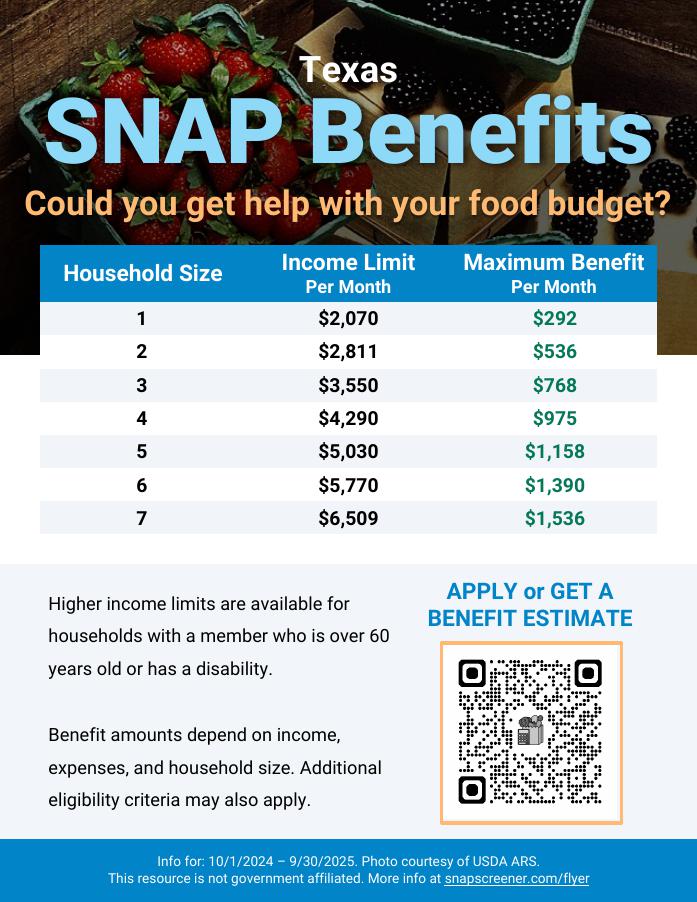
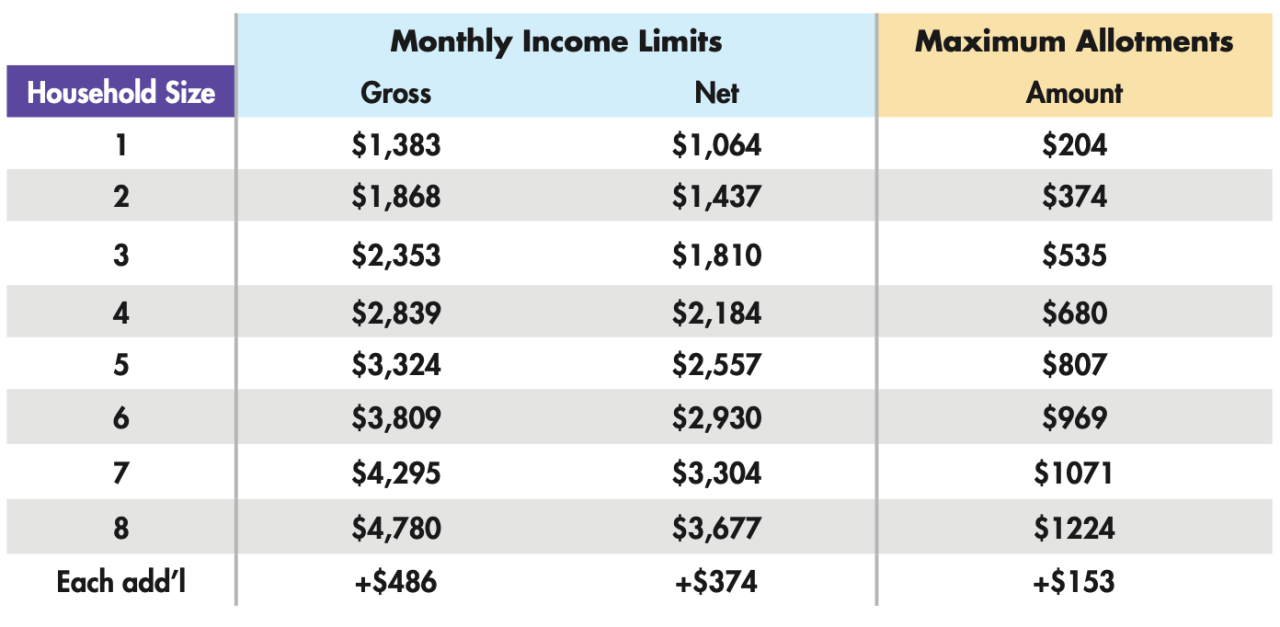
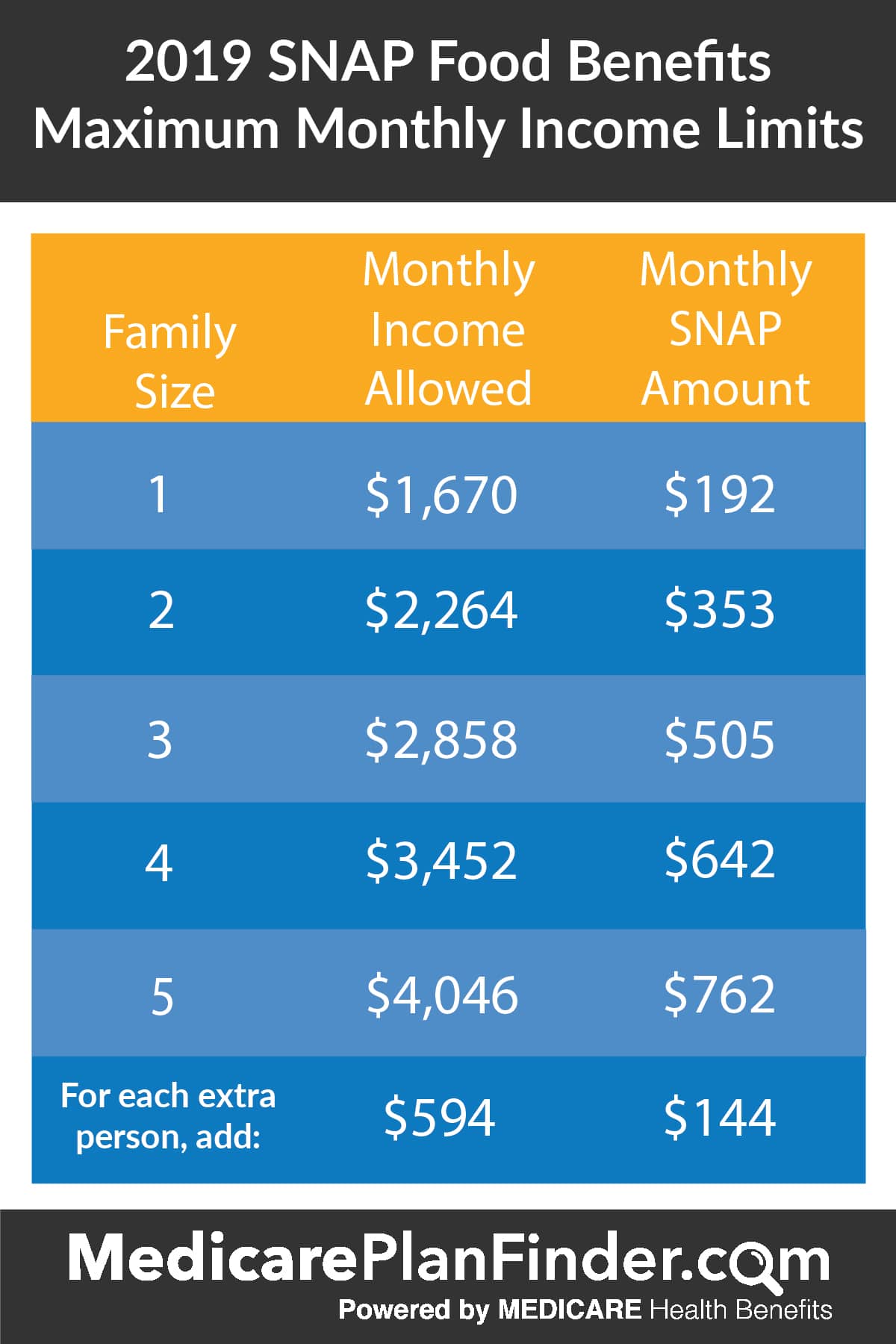
The most significant factor in SNAP eligibility is household income. Benefits are calculated based on a percentage of the federal poverty level. Households must meet both gross and net income tests.
- Gross Income: This refers to the total income a household receives before any deductions are taken. For most households, the gross monthly income cannot exceed 130% of the federal poverty guideline for their household size. This percentage fluctuates annually based on poverty levels.
- Net Income: This is the income remaining after certain deductions are applied. These deductions can include a standard deduction, a dependent care deduction, medical expenses for elderly or disabled individuals, and shelter costs that exceed half of the household’s net income. For most households, the net monthly income cannot exceed 100% of the federal poverty guideline. However, households with elderly or disabled members may be exempt from the net income test.
HHSC provides detailed charts outlining these income limits, which are updated regularly. It is important to refer to the most current guidelines when assessing eligibility. The definition of “household” for SNAP purposes is also specific, typically referring to individuals who live together and customarily purchase and prepare meals together.
Asset Limits
In addition to income, households may also be subject to asset limits. Assets are resources that a household owns, such as cash, checking and savings accounts, stocks, and bonds. However, certain assets are excluded from consideration, including the home in which the household resides, one vehicle per adult household member (with some exceptions), and retirement accounts.
For most households, the total value of countable assets must not exceed $2,500. For households with at least one member aged 60 or older, or who is disabled, this asset limit is higher, typically $3,750. These limits are also subject to change, so verifying the current thresholds with HHSC is advisable.
Household Composition and Special Circumstances
The composition of the household plays a role in determining eligibility and benefit amounts. This includes the number of individuals in the household, whether they are children, adults, elderly, or disabled, and their relationships to one another. Certain categories of individuals may face additional requirements or have different eligibility rules.
- Able-Bodied Adults Without Dependents (ABAWDs): These individuals, generally between the ages of 18 and 49, are subject to work requirements. They can receive SNAP benefits for only three months in a 36-month period unless they meet certain work requirements, such as working 20 hours per week, participating in a work program, or meeting specific exemption criteria.
- Elderly or Disabled Household Members: Households with members who are 60 years or older or who have a disability often have less stringent income and asset requirements and may be exempt from work requirements.
- Students: College students often face specific rules for eligibility, which can be complex. Generally, they must meet certain criteria related to work, enrollment status, or participation in a work-study program.
Work Requirements
As mentioned, certain adult SNAP recipients, specifically ABAWDs, must meet work requirements to continue receiving benefits beyond a limited period. These requirements are designed to encourage self-sufficiency and can include engaging in employment, job search activities, or participating in approved work or training programs. HHSC provides information on these requirements and available programs to assist recipients in meeting them. Exemptions to these work requirements are available for individuals who are medically certified as physically or mentally unfit for employment, caring for a dependent child or incapacitated person, or are already participating in a substance abuse treatment program.
The Application Process for SNAP in Texas
Applying for SNAP benefits in Texas involves a clear, albeit detailed, process. The Texas Health and Human Services Commission (HHSC) oversees applications and can be accessed through multiple channels, offering convenience to applicants. Familiarizing yourself with the steps involved can streamline the process and ensure all necessary information is provided accurately.
How to Apply
There are several convenient ways to apply for SNAP benefits in Texas:
- Online Application: The most common and often fastest method is to apply through the HHSC website. Applicants can create an account, fill out the application form electronically, and upload supporting documents. This method allows for submission at any time, day or night.
- In-Person Application: Individuals can visit a local HHSC benefit office to apply in person. This option is beneficial for those who prefer face-to-face assistance or who may not have reliable internet access. A list of office locations can be found on the HHSC website.
- By Mail or Fax: Applications can also be downloaded from the HHSC website, filled out, and then mailed or faxed to the relevant HHSC office.
- By Phone: While not a direct application submission method, individuals can call HHSC to request an application be mailed to them or to receive assistance with the process.
Regardless of the method chosen, applicants will need to provide accurate and complete information about their household.
Required Documentation
To support your SNAP application, you will need to provide various documents to verify your eligibility. HHSC requires proof of identity, residency, income, expenses, and assets. The specific documents needed can vary depending on individual circumstances, but common requirements include:
- Proof of Identity: A driver’s license, state-issued ID, or passport for all adult household members.
- Proof of Residency: Utility bills, lease agreements, or other official mail showing your current address in Texas.
- Proof of Income: Pay stubs, employer statements, or benefit award letters for all household members. This includes earned income, unemployment benefits, child support, and any other source of income. If you are self-employed, you may need to provide tax returns or business records.
- Proof of Expenses: Receipts or statements for significant deductible expenses, such as rent or mortgage payments, utilities, medical expenses for elderly or disabled individuals, and child care costs.
- Proof of Assets: Bank statements, brokerage account statements, and other documentation for any countable assets.
- Social Security Numbers: Social Security cards for all household members.
- Citizenship or Immigration Status: Documentation verifying the immigration status of non-U.S. citizens in the household.
It is crucial to gather these documents before starting your application to ensure a smooth and timely process. Incomplete applications can lead to delays or denial of benefits.
The Interview and Decision Process
Once your application is submitted, HHSC will review it and may schedule an interview. This interview is typically conducted by phone or in person and is an opportunity for the caseworker to clarify information on your application, ask additional questions, and explain the SNAP program rules and your responsibilities. Be prepared to discuss your household’s financial situation, living arrangements, and any other relevant details.
After the interview and review of all submitted documentation, HHSC will make a decision on your eligibility. If approved, you will be notified of your benefit amount and the start date of your benefits. You will also receive an EBT card by mail. If your application is denied, you will receive a written explanation detailing the reasons for the denial and information on how to appeal the decision if you disagree. The typical processing time for a SNAP application is 30 days from the date of application, although expedited processing is available for households facing imminent food emergencies.
Maximizing Your SNAP Benefits and Maintaining Eligibility
Once you have qualified for and are receiving SNAP benefits, it is important to understand how to use them effectively and what is required to maintain your eligibility. This involves understanding the rules surrounding benefit usage, reporting changes in your household, and adhering to any specific program requirements.
Using Your SNAP Benefits Wisely
Your SNAP benefits are provided on an EBT card, often referred to as a Lone Star Card in Texas. These cards work like debit cards and can be used at most grocery stores, convenience stores, and farmers’ markets that accept them.
- What You Can Buy: SNAP benefits are intended to purchase eligible food items. This includes fruits, vegetables, meats, poultry, fish, dairy products, bread, cereals, and other staple foods. You can also use SNAP benefits to purchase seeds and plants with the expectation of growing your own food.
- What You Cannot Buy: SNAP benefits cannot be used to purchase non-food items such as household supplies (e.g., cleaning products, toiletries), pet food, paper products, or alcoholic beverages. They also cannot be used to purchase prepared hot foods or food intended to be eaten on-premises, such as at a deli counter within a grocery store.
- Farmers’ Markets and SNAP: Many farmers’ markets across Texas accept EBT cards, and some even offer incentive programs, such as “Double Up Food Bucks,” where your SNAP dollars are matched, allowing you to purchase more fresh produce.
Reporting Changes to HHSC
It is a requirement for all SNAP recipients to report certain changes in their household circumstances to HHSC within 10 days of the change occurring. Failure to report changes can lead to overpayments, which may need to be repaid, or even disqualification from the program. Key changes that must be reported include:
- Income Changes: Any increase or decrease in household income, including new jobs, loss of employment, or changes in wages.
- Household Size Changes: The addition or removal of household members, such as through marriage, divorce, birth of a child, or a family member moving out.
- Address Changes: Moving to a new residence within Texas.
- Significant Changes in Expenses: A substantial increase or decrease in shelter costs (rent or mortgage), child care expenses, or medical expenses for elderly or disabled members.
You can report these changes through your online HHSC account, by phone, or by visiting a local benefit office. Keeping HHSC informed ensures your benefits are accurately calculated and helps you maintain your eligibility.
Re-certification and Continuing Eligibility
SNAP benefits are not permanent. Households must re-certify their eligibility periodically, typically every 6 or 12 months, depending on their circumstances. You will receive a notice from HHSC when it is time to re-certify, along with instructions on what information and documentation are needed. This process usually involves completing a re-certification application and possibly attending another interview.
Continuing eligibility depends on consistently meeting the program’s income, asset, and work requirements, as well as reporting any changes as required. By staying informed and proactive, households can ensure continued access to this vital nutritional support.
Additional Resources and Support
Navigating the SNAP application and ongoing requirements can sometimes be challenging. Fortunately, Texas offers various resources to assist individuals and families. Understanding where to turn for help can make a significant difference in successfully accessing and utilizing SNAP benefits.
HHSC Contact Information and Online Resources
The Texas Health and Human Services Commission (HHSC) is the primary agency responsible for SNAP in Texas. Their website is an invaluable resource for program information, application forms, eligibility calculators, and office locators.
- Website: Texas HHSC (a general link, as a specific one wasn’t provided for the organization, but linking to the state agency is appropriate)
- Phone: You can call the HHSC Benefits Program at 2-1-1 or 1-877-541-7905. This helpline can provide information about SNAP and other assistance programs, help with application questions, and direct you to local resources.
HHSC also offers online portals where applicants can check the status of their application, submit documents, and manage their benefits once approved. Familiarizing yourself with these online tools can empower you to stay informed and manage your case efficiently.
Community Organizations and Food Banks
Beyond the official government channels, numerous community organizations and food banks throughout Texas play a crucial role in supporting individuals and families facing food insecurity. While these organizations do not administer SNAP benefits, they can offer invaluable assistance:
- Application Assistance: Many local non-profits and community action agencies provide free assistance with the SNAP application process. They can help you understand the requirements, gather necessary documents, and complete the application accurately.
- Food Pantries and Soup Kitchens: These resources provide immediate relief from hunger by offering free groceries or prepared meals. They can be a lifeline while you are waiting for your SNAP application to be processed or if your benefits are temporarily insufficient.
- Nutritional Education and Cooking Classes: Some organizations offer programs that teach recipients how to make the most of their SNAP benefits, plan healthy meals on a budget, and prepare nutritious dishes.
Searching for local food banks and community support services in your specific Texas city or county can connect you with these vital resources. Organizations like the Feeding America network have affiliates across the state that can be a starting point for finding local assistance.
By leveraging these resources, individuals and families in Texas can better navigate the complexities of qualifying for and utilizing SNAP benefits, ensuring access to nutritious food and improving overall well-being.
LifeOutOfTheBox is a participant in the Amazon Services LLC Associates Program, an affiliate advertising program designed to provide a means for sites to earn advertising fees by advertising and linking to Amazon.com. Amazon, the Amazon logo, AmazonSupply, and the AmazonSupply logo are trademarks of Amazon.com, Inc. or its affiliates. As an Amazon Associate we earn affiliate commissions from qualifying purchases.