
Navigating the process of obtaining a medical cannabis prescription in Texas, often referred to as a “weed card,” involves understanding the state’s specific regulations and program structure. Unlike many other states that offer broad medical cannabis access, Texas operates under a more restricted framework through the Texas Compassionate Use Program (TCUP). This program allows eligible patients with specific qualifying medical conditions to access low-THC cannabis products. The journey from understanding eligibility to receiving your prescription requires careful attention to detail and adherence to the established protocols.
Understanding Texas Compassionate Use Program (TCUP)
The Texas Compassionate Use Program, established by the Texas Legislature in 2015, is the framework through which Texans can legally obtain low-THC cannabis for medical purposes. It’s crucial to understand that TCUP is not a “card” in the traditional sense, but rather a physician’s prescription logged into a secure state registry. This registry is accessible to licensed dispensing organizations within Texas.

Qualifying Medical Conditions
Eligibility for TCUP is strictly defined by a list of qualifying medical conditions. Initially, the program was limited to patients with epilepsy or other seizure disorders. However, legislative updates have expanded the list to include a broader range of debilitating conditions. As of recent legislative changes, these conditions may include:
- Epilepsy and other seizure disorders: This was one of the original qualifying conditions.
- Multiple sclerosis: Patients diagnosed with MS may be eligible.
- Spasticity: Conditions characterized by involuntary muscle stiffness and contractions.
- Terminal cancer: Patients diagnosed with cancer with a prognosis of six months or less to live.
- Incurable neurological disease: This category can encompass a range of progressive neurological disorders.
- Autism spectrum disorder: Certain cases of ASD may qualify.
- Post-traumatic stress disorder (PTSD): This condition was added more recently.
- Any other medical condition approved by the Texas Legislature: The program allows for future expansion of qualifying conditions through legislative action.
It is important to note that the list of qualifying conditions can evolve. Patients should always refer to the most up-to-date information provided by the Texas Department of Public Safety (DPS), which oversees TCUP.
Low-THC Cannabis Defined
Texas law defines low-THC cannabis as cannabis with a tetrahydrocannabinol (THC) concentration that does not exceed 0.5% by weight. The program focuses on providing access to products that offer therapeutic benefits without the psychoactive effects typically associated with higher THC concentrations found in recreational cannabis. This distinction is fundamental to understanding the scope and intent of TCUP.
The Prescription Process: Step-by-Step
Obtaining a prescription under TCUP involves a direct interaction with a licensed physician and a clear diagnosis of a qualifying condition. There is no application process for patients to submit to the state. Instead, the physician plays the central role in determining eligibility and issuing the prescription.
1. Find a TCUP-Certified Physician
The first and most critical step is to find a physician who is registered with the Texas Department of Public Safety to prescribe low-THC cannabis. These physicians have undergone specific training and are authorized to diagnose and recommend treatment under TCUP. You cannot get a prescription from any doctor; they must be specifically licensed for this program.
- Physician Search: The Texas Department of Public Safety website is the primary resource for locating a certified physician. They maintain a searchable database of registered physicians across the state.
- Specialty: Physicians participating in TCUP often specialize in neurology, oncology, pediatrics, or psychiatry, depending on the qualifying condition. However, some primary care physicians may also be certified.
- Consultation: Schedule an appointment with a certified physician to discuss your medical history and current condition. Be prepared to provide thorough documentation related to your diagnosis.
2. Medical Evaluation and Diagnosis
During your consultation, the physician will conduct a comprehensive medical evaluation to determine if your condition qualifies you for TCUP. This will involve:

- Review of Medical Records: Bring all relevant medical records, including diagnostic reports, test results, and previous treatment history. This documentation is crucial for substantiating your diagnosis.
- Physical Examination: The physician will perform a physical examination as necessary for your condition.
- Discussion of Symptoms and History: Be ready to discuss your symptoms, their severity, and how they impact your daily life.
- Confirmation of Qualifying Condition: The physician will assess whether your condition meets the criteria outlined by TCUP. If you have a condition not explicitly listed but believe it is debilitating and similar to those that qualify, discuss this with your physician.
3. Physician Enters Prescription into the Registry
If the physician determines that you are eligible for TCUP, they will enter your prescription directly into the secure Texas Unified Cannabis Tracking System (TUTCS). This system is managed by the Texas Department of Public Safety.
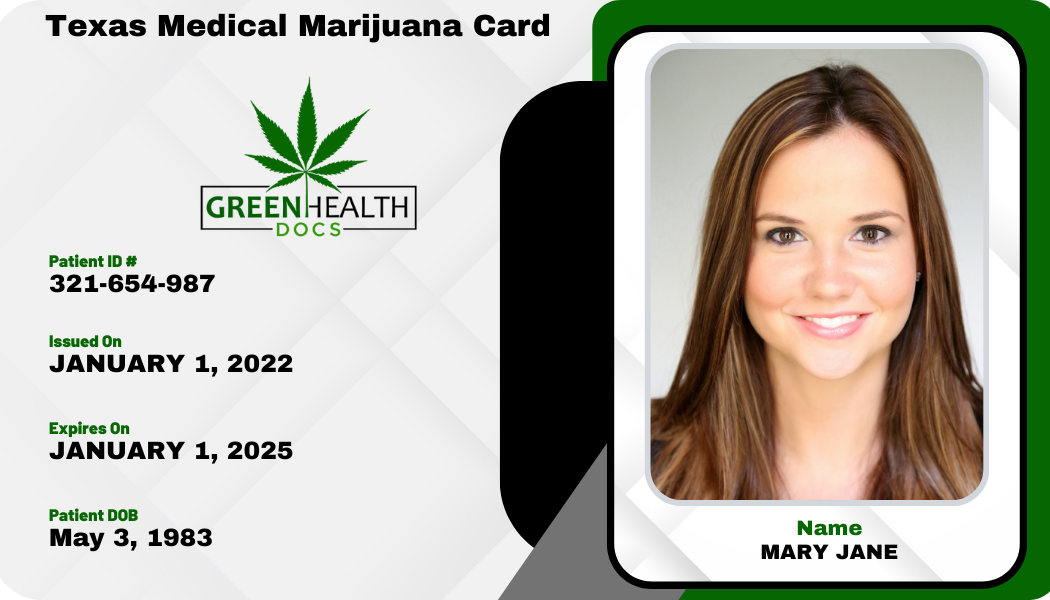
- No Physical Card: It is vital to reiterate that you will not receive a physical “medical weed card.” Your prescription is linked to your identity in the TUTCS.
- Patient Registration: When the physician enters your prescription, you will be automatically registered in the TUTCS. You will need to provide your Texas Driver’s License or Texas Identification Certificate number during this process, as this is used for verification.
- Prescription Details: The physician will specify the recommended dosage, the form of low-THC cannabis (e.g., oil, tincture), and the duration of the prescription.
4. Accessing Your Prescription at a Licensed Dispensing Organization
Once your prescription is logged into the TUTCS, you can purchase low-THC cannabis products from licensed dispensing organizations in Texas.
- Licensed Dispensaries: Texas has a limited number of licensed dispensing organizations. These facilities are authorized by the state to cultivate, process, and dispense low-THC cannabis products.
- Verification: When you visit a dispensing organization, you will need to provide your Texas Driver’s License or Texas Identification Certificate. The dispensary staff will use this information to access your prescription in the TUTCS and verify your identity and eligibility.
- Product Selection: Based on your physician’s prescription, the dispensary staff can guide you through the available product options. These typically include various forms of tinctures, oils, and edibles.
Important Considerations and Program Details
Navigating TCUP requires awareness of specific program details, renewal processes, and legalities. Understanding these aspects ensures a smooth and compliant experience.
Prescription Renewal
TCUP prescriptions are not permanent and must be renewed periodically. The duration of a prescription is determined by the prescribing physician, typically ranging from 150 days to one year.
- Physician’s Discretion: The prescribing physician will set the renewal timeframe. It’s essential to keep track of your prescription’s expiration date.
- Follow-up Appointments: Schedule a follow-up appointment with your TCUP-certified physician well before your prescription expires to ensure uninterrupted access to medication.
- Re-evaluation: The physician will re-evaluate your condition and may conduct further examinations to determine if a renewal is appropriate.
Legal Limitations and Patient Responsibilities
While TCUP provides legal access to low-THC cannabis, it is essential to understand the program’s limitations and your responsibilities as a patient.
- Possession Limits: There are specific limits on the amount of low-THC cannabis a patient can legally possess, as defined by Texas law.
- Authorized Use: The prescription is for your personal medical use only and cannot be shared with others, even if they have a qualifying condition.
- Transportation: Understand the rules regarding the transportation of low-THC cannabis within Texas.
- Out-of-State Travel: Low-THC cannabis legally obtained in Texas may not be legal in other states. It is strongly advised against traveling out-of-state with any cannabis products.
- Employment and Other Restrictions: Be aware that some employers or professional licensing boards may have policies regarding cannabis use, even if it is medically prescribed.
Other Important Points
- Cost: The cost of low-THC cannabis products varies depending on the product and the dispensing organization. Insurance typically does not cover these costs.
- No Recreational Use: TCUP is exclusively for medical use. Recreational use of cannabis, regardless of THC content, remains illegal in Texas.
- Future Legislative Changes: The landscape of cannabis laws is dynamic. Stay informed about any potential changes to TCUP or broader cannabis legislation in Texas.
By understanding the specific requirements and processes of the Texas Compassionate Use Program, patients can effectively navigate their path to obtaining low-THC cannabis for qualifying medical conditions. The program’s focus on physician-led recommendations and a secure state registry ensures a controlled and compliant system for medical access.
LifeOutOfTheBox is a participant in the Amazon Services LLC Associates Program, an affiliate advertising program designed to provide a means for sites to earn advertising fees by advertising and linking to Amazon.com. Amazon, the Amazon logo, AmazonSupply, and the AmazonSupply logo are trademarks of Amazon.com, Inc. or its affiliates. As an Amazon Associate we earn affiliate commissions from qualifying purchases.