
The vast expanse of Texas holds countless treasures, from the rugged beauty of its western deserts to the vibrant cultural tapestry of its southern cities. For travelers contemplating a journey across the Lone Star State, understanding the distances between key locations is paramount to planning an efficient and enjoyable itinerary. This exploration focuses on the significant distance between two prominent Texan metropolises: El Paso, Texas, nestled on the border with Mexico, and San Antonio, Texas, a historical heartland of the state. This journey, while substantial, offers a fascinating glimpse into the diverse landscapes and experiences that define Texas.
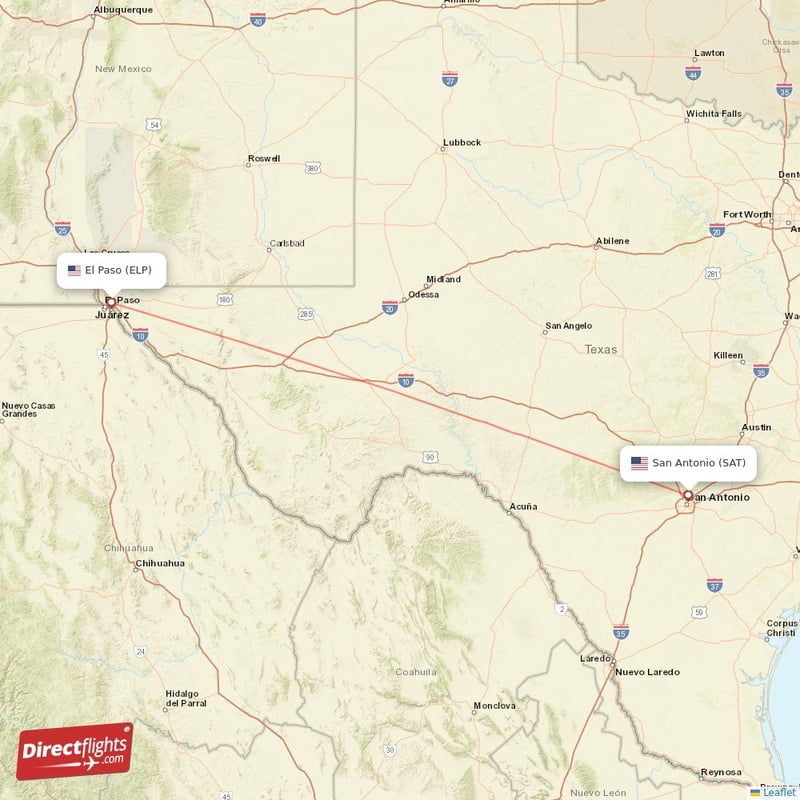
The Driving Distance and Time: Navigating the Texan Expanse
Embarking on a road trip from El Paso to San Antonio is a true Texan adventure, traversing a considerable portion of the state’s geography. The most common and practical route involves utilizing the well-maintained interstate highway system, primarily Interstate 10 (I-10), which acts as a major artery connecting the western edge of Texas to its central region.
Understanding the Kilometers and Miles
The distance between El Paso and San Antonio is approximately 560 miles (about 901 kilometers). This figure represents the shortest and most direct driving route, typically following I-10 East. It’s crucial to remember that this is the distance “as the crow flies” or the theoretical shortest path; the actual mileage driven will depend on the specific starting and ending points within each city and any minor detours or route variations chosen by the traveler.
Estimating Travel Time
Given the distance, a direct drive from El Paso to San Antonio without significant stops is estimated to take around 8 to 9 hours. This duration, however, is highly dependent on several factors:
- Traffic Conditions: While much of the drive is through rural or semi-rural areas, traffic can become a significant factor as you approach and enter larger urban centers like San Antonio.
- Road Construction: Texas is a state constantly undergoing infrastructure improvements, and unexpected road construction can lead to delays.
- Speed Limits and Driving Habits: Adhering to posted speed limits and accounting for individual driving speeds will naturally influence the total travel time.
- Weather: Texas weather can be unpredictable. While the western desert regions of El Paso experience arid conditions, the central part of the state, including San Antonio, can experience heavy rainfall, thunderstorms, and even severe weather events that could impact travel times. Driving in adverse conditions will necessitate slower speeds and potentially longer durations.
- Stops for Rest and Refueling: For a journey of this length, it is strongly recommended to factor in stops for rest, meals, and refueling. Driver fatigue is a serious safety concern, and breaking up the drive into manageable segments is essential for a safe and enjoyable trip. These stops, even brief ones, will add to the overall travel time, pushing the total journey closer to 9-10 hours or more, depending on the length and frequency of breaks.
Key Considerations for Your Cross-State Journey
Planning a drive of this magnitude requires more than just knowing the mileage. Several factors can enhance the experience and ensure a smooth transition from the arid landscapes of West Texas to the more temperate climes of the Hill Country.
Planning Your Route and Stops
The primary route, I-10 East, is generally well-maintained and offers numerous services along the way. However, for those seeking to break up the drive or experience more of Texas, strategic stops can transform a long transit into a memorable part of the trip.
- Midway Points: Towns like Fort Stockton or Junction offer practical stopping points for gas, food, and a short rest. They provide a good halfway mark for drivers to stretch their legs.
- Scenic Detours (with caution): While I-10 is the most direct route, adventurous travelers might consider slight detours. For instance, a brief foray south towards Big Bend National Park (though this adds significant time and distance and is better suited as a separate trip) or exploring smaller towns off the main highway can offer a different perspective. However, these detours must be carefully planned to avoid substantial deviations from the core goal of reaching San Antonio.
- Vehicle Preparation: Before setting off, ensure your vehicle is in excellent condition. Check tire pressure, oil levels, and coolant. A thorough inspection by a mechanic is advisable for such a long drive. Carrying an emergency kit with essentials like water, non-perishable snacks, a first-aid kit, jumper cables, and a spare tire is also prudent.
Navigating Different Texan Environments

The drive from El Paso to San Antonio showcases the dramatic environmental shifts within Texas.
- West Texas Desolation: The initial leg of the journey out of El Paso passes through vast, arid landscapes characteristic of the Chihuahuan Desert. Expect expansive vistas, sparse vegetation, and dramatic mountain ranges in the distance. Services can be few and far between in certain stretches, emphasizing the need for preparation.
- The Edwards Plateau: As you move eastward and approach the approximate halfway point, the terrain gradually begins to change. The landscape becomes slightly more rolling, and the vegetation starts to appear more varied. This region begins to hint at the transition towards the Hill Country.
- The Texas Hill Country: The final few hours leading into San Antonio will immerse you in the picturesque Texas Hill Country. This region is known for its rolling hills, clear rivers, and limestone formations. The scenery becomes more verdant, offering a stark contrast to the stark beauty of West Texas.
Alternative Modes of Transportation
While driving is the most popular method for this route, travelers also have other options for traversing the distance between El Paso and San Antonio.
Air Travel: The Fastest Option
For those prioritizing speed and convenience, flying is the most efficient solution.
- Airports: Both El Paso International Airport (ELP) and San Antonio International Airport (SAT) offer commercial flights.
- Flight Duration: Direct flights typically take around 1 hour and 20 minutes to 1 hour and 40 minutes.
- Total Travel Time: When factoring in travel to and from airports, check-in procedures, security screening, and potential flight delays, the total door-to-door travel time can still be several hours, often comparable to a highly efficient driving day with minimal stops. However, it significantly reduces the time spent physically in transit.
- Airlines and Booking: Numerous airlines operate routes between these cities. Booking in advance is generally recommended to secure the best fares.
Bus Services: A Budget-Friendly Choice
Intercity bus services offer a more economical alternative for travelers who are not in a rush and wish to save on transportation costs.
- Providers: Companies like Greyhound and FlixBus often operate routes connecting major Texas cities.
- Travel Time: Bus journeys are considerably longer than driving or flying, often taking 10 to 12 hours or even more, depending on the number of stops and the specific route taken by the bus company.
- Comfort and Amenities: Modern long-distance buses typically offer amenities such as reclining seats, Wi-Fi, and onboard restrooms. However, the experience is inherently less flexible than driving oneself.
Train Travel: A Scenic, Though Less Direct, Path
Amtrak offers passenger rail services across Texas, providing a unique perspective on the state’s landscapes. However, direct routes between El Paso and San Antonio via train are not typically the most efficient.
- Route Complexity: Passengers might need to connect through other major hubs, significantly increasing the overall travel time compared to other modes.
- Experience: Train travel can be a more relaxed and scenic way to journey, allowing passengers to observe the changing scenery without the stress of driving. However, the extended travel time makes it a less practical choice for those on a tight schedule.

Embracing the Journey: From Desert Vistas to Historic Charm
The distance between El Paso and San Antonio is more than just a number; it’s an invitation to explore the diverse soul of Texas. Whether you choose the freedom of the open road, the speed of air travel, or the deliberate pace of a bus, the journey itself offers an opportunity to witness the state’s transformation. From the stark, majestic beauty of the western desert to the rolling hills and historic allure of the Texas Hill Country, this cross-state passage is a quintessential Texan experience, highlighting the vastness and variety that make this state so captivating. Planning your travel accordingly, factoring in the distance, time, and preferred mode of transport, will ensure that your transition between these two significant Texan cities is as seamless and enriching as the destinations themselves.
LifeOutOfTheBox is a participant in the Amazon Services LLC Associates Program, an affiliate advertising program designed to provide a means for sites to earn advertising fees by advertising and linking to Amazon.com. Amazon, the Amazon logo, AmazonSupply, and the AmazonSupply logo are trademarks of Amazon.com, Inc. or its affiliates. As an Amazon Associate we earn affiliate commissions from qualifying purchases.