
The question of distance between two points is fundamental to any travel plan, and when considering a visit to the vibrant Dallas-Fort Worth Metroplex, understanding the proximity of its outlying cities is key. McKinney, Texas, a city celebrated for its historic downtown, burgeoning culinary scene, and family-friendly atmosphere, offers a distinct experience just a stone’s throw from the bustling heart of Dallas. Navigating this distance is crucial for those planning day trips, considering a base outside the urban core, or simply seeking to understand the geographical tapestry of North Texas. This exploration delves into the various facets of the journey between McKinney and Dallas, considering not only mileage but also travel time, popular routes, and the unique advantages each location offers.
The Direct Route: Distance and Driving Time
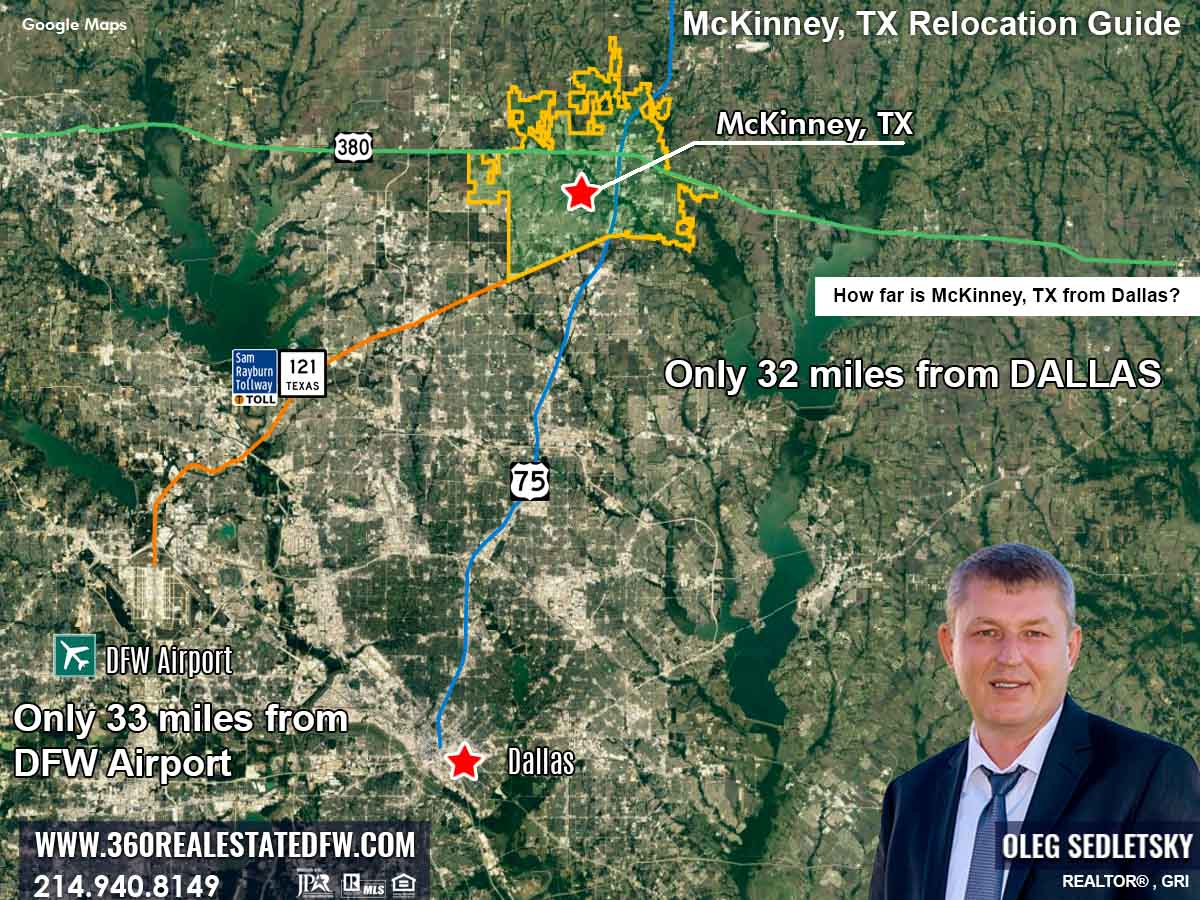
The most straightforward answer to “How far is McKinney, Texas from Dallas?” lies in its geographical position and the primary roadways connecting the two. McKinney is situated to the north of Dallas, making it a popular northern suburb. The direct driving distance typically ranges from approximately 30 to 35 miles, depending on the specific starting and ending points within each city. This relatively short distance, when compared to the vastness of other metropolitan areas, makes McKinney an accessible destination for a quick escape from the city or a convenient commute.
Navigating North Texas Highways
The primary artery for travel between Dallas and McKinney is U.S. Highway 75, also known as the North Central Expressway. This major freeway provides a direct and generally efficient route, though its traffic patterns can vary significantly throughout the day. Exiting U.S. Highway 75 at the appropriate interchange for McKinney, such as State Highway 5 or University Drive, leads directly into the city.
- Estimated Driving Time: Under normal traffic conditions, the drive from downtown Dallas to McKinney can take anywhere from 30 to 50 minutes. However, this estimate is highly susceptible to the ebb and flow of rush hour traffic. During peak commuting hours, particularly weekday mornings and afternoons, travel times can extend to an hour or more. Planning travel outside of these times is often advisable for a smoother journey.
- Alternative Routes: While U.S. Highway 75 is the most common path, alternative routes exist for those seeking to avoid potential congestion or explore different landscapes. State Highway 5 offers a more scenic, albeit slower, drive, passing through smaller communities and offering glimpses of rural North Texas. For those coming from further west in Dallas, the Sam Rayburn Tollway (State Highway 121) can also be utilized, connecting to roads that lead north towards McKinney. The choice of route often depends on the specific origin in Dallas, the time of day, and personal preference for driving style.
The Experience of Travel: Beyond the Miles
While mileage and time are quantifiable metrics, the experience of traveling between McKinney and Dallas encompasses more than just covering distance. It’s about the transition from urban intensity to suburban charm, the changing vistas, and the anticipation of what each destination offers. For residents and visitors alike, this journey is often a deliberate choice, weighing the advantages of a vibrant city center against the appeal of a more relaxed, community-focused environment.
From Urban Hub to Historic Charm
The journey north from Dallas marks a gradual shift in scenery. The towering skyscrapers and dense urban sprawl of Dallas begin to recede, replaced by an increasing prevalence of residential neighborhoods, commercial centers, and eventually, more open spaces as you approach McKinney. This transition is a subtle yet significant aspect of the travel experience, preparing the traveler for the distinct atmosphere of their destination.
- Dallas: A World of Opportunity: Dallas itself is a sprawling metropolis, a hub for business, arts, culture, and entertainment. It boasts world-class museums, a dynamic culinary scene, professional sports teams, and a constant stream of events and activities. For those originating in McKinney, a trip into Dallas might be for a specific concert at the American Airlines Center, a visit to the Dallas Museum of Art, or an evening exploring the vibrant Deep Ellum entertainment district.
- McKinney: A Taste of Small-Town Americana: McKinney offers a different, yet equally appealing, experience. Its award-winning historic downtown is a major draw, featuring beautifully preserved Victorian architecture, boutique shops, art galleries, and a plethora of dining options, from casual cafes to upscale restaurants. The city is also known for its numerous parks, community events, and a strong sense of local pride. For those seeking a more laid-back pace, McKinney provides an inviting refuge.

The Practicalities of Proximity: Planning Your Visit
Understanding the distance between McKinney and Dallas is not merely an academic exercise; it has direct implications for planning various types of visits, whether for leisure, business, or a combination of both. The proximity allows for flexibility and the ability to experience the best of both worlds within a single trip.
Day Trip Potential
The relatively short distance makes McKinney an ideal destination for a day trip from Dallas, and vice versa. A morning spent exploring the shops and cafes of downtown McKinney can be followed by an afternoon visit to a Dallas museum or a sporting event. Similarly, residents of McKinney can easily venture into Dallas for a night out, a business meeting, or a specific cultural experience without the burden of extensive travel. This accessibility enhances the overall appeal of the North Texas region for tourists and locals alike.
Accommodation Considerations
For travelers looking to balance access to Dallas’s urban attractions with a more tranquil lodging experience, McKinney presents an attractive option. While Dallas offers a vast array of hotels, from luxury high-rises to budget-friendly motels, McKinney provides its own unique accommodation choices, often with a more local flavor.
- McKinney’s Lodging Scene: While McKinney may not have the sheer volume of hotels found in Dallas, it offers comfortable and well-appointed options that cater to various needs. These can range from national chain hotels providing reliable amenities to charming bed and breakfasts that offer a more intimate experience, often located in or near the historic downtown area. Choosing to stay in McKinney can provide a more relaxed atmosphere after a day of exploring Dallas, with the added benefit of experiencing McKinney’s own vibrant evening and morning life.
- Commuting vs. Staying: The decision to stay in McKinney while primarily visiting Dallas often hinges on the traveler’s priorities. Those seeking constant access to the pulse of the city and its myriad attractions might prefer to stay within Dallas proper. However, for those who appreciate a quieter base, enjoy exploring charming small towns, or are attending events in McKinney, a hotel in McKinney can be an excellent choice. The ease of transit between the two means that a day trip back to Dallas from a McKinney hotel is entirely feasible.
The Broader Context: McKinney in the Dallas-Fort Worth Ecosystem
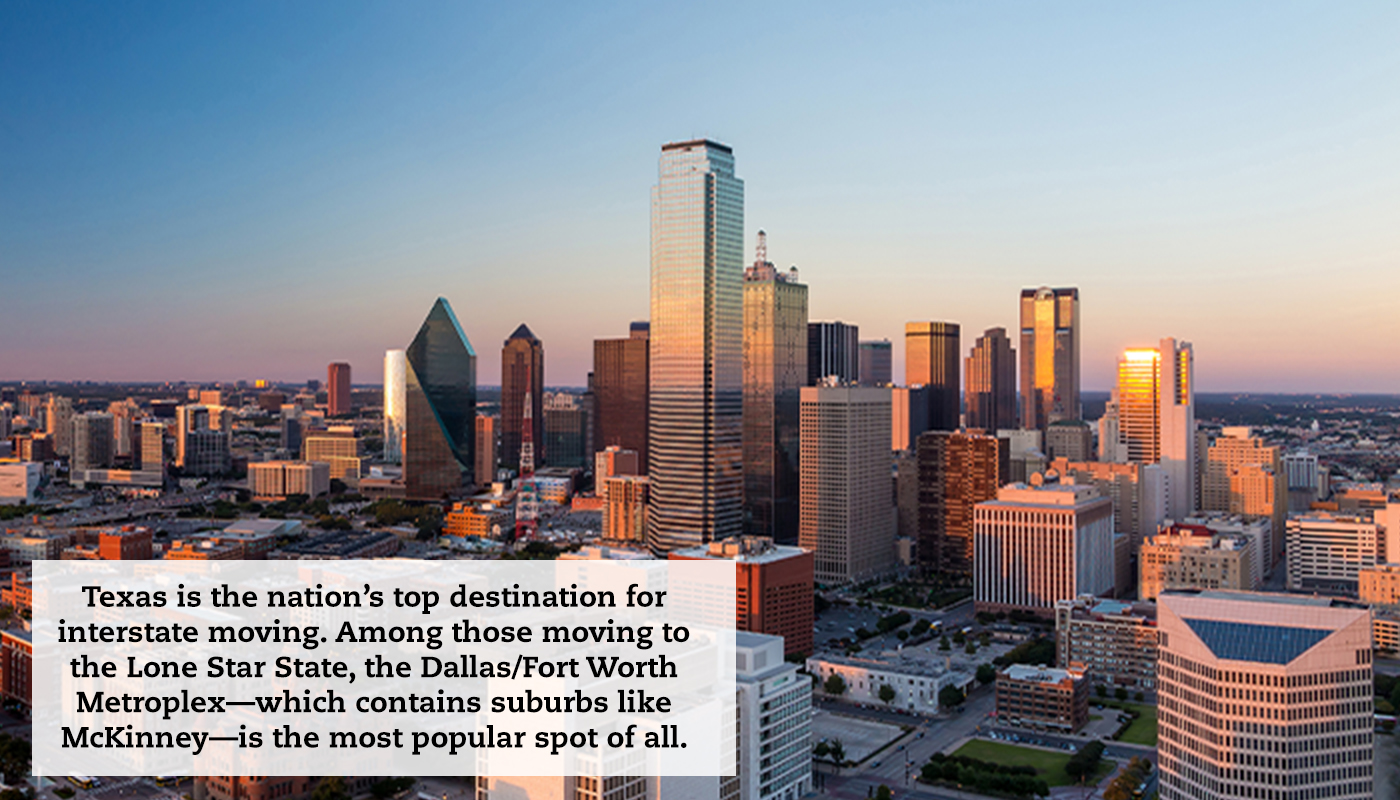
McKinney is more than just a point on a map relative to Dallas; it is an integral part of the larger Dallas-Fort Worth (DFW) metropolitan area. Its growth and development have been influenced by, and in turn, have influenced, the surrounding region. Understanding McKinney’s place within this dynamic ecosystem sheds further light on its appeal as a destination and a place to live.
A Thriving Northern Hub
As one of the fastest-growing cities in Texas, McKinney has cultivated its own identity while benefiting from its proximity to a major economic and cultural center. Its development has attracted businesses, families, and individuals seeking a high quality of life with access to the opportunities of a large metropolitan area.
- Economic Interplay: The economic relationship between McKinney and Dallas is symbiotic. Many residents of McKinney commute to jobs in Dallas, contributing to the latter’s workforce. Conversely, businesses located in McKinney benefit from the skilled labor pool drawn from across the DFW metroplex. This interconnectedness ensures that the vitality of one city often supports the prosperity of the other.
- Cultural Exchange: The cultural landscape of the DFW area is rich and diverse, and McKinney plays its part in this mosaic. While Dallas offers a concentration of major cultural institutions, McKinney fosters its own local arts scene, community festivals, and historical preservation efforts that contribute to the region’s unique character. Travelers can experience a spectrum of cultural offerings by exploring both cities, appreciating the distinct contributions each makes to the North Texas identity.
In conclusion, the distance between McKinney, Texas, and Dallas is a manageable and often advantageous aspect for travelers and residents. Whether you’re drawn by the allure of Dallas’s urban energy or the charm of McKinney’s historic heart, understanding the geographical relationship and the nuances of the journey empowers you to craft the perfect North Texas itinerary. The approximately 30-35 miles separating these two vibrant locales offer a seamless blend of big-city excitement and small-town tranquility, making the DFW area an increasingly compelling destination.
LifeOutOfTheBox is a participant in the Amazon Services LLC Associates Program, an affiliate advertising program designed to provide a means for sites to earn advertising fees by advertising and linking to Amazon.com. Amazon, the Amazon logo, AmazonSupply, and the AmazonSupply logo are trademarks of Amazon.com, Inc. or its affiliates. As an Amazon Associate we earn affiliate commissions from qualifying purchases.