
Planning a road trip or a quick getaway between two of Texas’s most vibrant cities requires a clear understanding of the distances and travel times involved. San Antonio, Texas, and Austin, Texas, are neighbors in the Texas Hill Country region, yet their distinct charms offer vastly different experiences. Knowing the exact mileage and typical transit durations is crucial for optimizing your itinerary, whether you’re commuting for business, exploring historical sites, or indulging in culinary adventures. This guide will break down the travel dynamics between these two Texan powerhouses, offering insights into the most efficient routes and the factors that can influence your journey.
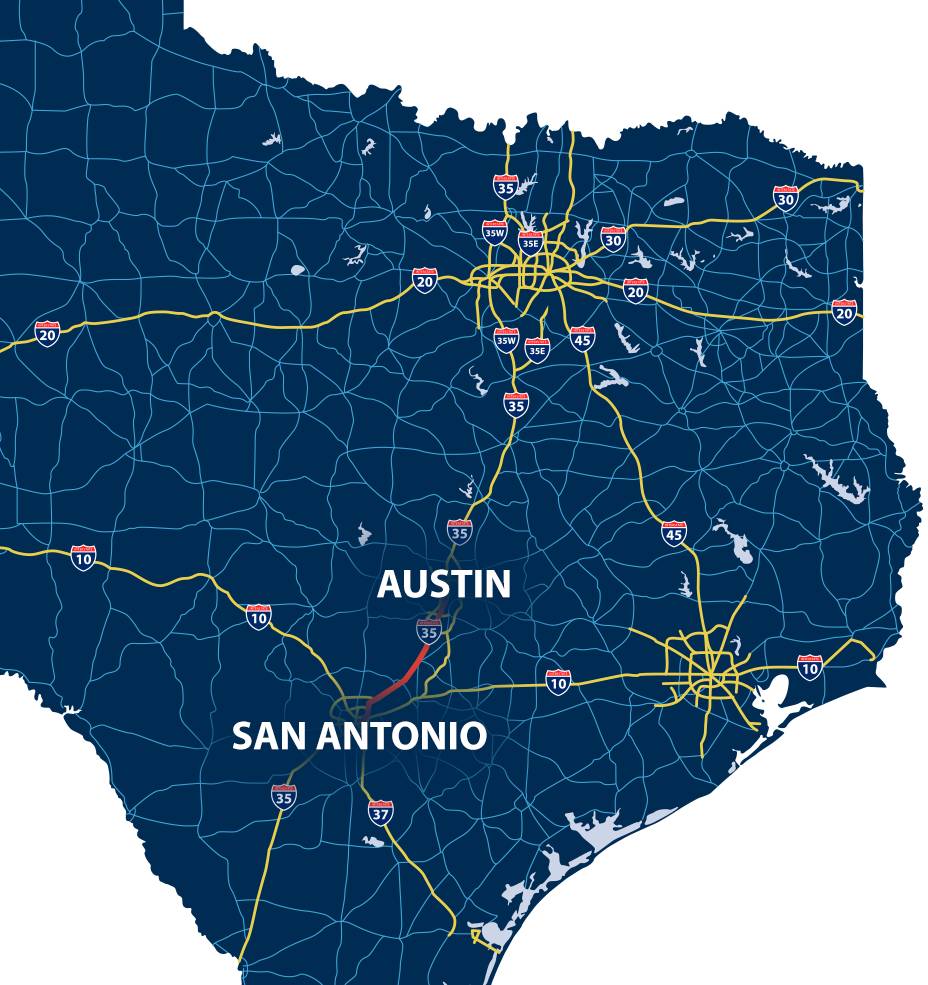
The Direct Route: Distance and Drive Time
The most common and direct route connecting San Antonio and Austin is via Interstate 35 (I-35). This major artery serves as a primary corridor for traffic between these two metropolitan areas, making it the most straightforward option for most travelers.
Mileage Between Cities
The driving distance between San Antonio and Austin is approximately 75 to 80 miles, depending on your exact starting point in San Antonio and your final destination in Austin. For instance, starting from downtown San Antonio and heading towards downtown Austin will typically fall within this range. The geography is relatively flat for much of the drive, with gentle rolling hills as you approach the Texas Hill Country.
Typical Driving Time
Under ideal traffic conditions, the drive between San Antonio and Austin typically takes between 1 hour and 15 minutes to 1 hour and 45 minutes. This estimate assumes you maintain a consistent speed and encounter minimal disruptions. However, Interstate 35 is known for its heavy traffic, especially during peak commuting hours, holidays, and major events in either city.
Factors Affecting Drive Time
- Time of Day: Driving during weekday rush hours (typically 6:30 AM – 9:00 AM and 4:00 PM – 6:30 PM) can significantly increase travel time, sometimes adding an extra 30 to 60 minutes or more. Weekend afternoons, particularly on Sundays as people return from visiting family, can also see congestion.
- Construction: Road construction projects are a common occurrence on Interstate 35 as it’s a vital economic corridor. These projects can cause significant delays and lane closures.
- Accidents: As with any major highway, accidents can happen and cause substantial backups. It’s always advisable to check real-time traffic apps before you depart.
- Weather: While Texas generally experiences mild weather, severe thunderstorms, especially during spring and summer, can slow down traffic due to reduced visibility and potential flooding.
Alternative Routes and Travel Modes
While I-35 is the primary highway, there are other routes and travel options to consider, depending on your preferences for scenery, avoiding traffic, or convenience.
Scenic Detours
For those who prefer to avoid the hustle of I-35 or are looking for a more picturesque journey, several alternative routes exist. These often involve utilizing state highways that wind through charming smaller towns and the rolling landscapes of the Texas Hill Country.
U.S. Highway 281 North
One popular alternative is to take U.S. Highway 281 North from San Antonio towards Austin. This route bypasses the immediate I-35 corridor for a good portion of the journey. It offers a more rural feel and passes through towns like Blanco and Johnson City, which are gateways to the Texas Hill Country’s wineries and natural beauty. The drive time on US-281 can be longer, often around 2 to 2.5 hours, but it provides a more relaxed and visually engaging experience.
Ranch Road 12
For an even more scenic adventure, one could explore a combination of State Highway 46 and Ranch Road 12. This route takes you through areas like Boerne, Fredericksburg (though that’s a significant detour west), and then north towards Dripping Springs and eventually into Austin. This is a much longer and winding path, best suited for those with ample time who wish to explore the heart of the Texas Hill Country, stopping at local breweries, distilleries, and unique shops along the way. The drive time can easily exceed 3 hours.

Public Transportation Options
For travelers who prefer not to drive, several public transportation options are available, though they may require more planning and potentially longer travel times.
Intercity Buses
Companies like Greyhound and FlixBus offer regular bus services between San Antonio and Austin. Buses typically depart from central terminals in each city and arrive at designated drop-off points. The journey duration for bus services usually ranges from 1 hour and 30 minutes to 2 hours and 30 minutes, depending on the number of stops and traffic conditions. This is a cost-effective option for solo travelers or those on a budget.
Ride-Sharing Services
Ride-sharing platforms like Uber and Lyft can be used for direct travel between the two cities. This offers the convenience of a door-to-door service but can be more expensive than bus travel, especially for longer distances. The cost and availability of drivers can fluctuate based on demand.
Planning Your Journey: Tips for a Smooth Trip
Whether you’re heading from San Antonio to Austin for a concert, a business meeting, or to explore the vibrant culture, careful planning can ensure a hassle-free journey.
Pre-Trip Preparations
- Check Traffic Conditions: Before you leave, use navigation apps like Google Maps, Waze, or Apple Maps to check real-time traffic on your intended route. This will give you an accurate estimate of your travel time and alert you to any major delays.
- Vehicle Maintenance: Ensure your vehicle is in good condition, with adequate fuel, properly inflated tires, and functioning air conditioning, especially if traveling during the warmer months.
- Pack Essentials: Carry water, snacks, and a portable charger for your phone, especially if opting for a longer or less predictable route.
- Book Accommodation (if needed): If you plan to stay overnight in either city, book your hotel or rental in advance, particularly during popular event weekends.
During Your Trip
- Stay Flexible: Be prepared for potential delays and have a backup plan if possible. If I-35 is heavily congested, consider switching to an alternative route if feasible.
- Take Breaks: If you are driving the entire distance, consider stopping for a short break in a town along the way. Some popular stops include Buda or Kyle for a quick coffee or stretch.
- Enjoy the Scenery: If you opt for a more scenic route, take the time to appreciate the unique landscape of the Texas Hill Country. Many small towns offer quaint cafes, antique shops, and local attractions worth exploring.
What Awaits You: Bridging Two Distinct Texan Experiences
The relatively short distance between San Antonio and Austin makes a day trip or weekend excursion between them not only feasible but highly recommended. These two cities, while geographically close, offer profoundly different cultural tapestries, historical narratives, and contemporary vibes.
San Antonio’s Historic Charm
San Antonio beckons with its rich Spanish colonial heritage and vibrant Texan spirit. The iconic Alamo stands as a testament to its pivotal role in Texas history. Strolling along the picturesque River Walk, with its charming cafes, boutiques, and boat tours, offers a unique urban oasis. Visitors can immerse themselves in the culture at the historic Spanish Missions, a UNESCO World Heritage Site, including the Mission San José and Mission Concepcion. The culinary scene is a highlight, with delicious Tex-Mex and authentic Mexican cuisine readily available, from bustling food trucks to upscale restaurants.

Austin’s Eclectic Energy
Austin, on the other hand, is renowned for its live music scene, innovative tech industry, and progressive culture. Dubbed the “Live Music Capital of the World,” the city boasts countless venues, from the legendary Continental Club on South Congress Avenue to larger arenas, offering a diverse array of musical genres every night. The outdoors are equally celebrated, with opportunities for kayaking or paddleboarding on Lady Bird Lake, hiking and biking trails in Zilker Park, and the chance to witness the spectacular flight of bats from beneath the Congress Avenue Bridge at dusk. Austin’s food scene is equally dynamic, with a strong emphasis on food trucks, barbecue joints, and a burgeoning farm-to-table movement. The city’s quirky spirit is palpable, encouraging exploration of its unique shops, street art, and vibrant neighborhoods.
Understanding the distance and travel dynamics between San Antonio and Austin is the first step in planning a successful visit. Whether you prioritize speed and efficiency via I-35, or seek a more leisurely and scenic journey through the Texas Hill Country, the connection between these two Texan gems is easily navigable, promising a wealth of experiences for every traveler.
LifeOutOfTheBox is a participant in the Amazon Services LLC Associates Program, an affiliate advertising program designed to provide a means for sites to earn advertising fees by advertising and linking to Amazon.com. Amazon, the Amazon logo, AmazonSupply, and the AmazonSupply logo are trademarks of Amazon.com, Inc. or its affiliates. As an Amazon Associate we earn affiliate commissions from qualifying purchases.