
The question of distance between two prominent Texas cities, San Antonio and Dallas, is a common one for travelers, business professionals, and anyone looking to explore the diverse landscapes and cultural offerings of the Lone Star State. While seemingly close within the vast expanse of Texas, the actual mileage and travel time can influence planning for road trips, flights, and logistical considerations. Understanding this distance is key to optimizing your journey, whether you’re seeking the historical charm of San Antonio or the bustling metropolis of Dallas.
Understanding the Driving Distance and Time
The most common way to traverse the miles between San Antonio and Dallas is by car. This route offers a quintessential Texas road trip experience, allowing for glimpses of the state’s varied topography and the opportunity to stop at charming roadside attractions.
The Primary Route: Interstate 35
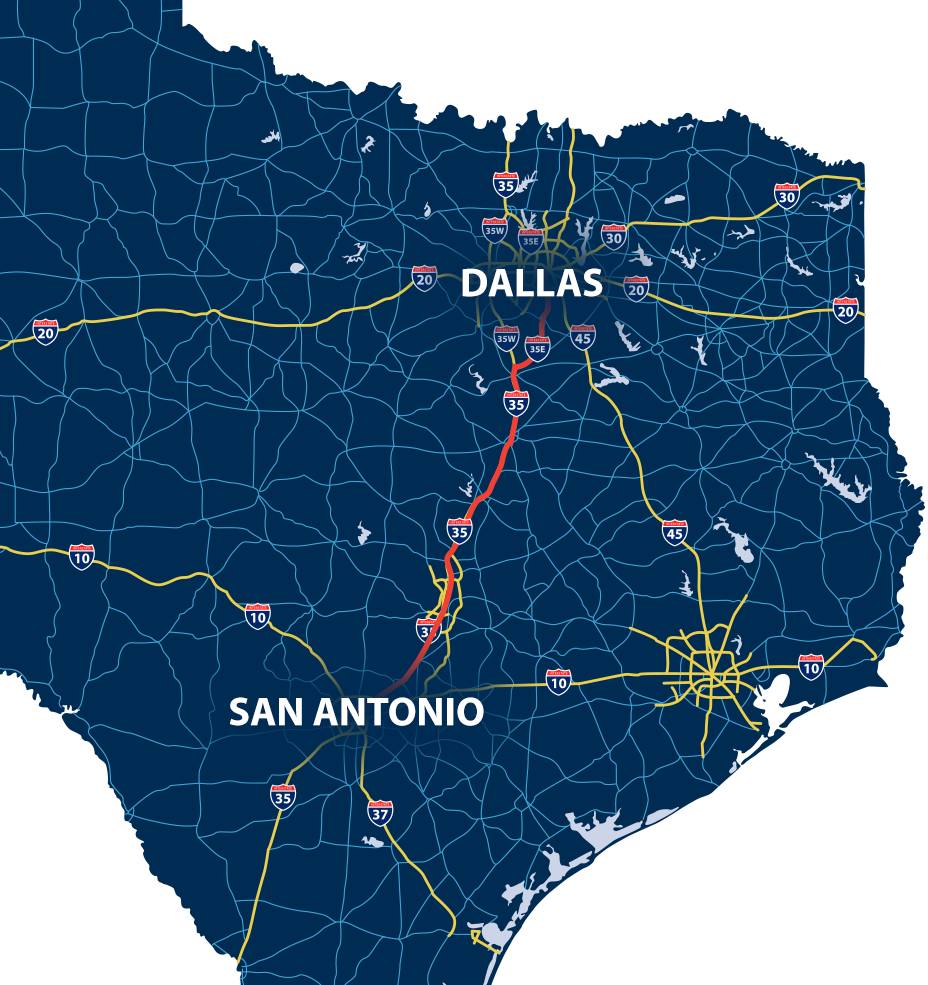
The primary and most direct driving route connecting San Antonio and Dallas is via Interstate 35 (I-35). This major highway is a critical artery for North-South travel in Texas and forms the backbone of the journey between these two significant urban centers.
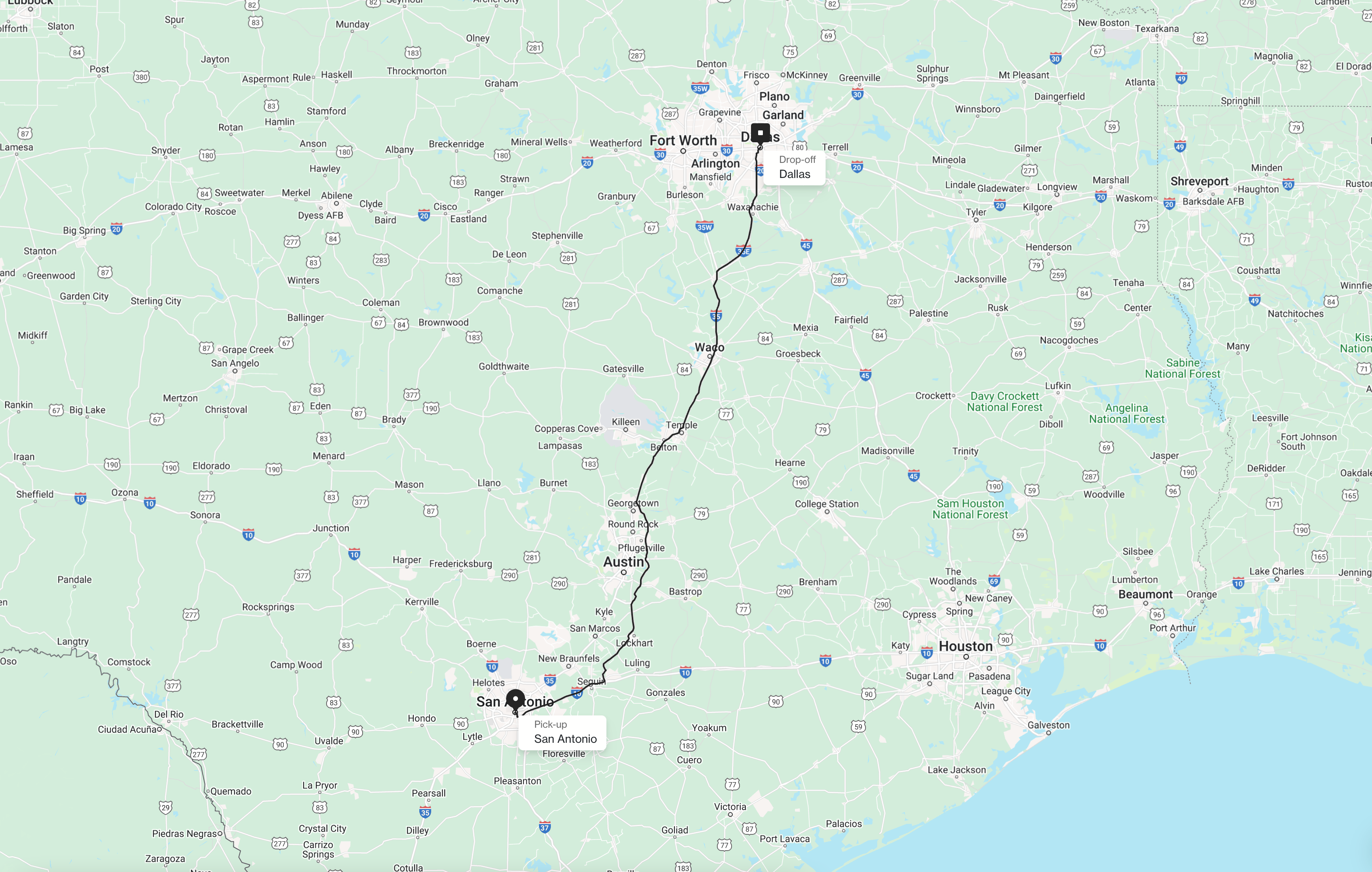
- Mileage: The driving distance between San Antonio and Dallas is approximately 275 miles. This figure can vary slightly depending on the exact starting and ending points within each city.
- Estimated Driving Time: Under ideal traffic conditions, the drive typically takes between 4 to 4.5 hours. However, this is a crucial point for travelers to note. Texas traffic, particularly around major metropolitan areas like Austin and the Dallas-Fort Worth Metroplex, can be unpredictable and significantly impact travel times. Rush hour, construction, and accidents can easily add an hour or more to the journey. Therefore, it’s always advisable to check real-time traffic updates before and during your drive.
- Key Cities Along the Way: As you travel north on I-35 from San Antonio, you will pass through or near several notable cities:
- Austin: The state capital, known for its vibrant live music scene and burgeoning tech industry. Many travelers choose to make a stop in Austin for lunch or a brief exploration.
- Waco: Home to Baylor University and the famous Magnolia Market at the Silos, Waco offers a popular respite for travelers.
- Temple: A smaller city that serves as a junction point for various highways.
- Hillsboro: Another community that you will pass through on I-35.
- Arlington: Situated between Dallas and Fort Worth, Arlington is home to major entertainment venues like AT&T Stadium and Six Flags Over Texas.
Alternative Routes and Considerations
While I-35 is the most direct, other routes exist, though they generally add time or mileage. These might be considered if there are significant traffic disruptions on I-35 or if a traveler wishes to see different parts of Texas.
- Using US-281: An alternative that runs parallel to I-35 for a portion of the journey involves utilizing US-281. This route can sometimes be less congested but is generally slower due to lower speed limits and more local traffic. It provides a different perspective of the Texas Hill Country and rural landscapes.
- Eastern Routes: More circuitous routes involving highways like US-77 or I-45 (if approaching Dallas from Houston) are significantly longer and not practical for a direct trip between San Antonio and Dallas.
Air Travel: A Faster, Though Different, Experience
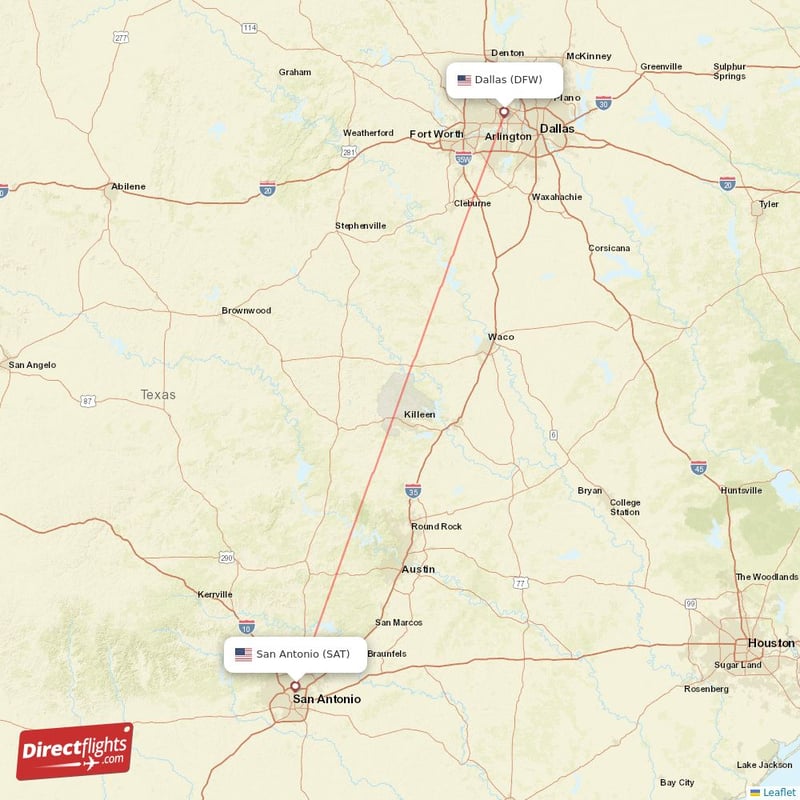
For those prioritizing speed and efficiency, air travel offers a significantly quicker way to bridge the distance between San Antonio and Dallas.
Airports and Flight Times
Both cities boast major airports that facilitate regular air service between them.
-
San Antonio International Airport (SAT): Serves as the primary gateway for air travel from San Antonio.
-
Dallas/Fort Worth International Airport (DFW): One of the busiest airports in the world, serving as a major hub for airlines and connecting passengers to numerous domestic and international destinations.
-
Dallas Love Field (DAL): Another significant airport serving the Dallas area, often used by Southwest Airlines.
-
Flight Duration: The actual in-air time for a direct flight between San Antonio and Dallas is remarkably short, typically around 1 hour to 1 hour and 15 minutes.
-
Total Travel Time: While the flight itself is brief, it’s important to factor in the total travel time for air journeys. This includes:
- Travel to the airport: Allow ample time to get to San Antonio International Airport or Dallas Love Field.
- Airport procedures: Arriving early for check-in, security screening, and boarding can add 1.5 to 2 hours.
- Deplaning and Baggage Claim: Once landed at Dallas/Fort Worth International Airport or Dallas Love Field, retrieving luggage can take an additional 30 minutes to an hour.
- Travel from the airport: Commuting from the airport to your final destination in the Dallas area.
Considering these factors, the total door-to-door travel time for flying can often be comparable to or slightly less than driving, especially when factoring in potential traffic delays on the road.
Bus and Train Travel: Slower, Scenic Alternatives
For travelers who prefer not to drive or fly, bus and train services offer additional options, albeit with longer travel times.
Intercity Bus Services
Several intercity bus companies operate routes between San Antonio and Dallas.
- Providers: Companies like Greyhound and others offer frequent departures.
- Duration: Bus journeys are significantly longer than driving, typically ranging from 6 to 8 hours, depending on the number of stops and route taken. This option is often the most budget-friendly.
- Comfort and Amenities: Modern buses often provide amenities such as Wi-Fi, power outlets, and reclining seats, making the extended journey more bearable for those on a tighter budget.
Amtrak Train Service
Amtrak offers passenger rail service connecting San Antonio and Dallas.
- Route: The train route typically involves a transfer, often in Austin or other intermediate stations.
- Duration: The train journey is generally the slowest option, with total travel times often exceeding 8 to 10 hours.
- Experience: Train travel can offer a more relaxed and scenic experience, allowing passengers to observe the Texas landscape without the stress of driving. Sleeping car accommodations can be an option for overnight journeys, enhancing comfort.
Factors Influencing Travel Choices
The decision of how to travel between San Antonio and Dallas hinges on several key factors, each influencing the choice of mode and the overall travel experience.
Time Constraints
For those with limited time, such as business travelers or those on a tight vacation schedule, flying is often the most logical choice due to its speed. Conversely, if time is not a primary concern, driving or even taking a bus or train can be viable.
Budget
Cost is a significant consideration for most travelers.
- Driving: The cost of fuel, potential overnight stays if breaking up the journey, and wear and tear on a vehicle need to be factored in. This can be cost-effective for groups or families sharing expenses.
- Flying: Airfares fluctuate based on demand, time of booking, and airline. Adding the costs of airport transportation and potential baggage fees can increase the overall expenditure.
- Bus: Typically the most economical option, making it attractive for budget-conscious travelers.
- Train: Amtrak fares can vary but are often more expensive than bus travel and can sometimes rival or exceed flight prices, especially for sleeper accommodations.
Personal Preference and Experience
The desired travel experience also plays a crucial role.
- Road Trip Enthusiasts: Many enjoy the freedom and flexibility of a road trip, allowing for spontaneous stops and exploration of smaller towns.
- Comfort Seekers: Those who value a hands-off approach might prefer flying or the relaxed pace of train travel.
- Environmental Considerations: Some travelers may opt for train travel due to its generally lower carbon footprint compared to flying or individual car usage.
Purpose of Travel
The reason for the journey can also dictate the best mode of transportation.
- Business: Time efficiency is paramount, making flights or a swift drive (if traffic cooperates) the most practical.
- Leisure/Vacation: A road trip allows for a more immersive experience of the state. Families might find driving more convenient for carrying luggage and stopping as needed.
- Visiting Friends or Family: Cost and convenience for multiple travelers might favor driving or bus travel.
Ultimately, the distance between San Antonio and Dallas is more than just a number of miles; it represents a spectrum of travel choices, each offering a unique way to experience the heart of Texas. Whether you choose the open road, the skies, or the rails, the journey between these two dynamic cities is an integral part of discovering the diverse allure of the Lone Star State.
LifeOutOfTheBox is a participant in the Amazon Services LLC Associates Program, an affiliate advertising program designed to provide a means for sites to earn advertising fees by advertising and linking to Amazon.com. Amazon, the Amazon logo, AmazonSupply, and the AmazonSupply logo are trademarks of Amazon.com, Inc. or its affiliates. As an Amazon Associate we earn affiliate commissions from qualifying purchases.