
Navigating the intricacies of vehicle ownership in Texas can sometimes feel like a winding road, especially when dealing with vehicles that lack a traditional certificate of title. This is where the concept of a bonded title, also known as a Texas Salvage Vehicle Title, comes into play. For individuals who have acquired a vehicle without a title or with a title that is lost, stolen, or damaged, a bonded title offers a legal pathway to establishing ownership and subsequently obtaining a standard Texas title. However, a common and crucial question arises: how long does this type of title last in the Lone Star State? Understanding the duration and requirements associated with a bonded title is paramount for any vehicle owner in Texas seeking clear and unencumbered ownership.

Understanding the Texas Bonded Title Process
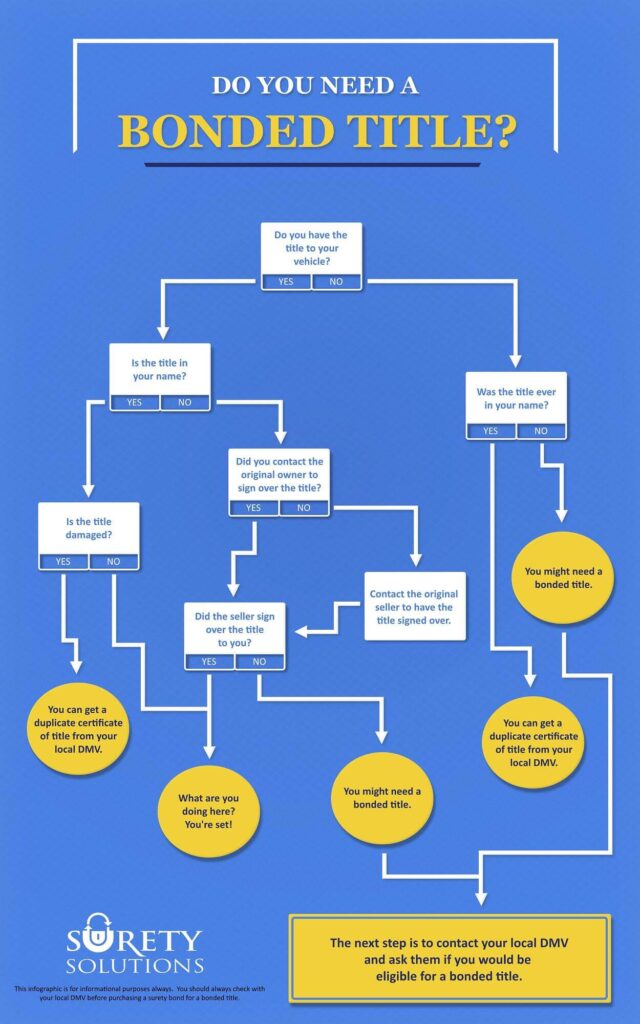
A bonded title in Texas is not an alternative to a traditional title; rather, it’s a stepping stone. It’s a mechanism designed to protect the Texas Department of Motor Vehicles (TxDMV) and the public from potential claims against a vehicle for which clear ownership history is unavailable. When you apply for a bonded title, you are essentially obtaining a surety bond, which acts as an insurance policy against any valid claims that may arise from previous owners or lienholders.
The Role of the Surety Bond
The surety bond is a critical component of the bonded title process. It is typically purchased from an insurance company authorized to operate in Texas. The bond amount is usually 1.5 times the value of the vehicle, as determined by the TxDMV. This bond is in place to safeguard against individuals who might have a superior claim to the vehicle. For example, if the person who sold you the car did not legally own it, or if there was an outstanding lien on the vehicle that was not disclosed, the surety bond would cover any claims made by the rightful owner or lienholder. The TxDMV requires this bond for a specific period, during which they will process your application and issue a title if no valid claims are presented.
Eligibility and Application Requirements
To be eligible for a Texas bonded title, you must meet several criteria. You must have possession of the vehicle and have paid for it. Critically, you cannot have a traditional title for the vehicle due to specific circumstances: it may have been lost, stolen, destroyed, or the previous owner may have failed to transfer it properly. The vehicle must also not be currently titled in Texas or any other state, or it must have a branded title (like a salvage title) that prevents the issuance of a standard title.
The application process involves several steps. You’ll need to obtain a Vehicle Identification Number (VIN) inspection. You’ll then complete the application for a Texas Bonded Title, which includes providing documentation such as a bill of sale, proof of insurance, and any other relevant paperwork demonstrating your efforts to locate the previous owner or title. Most importantly, you will need to secure the surety bond. Once all documentation is submitted and the bond is in place, the TxDMV will review the application.
The Duration of a Bonded Title in Texas
The core question of how long a bonded title lasts in Texas has a nuanced answer. A bonded title itself is not a permanent form of title. Instead, it’s a temporary designation that allows you to operate and eventually obtain a clear title for your vehicle.
The Initial Bond Period
The surety bond obtained for a bonded title is typically valid for a period of three years. This three-year period is crucial. During this time, the TxDMV will advertise the impending title issuance in a local newspaper in the county where you reside. This public notice serves as a final opportunity for anyone with a legal claim to the vehicle to come forward. If no valid claims are filed within this three-year window, the TxDMV can proceed with issuing a standard Texas Certificate of Title.
What Happens After the Bond Period?
Once the three-year period elapses without any successful claims against the vehicle, you will then be eligible to apply for a standard Texas Certificate of Title. This new title will no longer be designated as “bonded.” It signifies that the TxDMV has satisfied itself that there are no outstanding claims against the vehicle, and you are the rightful owner. The process of converting from a bonded title to a standard title requires submitting the original bonded title documentation, along with proof that the bond period has expired without claims.
Early Conversion Possibilities

While the standard period is three years, there might be scenarios where an early conversion to a clear title is possible. However, these are rare and depend on the specific circumstances and the TxDMV‘s discretion. Generally, the full three-year period is required to ensure that all potential claimants have had ample opportunity to come forward. The TxDMV prioritizes due diligence to protect all parties involved.
Beyond the Bond: Obtaining a Clear Title
The ultimate goal of obtaining a bonded title is to eventually possess a clear Texas Certificate of Title. The bonded title is a means to an end, not the destination itself. Once you have successfully navigated the bonded title process and the required duration has passed without claims, you can enjoy the full benefits of vehicle ownership.
The Transition to a Standard Title
The transition from a bonded title to a standard Texas Certificate of Title is a relatively straightforward administrative process, assuming all conditions have been met. You will need to present your bonded title, the surety bond documentation, and a completed application for a standard title. You may also need to provide proof of payment for any applicable title and registration fees. The TxDMV will then review your submission and, if everything is in order, issue a new title that does not bear the “bonded” designation.
Rights and Responsibilities with a Bonded Title
During the three-year period of the bonded title, your rights as an owner are generally recognized, but with certain limitations. You can typically register and insure the vehicle and drive it legally. However, selling or transferring the vehicle can be more complex. Most buyers will want a clear title, so selling a vehicle with a bonded title might be challenging or require disclosure and potentially a reduced price. It’s essential to be transparent with any potential buyer about the bonded status of the title.
Potential Complications and Considerations
While the bonded title process in Texas provides a viable solution for many vehicle owners, it’s not without its potential complications. Understanding these issues beforehand can save time, money, and frustration.
The Risk of Claims
The primary risk associated with a bonded title is the possibility of a valid claim being filed against the vehicle during the three-year bond period. If someone proves they have a superior legal right to the vehicle, the surety bond will be used to compensate them. This could mean you lose the vehicle and any money you’ve invested in it, though the bond would cover the financial loss up to its limit. This is why thorough research into the vehicle’s history and the seller’s legitimacy is crucial before even attempting to obtain a bonded title.
Vehicle Valuation and Bond Amount
The amount of the surety bond is directly tied to the vehicle’s value. If your vehicle is a classic car or has significant aftermarket modifications, its appraised value could be higher, leading to a more expensive bond. Obtaining an accurate appraisal from a reputable source might be necessary to ensure the bond amount is correct and that you are not over- or under-insured.
Time and Financial Investment
The bonded title process is not instantaneous. It requires patience, meticulous documentation, and financial outlay for the surety bond, inspections, and fees. The total time commitment, including the three-year waiting period, can be substantial. It’s important for owners to factor this time investment into their plans for the vehicle.
Conclusion: A Pathway to Clear Ownership
In Texas, a bonded title serves as a critical mechanism for individuals to gain legitimate ownership of vehicles where traditional titling is impossible. The bonded title itself does not have an indefinite lifespan; rather, it is a temporary status tied to the duration of the surety bond, which is typically three years. This period allows for the resolution of any potential claims against the vehicle. Upon successful completion of this period without claims, the owner becomes eligible to obtain a clear Texas Certificate of Title, solidifying their ownership and removing the limitations associated with a bonded title. While the process demands diligence and patience, the bonded title offers a well-defined pathway towards unencumbered vehicle ownership in Texas.
LifeOutOfTheBox is a participant in the Amazon Services LLC Associates Program, an affiliate advertising program designed to provide a means for sites to earn advertising fees by advertising and linking to Amazon.com. Amazon, the Amazon logo, AmazonSupply, and the AmazonSupply logo are trademarks of Amazon.com, Inc. or its affiliates. As an Amazon Associate we earn affiliate commissions from qualifying purchases.