
Embarking on a career as a commercial truck driver in Texas offers a pathway to economic independence and a dynamic lifestyle. However, before hitting the open road in a heavy-duty vehicle, prospective drivers must navigate the process of obtaining a Commercial Driver’s License (CDL). The duration of this process can vary significantly, influenced by individual dedication, the chosen training route, and the efficiency of the Texas Department of Public Safety (DPS) testing centers. Understanding these factors is crucial for setting realistic expectations and planning your career transition effectively.
Understanding the CDL Requirements in Texas
Before delving into the timeline, it’s essential to grasp the fundamental prerequisites for obtaining a CDL in Texas. These requirements are designed to ensure that only competent and safety-conscious individuals are granted licenses to operate large commercial vehicles.

Eligibility Criteria
To be eligible for a CDL in Texas, applicants must meet several key criteria:
- Age: You must be at least 18 years old to obtain a CDL for intrastate commerce (driving within Texas). To drive a commercial vehicle in interstate commerce (across state lines), you must be at least 21 years old.
- Residency: You must be a resident of Texas and provide proof of residency, such as a utility bill or lease agreement.
- Valid Driver’s License: You must possess a valid, non-commercial driver’s license issued by Texas or another U.S. state.
- Social Security Number: A valid Social Security card is required.
- Medical Examination: You must pass a Department of Transportation (DOT) medical examination conducted by a certified medical examiner. This ensures you meet the physical and mental standards necessary to operate a commercial vehicle safely. You will receive a Medical Examiner’s Certificate upon passing.
- Knowledge and Skills Tests: You must pass a series of written knowledge tests and a practical skills test.
Types of CDL Licenses
There are three main classes of CDLs, each permitting the operation of different types of vehicles:
- Class A CDL: Required for operating a combination vehicle with a gross combination weight rating (GCWR) of 26,001 pounds or more, provided the gross vehicle weight rating (GVWR) of the towed vehicle is more than 10,000 pounds. This typically includes tractor-trailers.
- Class B CDL: Required for operating a single vehicle with a GVWR of 26,001 pounds or more, or a vehicle towing a trailer with a GVWR of 10,000 pounds or less. This includes straight trucks and buses.
- Class C CDL: Required for vehicles that do not meet the definitions of Class A or Class B but are designed to transport 16 or more occupants (including the driver) or are placarded for hazardous materials.
The specific class of CDL you need will depend on the type of commercial vehicle you intend to drive.
The Road to Your CDL: Training and Testing
The journey to obtaining your CDL involves preparation, formal training, and passing rigorous tests. The time commitment can vary depending on whether you opt for formal training programs or self-study.
The Learner’s Permit Phase
The initial step for most aspiring CDL drivers is to obtain a Commercial Learner’s Permit (CLP). This permit allows you to practice driving a commercial vehicle under the supervision of a qualified CDL holder.
- Pass the Knowledge Test: You must first pass the relevant written knowledge test at a Texas DPS driver license office. The study material for this test is available in the Texas Commercial Motor Vehicle Driver’s Handbook.
- Obtain the CLP: Once you pass the knowledge test and meet all other eligibility requirements, including presenting your medical examiner’s certificate, you will be issued a CLP.
The time taken to pass the knowledge test depends on your study habits. Some individuals can prepare and pass within a few days, while others may take a week or two. The CLP itself is typically valid for a period of six months, with the possibility of renewal.
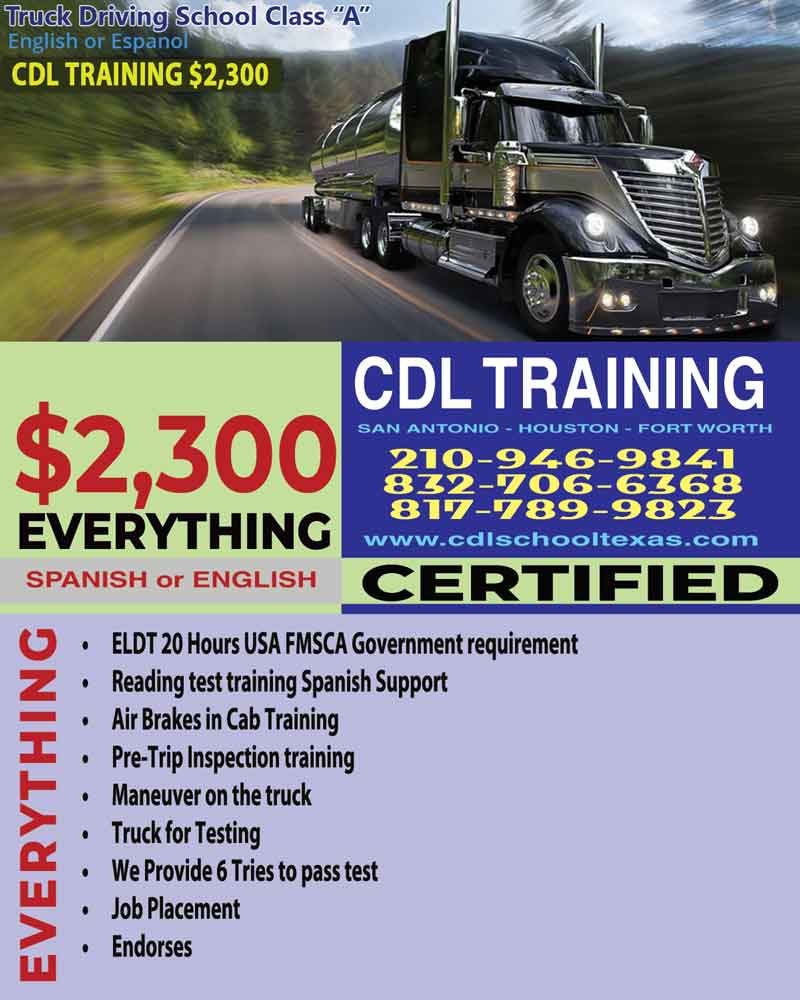
Formal CDL Training Programs
While not strictly mandatory in all cases in Texas, enrolling in a CDL training program is highly recommended. These programs provide structured education and hands-on experience, significantly increasing your chances of passing the CDL skills test and securing employment.
CDL training programs typically fall into a few categories:
- Truck Driving Schools: These are specialized institutions offering comprehensive CDL training. They often have their own training vehicles and simulators.
- Duration: Full-time programs usually last between 3 to 6 weeks. Part-time programs can extend to 8 to 12 weeks or longer.
- Curriculum: Training includes classroom instruction on regulations, safety procedures, and vehicle operation, as well as behind-the-wheel training on a variety of terrains and in different traffic conditions.
- Cost: These programs can range from $3,000 to $7,000 or more, depending on the school and the comprehensiveness of the training.
- Company-Sponsored Training: Some large trucking companies offer their own CDL training programs, often with a commitment from the driver to work for the company for a specified period after obtaining their license.
- Duration: Similar to truck driving schools, typically 3 to 6 weeks.
- Cost: Often free or heavily subsidized, with the understanding that the driver will be employed by the company.
- Community College Programs: Some community colleges in Texas offer CDL training courses as part of their vocational programs.
- Duration: Can vary, often aligning with semester schedules.
- Cost: Generally more affordable than private truck driving schools.
The time spent in a formal training program is a significant chunk of the overall CDL acquisition timeline.
The CDL Skills Test
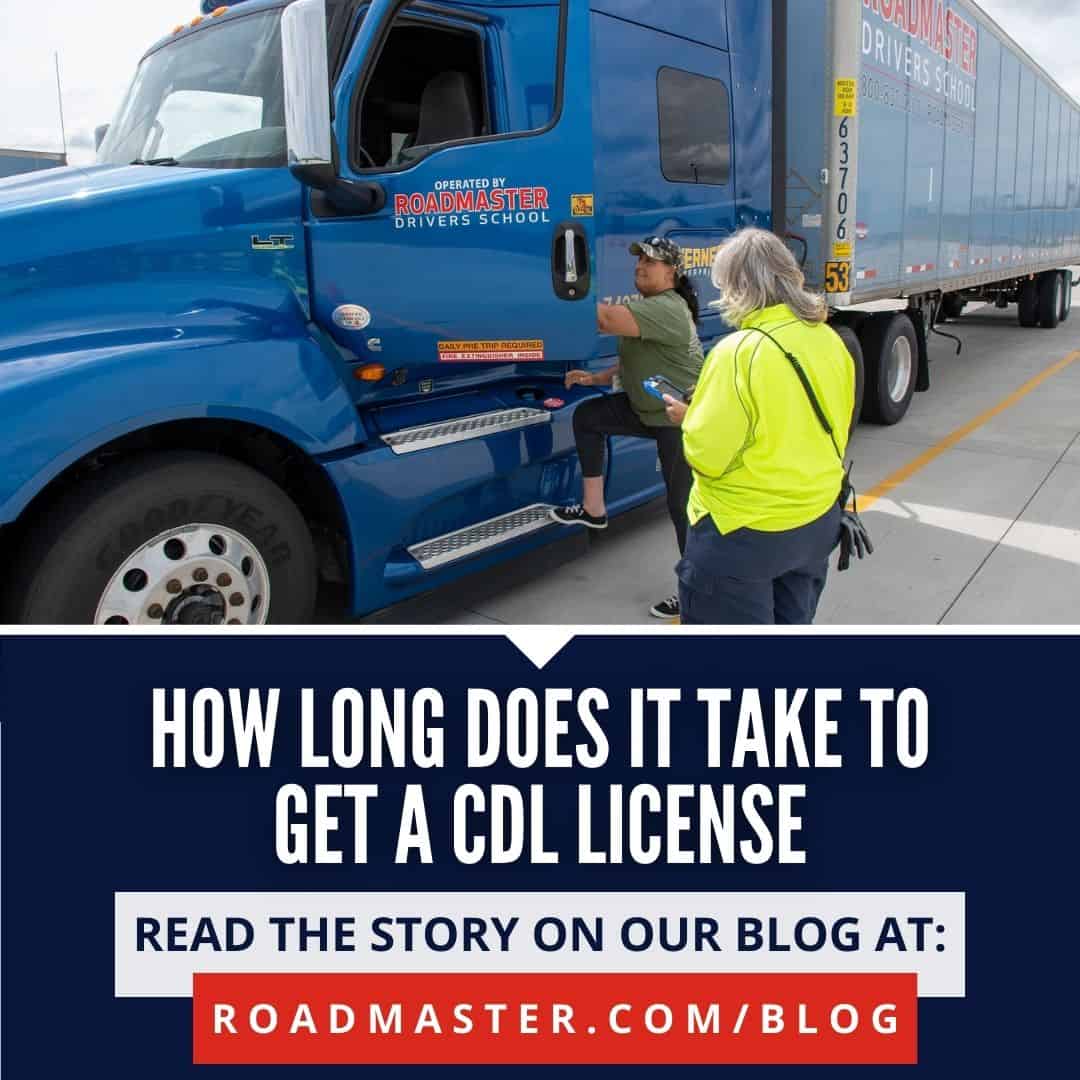
After completing your training and holding your CLP for the required period (typically 14 days after issuance in Texas, though this can vary), you will be eligible to take the CDL skills test. This test comprises three parts:
- Pre-Trip Inspection: You’ll be required to perform a thorough inspection of the vehicle to ensure it’s safe for operation.
- Basic Control Skills Test: This involves demonstrating proficiency in maneuvers such as backing up into a parking spot.
- Road Test: You will drive the vehicle on public roads under the supervision of a DPS examiner, demonstrating your ability to operate it safely in various traffic situations.
The time it takes to schedule and pass the skills test can vary depending on the availability of examiners and testing slots at your local Texas DPS driver license office. Waiting times can range from a few days to several weeks, especially in high-demand areas.
Factors Affecting the Total CDL Timeline
Several variables can influence how long it takes for an individual to obtain their CDL in Texas. Recognizing these can help you strategize your approach.
Personal Study Habits and Aptitude
- Knowledge Test Preparation: Individuals who dedicate more time to studying the Texas Commercial Motor Vehicle Driver’s Handbook and practice tests may pass the knowledge test more quickly. Consistent study over a few days or a week is often sufficient.
- Skills Practice: While formal training provides supervised practice, some individuals may benefit from additional practice time with a mentor or instructor to build confidence and proficiency before the skills test.
Choice of Training Program
- Program Length: As discussed, the duration of a CDL training program is a primary factor. A 3-week intensive program will naturally lead to a quicker completion than an 8-week part-time course.
- Program Quality: A well-regarded program with experienced instructors and a comprehensive curriculum can better prepare you for the tests, potentially reducing the need for retakes.
Scheduling and Availability of DPS Resources
- Testing Center Wait Times: The availability of appointments for both the CLP knowledge test and the CDL skills test is a significant bottleneck. Popular testing centers can have waiting lists that add weeks to the process. It’s advisable to research and potentially travel to less congested areas if time is a critical factor.
- Medical Examiner Availability: Scheduling a DOT medical examination can also take time, depending on the doctor’s availability and your proximity to a certified examiner.
Retakes and Re-testing
- Failed Tests: If you fail any part of the knowledge or skills test, you will need to wait a specified period before you can retake it. This adds time to your overall CDL acquisition. Understanding the reasons for failure and addressing them before re-testing is crucial.
- Medical Certification: If there are any issues with your medical exam, further evaluations or documentation may be required, potentially delaying the process.
Realistic Timelines for Obtaining a CDL in Texas
Given the various factors, here are some realistic timelines to consider for obtaining your CDL in Texas:
Fastest Possible Timeline (Intensive Approach)
For a highly motivated individual who dedicates significant time and effort, the absolute fastest timeline might look something like this:
- Week 1: Study intensely for the CLP knowledge test, pass it, and obtain your CLP.
- Week 2-4: Enroll in a full-time, 3-week CDL training program. This includes classroom and behind-the-wheel training.
- Week 4 (End) or Week 5 (Beginning): Schedule and pass your CDL skills test shortly after completing your training.
Total Time: Approximately 4 to 5 weeks. This is an aggressive schedule that requires full-time commitment and efficient scheduling of all steps.
Standard Timeline (With Formal Training)
A more common and achievable timeline for most individuals pursuing a CDL through a formal training program would be:
- Week 1: Study, pass CLP knowledge test, obtain CLP.
- Week 2-5: Complete a 4-week CDL training program.
- Week 6: Schedule and take the CDL skills test.
Total Time: Approximately 6 weeks. This allows for a slightly more relaxed pace of study and training.
Extended Timeline (Part-time or Delays)
If you are pursuing training part-time, or if there are significant delays in scheduling tests or training slots, the timeline can extend:
- Week 1-2: Study and obtain CLP.
- Week 3-10: Complete an 8-week part-time CDL training program.
- Week 10-12: Schedule and take the CDL skills test, potentially with a waiting period.
Total Time: Approximately 10 to 12 weeks or more. This scenario is not uncommon and reflects the reality of juggling training with other commitments or dealing with scheduling challenges.
Maximizing Your Efficiency in Obtaining a CDL
To expedite the process and ensure a smooth transition into a trucking career, consider these strategies:
Pre-Planning and Research
- Research Training Programs: Thoroughly research CDL schools and company-sponsored programs in your area. Look for accredited institutions with good pass rates and positive reviews.
- Understand Test Requirements: Familiarize yourself with the specific requirements for each CDL class and endorsement you are pursuing.
- Locate Testing Centers: Identify Texas DPS driver license stations that offer CDL testing and understand their appointment systems and typical wait times.
Dedicated Study and Practice
- Utilize Study Resources: Make full use of the official Texas Commercial Motor Vehicle Driver’s Handbook and consider purchasing additional study guides or practice test software.
- Be Proactive with Training: Engage actively in your training program. Ask questions, seek extra practice if needed, and focus on mastering the skills.
Efficient Scheduling
- Book Appointments Early: As soon as you are eligible, book your CLP knowledge test and, if possible, your CDL skills test. Be flexible with dates and times.
- Schedule Medical Exam Promptly: Secure your DOT medical examination appointment as soon as you decide to pursue your CDL to avoid delays.
Conclusion: A Rewarding Journey
Obtaining a CDL in Texas is a structured process that requires commitment and adherence to regulations. While the exact timeline can fluctuate, a typical duration often falls between 4 to 12 weeks, depending on the individual’s approach and external factors. By understanding the requirements, choosing the right training path, and planning efficiently, you can navigate the journey to your CDL with confidence and prepare for a fulfilling career on the road. The investment in time and effort is often repaid many times over through the economic opportunities and the freedom that a career as a commercial truck driver provides.
LifeOutOfTheBox is a participant in the Amazon Services LLC Associates Program, an affiliate advertising program designed to provide a means for sites to earn advertising fees by advertising and linking to Amazon.com. Amazon, the Amazon logo, AmazonSupply, and the AmazonSupply logo are trademarks of Amazon.com, Inc. or its affiliates. As an Amazon Associate we earn affiliate commissions from qualifying purchases.